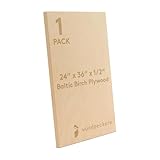
I remember the first time I tried to haul a full sheet of 4×8 plywood in a car I probably shouldn’t have. It involved a lot of praying, a lot of dangling edges, and a very stressed-out passenger. So, when someone asks if a 2019 Honda Pilot can carry a 4×8 piece of plywood, I don’t just think about the numbers; I think about that sweaty-palmed experience. The short answer is yes, but it’s not as simple as just shoving it in there.
It’s a common question for anyone who’s done a DIY project or needs to move something larger than a grocery bag. You’ve got the lumberyard receipt, the weekend project looming, and your trusty SUV. Can it handle the load? Let’s break down whether your 2019 Honda Pilot is up for the task.
So, Can a 2019 Honda Pilot Actually Fit a 4×8 Sheet?
Alright, let’s get down to brass tacks. The core question: can 2019 Honda Pilot carry a 4×8 piece of plywood? Yes, it can. But before you run off to the home improvement store with visions of effortless hauling, there are some significant ifs and buts to consider.
The interior cargo volume, with the second and third rows folded flat, is pretty generous for its class. Honda claims around 83.9 cubic feet with both rear rows down. A standard 4×8 sheet of plywood is, well, 4 feet by 8 feet, and typically 1/2 inch or 3/4 inch thick.
The key dimensions to worry about are the length and width it can accommodate. With the second and third rows folded, you’re looking at a maximum cargo length of about 6.5 feet (around 78 inches) from the back of the front seats to the closed tailgate. The width between the wheel wells is typically around 46-48 inches. This is where the primary challenge lies.
An 8-foot long piece of plywood simply won’t lie flat without some… assistance.
Here’s the reality check: an 8-foot (96-inch) sheet is longer than the flat floor space you have available. So, you’re not going to be able to slide it in and close the tailgate perfectly flat. It’s going to stick out.
How much depends on the angle you try to load it at, and importantly, whether you have a roof rack system installed. If you’re just trying to get it home from the store and the distance is short, you might be able to angle it in so it rests against the back of the front seats and sticks out the open tailgate, secured with bungee cords or straps.
This is not ideal, and frankly, it’s a bit of a gamble depending on traffic, speed, and the condition of your strapping skills. My first attempt at this with a different SUV involved a rogue gust of wind and a sheet of particle board that nearly took out a mailbox. Lesson learned: don’t be cavalier with unsecured loads, especially long ones.
The width of the plywood (4 feet, or 48 inches) is usually manageable, fitting between the wheel wells if you angle it slightly. The main hurdle is that 8-foot length. Trying to cram it in at an angle might get you the front edge near the dashboard, but the back will be sticking out considerably. This means you absolutely need to tie it down, preferably to a roof rack, and have a red flag or bright material tied to the end that’s protruding. Driving at night with an unsecured, extended load is a recipe for disaster and a hefty ticket. So, while the interior space seems big enough, the 8-foot dimension is the spoiler.
Now, some people might say, ‘Just tilt it up!’ and yes, you can tilt it. But the angle at which you’d have to tilt it to get the full 8 feet inside means the top edge will be hitting the headliner or the sunroof, potentially damaging both. It’s a tight squeeze. You’re basically trading interior headroom for cargo length, and the Pilot isn’t a cargo van. It’s designed for passengers and general family hauling, not lumberyard runs as its primary function. The good news is that Honda designed the Pilot with versatility in mind, and the ability to fold seats flat is a big part of that. You just have to be realistic about its limits.
The Practicalities: How to Actually Load It
So, you’ve decided you’re going to try it. How do you make this happen without scratching your Pilot’s paint or damaging the plywood? First, and I can’t stress this enough, make sure your second and third rows are folded completely flat. This maximizes your interior space. The seats in the 2019 Pilot fold down quite easily – usually a pull strap is all it takes for the third row, and the second row might have a lever or button depending on the trim level. Make sure they are locked in the flat position. (See Also: Can A 4x8 Plywood Fit In A Honda Pilot )
Next, assess your plywood. Is it raw lumber or a finished product? Raw lumber is lighter and more forgiving. Finished plywood, especially with a veneer, can scratch easily. If you care about the finish of your interior or the plywood, consider covering the floor and any contact points with old blankets, moving pads, or even cardboard. This is where I learned my lesson the hard way; my cheap particle board left permanent scuff marks on my car’s plastic trim because I didn’t protect it. A few dollars on old blankets saved me a lot of headache and potential repair costs.
Now, the loading itself. The best method, if you can manage it, is to approach the rear of the Pilot with the 8-foot dimension of the plywood parallel to the rear bumper. Gently lift the plywood and slide the front edge into the cargo area. Try to keep it as level as possible initially.
You’ll quickly see that the back seats, even folded, create a slight incline. You’ll need to angle the plywood upwards. Aim for the back edge of the front seats.
You might need to push the front seats forward a bit to give yourself more room. Once the front of the plywood is resting securely against or just over the front seats, you’ll need to lift the rear end. Here’s where the roof rack comes in handy.
If you have crossbars and possibly side rails, you can rest the rear of the plywood on the rear crossbar and then guide it out the tailgate. It’s going to stick out. A lot. You’ll likely need to secure it to the rear bumper or tow hitch if you have one, and definitely tie it down to the roof rack system.
If you don’t have a roof rack, this becomes significantly riskier and more awkward. You’ll be relying solely on bungee cords or straps to the rear bumper/tailgate, which is not ideal for anything more than a very short, slow trip.
One method that might work for shorter trips or lighter sheets (like 1/4 inch) is to angle it aggressively. Push the front edge as far forward as it will go, ideally resting on the floor behind the front seats. Then, tilt the rear end up as much as you can. The tailgate will likely not close. You’ll need to secure it firmly with straps running over the top of the vehicle and down to the frame or designated tie-down points on the sides. This requires a good roof rack system, and even then, it’s a compromise. I’ve seen people use a ski rack or a cargo basket to help extend their carrying capacity, but that’s an added expense.
The Roof Rack Factor: Friend or Foe?
Let’s talk about roof racks. If your 2019 Honda Pilot has a factory-installed roof rack system with crossbars, this changes things slightly, but not as much as you might think for a full 8-foot sheet. The crossbars provide a useful point to rest and secure the rear of the plywood if it’s sticking out. However, the factory crossbars are often not positioned far enough apart to fully support a long piece of lumber. Think about it: the length of your vehicle from the front windshield to the rear bumper is usually less than 8 feet. So, even with a roof rack, you’re still going to have a significant overhang.
What makes a roof rack genuinely useful, though, is the ability to secure the load properly. You can run ratchet straps from the plywood, over the roof rack crossbars, and tighten them down.
This is infinitely safer than relying on bungee cords alone. For a 4×8 sheet, you’ll likely need at least two, preferably three, good quality ratchet straps. One near the front of the overhang, one in the middle, and one near the back.
You also need to consider the weight. While plywood itself isn’t excessively heavy, if you’re carrying multiple sheets or thicker construction-grade plywood (like 3/4 inch), the weight can add up quickly. (See Also: Can Bondo Be Applied To Plywood )
The 2019 Honda Pilot’s roof load limit is typically around 165-220 lbs (check your owner’s manual for the exact spec). A single 4×8 sheet of 3/4 inch plywood can weigh 50-70 lbs. So, stacking more than two or three sheets might exceed the roof’s capacity, not to mention making the load incredibly unwieldy and dangerous.
I had a friend who thought his SUV’s roof rack was invincible. He loaded four sheets of 3/4 inch plywood, strapped them down, and headed out. Halfway home, one of the straps gave way in a crosswind. The plywood shifted, gouged his roof, and nearly flew off. He was lucky. This taught me that the roof rack is a tool, not a magic wand. You still need to use common sense, good quality straps, and understand the weight limits. For a single sheet of 1/2 inch or 5/8 inch plywood, the roof rack is a huge asset for securing the overhang. For thicker or multiple sheets, it becomes a much more questionable proposition.
Aftermarket roof rack systems, like Thule or Yakima, often offer more solid solutions, sometimes with extensions or larger basket carriers. These can be a worthwhile investment if you frequently haul bulky items. However, for the occasional 4×8 sheet run, most people will be dealing with the factory rack or no rack at all. If you have no roof rack, I strongly advise against carrying a 4×8 sheet with any significant overhang. The risk of damage to your vehicle, the load, and others on the road is too high.
Common Mistakes and What to Avoid
People often overestimate their vehicle’s capabilities, and hauling large, awkward items like plywood is a prime example. The biggest mistake? Thinking that because the seats fold down, the whole 8-foot length will magically fit. It won’t. You’ll end up with a significant portion sticking out, and then the real problems begin. Another common error is underestimating the importance of securing the load. Bungee cords are great for holding down tarps, but they are not meant for structural loads like plywood. They stretch, they can snap, and they don’t provide the firm, unyielding hold that ratchet straps do. I’ve seen more than one load come loose because someone opted for the ‘easy’ bungee cords.
Ignoring the weight limit of your roof rack is another major pitfall. While a single sheet of 1/2 inch plywood might be manageable, stacking multiple sheets, especially thicker ones, can easily exceed the stated capacity.
This can damage your roof, the rack itself, and create an unstable, dangerous situation. Always check your owner’s manual for the specific roof load limit. If you’re unsure, err on the side of caution and make multiple trips or rent a truck. My brother once tried to carry four 4×8 sheets of 3/4 inch plywood in his old sedan’s roof rack.
The plastic trim ripped off the side of his car, and the plywood ended up several feet from the vehicle. He was fortunate no one was hurt, but the car was never the same.
Driving too fast or too aggressively with an overhang load is also a classic mistake. Wind shear is a significant factor at higher speeds. A sudden gust can buffet the extended part of the plywood, causing it to sway or even lift. Braking hard can cause the unsecured or poorly secured load to shift forward, potentially crashing into the back of your vehicle or breaking free entirely. Take it slow, drive conservatively, and avoid highways if possible when carrying a load that extends beyond your tailgate. Pay attention to how the vehicle handles; you’ll feel if the load is shifting or causing instability.
Finally, don’t forget about visibility. That 8-foot (or more) piece sticking out needs to be clearly visible to traffic behind you, especially at dawn, dusk, or night. A bright red flag or a piece of highly visible fabric tied to the end is not optional; it’s a safety requirement in many places. Failing to do so is not only dangerous but also a surefire way to get pulled over and fined. Think about how much of the load is exposed. If more than a certain percentage (check local laws, but often around 4 feet is the limit before needing a flag), it’s key.
Alternatives to DIY Hauling
Let’s be brutally honest: while you can get a 4×8 sheet of plywood into a 2019 Honda Pilot with some effort and significant precautions, it’s not what the vehicle is designed for. It’s a compromise, and sometimes, a compromise isn’t worth the risk or the hassle. So, what are your other options?
The most obvious and often the best solution is to use the services offered by the place you’re buying the lumber from. Most home improvement stores (Home Depot, Lowe’s, local lumber yards) offer delivery services. For a reasonable fee, they will deliver the plywood directly to your home. This removes all the stress, risk, and potential damage to your vehicle. The cost of delivery is often less than the fuel you’ll burn trying to haul it yourself, not to mention the potential cost of repairs if something goes wrong. (See Also: Can Cat Plywood Be Used For Exterior Siding )
Another option, especially for smaller projects or if you only need a few pieces, is to have the lumberyard cut the plywood for you. Many stores will cut sheets down to smaller, more manageable sizes – 4×4, 4×2, or even 8-foot lengths that are only 2 feet wide. You can then fit these smaller pieces inside your Pilot with ease. Some stores offer this service for free or for a small per-cut fee. This is a fantastic compromise. You get the material you need, and it fits safely and easily in your vehicle. I’ve done this many times for sheet-goods projects, and it’s always been a smoother experience than trying to cram full sheets.
If your project requires full sheets and delivery or cutting isn’t feasible, consider renting a small utility trailer or even a pickup truck for a few hours from a rental company. For the cost of a rental, you get a vehicle specifically designed for hauling, eliminating the risk to your Pilot. Many rental places have small, easy-to-tow trailers that can easily handle several sheets of plywood. Or, for a bit more, you can rent a small pickup truck for a day, which is perfect for those larger supply runs. This might seem like an extra step, but it’s often the safest and most practical solution for transporting large materials.
Here’s a quick rundown of the options:
| Option | Pros | Cons | Verdict |
|---|---|---|---|
| Haul Yourself (Pilot) | Potentially cheapest if you have the gear. Immediate transport. | Risky, requires careful securing, potential damage to vehicle/load. Plywood will likely overhang. | Use for short trips, single sheet, ONLY if fully secured and prepared. Not ideal. |
| Store Delivery | Easiest, safest, no risk to your vehicle. | Costs money, scheduled delivery time. | Highly Recommended. Often the best balance of cost and convenience. |
| Store Cutting Service | Plywood fits easily, no special equipment needed. | Requires planning for cuts, might not be suitable for all projects. | Excellent solution for most DIYers if full sheets aren’t key. |
| Rental Truck/Trailer | Safest for vehicle, designed for hauling. | Rental cost, requires towing capacity/driving a different vehicle. | Great for frequent or large hauls, or when safety is most important. |
Ultimately, while the 2019 Honda Pilot has a decent amount of cargo space, it’s a family SUV, not a cargo van. Respect its limitations, and prioritize safety above all else when transporting anything large and unwieldy.
People Also Ask
Can You Fit a 4×8 Sheet in an SUV with Seats Down?
Yes, in many mid-size and large SUVs with the rear seats folded down, you can fit a 4×8 sheet of plywood. However, it’s important to understand that the standard interior length often won’t accommodate the full 8-foot (96-inch) length lying completely flat. The sheet will likely need to be angled, resting against the front seats, and will protrude from the open tailgate. Proper securing with straps and a red flag is key for safety.
What Is the Interior Length of a 2019 Honda Pilot with Seats Down?
With the second and third-row seats folded flat, the maximum usable cargo length in a 2019 Honda Pilot is approximately 6.5 feet, or about 78 inches, from the back of the front seats to the closed tailgate. This measurement is key when considering if an 8-foot (96-inch) item will fit. It confirms that an 8-foot sheet will not fit entirely inside without extending past the tailgate.
Can You Put Lumber on a Honda Pilot Roof Rack?
Yes, you can put lumber on a Honda Pilot roof rack, provided you have a roof rack system installed and it’s rated for the weight you intend to carry. Always check your owner’s manual for the specific roof load limit (typically between 165-220 lbs). Lumber must be securely fastened using appropriate straps (like ratchet straps) to the roof rack crossbars. Longer items will overhang and require proper flagging for safety, and you must be mindful of exceeding the weight capacity.
How Do You Transport a 4×8 Sheet of Plywood?
Transporting a 4×8 sheet of plywood typically involves using a vehicle with sufficient cargo space, like a pickup truck or a large SUV with seats folded down, where it can lie flat or be angled. For items that overhang, securing them firmly with ratchet straps to a roof rack or towing hitch and clearly flagging the overhang with a bright material is most important. Alternatively, using a utility trailer, having the lumber store cut it into smaller pieces, or opting for delivery services are safer and often more convenient methods.
Will an 8-Foot Board Fit in a 2019 Honda Pilot?
An 8-foot (96-inch) board or sheet of plywood will not fit completely inside a 2019 Honda Pilot with the rear seats folded down. The maximum flat cargo length is about 6.5 feet (78 inches). You will need to angle the board, resting it against the front seats, which will cause a significant portion to extend out of the open tailgate. Proper securing and flagging are absolutely necessary if you attempt this.
How Much Weight Can the Roof of a 2019 Honda Pilot Hold?
The roof load capacity for a 2019 Honda Pilot is typically around 165 to 220 pounds, but you should always consult your owner’s manual for the exact specification for your specific trim and configuration. This limit applies to the total weight placed on the roof, including the roof rack system itself and any cargo like lumber. Exceeding this limit can damage the vehicle’s structure and compromise safety.
Is It Safe to Transport Plywood Sticking Out of a Car?
Transporting plywood that sticks out of a car is inherently risky and should only be done with extreme caution and proper precautions. The plywood must be very securely fastened to the vehicle, ideally to a solid roof rack or trailer hitch, using strong ratchet straps. The extended portion must be clearly marked with a bright flag or material. Driving speed should be reduced, and acceleration/braking should be gentle to prevent the load from shifting. It is generally safer and recommended to avoid significant overhangs when possible.
Conclusion
So, can 2019 Honda Pilot carry a 4×8 piece of plywood? Yes, but it’s a compromise. You’re not going to slide it in and close the tailgate like you would a suitcase. It’s going to stick out, and that means you’re on the hook for making sure it’s secured like Fort Knox and visible from space. If it’s just a short trip and you have good straps and a red flag, you might be okay. But for anything more, consider the alternatives.
Honestly, for anything more than a quick run for a single, thin sheet, I’d lean towards getting it delivered or cut at the store. The peace of mind and avoiding potential damage to your Pilot or, worse, causing an accident, is worth a few extra bucks. It boils down to risk versus reward. Are you willing to risk a scratched bumper, a bent roof rail, or a ticket for the convenience of hauling it yourself?