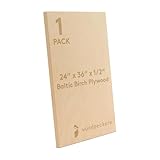
You’ve seen those adorable DIY rabbit hutches online, all sleek lines and what looks like solid wood. And then the thought creeps in: can bunnies eat plywood? It’s a question I wrestled with myself when I first started rabbit-proofing and building custom enclosures. I’d seen rabbits chew through cardboard like it was tissue paper, so the idea of them tackling something as sturdy as plywood seemed… well, potentially problematic. But is it a flat-out no, or is there a nuance to it? Let’s get real about whether plywood is a safe bet for your furry friends.
The Chew Factor: Why Plywood Is a Big No-No
Look, I’m all for creative and budget-friendly solutions when it comes to housing our rabbits. I’ve spent my fair share of weekends wrestling with lumber and trying to build something that’s both safe and aesthetically pleasing.
But when it comes to plywood and bunnies, the answer is pretty much a resounding no, and here’s why it’s not just my opinion, but a pretty solid fact. Plywood is made by gluing together thin layers of wood veneer.
That glue, my friends, is the primary culprit. Depending on the type of plywood, these glues can contain a cocktail of chemicals – formaldehyde being a big one – that are definitely not meant for a rabbit’s digestive system. Think about it: these glues are industrial-strength. They’re designed to hold layers together under stress, not to be ingested.
Even if the plywood is labeled as ‘low VOC’ or ‘formaldehyde-free,’ there’s still an inherent risk. Rabbits have incredibly sensitive digestive tracts. They’re herbivores designed to process fibrous plant material, not synthetic adhesives and processed wood.
If a rabbit ingests enough of these chemicals, it can lead to a range of health issues, from gastrointestinal upset to more serious toxic reactions. I once saw a friend’s bunny get a really upset stomach after chewing on a piece of unfinished particle board from a cheap shelf unit.
It wasn’t plywood, but the principle is the same – the binders and glues are the danger. The rabbit was lethargic for a couple of days, thankfully bouncing back after a vet visit and a change in diet, but it was a stark reminder of how careful we need to be.
Beyond the glues, the physical structure of plywood can also be an issue. While it’s a strong material, the edges can splinter. Rabbits have delicate mouths and tongues. Ingesting splinters could cause internal injuries, which is something you absolutely want to avoid.
It’s not like a rabbit is going to sit down and meticulously plan an escape by gnawing through an entire sheet of plywood, but even small amounts ingested over time can add up to big problems. The common advice you might see online about using untreated wood is a good starting point, but it doesn’t always extend to engineered woods like plywood or particle board because of those hidden adhesives. So, when you’re assessing materials for your rabbit’s habitat, always err on the side of caution.
If it’s something you wouldn’t feel comfortable eating yourself (minus the wood grain!), it’s probably not safe for your bun.
What Rabbits Actually Need to Chew
Okay, so if plywood is out, what should your bunny be chewing on? This is where things get fun, and frankly, much safer and more enriching for your pet. Rabbits have a natural instinct to chew, and this isn’t just to destroy your furniture. Their teeth grow continuously throughout their lives, and chewing is their way of keeping them trimmed and healthy.
If their teeth get too long, it can lead to all sorts of painful problems, including difficulty eating, abscesses, and even requiring veterinary intervention. So, providing safe chew toys and materials isn’t just about preventing destruction; it’s about key rabbit healthcare. My go-to is always natural, untreated wood. Think apple branches, willow, or aspen.
These are safe for them to gnaw on, and they offer that satisfying texture and resistance. You can often find these at pet stores or even forage for them yourself if you know what you’re looking for and are certain they haven’t been treated with pesticides. Just make sure to clean and dry them thoroughly before giving them to your rabbit. Other fantastic options include hay-based toys, cardboard tubes (make sure they’re plain, unprinted cardboard with no tape or staples), and woven grass mats. (See Also: Can A 4x8 Plywood Fit In A Honda Pilot )
These provide variety and mental stimulation. I once bought this ridiculously expensive woven seagrass tunnel, and my rabbit ignored it for a week.
Then, one day, he decided it was the best thing ever and spent hours ‘redecorating’ it by pulling out strands. It was a lesson in rabbit whimsy – sometimes they surprise you with what they latch onto. The key is offering a variety of textures and materials so they can satisfy their chewing needs without risking their health. This also helps prevent boredom, which can lead to behavioral issues.
A bored bunny is often a destructive bunny, and a bunny with an upset tummy is a sad bunny.
When you’re selecting wood, always look for untreated, kiln-dried options. Avoid softwoods like pine and cedar, especially if they are fragrant, as the oils can be irritating to a rabbit’s respiratory system. Hardwoods like apple, maple, and aspen are generally safer bets.
I’ve had luck with plain cardboard boxes too. Just rip off any tape or labels. My buns love shredding them and hiding inside. It’s cheap entertainment for them and me.
The goal is to provide safe outlets for their natural behaviors. If you’re building something, using solid, untreated wood planks is the way to go.
Forgive the occasional splinter; that’s natural. But avoid the engineered stuff that’s held together with mystery glues. Your rabbit’s gut will thank you.
Think of it this way: would you eat a piece of furniture? Probably not. So why would you let your rabbit?
A Tale of Two Enclosures: Plywood vs. Solid Wood
When I was first setting up a larger outdoor run for my buns, I was on a tight budget. I found some leftover plywood sheets from a friend’s renovation project, and for a fleeting moment, I thought, “Score!
Free building materials!” I pictured a sturdy, multi-level structure. But then I remembered the glue.
I did some digging, and the more I read about the potential hazards of formaldehyde and other adhesives in plywood, even the supposedly ‘safer’ versions, the more my stomach churned. I pictured my rabbits, Bartholomew and Penelope, happily chewing away on what I thought was a clever, cost-saving solution, only to end up with digestive distress.
That’s when I decided to pivot. Instead of plywood, I ended up buying a few lengths of untreated pine boards and some basic hardware. (See Also: Can Bondo Be Applied To Plywood )
It cost me about $75 all said and done, which felt like a lot at the time, but seeing them happily munching on safe wood and exploring their new space without any health worries was worth every penny. I’ve since learned that while plywood might be okay in very specific, sealed circumstances, it’s just not worth the gamble when there are so many unequivocally safe alternatives.
The common advice to avoid treated wood is a good starting point, but it’s the glues in engineered products like plywood and particle board that are the real showstoppers for rabbit safety. They’re not designed for consumption.
My own experience taught me that cutting corners on materials for their living space can lead to much bigger, more expensive problems down the line, usually involving a vet bill. It’s just not a risk I’m willing to take anymore.
Here’s a quick comparison of how I’d stack up plywood against solid, untreated wood for rabbit housing:
| Feature | Plywood (Untreated/Sealed) | Solid, Untreated Wood (e.g., Pine, Aspen) | My Verdict |
|---|---|---|---|
| Chewability/Safety | High risk due to glues and potential splinters. Even sealed, ingestion is a concern. | Safe for chewing; provides natural wear for teeth. Minimal splintering risk with hardwoods. | Solid wood is the clear winner. No question. |
| Durability | Can be durable if sealed and kept dry. Susceptible to moisture damage. | Durable, especially hardwoods. Can be chewed down but is generally solid. | Both can be durable, but solid wood’s safety makes it superior. |
| Cost | Can be cheaper if salvaged, but new can be comparable. | Moderately priced, widely available. | Plywood might seem cheaper initially, but the potential vet costs make solid wood a better investment. |
| Ease of Use | Easy to cut and assemble. | Easy to cut and assemble. | Both are easy to work with. |
| Overall Safety for Rabbits | Significant risk due to potential chemical ingestion. | High safety when untreated and appropriate types are chosen. | Solid, untreated wood wins, hands down. Plywood is a gamble. |
Common Mistakes When Building for Rabbits
It’s easy to fall into a few traps when you’re trying to create the perfect living space for your bunny. One of the biggest mistakes, as we’ve discussed, is using the wrong materials. People see plywood or particle board and think it’s a sturdy, cost-effective option for building hutches or play areas.
But the glues and chemicals in these materials are a serious health hazard. Rabbits are not like dogs or cats; they’re more sensitive to toxins and have a digestive system that can be easily thrown off balance. Another common error is not providing enough ventilation. Rabbits need good airflow to prevent respiratory issues and to keep their living area dry.
Cramped, poorly ventilated spaces can lead to ammonia buildup from urine, which is harmful. I remember visiting a friend’s setup where their rabbit was in a corner of a garage, with a makeshift enclosure that was basically a cardboard box with a few holes poked in it. The smell was… potent. The poor bunny was clearly stressed and had a runny nose.
That was a wake-up call for me to always prioritize airflow and cleanliness. I learned to use wire mesh (with openings small enough to prevent injury) for ventilation panels and to make sure the entire enclosure was easy to clean. Something I also see people do is underestimate how much space a rabbit truly needs. They might get a small cage from a pet store and think, “That’s plenty.” But rabbits are active animals.
They need room to hop, run, stretch out, and explore. A tiny cage is like keeping a human in a closet.
It leads to boredom, stress, and behavioral problems. My current setup for my two buns is a large custom-built enclosure that’s about 8 feet long by 4 feet wide, with an attached exercise pen for when they’re feeling extra zoomy. It took some upfront investment, but it’s made a world of difference in their happiness and activity levels. Finally, people often forget about escape-proofing.
Rabbits are surprisingly strong and resourceful. If there’s a gap, they’ll find it. Make sure all connections are secure, no sharp edges are exposed, and that the enclosure is tall enough to prevent jumps.
I once had a rabbit figure out how to unlatch a poorly secured gate. Took me an hour to find him hiding under the sofa, looking incredibly pleased with himself. (See Also: Can Cat Plywood Be Used For Exterior Siding )
The Legal and Practical Side of Rabbit Housing
When we talk about building or buying housing for rabbits, it’s not just about aesthetics or even just about safety; there are practical and, in some cases, regulatory considerations. While there isn’t a single, overarching ‘law’ that dictates every aspect of rabbit housing in every region, there are animal welfare standards and recommendations that are widely accepted and often enforced by animal control or rescue organizations. Organizations like the RSPCA (in the UK) or the House Rabbit Society (globally) provide guidelines that are basically the benchmark for good rabbit care. These aren’t necessarily legal mandates in every single town, but they are the standards that responsible pet owners and professionals adhere to.
They emphasize adequate space, proper ventilation, safe materials, and opportunities for exercise and enrichment. If you’re building an enclosure, especially an outdoor one, you might also run into local zoning laws or homeowner association rules about structures on your property. It’s always wise to check these before you invest a lot of time and money. Beyond the official guidelines, there’s the practical reality of cleaning and maintenance.
A hutch or enclosure made of plywood, even if sealed, can be a nightmare to clean thoroughly. Moisture gets into the seams, and the porous surface can harbor bacteria and odors. This is why solid, smooth surfaces that can be easily wiped down are so much more practical.
I learned this the hard way when I had a setup that was difficult to access for cleaning, and it became a breeding ground for all sorts of unpleasantness. Investing in materials that are easy to sanitize, like plastic trays for the floor or sealed solid wood, will save you a lot of headaches and improve your rabbit’s health. The upfront cost of better materials is almost always offset by reduced cleaning time, fewer health issues for your rabbit, and a longer lifespan for the enclosure itself. So, while the question can bunnies eat plywood has a clear ‘no’ answer due to safety, the practicalities of building and maintaining their home also point away from it.
You’re building a home, not a disposable toy, and it needs to be built with longevity, health, and ease of care in mind.
Faq: Your Burning Questions About Rabbit Diet and Materials
Can Bunnies Eat Plywood?
No, bunnies should not eat plywood. The glues and chemicals used in plywood manufacturing can be toxic to rabbits, leading to serious digestive and health problems. Even ‘untreated’ or ‘sealed’ plywood carries a risk due to the inherent nature of its construction with adhesives.
Is Untreated Wood Safe for Rabbits to Chew?
Yes, untreated wood from safe tree species like apple, aspen, or willow is generally safe and beneficial for rabbits to chew. It helps keep their teeth trimmed and provides enrichment. Always make sure the wood is clean and free from pesticides or harmful resins.
What Kind of Wood Should I Avoid for Rabbits?
You should avoid treated wood, and softwoods like pine and cedar if they are highly fragrant, as their oils can be irritating to a rabbit’s respiratory system. Engineered woods like plywood and particle board are also a no-go due to the glues they contain.
Can Rabbits Eat Cardboard?
Plain, unprinted cardboard without tape or staples is generally safe for rabbits to chew and play with. It’s a good source of fiber and provides enrichment. Avoid glossy or heavily printed cardboard, as the inks might be harmful.
What Are the Dangers of Plywood for Rabbits?
The primary dangers of plywood for rabbits are the chemicals and adhesives used in its construction, such as formaldehyde. Ingesting these can cause gastrointestinal distress, poisoning, and other severe health issues. The potential for splinters also poses a risk of internal injury.
Final Verdict
So, to put it plainly, when you’re asking can bunnies eat plywood, the answer is a hard pass. It’s just not worth the gamble with your rabbit’s health. Stick to safe, natural materials for their housing and chew toys.
There are so many fantastic and safe options out there that will keep your bunny happy, healthy, and entertained. Don’t let the allure of a cheap or easy build lead you down a path that could end with a sick pet and a hefty vet bill.
Next time you’re thinking about building or buying something for your rabbit, ask yourself: would I feel good if they ate a piece of this? If the answer is no, then don’t use it.