I remember staring at my empty truck bed, a cavernous space just begging for organization. My buddies were all talking about fancy aluminum systems, costing more than my last bike. I thought, ‘Can 3/4 plywood be used for heavy truck bed drawers?’ I figured I could slap something together myself, save a pile of cash, and get it done. Turns out, it’s not quite as straightforward as just screwing two boards together, but it’s definitely doable if you know what you’re doing. This isn’t about fancy gadgets; it’s about practical solutions for gear you need out there.
You want to keep your tools, recovery gear, camping stuff, or whatever else you haul from bouncing around like a pinball. A well-built drawer system is the ticket. But does that mean you need aerospace-grade materials? Nah. Let’s talk about what actually works and what’s just a waste of your time and money.
Will 3/4 Plywood Hold Up in a Truck Bed?
Look, when you’re talking about something as rough-and-tumble as a truck bed, you need materials that can take a beating. I’ve seen guys try to cut corners with thin stuff, and it never ends well. First storm rolls in, or a few heavy boxes get tossed in, and suddenly you’ve got a sagging mess. The question then becomes, can 3/4 plywood be used for heavy truck bed drawers? My honest answer is yes, but with serious caveats. It’s not about just grabbing the cheapest sheet from the lumber yard and calling it a day. We’re talking about using the right kind of 3/4 plywood, and more importantly, how you build with it.
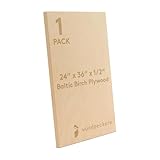
The key here is understanding what ‘3/4 plywood’ actually means. You’ve got your basic construction grade stuff, which is fine for framing a shed but will warp and delaminate faster than you can say ‘moisture damage.’ Then you’ve got higher grades like birch or hardwood plywood, which are denser, stronger, and resist moisture better. For truck bed drawers, you absolutely want to lean towards the better stuff. I once built a set of drawers for my old F-150 using basic OSB (Oriented Strand Board) because it was cheap.
Big mistake. After a couple of rainy camping trips, the edges started to swell, and the whole thing felt spongy.
I ended up redoing it with marine-grade plywood, which cost more upfront but saved me a massive headache and a lot of frustration later.
Think about the environment your drawers will live in. They’re exposed to temperature swings, potential splashes of water, dust, and the general jarring of driving off-road or even just over bumpy roads. Basic construction plywood has voids inside, which are weak spots. When moisture gets in those voids, it expands, and you get delamination – the layers start to peel apart.
That’s why even with the good stuff, you have to seal it properly. I’ve found that a few coats of exterior-grade polyurethane or even epoxy resin can make a world of difference. It creates a barrier that keeps water out and adds a surprising amount of rigidity to the wood.
For heavy truck bed drawers, this protection isn’t optional; it’s mandatory.
Another thing to consider is the weight capacity. While 3/4 plywood is strong, it’s not invincible. If you plan on storing incredibly heavy items, like a full set of power tools or a chest full of lead weights (why you’d do that, I don’t know), you might still run into issues with sagging over time, especially on longer spans. The design of your drawer system is just as important as the material.
Proper bracing, using hardwood for the drawer box edges, and making sure your slides are rated for the load are all important components. Don’t just assume the plywood will do all the heavy lifting. It’s part of a system, and every part needs to be up to the task.
Designing for Durability: Beyond Just the Plywood
So, you’ve decided 3/4 plywood is your material of choice for your truck bed drawers. Great. Now, let’s not mess this up by being lazy with the design. This is where a lot of DIY projects go sideways. I’ve seen drawers that look okay from ten feet away but are wobbly messes up close because the builder just slapped panels together without thinking about structural integrity. When people ask me if 3/4 plywood can be used for heavy truck bed drawers, I always preface it with: ‘Yes, if you build it right.’
My first attempt at truck bed drawers used cheap drawer slides I found on sale. They were rated for maybe 50 pounds, and I was trying to slide drawers loaded with tools that probably tipped the scales at 75.
Within a month, one of the slides had bent itself into a pretzel, and the drawer wouldn’t close properly. It was a frustrating mess. Lesson learned: invest in good quality drawer slides. (See Also: Can A 4x8 Plywood Fit In A Honda Pilot )
For heavy-duty applications, you want heavy-duty slides. Look for ones specifically rated for industrial use or high weight capacities – 100 pounds minimum, and ideally 150-200 pounds for bigger drawers.
These are usually ball-bearing slides, and they’re worth every extra dollar. They’ll feel smooth, and they won’t buckle under pressure.
Another design consideration is the drawer box itself. Just using butt joints with screws might seem easy, but it’s not the strongest method. For drawers that will experience a lot of vibration and weight, I always opt for rabbet joints or dado joints. These create a much stronger connection because they interlock the pieces of wood.
If you’re not a seasoned woodworker, don’t sweat it too much. Even reinforced butt joints with good wood glue and plenty of screws, coupled with corner braces, can make a big difference. The goal is to make the drawer box act as a single, rigid unit.
Think of it like building a small piece of furniture; you want it to feel solid, not like it’s going to fall apart when you open it.
Weight distribution is also key. If you have one massive drawer that’s going to hold all your gear, it’s going to put a lot of stress on the slides and the structure. Breaking down your storage into multiple smaller drawers can distribute the load more effectively. Plus, it makes it easier to find what you’re looking for without having to pull out a whole drawer full of junk. I’ve found that a combination of one or two deeper drawers for larger items and several shallower drawers for smaller tools and accessories works best. This also allows you to use different sizes of drawer slides, potentially saving some cost if the shallower drawers don’t need the absolute heaviest-duty ones.
Here’s a little table to help you think about slide selection:
| Drawer Size/Load Expectation | Recommended Slide Type | My Verdict |
|---|---|---|
| Light Duty (Camping Gear, Clothes) | Standard Ball-Bearing (50-75 lbs) | Okay for light loads, but I’d still go a step up if possible. |
| Medium Duty (Tools, Recovery Gear) | Heavy-Duty Ball-Bearing (100-150 lbs) | This is the sweet spot for most truck bed drawers. |
| Heavy Duty (Full Toolboxes, Anchors) | Industrial/Heavy-Duty Ball-Bearing (150-250+ lbs) | Necessary if you’re packing serious weight. Don’t skimp here. |
When in doubt, always over-spec your slides. It’s a common mistake to skimp here, and it’s one of the first things to fail on a DIY drawer system.
Sealing and Finishing: Making Plywood Road-Ready
Alright, you’ve got your 3/4 plywood, and you’ve got a design in mind. Now, the part a lot of people skip because they’re impatient: sealing and finishing. This is a must if you want your drawers to last longer than a single season in the elements. Seriously. If you’re building truck bed drawers, you’re building something that’s going to live in a harsh environment. Can 3/4 plywood be used for heavy truck bed drawers? Yes, but not without proper protection.
I learned this the hard way with a set of lumber I used for some outdoor garden beds. I thought a single coat of basic exterior paint would be enough. Big mistake. The wood soaked up moisture like a sponge, started to rot in places, and generally looked like heck within a year. My truck bed drawers would face even worse conditions – constant temperature changes, potential water splashes from rain or car washes, and humidity. So, I vowed never to skimp on the finish again. For plywood, especially the kind that isn’t specifically marine-grade, you need a good sealant.
My go-to is a good quality exterior-grade polyurethane. I usually apply at least three coats, sanding lightly between coats with a fine-grit sandpaper (like 220 grit). This not only smooths out the finish but also helps the next coat adhere better.
For even better protection, especially if you’re expecting frequent water exposure, you can use an epoxy resin. Two-part epoxy finishes create a super hard, waterproof shell. It’s a bit more work, and it can be more expensive, but the durability is outstanding.
I’ve used epoxy on countertops and boat parts, and it makes wood virtually impervious to water damage. For the edges and end grain of the plywood, which absorb moisture the most, I’ll often apply an extra coat or two, or even soak them a bit with sealant before the main application. (See Also: Can Bondo Be Applied To Plywood )
Don’t forget about the underside of the drawers and the interior surfaces. Moisture can wick up from the truck bed floor, and condensation can form on the inside. Painting or sealing every surface, including the edges of all the cut pieces before assembly, is the best way to go. Some people even line the bottom of their truck bed with a rubber mat or a spray-on bed liner before installing drawers. This provides an extra layer of protection against moisture and can also help prevent the drawers themselves from sliding around.
When selecting your sealant, look for products that are specifically designed for exterior use and offer UV protection. The sun can also degrade wood and finishes over time, leading to cracking and peeling. A good quality spar urethane or a marine varnish will offer excellent protection against both water and sunlight.
I’ve found that clear finishes often show off the wood grain better, which can look nice, but colored exterior paints can sometimes offer even better UV protection. It really depends on the look you’re going for and how much effort you want to put into maintenance. For my own truck, I opted for a dark stain followed by several coats of a tough exterior polyurethane, which has held up remarkably well.
Assembly Tips and Tricks for Sturdy Drawers
You’re ready to build. You’ve got your 3/4 plywood, you’ve planned your design, and you’ve got your sealant drying. Now comes the actual assembly. This is where many DIYers get sloppy, and it’s a shame because a little extra care here can make the difference between drawers that last a decade and drawers that start rattling apart after a year. The question remains: can 3/4 plywood be used for heavy truck bed drawers? With the right assembly, absolutely.
First off, measure twice, cut once. It sounds cliché, but it’s the golden rule for a reason. Make sure your cuts are straight and square. Even a slight deviation can cause problems down the line, especially when you’re fitting drawers into tight spaces or aligning drawer slides. A good circular saw with a sharp blade, or even better, a table saw if you have access to one, will make a huge difference in the precision of your cuts. For plywood, using a fine-tooth blade designed for hardwoods will give you cleaner edges and reduce tear-out.
When it comes to joining pieces, wood glue is your best friend. Always apply a good quality wood glue to all mating surfaces before screwing or nailing.
Wipe away any excess glue that squeezes out with a damp cloth before it dries. Once the glue is applied, use appropriate fasteners. For 3/4 plywood, 1 1/4-inch or 1 1/2-inch wood screws are usually sufficient for most joints. Predrilling pilot holes, especially near the edges, will prevent the plywood from splitting.
If you’re using pocket hole joinery, which is a fantastic way to get strong, hidden joints, make sure to use the correct length screws for 3/4-inch material. I personally love using pocket holes for drawer boxes; it’s fast and creates incredibly strong joints.
One of the most common mistakes I see is not properly reinforcing the drawer bottoms. Many people just screw the bottom panel to the edges of the drawer sides. This can lead to sagging over time, especially if the bottom panel is thinner than 3/4 inch (though for heavy truck bed drawers, I’d stick with 3/4 for the whole box, including the bottom).
A much stronger method is to cut a dado groove into the sides and front/back panels of the drawer box, and then slide the bottom panel into those grooves. Then, secure it with glue and screws. This creates a much more solid structure. If cutting dadoes is beyond your skill set, you can at least add strips of wood (cleats) along the inside bottom edges of the drawer box for the bottom panel to rest on and be screwed into.
When installing drawer slides, precision is most important. Most slides come with detailed instructions, so follow them closely. Make sure the slides are perfectly level and parallel. Even a slight misalignment can cause the drawer to bind or stick. I like to use a combination square and a level to get mine perfectly aligned. For mounting the slides to the truck bed structure, use strong fasteners that are appropriate for the material you’re screwing into. Often, you’ll be screwing into the plywood structure you’ve built, or potentially directly into the truck bed’s metal frame if you’ve designed it to do so. Make sure whatever you’re screwing into is solid enough to handle the forces involved.
Finally, consider adding a handle or a pull on each drawer. While you could just dig your fingers under the edge, a proper handle makes operation much easier, especially with gloves on or when your hands are dirty. It also adds a finished look. You can find all sorts of heavy-duty handles that will complement the rugged nature of your drawers.
Real-World Use and Common Pitfalls
Let’s talk about what happens when these drawers actually hit the road. You’ve put in the work, they look pretty good, and you load them up. This is where you find out if your can 3/4 plywood be used for heavy truck bed drawers plan was solid or just a pipe dream. I’ve been there, and it’s not always the perfect fairytale ending you imagine. The real world is tough on gear. (See Also: Can Cat Plywood Be Used For Exterior Siding )
One of the biggest pitfalls I’ve encountered is not accounting for the flexing of the truck bed itself. When you drive, especially on rough terrain or when the truck is heavily loaded, the bed will flex. If your drawer system is rigidly mounted to the bed rails or floor without any allowance for this movement, the stress can crack your plywood, warp your drawer slides, or even damage the truck bed itself. I learned this the hard way when a particularly jarring off-road trip caused the corners of my first drawer build to literally split. I had bolted the frame directly to the bed floor without any sort of flexible mounting hardware.
My solution for subsequent builds was to create a sub-frame or mounting system that allowed for a small amount of flex. This might involve using rubber isolators or simply designing the mounting points so that they don’t create a rigid box structure that’s fighting the truck’s natural movement. It’s a bit of advanced thinking, but it can save your drawers from premature destruction. You want the drawers to be secure, but not so rigidly attached that they become a weak point when the truck bed twists.
Another common mistake is underestimating the dust and debris that will inevitably find its way into your truck bed, and subsequently, your drawers. Even the best-sealed drawers aren’t perfectly airtight. Dust can work its way in around the edges and the slides. This can gum up the slides over time, making them harder to operate.
While you can’t completely prevent dust, you can mitigate it. Using a good quality seal around the drawer fronts and making sure the drawer box fits snugly within the frame can help. Also, regular cleaning and a bit of lubricant on the slides can keep them running smoothly.
I’ve found that a can of compressed air is surprisingly useful for blowing out dust from tight spots on the slides.
Weight is also something that people often get wrong. They design a drawer for ‘tools’ but don’t calculate the actual weight. A full set of mechanics’ tools can easily weigh 100-200 pounds or more. If you have two large drawers packed with tools, and you’re using slides rated for 100 pounds, you’re already pushing it. Remember the weight capacity is for each slide, and often the rating assumes even weight distribution. Overloading your slides is a sure-fire way to have them fail, often spectacularly. It’s why I always recommend going with the heavy-duty slides, even if it feels like overkill initially. It’s cheaper than replacing failed components or dealing with a jammed drawer when you need your gear.
Finally, consider access. Are your drawers going to be easily accessible when you need them? If they’re too deep, you might be digging around for things. If they’re too shallow, you can’t fit your essentials. People often forget how bulky some recovery gear, like a shovel or an axe, can be. Planning the dimensions based on what you actually carry is important. It’s easy to get carried away with the build and forget the primary purpose: convenient, organized storage for your specific needs.
Faq: Your Questions Answered
Can 3/4 Plywood Drawers Hold Tools?
Yes, 3/4 plywood drawers can absolutely hold tools, but the design and construction are key. You need to use high-quality, heavy-duty drawer slides rated for the weight of your tools, often 100-200 pounds per pair. Reinforce the drawer boxes with strong joinery (like dadoes or rabbets), use wood glue liberally, and make sure the drawer bottoms are well-supported to prevent sagging. Proper sealing of the plywood is also important to protect against moisture and dust.
Is 3/4 Inch Plywood Strong Enough for a Truck Bed?
For the structure of truck bed drawers, 3/4 inch plywood is generally strong enough, provided it’s a decent grade of plywood and properly supported within the drawer system. However, it’s not just about the thickness; the type of plywood matters. Hardwood plywood or marine-grade plywood will offer superior strength and moisture resistance compared to basic construction-grade plywood. Remember that the load is distributed across the entire drawer system, including the slides and the frame, not just the plywood itself.
What Kind of Plywood Is Best for Truck Bed Drawers?
The best kind of plywood for truck bed drawers would be marine-grade plywood or a high-quality hardwood plywood (like birch). These types are denser, have fewer internal voids, and are treated to resist moisture and delamination better than standard construction plywood. If those are too expensive or unavailable, a good quality cabinet-grade plywood is a decent compromise. Always aim for exterior-rated plywood and be prepared to seal it thoroughly regardless of the type.
How Do You Seal Plywood for a Truck Bed?
To seal plywood for a truck bed, apply multiple coats of a durable, exterior-grade sealant. Options include high-quality exterior polyurethane, spar urethane, marine varnish, or a two-part epoxy resin for maximum waterproofing. Sand lightly between coats for a smoother, more durable finish. Pay extra attention to sealing the edges and end grain, as these areas absorb moisture most readily. Make sure all surfaces, inside and out, are coated for complete protection against water, UV rays, and general wear and tear.
Final Thoughts
So, to cut to the chase: can 3/4 plywood be used for heavy truck bed drawers? Yes, it absolutely can, but don’t be an idiot about it. You’re not just slapping some wood together. You need the right kind of plywood, a smart design, killer hardware, and the patience to seal it properly. If you do it right, you’ll have a rugged, functional storage system that will serve you well for years, all while saving you a considerable chunk of change compared to the fancy aluminum setups.
My advice is to plan meticulously. Think about what you’ll store, how much it weighs, and how you’ll access it. Don’t skimp on the drawer slides – they’re the heart of the operation. And for Pete’s sake, seal that plywood like it’s going to live underwater. It’s the difference between a project you’re proud of and a pile of soggy particle board.
If you’re on the fence, maybe start with a smaller, less important project to get a feel for the materials and techniques. But for a truck bed drawer system, investing the time and a bit of extra cash into quality components and good finishing practices will pay off big time. Happy building.