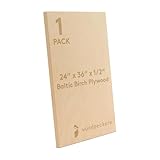
I remember staring up at a perfectly good, albeit slightly dated, plywood ceiling in my garage. I had this grand vision of transforming it into something, well, less like raw plywood. My mind immediately went to that classic bumpy popcorn texture. You know, the stuff that used to be everywhere in the 70s and 80s. The big question that bounced around in my head was: can ceiling texture popcorn be spray on raw plywood? It seemed like a shortcut, a way to get that textured look without all the fuss of drywall or patching. But like a lot of shortcuts, I had a nagging feeling there might be a catch.
It’s a question that pops up when you’re staring at unfinished wood and craving a different aesthetic. We’ve all been there, staring at bare surfaces and wondering if the spray can holds the magic wand. So, let’s get down to brass tacks about whether this particular DIY dream is actually achievable.
Is Spray Popcorn Texture Even Meant for Raw Wood?
Alright, let’s cut to the chase. The short answer to ‘can ceiling texture popcorn be spray on raw plywood?’ is technically, yes, you can.
But just because you can doesn’t mean you should, or that it’s going to give you a result you’ll be happy with in the long run. Think of it like wearing flip-flops to a blizzard – possible, but not the smartest choice. The stuff is designed primarily for finished drywall or sometimes plaster.
Its whole gig is to create a uniform, textured surface that hides minor imperfections and adds a bit of acoustic dampening. Plywood, on the other hand, is… well, it’s wood. It has grain, it has seams where sheets meet, and it can expand and contract with temperature and humidity changes.
When you spray that popcorn texture onto raw plywood, you’re basically applying a water-based compound. Wood and water aren’t always the best pals. Moisture can seep into the plywood, potentially causing it to swell or warp. And if you’re thinking of doing this in a high-moisture area like a bathroom (please, for the love of all that is holy, don’t), you’re just asking for trouble. Mold and mildew love damp wood. Plus, the plywood’s natural expansion and contraction can crack the texture later on. It’s like putting a fancy wallpaper on a damp sponge; it’s not going to hold up.
I learned this the hard way when I was attempting to ‘update’ an old shed’s interior. I had a half-used can of spray texture and some spare plywood sheets. I figured, ‘What’s the harm?’ Turns out, plenty. Within a few months, the texture started to peel in spots, especially where the plywood edges met. It looked messy and unfinished, exactly the opposite of what I was going for. The texture itself also clung inconsistently to the wood grain, giving it a splotchy appearance that no amount of fiddling could fix. It was a real mess, and a wasted can of spray.
The intended surface for these products is typically a pre-primed and painted drywall or plaster surface. This provides a stable, non-porous (or at least less porous) substrate that the texture can adhere to and cure on evenly. Raw plywood is porous and can be uneven. The binders in the spray texture might not bond properly to the wood fibers, leading to adhesion issues. Furthermore, the solvents or carriers in the spray can potentially react with the wood’s natural resins, causing discoloration or further adhesion problems. So, while you can physically get the spray to stick, the longevity and aesthetic are highly questionable.
The Nitty-Gritty: How Popcorn Texture Works (and Why Plywood Is a Problem)
Let’s get into the nitty-gritty of how this stuff actually works, so you understand why raw plywood is such a curveball. Popcorn ceiling texture, often called overspray texture or acoustic spray, is typically a water-based acrylic or vinyl compound mixed with lightweight fillers like polystyrene or paper fibers. When you shake the can and spray, you’re not just spraying a smooth coating; you’re spraying tiny little particles suspended in a binder. These particles create the characteristic bumpy, ‘popcorn’ effect. The binder then dries, holding those particles in place and forming a cohesive, textured layer.
The magic, if you can call it that, happens during the drying process. The water evaporates, leaving the binder and the filler particles behind. For this to work effectively, you need a surface that’s relatively stable and non-absorbent. Drywall, once taped, mudded, sanded, and primed, provides a pretty solid canvas. It’s a consistent surface that can handle the moisture without significant reaction. Plywood, however, is made of thin layers of wood veneer glued together. The glue lines and the natural wood grain mean that the surface isn’t uniform. Some areas will absorb the water from the spray faster than others. This uneven absorption can lead to inconsistent texture application and poor adhesion. (See Also: Can A 4x8 Plywood Fit In A Honda Pilot )
Think about trying to spray paint a damp towel versus a dry canvas. The paint might soak into the towel unevenly, and you’ll get streaks and splotches. The dry canvas will accept the paint evenly, allowing for a smooth, consistent finish. Popcorn texture is similar. The water in the spray can soak into the plywood, especially along the grain or at the glue lines, creating areas where the texture might not stick as well or might dry differently.
Another factor is the ‘blowing’ agent in some spray textures, which helps create the loft and texture. This can interact with certain wood types or finishes in unpredictable ways. While many modern formulas are pretty inert, you’re still introducing a wet, chemical compound to a raw organic material. The pressure from the spray can also be an issue. If the plywood isn’t perfectly flat or rigidly supported, the blast of the spray can actually cause it to flex, leading to more inconsistency or even minor damage. The ideal scenario for popcorn texture is a solid, rigid, pre-primed surface that won’t absorb moisture unevenly or warp under pressure.
A common mistake people make is assuming that because it’s a spray can, it’s a universal solution for any surface. This is where the marketing often oversimplifies things. While the can might say ‘for walls and ceilings,’ it generally implies standard interior wall surfaces, not raw, unfinished wood that has its own set of inherent properties and challenges.
Can You Prep Raw Plywood for Popcorn Texture? (the ‘maybe’ Section)
So, if you’re still set on the idea of putting popcorn texture on raw plywood, or if you’re finding yourself in a situation where it seems like the only option (though I’d strongly advise against it), can you at least prep the plywood to make it work? The answer is a heavily qualified ‘maybe,’ and it involves a lot more work than you probably want to do. This is where that idea of a shortcut goes out the window and you end up with a longer, more involved process than just buying drywall.
First and foremost, you absolutely must seal and prime the plywood. And not just with one coat. You’ll need a good quality oil-based primer or a shellac-based primer. These are designed to seal porous surfaces and block wood tannins, preventing them from bleeding through your finish. You’d want to apply at least two, possibly three, coats, sanding lightly between each coat to make sure a smooth, uniform surface. This step is a must if you want any hope of decent adhesion. The goal here is to create a barrier between the wood and the spray texture.
After priming, you’d then want to apply a coat of a good quality interior latex paint. This acts as a secondary barrier and provides a consistent surface for the texture to grip. Again, two coats are better than one. The idea is to create a surface that is as close to a painted drywall surface as possible. This might sound like a lot of work, but remember, we’re trying to make a fundamentally unsuitable material work for a product designed for something else entirely.
You also need to consider the structural integrity of the plywood. If it’s thin or flimsy, the weight of the dried texture might cause it to sag. You might need to add extra bracing or support underneath. And for the love of all that is good, make sure the plywood sheets are perfectly flat and securely fastened. Any gaps or unevenness will be highlighted by the texture and will look terrible. If you’re working with sheets that have visible seams, you’ll want to treat those seams with joint compound and tape, just like you would with drywall, before priming and painting. This makes sure a continuous surface.
The whole point of using spray popcorn texture is usually to save time and effort. If you have to go through all these prep steps—sealing, priming, painting, potentially reinforcing, and mudding seams—you’ve basically turned a quick spray job into a project that’s more labor-intensive than installing actual drywall. It defeats the purpose. I’ve seen people try to skip the priming step, and within a year, the wood grain was showing through, the texture was peeling, and it just looked like a DIY disaster. Don’t be that person.
Real-World Use Cases and Why It Usually Fails
So, where do you actually see popcorn texture being used, and why does applying it to raw plywood usually end in tears (or at least a patchy ceiling)? Primarily, this texture was intended for residential ceilings. Its main selling points were hiding imperfections in drywall joints and providing a bit of sound absorption, which was a big deal in the era of echoey open-plan living. It was also relatively inexpensive to apply, especially compared to other ceiling finishes at the time. (See Also: Can Bondo Be Applied To Plywood )
The common mistake, as we’ve established, is trying to apply it to surfaces it wasn’t designed for. People see a can of spray texture, they have a surface, and they assume it’s a universal solution. This often happens in DIY garage renovations, shed projects, or sometimes in older homes where someone is trying to cover up questionable paneling or plaster. The immediate gratification of spraying something on is tempting. You get that bumpy look fast, and it seems like a good way to make an unfinished space look… finished. But the reality is that these DIY applications often fail because they don’t account for the underlying material’s properties.
I spoke with a contractor friend, Mark, who’s been doing this for over 20 years. He flat-out told me, ‘I’ve never, ever, recommended spraying popcorn texture on raw plywood. It’s a recipe for disaster. You’re asking for peeling, mold, and a surface that looks like it was decorated by a toddler. If someone insists on it, I explain the prep work, which usually scares them off. The few times they’ve gone ahead without proper prep, they’re calling me back six months later to fix it.’
The failure modes are consistent: peeling, cracking, discoloration, and inconsistent adhesion. Plywood is a living material; it moves. Spray texture is a brittle coating once dried. They just don’t play well together long-term. The moisture in the spray can be absorbed by the wood, causing it to swell, and then as it dries, it shrinks. This expansion and contraction put stress on the bond between the texture and the wood, leading to failure. Even with primer, the inherent instability of plywood compared to drywall makes it a poor substrate for this type of finish. You might get away with it in a perfectly climate-controlled, dry environment for a short period, but it’s a gamble.
Popcorn Texture on Plywood: An Opinion Verdict
| Scenario | Verdict | Reasoning |
|---|---|---|
| Spray on raw, unprimed plywood | Absolutely Not | Poor adhesion, warping, peeling, mold risk. Fails quickly. |
| Spray on primed and painted plywood | Risky, but Possible | Better adhesion if done perfectly, but still susceptible to wood movement. Requires significant prep. |
| Spray on finished drywall/plaster | Ideal | Designed for this surface. Provides good adhesion and durability. |
This table really sums it up. While you might get a temporary result by prepping the plywood to death, the fundamental issue of wood movement and its interaction with a water-based coating remains a significant risk. It’s a compromise that rarely pays off.
Common Mistakes and How to Avoid Them
Let’s talk about the mistakes people make when even thinking about spraying popcorn texture on raw plywood, because avoiding these will save you a lot of heartache and money. The biggest blunder, hands down, is not understanding the surface. Plywood is not drywall. It’s porous, it moves, and it reacts to moisture differently. Thinking you can just grab a can and go is the first mistake. You need to respect the material you’re working with.
Mistake number two is skipping the primer. As I’ve hammered home, primer is your friend. Specifically, an oil-based or shellac-based primer is needed to seal the wood and prevent bleeding. A cheap latex primer might not be enough to create a proper barrier. If you skip this, you’re practically guaranteeing the wood grain will show through eventually, or the texture won’t stick properly. I’ve seen it happen time and time again: people trying to save a buck on primer and ending up with a ceiling that looks terrible within a year.
Another common pitfall is not preparing the plywood surface itself. Are there gaps between the sheets? Is it dusty? Is it oily? All these things will affect adhesion. You need a clean, smooth, and stable surface. If you’re joining sheets of plywood, you need to treat those seams like you would with drywall. Use joint tape and compound to create a continuous, flat surface. Otherwise, you’ll have visible lines or cracks running through your popcorn texture. It looks amateurish, and frankly, it’s embarrassing.
Over-spraying or under-spraying is also a problem, but that’s more about technique. With raw plywood, the uneven absorption can make it hard to judge. You might spray too heavily in one area, causing runs, or too lightly in another, leaving bald spots. The key is to do a test spray on a scrap piece of the same plywood, prepared the same way you plan to prep your ceiling. See how the texture lays down, how it dries, and how it adheres after a few days. This test panel is your best friend.
Finally, and this is a big one for DIYers: expecting perfection from a shortcut. Spray popcorn texture is inherently a forgiving finish for drywall imperfections. It’s not designed to cover up the structural issues or material differences of raw wood. If your goal is a smooth, uniform, long-lasting finish, raw plywood is the wrong starting point for this particular texture. There are better materials and methods for achieving that goal on wood. (See Also: Can Cat Plywood Be Used For Exterior Siding )
The Faq: Your Burning Questions Answered
Can I Spray Popcorn Ceiling Texture on Unpainted Plywood?
No, you absolutely should not spray popcorn ceiling texture directly onto unpainted, raw plywood. Plywood is porous and can absorb moisture unevenly, leading to poor adhesion and potential warping. The texture is designed for stable surfaces like primed drywall or plaster.
Will Spray-on Popcorn Texture Stick to Plywood?
It might stick initially, but the bond will likely be weak and prone to failure over time. Plywood expands and contracts with changes in temperature and humidity, which will stress the texture’s bond. Without proper sealing and priming, the texture may peel, crack, or blister.
What Kind of Primer Do I Need for Plywood Before Applying Texture?
You need a high-quality, oil-based or shellac-based primer. These primers are specifically designed to seal porous wood surfaces, block wood tannins (which can bleed through and discolor the finish), and provide a stable base for subsequent layers of paint or texture. Apply at least two coats, sanding lightly between them.
Is Popcorn Texture Good for Garage Ceilings?
While it can be applied to garage ceilings, it’s generally not the best choice if the ceiling is made of raw plywood. If the garage ceiling is already finished drywall, then yes, popcorn texture can be applied. However, consider that popcorn texture can be difficult to clean, may trap dust and cobwebs, and can be challenging to remove later if you decide to change the look.
Can I Put Popcorn Texture on Wood Paneling?
Applying popcorn texture directly onto unprimed wood paneling is not recommended for the same reasons as raw plywood. The wood will absorb moisture, and the paneling’s seams and texture will likely show through or cause adhesion problems. Proper sealing, priming, and possibly even covering the paneling with a thin layer of drywall or a suitable primer-sealer system would be necessary for any chance of success.
Final Thoughts
So, to circle back to the big question: can ceiling texture popcorn be spray on raw plywood? The answer, in practical terms for a durable and attractive finish, is a resounding no. While you can technically make it stick with an insane amount of prep work—sealing, priming, painting until you’ve basically created a drywall-like surface—you’re fighting a losing battle against the nature of wood. It’s a shortcut that ends up being a long, winding, and expensive road.
My advice? If you want a textured ceiling on plywood, look at other options. Texture paint, wood stains, or even just a good quality paint job that embraces the wood grain might be far more rewarding. Or, bite the bullet and install actual drywall. It’s what these spray textures are designed for, and you’ll get a result that actually lasts and looks good without constant worry.
Ultimately, trying to force spray popcorn texture onto raw plywood is like trying to fit a square peg in a round hole. It’s messy, it’s frustrating, and the end result is usually disappointing. Save yourself the trouble and pick a project that plays to the strengths of your materials, not against them.