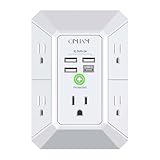
I remember the first time I packed for a trip to Canada, feeling smug and prepared. My phone charger, my laptop, my hair dryer – all tucked neatly into my carry-on. Then I landed, checked into my hotel, and went to plug in my phone. Nothing. The prongs looked identical, but my charger just wouldn’t seat properly. Cue the frantic search for a drugstore and the purchase of an overpriced adapter I didn’t even need, just a slightly different plug configuration. So, to answer the burning question right off the bat: are Canada power outlets the same as US? Mostly, but not exactly, and that’s where the trouble starts.
It’s a common misconception that the North American electrical system is one big happy family when it comes to plugs. While the voltage is the same, the physical outlet and plug aren’t always a perfect match. This isn’t a huge deal for most modern electronics with universal power bricks, but it can absolutely trip you up if you’re not paying attention.
The Devil Is in the Details: Plug Types Explained
Okay, let’s get down to brass tacks. When we talk about plugs and outlets, we’re usually talking about Type A and Type B. These are the flat-bladed plugs you see everywhere in North America. Type A has two flat parallel pins, and Type B adds a third, round grounding pin. The big question, are Canada power outlets the same as US, boils down to whether these countries exclusively use one or the other, or if there are variations.
The truth is, both Canada and the United States primarily use Type A and Type B plugs and receptacles. This is a massive convenience for travelers, as most devices designed for one country will physically fit into outlets in the other. For instance, my phone’s charging brick, with its two flat pins, is designed to work in both Canada and the US. The same goes for my laptop’s power adapter.
However, there’s a subtle but significant difference that can cause headaches: the tolerances. While the general shape and size of the Type A and Type B plugs are standardized, manufacturing variations can mean that a plug designed for a US outlet might be a tiny bit too wide to slide smoothly into a Canadian receptacle, or vice-versa.
I learned this the hard way. I had a bulky older travel adapter, the kind with a transformer (remember those?), that just wouldn’t go in all the way in a Montreal hotel.
It wasn’t broken; it was just that the pins were fractionally wider than the slots in the wall. It felt like I was trying to force a square peg into a slightly-too-square hole. After about five minutes of jiggling and mild panic, I realized I needed to find a different adapter.
This isn’t a universal problem, mind you. Most of the time, your plugs will work just fine. But it’s that one time when they don’t that makes you question everything. It’s the same reason why some US power strips might feel a little snug in Canadian outlets, or vice versa. Think of it like wearing shoes that are a half-size too small – they might technically fit, but they’re not comfortable, and you wouldn’t want to wear them all day.
The official standard in Canada is CSA C22.2 No. 42, which aligns closely with the US National Electrical Code (NEC) standards for outlets and plugs. Both countries adhere to the NEMA (National Electrical Manufacturers Association) standards for these plug types. So, in theory, they should be interchangeable. But as I’ve experienced, real-world manufacturing can introduce minor variations that matter.
Voltage and Frequency: The Unseen Similarities
Beyond the physical plugs, a more important aspect of electrical compatibility is voltage and frequency. This is where Canada and the US are, thankfully, on the same page. Both countries operate on a standard household voltage of 120 volts (V) and a frequency of 60 Hertz (Hz). (See Also: Are American Outlets Ac Or Dc )
Why does this matter? Well, imagine plugging a device designed for a 120V system into a 240V outlet. That’s a recipe for fried electronics. Conversely, plugging a 240V device into a 120V outlet means it likely won’t have enough power to function correctly, if at all. For example, if you’re traveling from Europe or Australia to North America, your appliances will require a voltage converter because their standard voltage is around 230-240V.
Since Canada and the US share the same voltage and frequency, this aspect of compatibility is a non-issue. Your phone charger, laptop, gaming console, or any other modern electronic device with a power adapter that says ‘INPUT: 100-240V, 50/60Hz’ is designed to work perfectly in both countries without any need for a voltage converter. These are often called ‘universal power supplies’. The little brick on your laptop charger? That’s usually a universal power supply.
This shared electrical infrastructure is a huge advantage. It means that if you buy electronics in the US, they’ll work in Canada, and vice-versa, without you having to worry about frying them or them not turning on. It simplifies things immensely for consumers and manufacturers alike. You don’t need to buy a separate set of electronics just because you’re crossing the border.
So, while the plug-and-socket fit might sometimes be a bit iffy due to manufacturing tolerances, the underlying power delivery system is identical. This makes the vast majority of your everyday electronics smoothly compatible between the two nations. It’s a testament to shared engineering and standards that we can often take our devices with us without a second thought on this front.
Common Mistakes and What to Actually Look For
The biggest mistake people make is assuming absolute interchangeability based on the shared plug types. Just because the pins fit doesn’t mean they’ll always seat perfectly. I’ve seen people struggle, trying to jam a slightly too-wide plug into a socket. It feels wrong, it looks wrong, and it can potentially damage the plug or the outlet if you force it.
Another common pitfall is relying on outdated advice. Some older travel guides or forum posts might talk about needing specific adapters for Canada. While this might have been true for very old or specialized equipment, it’s largely irrelevant for modern consumer electronics. The subtle manufacturing variations are the main culprit now, not fundamental differences in plug design.
So, what should you actually look for? First, check your device’s power adapter. If it says ‘INPUT: 100-240V, 50/60Hz’, you’re golden for voltage and frequency. For the plug itself, the best advice is to simply be prepared for minor fit issues. If you’re bringing a lot of older electronics or devices with clunkier plugs, it might be worth getting a basic, universal travel adapter set. These usually come with a few different plug shapes, and you can see if the Canadian-style prongs fit the sockets you intend to use them in.
I’ve found that most modern chargers, especially for phones, tablets, and laptops, have slightly more flexible pins or slightly tighter manufacturing tolerances that make them work universally. It’s the older, bulkier, or cheaper-manufactured items that are more likely to give you grief. My old Norelco shaver’s plug, for example, was always a bit of a tight squeeze in Canadian outlets. I eventually replaced the shaver with a newer model whose charger fit perfectly.
If you’re buying electronics in Canada and plan to use them in the US (or vice versa), just do a quick test fit. If it slides in smoothly and feels secure, you’re good to go. If it feels forced or wobbly, you might need a different plug for that specific device, or be resigned to using it in a less-than-ideal seating. It’s rarely a showstopper, but it’s an annoyance you can often avoid with a little foresight. (See Also: Are All Power Outlets Ac )
| Feature | United States | Canada | Verdict |
|---|---|---|---|
| Primary Plug Types | Type A, Type B | Type A, Type B | Same |
| Voltage | 120V | 120V | Same |
| Frequency | 60Hz | 60Hz | |
| Physical Fit (Tolerances) | Standard | Slightly tighter/looser possible | Mostly compatible, occasional snug fit |
| Adapter Needed? | No (for Canadian devices) | No (for US devices) | Generally no, but be aware of fit |
When Different Plugs might Be an Issue
While the vast majority of modern electronics are designed with universal power supplies and will function identically voltage-wise, there are a few niche scenarios where you might encounter actual differences or problems. These are not about your phone charger, but more about specialized equipment or older appliances.
Firstly, as I’ve mentioned, manufacturing tolerances on older or cheaper plugs can be a pain. Some US plugs are just a hair wider than Canadian slots, and vice-versa. It’s not a systemic difference in design, but a quality control issue that can make a device feel loose or refuse to plug in fully. This has happened to me with an older power strip I owned, where one of the sockets felt noticeably tighter than the others.
Secondly, specific industries or older buildings might have slightly different wiring practices or outlet types. For instance, some industrial equipment or medical devices might use different connectors for safety reasons or to prevent accidental disconnection. However, for the average traveler or homeowner, this is highly unlikely to be an issue.
Another consideration is older appliances that might not have universal power adapters. If you have a very old hairdryer, for example, that has a bulky transformer or is rated for a specific voltage range (e.g., ‘220-240V ONLY’), then you absolutely would need a voltage converter and a plug adapter for North America. But again, this is rare for consumer electronics made in the last 15-20 years. Most modern appliances are dual-voltage and only need a physical plug adapter if the pin shape differs (which it doesn’t, for US/Canada Type A/B).
The key takeaway here is that the fundamental electrical systems are the same. The potential issues are almost always related to the physical plug and socket interface due to manufacturing variations, or the rare case of very old, non-universal electronics. It’s good to be aware of these possibilities, but don’t let them cause undue panic. For 95% of your devices, they’ll work just fine across the border.
Practical Tips for Travel and Home
So, if you’re planning a trip to Canada or even just curious about your own plugs, here are a few real-world tips. First, if you’re traveling, do a quick ‘test plug’ with your most important devices before you leave. Take your laptop charger, your phone charger, and any other key electronics. Try plugging them into a few different outlets in your home. This will give you a feel for how your specific plugs fit. If they slide in smoothly, fantastic. If any feel particularly tight or loose, make a note of it.
For key devices that feel a bit snug, you might consider buying a spare charger or a basic universal adapter that includes a Canadian-style plug. These aren’t expensive; I picked up a set of three for about $18 from an online retailer. It’s a small investment to avoid the frustration of not being able to charge your phone when you land.
If you’re buying electronics in Canada to use in the US, or vice-versa, look for the ‘INPUT’ rating on the power adapter. As long as it says ‘100-240V, 50/60Hz’, you’re good to go for power. The physical plug will almost certainly work, though you might encounter that occasional snug fit I’ve described. Don’t overthink it.
For home use, if you’re constantly traveling between the US and Canada, you might even find it easier to just buy a few extra chargers or power bricks for your devices and leave them at your destination. This way, you don’t have to remember to pack them, and you avoid any potential plug fit issues altogether. I have a dedicated set of US chargers that live in my Canadian apartment, and vice-versa. It costs a bit more upfront, but the convenience is well worth it, especially considering how often I travel. (See Also: Are Arc Trip Outlets Required In Hillsborough County )
Finally, never, ever try to force a plug into an outlet. If it’s not going in smoothly, stop. Check if there’s something obstructing the plug or the outlet. If not, it’s likely just a tight fit. In that case, a gentle wiggle might help, or you might need to use a different adapter. Forcing it is the quickest way to break something.
Faq: Are Canada Power Outlets the Same as Us?
Are Canadian Outlets and Us Outlets Identical?
For the most part, yes. Both Canada and the United States predominantly use Type A and Type B plugs and outlets, which have two flat parallel pins or three pins including a ground. The voltage (120V) and frequency (60Hz) are also identical, meaning most modern electronics will work in either country without issue. However, minor manufacturing variations in tolerances can sometimes lead to a plug being a slightly tighter or looser fit in one country compared to the other.
Will My Us Electronics Work in Canada?
Yes, almost certainly. As long as your electronic device has a power adapter with an input rating of 100-240V and 50/60Hz, it is designed to work in both countries. The physical plugs are also compatible, although you might occasionally encounter a slightly snug fit due to manufacturing differences. You will not need a voltage converter.
Do I Need a Plug Adapter for Canada If I’m Coming From the Us?
Generally, no. You do not need a plug adapter to use your US devices in Canada, nor do you need one to use Canadian devices in the US. The plug shapes are the same. The only potential issue is a slightly tight or loose connection, which is a matter of manufacturing tolerance rather than a design difference. Carrying a universal travel adapter set is a good backup, but usually unnecessary for US-to-Canada travel with modern electronics.
What Is the Difference Between Canadian and Us Outlets?
The primary difference, if any, is in manufacturing tolerances. While both countries use the same Type A and Type B plug and outlet designs, the exact dimensions can vary slightly between manufacturers. This means a plug that fits perfectly in a US outlet might be a bit snug in a Canadian one, or vice versa. The voltage (120V) and frequency (60Hz) are identical, so there’s no difference in terms of the power supplied.
Verdict
So, to circle back to the core question: are Canada power outlets the same as US? The answer is a resounding ‘mostly yes, but watch out for the fit.’ The electrical system is virtually identical in terms of voltage and frequency, making your devices compatible. The main annoyance you might encounter is a plug that’s a bit too wide or too narrow for the socket due to subtle manufacturing differences. It’s something I’ve bumped into a few times, and it’s usually not a showstopper, just a minor irritation.
My advice is simple: don’t sweat it too much, but be prepared. Test your important chargers before you go. If you’re super concerned or have older gear, a cheap universal adapter set is a solid backup. But for most people traveling between the US and Canada with modern electronics, you’ll likely find everything just plugs in and works. It’s one less thing to worry about when crossing the border.
Ultimately, the question of whether are Canada power outlets the same as US is more about minor physical nuances than fundamental electrical differences. Enjoy your trip, and keep your devices charged!