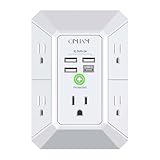
I stood in my hotel room in Toronto, jet-lagged and desperately needing to charge my phone. I’d packed all my usual adapters, the ones that have served me faithfully across Europe and Asia. Plugging one in, I waited. Nothing. My stomach did a little flip. Of course. Of course, they wouldn’t be the same. This little moment of panic is exactly why you need to know if are Canadian power outlets the same as us before you pack your bags.
It’s easy to assume North America is all one big, happy electrical family, but trust me, that’s a mistake that can leave you with dead devices and a serious case of FOMO (fear of missing out) on your social media feeds.
The short answer is no, they aren’t. Not exactly.
The Nitty-Gritty: What’s Actually Different?
Look, for most travelers hopping between the US and Canada, the actual wall sockets you’ll find are identical. You’ll see those familiar Type A outlets – the ones with two flat parallel pins. This is where the confusion often starts, because visually, they look the same. You can plug your American phone charger, your laptop power brick, or your curling iron right into a Canadian outlet, and it will physically fit. No adapter needed for the plug itself, which is a relief. So, in a very basic, superficial sense, are Canadian power outlets the same as us in terms of plug shape? Yes, for the most part.
But here’s the kicker, the bit that trips people up and can actually fry your electronics if you’re not careful: the voltage. While the US typically operates at 120V, Canada also uses 120V. This is fantastic news. It means you don’t need a voltage converter for most of your standard electronics like phone chargers, laptop power supplies, and camera battery chargers. These are almost universally dual-voltage these days, meaning they can handle a range of voltages, usually from 100V to 240V. You’ll often see this printed on the little power brick itself – look for the input range.
The real difference, and this is where I’ve seen people get burned (literally and figuratively), isn’t about the plug fitting or the voltage being wildly different. It’s about subtle variations and the potential for older buildings or specific appliances to have slightly different setups. While the standard in Canada is Type A (and sometimes Type B, which adds a grounding pin – again, identical to US Type B), the sheer volume of US-made electronics that are designed to work across North America makes the voltage a non-issue for about 95% of what you’ll bring. The physical outlet itself is the same.
It’s the electrical current running through it that could, theoretically, be problematic if you were dealing with something sensitive or a very old, single-voltage device. But for modern consumer electronics, you’re golden.
My own little scare happened years ago. I was in a bed and breakfast in a small town just outside Montreal. My phone charger, a trusty dual-voltage beast, wouldn’t charge. I tried a different outlet, same result. Panic stations! Turns out, this particular B&B had some quirky wiring, and while the outlet looked identical to my US ones, something was just… off. It wasn’t a voltage issue, but a power delivery issue that my charger, sensitive to stable current, refused to work with. I ended up having to buy a cheap local adapter just to keep my phone alive. It taught me a valuable lesson: while the standard is the same, never assume perfection, especially in older accommodations.
The ‘people Also Ask’ Gauntlet: Clearing the Air
This is where we tackle some of the burning questions people have when they start thinking about plugging their gadgets into Canadian sockets. Let’s get into it, because clarity here saves a lot of hassle.
Are Canadian Plugs the Same as Us Plugs?
Yes, for the vast majority of common plugs you’ll encounter, Canadian and US plugs are physically identical. Both countries predominantly use Type A (two flat parallel pins) and Type B (two flat parallel pins and a round grounding pin) outlets and plugs. This means you can usually plug your US devices directly into Canadian outlets without needing a physical plug adapter.
Do I Need a Plug Adapter for Canada If I’m From the Us?
Generally, no. Because the plug shapes are the same, you won’t typically need a physical plug adapter to get your US devices into Canadian outlets. The main concern for travelers is usually voltage, but in the case of the US and Canada, both use 120V, so voltage conversion is also usually unnecessary for most modern electronics.
Can I Use My Us Hair Dryer in Canada?
Yes, you most likely can. Most modern hair dryers, especially those designed for travel or higher-end models, are dual-voltage (often indicated by a switch or automatically adapting to the local voltage). You’ll want to check the label on your hair dryer. If it says something like ‘100-240V’, it’s dual-voltage and will work fine in Canada without any adapter or converter. Older, cheaper, or professional-grade models might be single-voltage (e.g., only 120V), in which case they would work in Canada without a plug adapter, but you would need a voltage converter if the Canadian voltage were different – which it isn’t, so you’re good.
What Voltage Is Used in Canada?
Canada uses a standard voltage of 120V, which is the same as the standard voltage used in the United States. This is a key reason why most US electronics work smoothly in Canada without the need for a voltage converter, as long as the plug fits (which it typically does).
The Overrated Advice and What Actually Works
Here’s where I get a bit opinionated, because I’ve seen so much conflicting and, frankly, useless advice out there. Everyone online seems to talk about needing complex adapters or voltage converters. It’s mostly nonsense for US travelers heading to Canada. The common advice is to pack a universal travel adapter, and while those are great for other countries, for Canada from the US? It’s like bringing a bazooka to a knife fight. Overkill, and honestly, a waste of space in your luggage. (See Also: Are American Outlets Ac Or Dc )
The truth is, the physical outlets are the same, and the voltage is the same. So, what’s the issue?
It’s the rare but real possibility of encountering older wiring, inconsistent power delivery, or specific appliances that are just fussy. I’ve seen people stress about bringing a separate voltage converter for their high-powered hair dryer, only to find it works perfectly fine plugged directly into the wall. Or conversely, someone brings their fancy European-designed hairdryer (which is often 220-240V) to Canada, expecting it to work, and it either doesn’t or fries itself because they didn’t realize Canada is 120V, just like the US. The real problem isn’t the plug or the voltage; it’s the quality and consistency of the power in some locations.
My own contrarian take: Stop worrying about voltage converters for Canada from the US. They’re a relic of a bygone era of electronics.
Instead, focus on packing a simple, high-quality surge protector power strip if you have a lot of devices. This will offer protection against power spikes and give you extra outlets if your hotel room is stingy. For actual plug differences, you’ll only need an adapter if you’re traveling to a country with different socket types, which Canada is not. The only time I’ve ever had an issue is in very old, rural accommodations where the power seemed… unstable.
In those rare instances, a basic, cheap adapter that just changes the physical connection might be necessary, but it’s not about voltage. It’s about the outlet not being quite up to spec.
Don’t overthink it. Your phone charger and laptop are probably fine. Your hairdryer?
Check the label. If it says ‘100-240V’, you’re golden.
The vast majority of my trips to Canada have been completely smooth. I plug my US devices in, and they work. The panic I felt that first trip was mostly due to my own unfamiliarity and the lingering fear of ‘what if’. It’s a valid fear, but for this specific journey, the reality is much simpler than the online chatter suggests.
What to Look for: Beyond the Obvious
So, if the plug and voltage are mostly the same, what should you actually be looking out for when you’re preparing for a trip to Canada from the US? It’s about a few practical considerations that go beyond the surface-level ‘are Canadian power outlets the same as us?’ question. First, and I can’t stress this enough: check your electronics. Most modern electronics have a little label on the power adapter or the device itself that specifies the input voltage range. If it says ‘100-240V’ or ‘110-240V’, it’s dual-voltage and will work in Canada without issue. This covers almost all phone chargers, laptop chargers, camera chargers, and many small appliances.
For larger appliances like hair dryers, straighteners, or electric shavers, this is where you need to be a bit more diligent. Many higher-end or travel-specific versions of these items are dual-voltage. If yours is old or a very basic model, it might be single-voltage (e.g., just 120V). In that case, it will work in Canada because the voltage is the same, but you wouldn’t need a voltage converter. You might, however, need a simple plug adapter if, by some fluke, the outlet in a specific place isn’t perfectly compatible with your US plug, though this is rare. A good rule of thumb: if it has a heating element and is cheap, it’s more likely to be single-voltage.
Here’s a quick comparison table. It’s not exhaustive, but it covers the common points of confusion.
| Device Type | US Voltage | Canadian Voltage | Plug Type | Adapter/Converter Needed (US to Canada) | Verdict |
|---|---|---|---|---|---|
| Phone/Laptop Charger | 120V | 120V | Type A/B | None | Works everywhere. Seriously. |
| Dual-Voltage Hair Dryer | 120V | 120V | Type A/B | None | Works everywhere. Check the label. |
| Single-Voltage Hair Dryer (older/basic) | 120V | 120V | Type A/B | None (Voltage matches) | Works, but might be less powerful than at home if Canadian grid fluctuates. |
| European Appliance (220-240V) | N/A | 120V | Type A/B (if plug adapter used) | Voltage Converter REQUIRED | DO NOT PLUG IN WITHOUT CONVERTER. Will break appliance. |
Beyond checking your devices, consider the number of outlets in your accommodation. Hotel rooms, especially older ones, can be notoriously short on accessible power points. Packing a small, travel-sized power strip with surge protection is a lifesaver. It not only gives you more plugs but also adds a layer of protection. I learned this the hard way trying to charge my phone, camera, and laptop simultaneously in a Banff hotel room with only one outlet near the bed. That little power strip cost me about $18 and has saved me countless headaches since.
Common Mistakes and How to Avoid Them
The biggest mistake people make when asking if are Canadian power outlets the same as us is assuming that ‘same plug’ means ‘everything is identical and will work flawlessly’. This is a dangerous oversimplification. Here’s a breakdown of common blunders and how to sidestep them. (See Also: Are All Power Outlets Ac )
Mistake 1: Assuming all electronics are dual-voltage. While most modern chargers are, older or specialized equipment might not be. Always, always check the label.
I once had a friend who brought a cheap, old-school curling iron to Canada. It looked the same, plugged in the same, but it was only rated for 120V. Canada is 120V, so it worked.
But then they went to Europe, plugged the same curling iron into a 240V socket expecting it to be fine because it was ‘an adapter’, and poof! Smelled like burnt plastic.
For Canada from the US, this isn’t the voltage issue, but it highlights the importance of knowing your device’s limits. For Canada, the risk is less about frying it with too much voltage and more about it not working at all if the power delivery is inconsistent or if it’s a device that does require a specific, stable power output.
Mistake 2: Bringing unnecessary voltage converters. This is the other side of the coin. People pack bulky, heavy voltage converters for Canada from the US because they’re used to traveling to Europe or other regions with significantly different voltages. You do NOT need these for Canada if you’re coming from the US. They just add weight and take up space. I’ve seen travelers lugging these things around for a trip to Vancouver, completely bewildered as to why they’re so heavy. Save yourself the trouble and the backache.
Mistake 3: Not packing enough outlets. This one is less about the outlet itself and more about the reality of modern travel. We carry multiple devices: phones, tablets, smartwatches, laptops, portable chargers. Hotel rooms, Airbnb’s, and even friend’s houses often have a limited number of wall outlets. When you arrive, and all your key gadgets are blinking low battery, you’ll curse yourself for not bringing a simple power strip. I made this mistake in a cute little cabin in Banff; it had one outlet by the bed, and my phone, camera, and e-reader all needed juice. I had to shuffle them around all night. A small, compact power strip solved this instantly for about $15.
Mistake 4: Relying solely on visual inspection. Just because it looks the same doesn’t mean it is the same. While physical compatibility is high, there can be subtle differences in grounding pins or receptacle depth that, in rare cases, might cause an issue. This is why, in my experience, the best practical tip is to have a very basic, multi-country plug adapter set on hand, just in case. It might not be for voltage, but for a quirky outlet that doesn’t quite grip your US plug firmly. It’s a cheap insurance policy. I’ve only needed one once, in a very old inn outside Quebec City, where the outlet seemed a bit loose.
Real-World Use: My Canadian Electrical Adventures
I’ve crossed the border into Canada more times than I can count, for everything from quick shopping trips to week-long road trips. My experiences with their power outlets have been overwhelmingly positive, but not without their tiny hiccups. The vast majority of the time, it’s a non-event. I arrive, plug my phone charger into the wall, and it charges. My laptop powers up. My camera batteries get replenished. It’s exactly like being at home.
One of the most memorable instances was when I was staying in a modern condo rental in downtown Vancouver. The place was sleek, and the outlets were standard Type A and B, identical to what I use in Chicago. I had my usual setup: my laptop, my phone, my portable charger, and a small power strip to connect them all. Everything worked flawlessly, and I didn’t even think about it until later when I was writing this. It was just… normal.
However, there was that one time I mentioned earlier, in that charming, albeit slightly eccentric, bed and breakfast in rural Quebec. The owner was lovely, the place had character, but the electrical system felt like it was from a different century.
My phone charger, which has never failed me anywhere else, just wouldn’t engage. It wasn’t a plug-fitting issue; the plug went in fine. It was like the outlet was giving a weak or inconsistent signal. I ended up borrowing a very basic, old-school adapter from the innkeeper, which was basically just a slightly different housing for the pins.
It worked. It wasn’t a voltage issue; it was an ‘outlet quirk’ issue. This taught me that while Canada and the US share the same standards, the implementation can vary, especially in older buildings.
You can’t always judge an outlet by its cover, even if it looks identical. (See Also: Are Arc Trip Outlets Required In Hillsborough County )
Another time, I was traveling with a friend who insisted on bringing a high-wattage hairdryer that she swore was dual-voltage. It turned out she had misread the tiny print and it was only designed for 120V. This was fine for Canada, as the voltage is the same. But she was so stressed about it, convinced it would blow up.
It didn’t, but the anxiety was palpable. The key takeaway for me from these experiences is to simplify. For the US to Canada trip, focus on: 1. Checking your device’s voltage label.
2. Packing a power strip if you have multiple devices. 3.
Understanding that while the system is the same, rare quirks can exist. You don’t need to over-prepare with complex converters.
Practical Tips for Canadian Electrical Outlets
Alright, let’s boil this down into practical advice. You’re traveling from the US to Canada and you need to know about the power. Here’s the no-nonsense guide:
- Check Your Devices: This is most important. Look at the label on your chargers, hair dryers, etc. If it says ‘Input: 100-240V’, you’re good to go. Your device can handle the voltage anywhere in the world, and specifically in Canada, it will work perfectly with the 120V supply.
- Forget Voltage Converters: For US to Canada travel, you do NOT need voltage converters. They are heavy, bulky, and completely unnecessary because both countries use 120V.
- Pack a Power Strip: Seriously, do this. Hotel rooms are notorious for having too few outlets. A small, travel-sized power strip with 3-4 outlets and surge protection is a big deal. It costs around $15-$30 and is worth its weight in gold.
- Consider a Basic Multi-Country Adapter (Just in Case): While the plugs are typically the same, very old or unusually wired outlets might occasionally present a minor fitting issue. A cheap, universal adapter set can cover this rare possibility without adding significant bulk. This is more for a ‘peace of mind’ thing than a necessity.
- Understand the Standards: Canada uses Type A and Type B outlets, the same as the US. The standard voltage is 120V, also the same as the US. This is why the vast majority of your US electronics will work without any modification.
- High-Wattage Appliances: If you have a very old, high-wattage appliance that isn’t dual-voltage, it will work in Canada (voltage matches), but it might be less efficient or draw more power than expected. For things like professional hair dryers, it’s always best to check the label.
I remember one trip where I almost forgot my power strip. I was staying in a charming, historic inn in Victoria, BC, and it had exactly two outlets in the entire room, both inconveniently placed. My phone, camera battery charger, and e-reader all needed juice. I was about to play the ‘charge one, then the other’ game, which is a pain, when I remembered I’d tossed a small power strip into my bag at the last minute. Crisis averted. It’s the little things like this that make travel smoother.
Frequently Asked Questions About Canadian Power Outlets
Do Us Appliances Work in Canada?
Yes, in most cases, US appliances will work in Canada. Both countries use the same standard voltage (120V) and largely the same plug types (Type A and Type B). This means you can typically plug your US devices directly into Canadian outlets without needing a voltage converter or a plug adapter. Always double-check the voltage rating on your device’s power adapter for confirmation.
What Adapter Do I Need for Canada From the Us?
For travel from the US to Canada, you generally do not need any adapter. The electrical outlets and plug types are physically the same, and the voltage (120V) is also the same. You can plug your US devices directly into Canadian outlets. The only exception might be very old accommodations with peculiar wiring, where a basic plug adapter might be useful for a secure fit, but this is rare.
Can I Use My Us Phone Charger in Canada?
Absolutely. US phone chargers are almost universally designed to be dual-voltage (100-240V) and use the same plug type as Canada. You can plug your US phone charger directly into a Canadian outlet without any issues or need for adapters or converters.
Are Canadian Outlets Grounded?
Canadian outlets are typically grounded, similar to US outlets. You will find both Type A (two flat parallel pins) and Type B (two flat parallel pins and a round grounding pin) outlets. The grounding pin is important for safety, especially for appliances that draw a lot of power or have metal casings.
Final Thoughts
So, to wrap it all up: are Canadian power outlets the same as us? For the most part, yes, in terms of plug shape and voltage. This means for the average traveler from the US, you can leave the bulky voltage converters at home. Your phone, your laptop, your standard chargers – they’ll all work just fine. The few times I’ve encountered issues have been rare, usually in older buildings, and more about inconsistent power delivery than a fundamental difference in the system.
My advice? Pack smart. Check your devices, bring a power strip if you’re a multi-gadget user, and relax. The electrical landscape between the US and Canada is far more similar than different. Don’t let the fear of a dead battery ruin your trip; a little common sense goes a long way.
The next time you’re packing for a Canadian adventure, focus on the fun stuff, not the power plugs. Just remember to charge your devices before you leave the hotel.