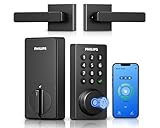
I remember the first time I saw one of those fancy apartment doors with the keyhole on both sides. My first thought wasn’t about security, it was about how utterly impractical it seemed. Then came the panic: are double sided apt door key locks illegal? It’s a question that pops into your head when you’re standing there, key in hand, wondering if you’re about to break some obscure building code. The truth is, while they’re not inherently illegal in most places, the practicalities and potential issues are what you really need to worry about.
Let’s cut to the chase. For the most part, you can install one. But just because you can doesn’t mean you should without understanding the full picture. This isn’t about some hidden law waiting to slap a fine on you; it’s about fire safety, accessibility, and sometimes, just plain common sense.
Why Those Double-Key Locks Aren’t Always a Bad Idea
Look, I’ve seen my share of door locks. From the cheap little knob locks that a stiff breeze could probably pop open, to the ones that make you feel like you’re fortifying a bank vault. The double-sided key lock on an apartment door is one of those things that sparks immediate debate. Some people see it as the ultimate in security, others as a ticking time bomb. My own experience leans towards the latter, but I’ve also had moments where I appreciated the extra barrier.
The primary reason for a double-sided deadbolt, especially in an apartment context, is to prevent someone from simply breaking a window pane near the lock and reaching in to turn the knob or deadbolt from the inside. This is a real concern in certain areas or for units with easily accessible ground-floor windows. The idea is that even if an intruder can get to the lock, they still can’t operate it without a key from the outside. It adds a layer of complexity for a potential burglar, forcing them to either have specialized tools to bypass the entire lock mechanism or move on to an easier target.
I recall a situation at a rental property I managed a few years back. We had a unit on the first floor with a large picture window right next to the front door. One night, someone tried to jimmy the window, managed to get an arm through, and was inches away from being able to turn the deadbolt. Thankfully, the tenant was home and made noise, scaring the intruder off. After that incident, we seriously considered upgrading to a double-sided deadbolt for that specific unit, even though it meant tenants would need a key to lock it from the inside. It was a trade-off: a slight inconvenience for a significant boost in protection against a very specific type of break-in.
However, it’s not all peaches and cream. The main argument against them, and the one that often gets people asking if are double sided apt door key locks illegal, revolves around fire safety and emergency egress. Imagine this: a fire breaks out in your apartment. Smoke fills the air, visibility is near zero, and you need to get out FAST. If you have to fumble around for a key in the dark, on a lock that requires a key from both sides, that’s precious time lost. Fire departments and building codes often have very strict rules about making sure rapid, unhindered escape routes. A double-sided deadbolt can be a major impediment to that.
In many jurisdictions, building codes will prohibit double-sided deadbolts on sleeping room doors (like bedrooms) precisely for this reason. The logic is simple: if you’re asleep, you’re less likely to be aware of a fire, and in a panic, you need to be able to exit your room without a key. Even for the main apartment door, while it might not be a sleeping room, the fire marshal’s concern is about occupants being able to exit quickly during an emergency. The common advice is to use a single-cylinder deadbolt, which locks and opens with a key from the outside and a thumb-turn from the inside. This allows for immediate escape.
The Real-World Hassle and Safety Concerns
Let’s talk about the practicalities, because this is where the rubber meets the road and where you start to understand why the “illegal” question even comes up. I’ve lived in places with double-sided deadbolts, and honestly, it’s a pain. Not every single time, but often enough to be annoying. (See Also: Are There Different Size Holes For Installing Door Locks )
You’re coming home, arms full of groceries, and you have to set everything down, dig for your keys, and then open it. Annoying, sure. But what about when you’re already inside and just want to lock up for the night or step out onto your balcony for a smoke?
You need the key. Every. Single. Time.
It feels a bit like being your own security guard, but with the added risk of losing your keys inside your own apartment.
My biggest “aha!” moment with these locks came during a freak power outage. It was pitch black, my phone had died, and I needed to step out for a moment to check something outside. I reached for the deadbolt, expecting the usual thumb-turn.
Nope. Key.
I had to get a flashlight, find my keys, and then open it. It was a minor inconvenience that night, but it hammered home the safety aspect.
In a real emergency – a fire, a medical crisis where someone else needs to get in quickly, or even just needing to escape a dangerous situation inside your unit – that key can be a important delay. I’ve heard stories, and thankfully haven’t been in one myself, where people couldn’t get out fast enough because they had to find a key. (See Also: Are Sesame Seeds Kosher For Passoveris Pollock Kosher )
That’s the real reason why building codes often frown upon them, especially for bedroom doors, and even for main doors in certain apartment buildings. The fire department needs to be able to get in, and you need to be able to get out without fumbling.
So, are double sided apt door key locks illegal? Not universally, but many local building codes and fire safety regulations will either outright ban them on specific doors (like bedrooms) or strongly discourage them due to the egress concerns. If you’re a renter, your lease agreement and your landlord’s rules are the first place to look. Many landlords, especially in larger apartment complexes managed by property management companies, will have strict policies against tenant-installed modifications that could violate safety codes or insurance requirements. They’re not trying to be difficult; they’re trying to avoid liability and keep their insurance premiums down. A double-sided deadbolt can be a red flag for inspectors and insurers.
If you own your condo or apartment, you’ll need to check your building’s specific HOA (Homeowners Association) or condo board rules. They often have detailed regulations about exterior door hardware. The common advice you’ll find from locksmiths and security experts is to opt for a single-cylinder deadbolt (key outside, thumb-turn inside) for maximum safety and convenience. It’s the standard for a reason.
What to Look for (and What to Avoid)
When you’re looking at locks, especially for an apartment or rental, the first thing you should be scrutinizing is the mechanism on the inside. If it requires a key to operate from the inside, that’s your red flag. You want a lock that can be operated with a simple twist of the hand. This is often referred to as a “single-cylinder deadbolt.” The key cylinder is on the outside, and a thumb turn or a lever is on the inside. This allows for immediate egress in case of an emergency. I’ve personally installed a few of these in rental units when tenants expressed concerns about security, and they’re straightforward to use and install.
The alternative, the “double-cylinder deadbolt” (which is what we’re discussing), has a key cylinder on both the exterior and interior side of the door. While it offers some protection against “reach-through” burglaries, the safety trade-off is significant. Imagine a fire; you need to get out instantly. Fumbling for keys in smoke and darkness is a recipe for disaster. I once stayed in a hotel that, inexplicably, had a double-sided deadbolt on the room door. It freaked me out the entire stay, and I kept the key within arm’s reach of my bedside table, which is ridiculous. My verdict? Avoid them on any door that needs to be a quick exit.
When I’m advising friends on home security, I always steer them toward reputable brands that meet certain security standards. Look for locks that have ANSI/BHMA Grade 1 or Grade 2 certification. Grade 1 is the highest level, meaning it’s built for maximum security and durability, tested for thousands of cycles and resistance to forced entry. Grade 2 is still very good for most residential applications. Brands like Schlage, Kwikset (their higher-end lines), and Yale are generally reliable. They offer a range of single-cylinder deadbolts with features like hardened steel bolts, anti-pick mechanisms, and pick-resistant keyways. These offer solid security without compromising safety.
What to avoid? Anything that feels flimsy, has a cheap plastic housing, or requires a lot of wiggling to operate. If it feels like it’s going to break when you use it, it probably will. Also, be wary of locks that are exceptionally cheap. While you don’t need to spend a fortune, extremely low prices often indicate lower quality materials and less rigorous testing. It’s a false economy to save $20 on a lock that might fail when you need it most. I learned this the hard way with a cheap electronic lock I bought online that died within six months. It was a $100 lesson. (See Also: Are Sliding Door Locks Common )
Common Mistakes People Make
Buying Based on Price Alone
This is a big one. You see a shiny lock for $30 and think, “Great deal!” But often, these budget locks are made with lower-quality materials that wear out faster and are easier to defeat. Spending an extra $50-$100 on a reputable, certified lock can save you a lot of grief (and potential security breaches) down the line.
Ignoring Local Building Codes
Even if a lock isn’t technically “illegal” everywhere, your local municipality or apartment building management might have specific rules against them, especially concerning fire safety. Always check with your landlord or building manager first.
Overlooking Interior Operation
The most important factor for safety is how the lock operates from the inside. If it requires a key, you’re creating a potential escape hazard. Stick to thumb-turn mechanisms for quick exits.
Are Double Sided Apt Door Key Locks Illegal? The Nitty-Gritty
Let’s get down to brass tacks on whether are double sided apt door key locks illegal. The short answer is: not usually outright illegal everywhere, but they are heavily regulated and often prohibited by specific building codes, fire safety standards, and landlord/HOA rules due to safety concerns. This is where the confusion often arises, and why people ask the question. It’s not a simple “yes” or “no” because it depends on the location and the specific application.
In the United States, the International Residential Code (IRC) and the International Fire Code (IFC) are influential, but they are adopted and modified by individual states and municipalities. Both codes generally require that egress doors (doors that provide a means of escape from a building or dwelling unit) be readily openable from the side from which egress is to be made, without the use of a key or special knowledge. This means that for a primary exit door, a double-cylinder deadbolt that requires a key to open from the inside is typically not permitted. The exception often cited is for doors that are not required to provide egress, such as a closet door that doesn’t lead to the outside or a connecting door between two living units that isn’t the sole means of egress for either.
For apartment buildings specifically, fire safety is most important. Fire marshals and building inspectors are very strict about making sure that residents can escape quickly. A double-sided deadbolt on an apartment door could be a violation because, in a fire, occupants might be disoriented and unable to locate or operate a key, delaying their escape. This is why you’ll frequently see stipulations that bedrooms and hallways must have hardware that can be operated from the inside without a key. If the primary exit door of an apartment unit is considered an egress door, then a double-sided deadbolt would likely be prohibited.
I remember a situation in a building I used to live in where the management tried to “upgrade” security by installing double-sided deadbolts on all the exterior apartment doors. There was an immediate outcry from residents, and within a week, they had to reverse the decision after a building inspector flagged it as a code violation. The cost and hassle of replacing them again was significant, all because they didn’t check the regulations first. The lesson learned was that while security is important, safety and code compliance come first. Always verify with your local building department or fire marshal’s office if you’re unsure about specific lock requirements for your property.
Faq: Double-Sided Door Locks
Final Verdict
So, to circle back to the initial question: are double sided apt door key locks illegal? Generally, no, they aren’t explicitly banned by a universal law, but they are severely restricted by fire codes and building regulations in most places, especially for doors that serve as an exit. The practical implications, particularly the delay in egress during an emergency, are the main reasons why they are discouraged or prohibited. My advice? Unless you have a very specific, niche security need and have thoroughly vetted local codes and your landlord’s or HOA’s policies, just don’t go there.
Stick with a high-quality single-cylinder deadbolt. It’s the tried-and-true method for balancing security with the absolute necessity of being able to get out of your home quickly when it matters most. You get peace of mind without creating a potential death trap. It’s a simple, effective solution that avoids all the headaches and potential dangers associated with their double-sided counterparts.