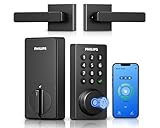
I remember the first time I saw one of those fancy keyless entry systems on a neighbor’s door. Looked like something out of a spy movie. I scoffed, naturally. My old deadbolt had served me fine for twenty years, and who needed another gadget to worry about? Fast forward a few years, and I’m fumbling for my keys in the pouring rain, groceries about to tumble, and I suddenly thought, maybe there’s something to this. But the big question always lingered: are electronic door locks safe enough for my actual home? I’ve spent a fair bit of time and, frankly, some money, figuring that out.
It’s easy to get lost in the marketing hype. They promise ultimate convenience, Fort Knox-level security, and a sleek modern look. But beneath the shiny exterior, what’s really going on? Are you just trading one set of vulnerabilities for another? I’ve learned that the answer isn’t a simple yes or no, and it depends a lot on what you’re buying and how you’re using it.
Ditching the Keys: What’s Actually Under the Hood?
Let’s get down to brass tacks. When we talk about electronic door locks, we’re usually talking about smart locks. These aren’t just fancy deadbolts; they have electronics inside that let you open them without a physical key. Most of them work with a keypad, a smartphone app, or even fingerprint scanners. Some integrate with home automation systems, so you can tell Alexa to lock the door (which, by the way, I still find a bit unnerving).
The core of it is a motor that physically turns the deadbolt mechanism. The electronics are there to tell that motor when to turn. This is typically controlled by a microchip that receives a signal. That signal can come from a keypad entry (you punch in a code), a Bluetooth signal from your phone as you get close, a Wi-Fi connection that accepts commands from anywhere, or a radio frequency signal from a key fob.
The ‘brains’ of the operation are the software and the communication protocols. This is where the safety concerns really kick in. How is that signal transmitted? Is it encrypted? How easy is it for someone to intercept or spoof that signal? For a long time, many of these locks relied on pretty basic, unencrypted Bluetooth or Wi-Fi. That meant if someone was close enough with the right gear, they could potentially ‘listen in’ or even send their own commands. Think of it like an old walkie-talkie where anyone could tune in to your conversation.
I had a moment of panic with one of the earlier models I tested. I was out for a walk, and my phone inexplicably lost connection to the lock. I couldn’t get back in. I ended up having to use the physical key, which felt like a massive step backward. It made me realize that the ‘smart’ part, while convenient, needed to be rock-solid. The reliance on a battery and a connection, however small, introduces new failure points that a simple mechanical lock doesn’t have. It’s a trade-off: convenience versus a slightly more complex failure mode. I’ve since learned to always keep a physical key handy, even if it’s just tucked away in my wallet.
Are Electronic Door Locks Safe? The Real Vulnerabilities
Okay, let’s be blunt. The biggest concern for most people when asking are electronic door locks safe is hacking. Can someone remotely open my door? Can they clone my digital key? The answer is: it depends heavily on the brand, the model, and how you use it. Cheaper, less reputable brands are definitely more vulnerable. They might use weak encryption or older communication protocols that are easier to crack. I’ve seen reports of locks being opened with just a generic code or by exploiting a flaw in the app’s security.
One of the common mistakes people make is assuming ‘smart’ automatically means ‘secure.’ It doesn’t. You need to look for specific security features. Look for locks that use strong encryption (like AES-256), have secure communication protocols (like WPA2/WPA3 for Wi-Fi), and offer regular firmware updates. Firmware updates are like software patches for your lock; they fix security holes that might have been discovered. If a manufacturer doesn’t offer these, I’d steer clear.
Another vulnerability is physical access. While you’re worried about remote hacks, someone could still try to brute-force the keypad or even physically tamper with the lock. High-end smart locks have features to combat this, like auto-locking after a few incorrect code attempts or tamper alerts. But again, this is where the price point often reflects the security. I once saw a demonstration where a very basic electronic lock was bypassed by simply prying off the faceplate. It was terrifyingly easy. That’s why I always recommend spending a bit more for a reputable brand with a solid metal construction for the exterior housing. (See Also: Are There Different Size Holes For Installing Door Locks )
The ‘People Also Ask’ question about ‘how to hack a smart lock’ is a scary one, and frankly, the methods exist. But most of these require specialized knowledge and equipment, and often proximity. It’s not like a movie where someone types furiously on a keyboard and your door swings open from a mile away. The most common ‘hacks’ are often exploiting user error, like weak passwords on the associated Wi-Fi network or sharing access codes carelessly.
How to Hack a Smart Lock?
While I won’t provide a step-by-step guide to nefarious activities, it’s important to understand the potential attack vectors. Common methods can include exploiting vulnerabilities in the Bluetooth or Wi-Fi communication protocols to intercept or spoof signals, brute-forcing keypad entry through repeated attempts (though many locks have countermeasures), or gaining physical access to the lock’s internal electronics if it’s poorly designed. Some sophisticated attacks might involve reverse-engineering the lock’s firmware or exploiting flaws in the mobile app used to control it.
What to Look for: Features That Actually Matter
When I’m shopping for a smart lock, I don’t get distracted by all the bells and whistles. I focus on the things that genuinely impact its safety and reliability. First off, the brand matters. I stick to manufacturers with a proven track record in security products, not just gadget companies jumping on the smart home bandwagon. Think companies that have been making physical locks for decades and have a good R&D department for their electronic offerings.
Encryption is a must. I want to see AES-256 encryption mentioned for any wireless communication. If it’s Wi-Fi connected, it needs to support WPA2 or WPA3 security. Bluetooth is a bit trickier; while it’s convenient for proximity opening, make sure the implementation is secure and not just basic broadcasting. Some locks offer dual connectivity (Bluetooth and Wi-Fi), which can be good, but it’s the quality of the implementation that counts.
I also look for physical build quality. Does it feel solid? Is the exterior housing made of strong metal? I’ve encountered some that feel cheap and flimsy, and I just don’t trust them to withstand any real attempt at forced entry. The keypad should be responsive and durable, and if it has a fingerprint scanner, it needs to be accurate and fast. Accuracy is key; I don’t want to be standing there waving my finger around like I’m trying to start a car.
Here’s a quick rundown of features I prioritize, with my personal take:
| Feature | My Verdict |
|---|---|
| AES-256 Encryption | Must-have. No exceptions. |
| WPA2/WPA3 Wi-Fi Security | Key for Wi-Fi models. |
| Regular Firmware Updates | Shows the company is serious about security. |
| Durable Metal Construction | Felt-good-about-it, feels-secure. |
| Tamper Alerts | Nice to have, peace of mind. |
| Auto-Lock After X Attempts | Good deterrent, but make sure it’s not too sensitive. |
| Physical Key Backup | Always, always, always. |
| Fingerprint Scanner | Convenient if accurate, but not a deal-breaker. |
| Voice Control Integration | Cool, but I’m skeptical about security for important functions. |
I learned this the hard way when I bought a ‘budget’ smart lock that promised the world. It looked decent, but the app was buggy, it lost connection constantly, and I later found out its Bluetooth communication was unencrypted. It was a complete waste of about $150. I ended up replacing it with a model that cost nearly double, but the peace of mind was worth every extra penny.
Common Mistakes People Make with Smart Locks
You’d think buying a smart lock is the hard part, but honestly, setting it up and using it correctly is where most people stumble. The biggest mistake I see, and one I almost made myself, is relying solely on the digital access. As I mentioned, batteries die, Wi-Fi goes down, apps glitch. If your only way to get into your house is via a dead battery in your phone or a dead lock, you’re asking for trouble. Always, always, always make sure there’s a reliable physical key backup that you keep somewhere secure and accessible. I keep mine in a small, discreet lockbox hidden away outside. (See Also: Are Sesame Seeds Kosher For Passoveris Pollock Kosher )
Another common pitfall is poor Wi-Fi security. If your smart lock connects to your home Wi-Fi, that network needs to be secure. A weak Wi-Fi password or an outdated router is like leaving your front door wide open for anyone with a laptop. Make sure your Wi-Fi password is strong, unique, and that your router firmware is up-to-date. Consider a separate Wi-Fi network just for your smart home devices if you’re really concerned about segmentation.
People also tend to be too lax with granting access. Sending a digital key to a friend or a contractor is super convenient, but what happens when they no longer need access? Do you remember to revoke it? Most smart lock apps allow you to set temporary access codes or schedule access times. Use these features! Don’t just give a permanent digital key to everyone. I once had a contractor finish a job and completely forget to revoke their access. It was only a week later, when I was reviewing my lock’s activity log, that I realized they could have theoretically walked right in. That log is your best friend; check it regularly.
Finally, people often neglect firmware updates. Manufacturers release these updates to patch security vulnerabilities. If your lock is set to auto-update, great. If not, make it a habit to check for and install updates. It’s a simple step that significantly boosts your lock’s security. I’ve seen too many people complain about security issues on older devices that could have been prevented with a simple software patch. It’s like refusing to update your phone’s operating system and then wondering why it’s vulnerable.
Real-World Use: My Smart Lock Experiences
Living with electronic door locks for several years now has been… interesting. The convenience is undeniable. Coming home with arms full of groceries and just tapping a code or having the door open as I approach is a small luxury I’ve come to appreciate. Letting the dog walker in while I’m at work, or giving temporary access to family when I’m out of town, is a big deal for coordination. The activity logs are also fantastic for keeping track of who’s coming and going, which has given me some peace of mind.
However, it’s not always smooth sailing. I’ve had instances where the Bluetooth connection was spotty, leaving me tapping my phone against the door like a madman. One time, during a power outage, the lock system went offline completely, and I had to scramble for my backup key. That was a solid wake-up call. I now make sure the battery in my lock is checked religiously, well before the app even warns me. I’ve also learned to keep my physical key in a much more accessible spot than I used to.
My biggest surprise came from the sheer number of ‘failed attempts’ logged by the lock over just a few months. While most were likely accidental bumps or my kids messing around, there were a few patterns that looked like someone trying random codes. This was on a mid-range lock from a reputable brand. It made me realize that while remote hacking might be rare for the average user, people do try to brute-force their way in, especially on visible door locks. This is where the physical robustness and anti-tamper features really come into play.
I also had a scare with an app update that momentarily disabled a key feature. It was a temporary glitch, but for a few hours, a important function was offline. This highlights the reliance on the manufacturer and their software. If they mess up, your lock can be affected. It’s why I lean towards brands that have a strong history of stable software development and consistent support. I’ve tested a few locks where the app felt like it was still in beta, and that’s a no-go for something as important as home security.
People Also Ask: Can a Smart Lock Be Picked?
A traditional deadbolt can be picked by skilled locksmiths or burglars. However, electronic door locks, when functioning correctly, don’t have a traditional pin-tumbler mechanism that can be ‘picked’ in the same way. The security of a smart lock relies on its digital defenses (encryption, secure communication) and its physical resistance to tampering. If the lock’s electronics are compromised or bypassed, or if the physical mechanism is forced, entry can be gained. However, the act of ‘picking’ a mechanical lock is not applicable here. (See Also: Are Sliding Door Locks Common )
Are Electronic Door Locks Safe? My Practical Tips
So, after all this, are electronic door locks safe? Yes, if you choose wisely and use them correctly. It’s not about avoiding them; it’s about being smart about them. Here’s my no-nonsense advice:
- Buy from Reputable Brands: Don’t skimp here. Brands like Schlage, Kwikset, August, and Yale have been in the lock business for ages and have invested in their smart offerings. They are generally better at addressing security vulnerabilities. I spent about $250 on my current lock, and I consider it money well spent for the security it offers.
- Prioritize Strong Encryption and Secure Connectivity: Look for AES-256 encryption and WPA2/WPA3 for Wi-Fi. If it’s Bluetooth-only, do your research on the specific implementation.
- Always Have a Physical Key Backup: This is a must. Keep it somewhere safe and accessible, but not obvious. A hidden lockbox is a good option.
- Secure Your Wi-Fi Network: A strong, unique password is the bare minimum. Consider a guest network or a separate IoT network for smart devices.
- Manage Access Codes Wisely: Use temporary codes, schedule access, and revoke access immediately when no longer needed. Regularly review your lock’s activity log.
- Keep Firmware Updated: Enable auto-updates if possible, or check for updates manually on a monthly basis.
- Check Batteries Regularly: Don’t wait for the low-battery warning. Proactive checks prevent being locked out.
- Understand the Physical Security: Even the smartest lock is only as good as its physical housing. Make sure it’s solid and tamper-resistant.
I’ve seen too many people fall for the cheap options or ignore basic security practices and then wonder why they had a problem. The technology has come a long way, and for many people, it offers a level of convenience and control that traditional locks simply can’t match. But you have to treat it like any other connected device: with a healthy dose of caution and a commitment to good security hygiene.
People Also Ask: Are Smart Locks Worth the Money?
For many people, yes, smart locks are worth the money. The convenience factor alone is a major draw – no more fumbling for keys, easy guest access, and remote control. They can also enhance security through features like activity logs, tamper alerts, and strong encryption. However, they do come at a higher price point than traditional deadbolts, and they introduce new potential failure points like battery life and connectivity issues. If convenience, integration with smart home systems, and advanced access management are important to you, then a reputable smart lock is likely a worthwhile investment.
People Also Ask: How Long Do Smart Locks Last?
The lifespan of a smart lock can vary depending on the quality of the components, the frequency of use, and environmental factors. Generally, a well-made smart lock from a reputable brand can last anywhere from 5 to 10 years, sometimes longer. The electronic components are designed to be durable, but like any electronic device, they can eventually fail. Battery life is a separate concern; most smart locks require battery changes every 6-12 months, depending on usage and battery type. The physical lock mechanism itself, if well-constructed, can often outlast the electronics.
Conclusion
So, to wrap it all up, the question ‘are electronic door locks safe’ doesn’t have a simple yes or no answer. They can be safe, and in many ways, they offer enhanced security and convenience over traditional locks, provided you make informed choices. My own journey with them has taught me that you can’t just plug and play; you have to be an active participant in maintaining their security.
Choosing a solid brand, understanding the technology, and practicing good digital hygiene are most important. Don’t be the person who buys a cheap lock and then complains about it. Invest in quality, manage your access codes like they’re gold, and never, ever forget that physical key backup. For me, the benefits now outweigh the risks, but only because I learned to be vigilant.
If you’re thinking about making the switch, do your homework. Read reviews, compare features, and prioritize security over flashy extras. Your home is worth it.