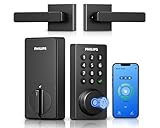
I remember staring at my old front door, a hulking piece of oak that had seen better days. The lock? A relic. I was convinced any new lock I bought would fit, like a universal adapter for everything. Turns out, I was spectacularly wrong. Thinking are front door locks universal is a pretty common assumption, but it’s a mistake that can cost you time, money, and a whole lot of frustration.
The world of door locks isn’t quite as simple as plugging in a USB stick. There are standards, yes, but also quirks and variations that mean what works for your neighbor might not work for you. Let’s cut through the marketing fluff and get down to what actually matters when you’re trying to secure your home.
Why Your ‘universal’ Lock Might Not Fit
The first thing that trips people up is the idea that there’s one standard size for everything. For front door locks, the most common culprit for confusion is the backset. This is the distance from the edge of the door to the center of the borehole where the lock cylinder goes.
The most prevalent backset sizes in North America are 2-3/8 inches and 2-3/4 inches. While many modern locks are adjustable or come with both plates, older doors or doors with specific hardware might have a different, less common backset. I once spent an entire Saturday wrestling with a beautiful antique mortise lock that had a bizarre 3-inch backset. My initial thought, fueled by overconfidence and a desire to just get it done, was that I could just force a standard lock.
Spoiler alert: I couldn’t. It was a stark lesson that ‘universal’ is often a marketing term, not a reality.
Then there’s the borehole itself, the hole drilled through the face of the door for the lock mechanism. Most standard deadbolts and knob locks use a 1-1/2 inch borehole for the bolt and a 1-inch borehole for the spindle.
However, some older or specialized locks might have different dimensions, or even two separate holes for the knob and the deadbolt that aren’t spaced correctly for a standard setup. If you’re replacing an existing lock, measuring these dimensions is a must. Don’t guess.
Grab a tape measure and check the backset and the diameter of the holes. This is the most fundamental step in determining if a lock is even going to physically mount to your door. Forgetting this step is like buying a car tire without knowing your rim size – it’s just not going to work.
Another common misconception is about door thickness. Most residential doors are around 1-3/4 inches thick, and most locks are designed for this. But if you have a thicker or thinner door, you’ll need to specifically look for locks that accommodate those dimensions, or purchase extension kits, which aren’t always readily available or cheap. It’s these little details, the ones glossed over in the product descriptions, that can turn a simple DIY job into a headache. The illusion of universality in front door locks crumbles pretty fast when you start digging into the specifics of your own door.
The Mechanics: What Makes Locks ‘standard’ (and Not)
When we talk about whether are front door locks universal, we’re really talking about two main types of locks: the doorknob/lever lock and the deadbolt. Most residential doors have both. The doorknob or lever lock is your everyday lock, used for convenience. The deadbolt is your main security feature, offering stronger resistance against forced entry. The ‘standardization’ we see is largely driven by common installation practices and the hardware industry trying to make things easier for consumers and locksmiths alike.
The core mechanism inside most common locks is the cylinder. Pin tumbler cylinders, the most prevalent type, rely on a series of pins that must be lifted to the precise height by the key to allow the cylinder to turn. While the internal pin mechanism can be rekeyed to match existing keys, the physical housing and the way it integrates with the door hardware are where variations arise. For example, the bolt mechanism itself – the part that extends into the door frame – comes in different types. A standard spring latch bolt is common for doorknobs, while a deadbolt uses a solid metal bolt that’s much harder to cut or pry open. (See Also: Are Sesame Seeds Kosher For Passoveris Pollock Kosher )
Door preparation is key here. Most doors are drilled with two primary holes: one for the knob/lever spindle and another, usually higher up, for the deadbolt. The distance between these two holes, known as the ‘center-to-center’ measurement or ‘multi-point spacing’, is often a important factor. While a common spacing exists (often 5-1/2 inches between the centers of the two holes for standard knob and deadbolt combinations), custom setups or older installations can deviate. This is why trying to retrofit a single-unit smart lock designed for a specific hole spacing onto a door with disparate holes can be a non-starter without significant modification to the door itself.
Furthermore, the sheer variety of hardware finishes and styles can mask underlying mechanical differences. You might see a brushed nickel knob lock and a matte black deadbolt, and while they look different, their internal workings and mounting requirements are often built around similar standards. However, when you move into specialized areas like smart locks, electronic keypads, or high-security multi-point locking systems, the ‘universal’ notion often evaporates entirely. These often require specific door preparations, custom strike plates, or even entirely new door frames.
What to Look for When Buying a Replacement Lock
Okay, so we’ve established that ‘universal’ is a bit of a stretch. So, what should you be looking for when it’s time to swap out that old, sticky lock? First and foremost, measure. I cannot stress this enough. Grab a tape measure and identify your door’s backset (the distance from the door edge to the center of the borehole). The most common are 2-3/8″ and 2-3/4″, and many locks are adjustable for both. If yours is different, you’re going to have a much harder time finding a direct replacement. Next, measure the diameter of the holes drilled through your door. Standard deadbolts and knob holes are usually 1-1/2″ and 1″ respectively. Again, check if yours deviate.
Consider the type of door you have. Is it a solid wood door, a hollow-core interior door (though you shouldn’t be putting a high-security lock on one of those!), or a metal-clad door? The thickness and material of your door can affect the type of screws and mounting hardware that work best, and some locks are better suited for certain door types. Most locks are designed for a standard 1-3/4″ thick door. If yours is significantly different, make sure the lock you’re looking at has options for thicker or thinner doors, or comes with appropriate extension kits.
Think about the style and finish you want. This is where the ‘universal’ idea feels most true – you can find knobs, levers, and deadbolts in practically every finish imaginable, from polished brass to oil-rubbed bronze to matte black.
However, don’t let the aesthetics fool you into thinking all locks mount the same. Pay attention to the specific measurements and installation requirements, not just how nice it looks. A beautiful lock that doesn’t fit is just an expensive paperweight. For me, the real kicker is the strike plate – the metal plate on the door frame that the bolt goes into.
Even if the lock mechanism fits the door, the strike plate might not align with the frame’s cutout, requiring you to chisel out more wood, which is always a gamble.
Here’s a quick rundown of key measurements you MUST take before you buy:
| Measurement | What it is | Common Sizes | My Verdict |
|---|---|---|---|
| Backset | Edge of door to center of borehole | 2-3/8″, 2-3/4″ (adjustable common) | Get adjustable if unsure. Non-adjustable is asking for trouble. |
| Borehole Diameter | Hole through the face of the door | 1-1/2″ (bolt), 1″ (spindle) | Measure carefully. Odd sizes mean custom work. |
| Door Thickness | How thick the door slab is | 1-3/4″ (standard) | Check if lock accommodates variations or needs extensions. |
| Center-to-Center (Knob & Deadbolt) | Distance between the centers of the two main holes | Often 5-1/2″ for standard sets | Important for smart locks or integrated units. Don’t eyeball this. |
Common Mistakes and What to Avoid
One of the biggest blunders I’ve seen people make, myself included, is assuming all smart locks are interchangeable. The marketing for smart locks often touts ‘easy installation’ and ‘fits most doors’, which is a half-truth at best. Many smart locks are designed for a specific borehole size and backset, and while some offer adapters, they’re not always included or effective.
I once bought a sleek smart lock thinking it would replace my deadbolt. It fit the main borehole, but the bolt mechanism was slightly different, and the strike plate wouldn’t align perfectly. I ended up having to shave down the door frame and buy a separate, more solid strike plate. It took hours longer than expected, and frankly, it looked a bit janky afterwards. (See Also: Are Sliding Door Locks Common )
My initial frustration stemmed from believing the ‘universal’ hype.
Another mistake is not considering the type of door. A hollow-core door simply won’t provide the structural integrity needed for a heavy-duty deadbolt, no matter how ‘universal’ the lock claims to be. If you force a beefy lock onto a flimsy door, you’re not increasing security; you’re just making it easier for someone to rip the whole lock mechanism out of the door material itself. Always match the lock’s strength to the door’s construction. For older homes, particularly with original doors, you might encounter non-standard measurements that aren’t covered by typical replacement kits. This is where a locksmith becomes invaluable, but it’s also where the cost skyrockets.
People also often forget about the door jamb and frame. The lock bolt extends into the jamb, and the strike plate is mounted there.
If the alignment is off, even by a millimeter, the bolt won’t extend fully, or it will bind. This can happen if the door has sagged over time, or if the original installation wasn’t perfectly plumb.
Many ‘universal’ locks come with standard strike plates, but you might need a longer or differently angled one to make sure proper engagement. I’ve had to chisel out door jambs more times than I care to admit because the new lock’s strike plate didn’t quite match the old one’s footprint or the bolt’s angle. It’s a fiddly job that requires patience and the right tools.
The common advice is often just to ‘screw it in’, but that’s a recipe for a lock that’s difficult to operate and less secure.
Real-World Use: When ‘universal’ Fails and What Works
In my experience, the ‘universal’ claim for front door locks holds water only for the most basic, common scenarios. If you have a standard, modern door with standard 2-3/8″ or 2-3/4″ backsets and standard borehole sizes, then yes, a lot of locks will technically fit. You’ll find plenty of options in hardware stores and online that are designed to be flexible. Brands like Schlage and Kwikset, for instance, have a long history of manufacturing locks that adhere to common North American standards, making replacements relatively straightforward for the average homeowner. Their adjustable backsets and interchangeable components are a testament to this.
However, the moment you step outside this standard box, things get complicated. I’ve dealt with old Victorian homes where doors were thicker, hand-planed, and had hardware that was custom-made for that specific door centuries ago. Trying to fit a modern, ‘universal’ lock onto something like that is like trying to put a square peg in a round hole – it just won’t work without significant, often irreversible, modification to the historic door. Similarly, some very high-end or custom-built doors might have specialized locking mechanisms that are proprietary and not designed to be replaced with off-the-shelf hardware. In these cases, the only ‘universal’ solution is often to call a professional locksmith who can either source a rare part or fabricate a solution.
For those who are looking for a simple, no-fuss replacement for a standard lock, focusing on adjustable backsets and making sure the borehole diameters match is usually sufficient. Brands that clearly state their compatibility with common measurements (like those in the table above) are your best bet.
If you’re venturing into smart locks, especially those that integrate with existing deadbolts, pay extreme attention to the specific measurements required. Some smart locks, like the August Smart Lock, are designed to go over your existing deadbolt mechanism, meaning they don’t require you to change the bolt or strike plate at all. This is a much more ‘universal’ approach to smart home tech than replacing the entire deadbolt assembly. It’s a brilliant workaround when the physical lock hardware is the sticking point. (See Also: Are The Rams Locked Into The 6th Seed )
My biggest surprise came from a smart lock installation where the app guided me through measurements, and I followed it precisely. It fit perfectly. My initial skepticism about ‘universal’ smart lock claims vanished. However, this was on a standard door. When a friend tried to install the same lock on his slightly older, thicker door, he ran into issues because the mounting screws weren’t long enough. So, even with smart tech, the underlying physical constraints of the door still rule.
Smart Locks and the ‘universal’ Illusion
The world of smart locks is where the ‘are front door locks universal’ question gets particularly thorny. While many smart lock manufacturers advertise that their products fit “most standard doors,” this often assumes a very specific set of standard measurements. They are usually designed to replace existing deadbolts, so they rely on the same common backsets (2-3/8″ and 2-3/4″), borehole diameters (1-1/2″ for the bolt, 1″ for the spindle), and door thicknesses (1-3/4″). If your door deviates even slightly from these common dimensions, you could be in for a world of hurt.
I learned this the hard way when I tried to install a popular smart deadbolt on my garage entry door. It’s a solid metal door, slightly thicker than my front door.
The smart lock’s bolt mechanism simply wouldn’t extend far enough to engage the strike plate securely. I spent nearly three hours trying to jury-rig a solution with washers and shims, only to realize the fundamental problem was the door thickness and the lock’s design limitations. I ended up having to return the smart lock and find a different model specifically designed for thicker doors, which then required a different set of mounting screws and a custom-cut strike plate. It was a frustrating experience that highlighted how ‘smart’ doesn’t always mean ‘conveniently adaptable’.
The most ‘universal’ smart lock solutions tend to be add-on devices that fit over your existing deadbolt hardware, like the August Smart Lock. These don’t require you to remove your existing deadbolt, so they bypass many of the common installation headaches related to borehole size, backset, and bolt alignment. They basically turn your manual deadbolt into a smart one via a motor that turns the thumbturn. This approach significantly increases compatibility because it works with whatever standard deadbolt you already have in place. If you’re worried about whether a smart lock will fit your door, looking at these types of add-on devices is often the safest bet.
Another factor to consider is the required door preparation for power. While many smart locks are battery-powered, some higher-end models or those with integrated keypads and readers might require wiring, especially if they are part of a larger smart home system. This adds another layer of complexity that moves them further away from being a simple, universal replacement. Always check the installation manual before you buy, and pay close attention to the specific door measurements and preparation required. Don’t rely solely on the marketing claims of universal fit.
Do All Deadbolts Have the Same Size?
No, deadbolts are not all the same size, although there are common standards. The most important measurements are the backset (distance from the door edge to the center of the borehole) and the borehole diameter. The most common backset sizes are 2-3/8 inches and 2-3/4 inches, and many deadbolts are adjustable to fit both. Borehole diameters are typically 1-1/2 inches for the bolt and 1 inch for the spindle. Deviations from these common sizes mean a standard deadbolt likely won’t fit without modification to the door.
What Is the Standard Hole Size for a Door Lock?
The standard hole sizes for most residential door locks, particularly deadbolts and doorknob locks, involve two primary bores. The main hole through the face of the door, where the bolt mechanism passes, is typically 1-1/2 inches in diameter. The smaller hole, often drilled perpendicular to the first and through which the spindle or shaft passes to connect the interior and exterior handles/knobs, is usually 1 inch in diameter. However, it’s always best to measure your specific door as variations can occur, especially in older homes.
Can You Put Any Lock on Any Door?
You generally cannot put any lock on any door without some degree of modification. While there are common standards for door preparation (like backset and borehole size), doors vary in thickness, material, and existing hole configurations. Specialized locks, particularly smart locks or high-security multi-point systems, often have very specific installation requirements. For a truly ‘universal’ fit, you’d typically be looking at a standard deadbolt or doorknob lock on a standard door, but even then, measuring is important to avoid complications.
What Is the Standard Backset for a Front Door?
The two most common standard backsets for front door locks in North America are 2-3/8 inches and 2-3/4 inches. The backset is the measurement from the edge of the door to the center of the borehole where the lock’s bolt passes through. Many modern locks are designed with adjustable backsets, allowing them to accommodate either of these common measurements, which greatly simplifies installation and replacement. If your door has a different backset, you’ll need to find a lock specifically designed for it or consider door modification.
Final Verdict
So, to answer the question directly: no, front door locks are not truly universal. While there are common standards that make many replacements straightforward, the devil is always in the details of your specific door. Ignoring measurements like the backset, borehole size, and door thickness is a surefire way to end up with a frustrating DIY project or an expensive trip to the hardware store for the right part.
My advice? Always measure first. Grab that tape measure, get the specs for your door, and then look for locks that explicitly state they accommodate those measurements. For smart locks, consider add-on models if you’re worried about compatibility. It might not be as simple as picking any lock off the shelf, but taking the time to get it right means a more secure home and less wasted money. When in doubt, a quick call to a local locksmith can save you a lot of headaches, even if it costs a bit more upfront.