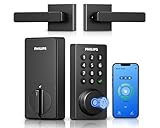
I remember the first time I thought about getting a smart lock. It was raining buckets, the kind of relentless NZ downpour that makes you question every life choice, and I was wrestling with a bag of groceries, a leaky umbrella, and my regular old key. ‘There has to be a better way,’ I thought. That’s when the shiny ads for smart locks started popping up everywhere, promising keyless entry and a life of pure convenience. But then my brain kicked in: what about the weather? Specifically, are smart door locks weatherproof in NZ? It’s not exactly the Sahara desert here, is it?
The idea of a battery-powered electronic device living on my front door, exposed to salt spray, humidity, and frosty mornings, made me pause. A lot of the online chatter is about Wi-Fi range or app features, but the nitty-gritty of what happens when the elements decide to have a go at your tech? That’s the real question for us Kiwis.
So, I’ve spent a fair bit of time digging into this, both from a research perspective and from plenty of real-world abuse of my own devices. Let’s cut through the marketing fluff.
What the Heck Makes a Lock ‘weatherproof’ Anyway?
When we talk about weatherproof, especially for electronics like smart locks, we’re not just talking about a bit of drizzle. We’re talking about surviving pretty much anything Mother Nature throws at it, particularly here in New Zealand. Think relentless rain, sharp frosts, scorching sun (yes, we get that too!), and the salty air if you live anywhere near the coast. That’s why you’ll often see an IP rating plastered on product specs.
This is the International Protection marking, and it’s your best bet for understanding how well something can handle dust and water. The first digit is for solids (dust, dirt), and the second is for liquids (water).
For a smart lock, you ideally want at least an IP54 rating, which means it’s protected against dust ingress and splashing water. Better yet, look for IP65 or higher if you can find it – that’s dust-tight and protected against water jets. Most smart locks aren’t fully submersible, and that’s not what we need anyway; we need them to withstand being rained on, dew-kissed, and generally battered by the elements without shorting out or seizing up.
The materials used are also a massive factor. Cheap plastic housings will degrade, crack, and let moisture in much faster than a solid metal casing.
Look for sturdy metals like zinc alloy, stainless steel, or brushed aluminium. Even then, the internal components need proper sealing. Small rubber gaskets around buttons, keyholes (if they have them), and battery compartments are vital.
I’ve seen too many supposedly ‘outdoor-rated’ gadgets fail because a tiny seal was missing or poorly fitted. It’s the little things that make the big difference when your lock is constantly exposed.
Don’t just take a manufacturer’s word for it; check those specs. If they’re vague or they don’t list an IP rating, that’s a giant red flag. They’re probably hoping you won’t notice until it’s too late, usually after a particularly wet winter.
One thing that often gets overlooked is the extreme temperature fluctuations. We can have freezing mornings followed by surprisingly warm afternoons, especially in the shoulder seasons. This expansion and contraction can stress seals and housing materials over time. Batteries, too, are sensitive to cold. While most modern smart locks are designed with this in mind, a lock that’s baking in direct summer sun or getting hammered by frost is under more strain than one tucked away in a sheltered porch. So, even if a lock has a decent IP rating, its long-term durability in NZ’s varied climate can still be a question mark depending on build quality and materials.
For your reference, here’s a quick rundown of what those IP ratings generally mean:
| Rating | Protection Against Solids | Protection Against Liquids |
|---|---|---|
| IP54 | Limited dust ingress | Splashing water |
| IP65 | Dust-tight | Water jets |
| IP67 | Dust-tight | Immersion up to 1 meter |
For a smart lock on an exposed exterior door in NZ, I’d be aiming for at least IP54, but IP65 is where I’d feel more comfortable, especially for long-term peace of mind. (See Also: Are Sesame Seeds Kosher For Passoveris Pollock Kosher )
Real-World Abuse: My Smart Lock’s First Year in Wellington
Okay, let’s talk brass tacks. I live in Wellington. If you know anything about Wellington, you know it’s basically the wind capital of the universe, and that often comes with a healthy dose of salty sea spray and unpredictable downpours. My front door faces a fairly exposed street.
I decided to put a mid-range smart lock – not the cheapest, not the most expensive, something around the $180 mark I paid for it – to the test. I was sceptical, honestly. I’d seen friends’ outdoor gadgets corrode or stop working after a season or two.
This lock had an IP54 rating, which, as we’ve discussed, isn’t exactly armour-plated. The housing was mostly metal, with a plastic battery cover on the inside.
The first few months were fine. It felt great not fumbling for keys with shopping bags. The keypad was responsive, the app worked, and I felt like I was living in the future. Then came winter.
We had some absolute gales, the kind that feel like they could rip your roof off, and plenty of days where the rain hammered down horizontally. I’d occasionally notice a tiny bit of condensation on the inside of the keypad cover after a particularly bad storm, but the lock still worked.
I figured it was just superficial. Then, one frosty morning, the keypad was a bit sluggish. It took a couple of presses for it to register my code. I started getting a bit antsy.
Was this it? Was my $180 experiment about to die a slow, electronic death?
I remember one occasion distinctly. It was late, I was tired, and the rain was coming down in sheets. I punched in my code, and nothing.
Dead. Panic set in.
I tried again. Nothing. I actually pulled out my emergency key – which, of course, was buried in my bag somewhere.
As I was fiddling with the key, I noticed the battery indicator on the app was flashing red. It had just died. The extreme cold, I suspect, had eaten away at the battery life far faster than I’d anticipated.
A quick battery swap (thankfully accessible from the inside and easy to do) and it sprang back to life. That was a shock. I’d underestimated how much the cold would impact battery performance. (See Also: Are Sliding Door Locks Common )
It’s not that the lock itself failed, but the power source became unreliable.
That was my wake-up call. While the lock itself held up mechanically, the battery life was far more susceptible to weather than I’d expected. It taught me a valuable lesson: check your batteries religiously, especially coming into winter, and be aware that colder temperatures can drastically reduce their lifespan. It’s not always the lock’s fault when it seems to fail; sometimes it’s just thirsty for fresh AAAs.
What to Look for (and What to Ignore)
When you’re hunting for a smart lock that can handle the Kiwi climate, there are a few things that should be a must. First off, that IP rating. I can’t stress this enough: look for at least IP54, but push for IP65 if you can. Anything less and you’re practically inviting trouble. Forget those glossy brochures that just say ‘weather-resistant’. That’s marketing speak for ‘it might survive a light sprinkle’. You need specifics. If a company can’t give you a clear IP rating for their product, I’d steer clear. They’re either hiding something or they haven’t bothered to test it properly, which tells you a lot about their commitment to quality.
Secondly, the build materials. You want solid metal, not flimsy plastic. Think brushed nickel, stainless steel, or a good quality zinc alloy for the exterior. These materials hold up better against corrosion from salt air and resist UV damage from the sun. Plastic can become brittle in the cold and warp in the heat. Also, pay attention to the seals around any moving parts or battery compartments. Little rubber gaskets might sound minor, but they are the frontline defence against moisture ingress. If you can see the internal workings, or if there are obvious gaps, that’s a bad sign.
What should you ignore? Most of the flashy connectivity features. Sure, it’s cool that some locks can integrate with Alexa or Google Home, or have fingerprint scanners.
But if the lock is going to fail because of a bit of rain, what’s the point? Focus on the core functionality and its ability to withstand the elements. A lock that reliably opens when you need it to, regardless of the weather, is worth far more than one that has a million features but dies in a storm.
Also, be wary of incredibly cheap options. While you don’t always need to spend a fortune, the cheapest models are often built with inferior components and less rigorous testing, making them more likely to fail prematurely in harsh conditions.
My $180 lock was okay, but I suspect a $100 one might have given up the ghost within its first year of heavy use.
Finally, consider the warranty. A good manufacturer will stand by their product, especially when it comes to outdoor use. A longer warranty, particularly one that explicitly covers weather-related damage, is a good indicator that they have confidence in their product’s durability. Always read the fine print, though – some warranties have caveats.
Common Mistakes and How to Avoid Them
One of the biggest mistakes people make is assuming ‘outdoor rated’ means ‘indestructible’. It doesn’t. It means it can withstand a certain level of exposure, but not necessarily the relentless onslaught that some parts of NZ can dish out. I’ve seen people install smart locks on doors that get blasted by direct rain and sun all day without any kind of overhang or shelter, then complain when it seizes up after a year.
My first mistake, as I mentioned, was underestimating the battery drain in cold weather. I thought, ‘it’s just a battery’. But extreme cold can significantly reduce battery capacity and performance, making your smart lock unreliable when you need it most. Always have a backup key and know where it is.
Don’t get complacent. (See Also: Are The Rams Locked Into The 6th Seed )
Another common pitfall is improper installation. These aren’t always as simple as screwing in a regular deadbolt. Some require precise alignment, and if the lock is stressed or not fitted flush, water can find its way into internal components through tiny gaps. It’s worth reading installation manuals thoroughly or even getting a professional to do it if you’re not confident. I nearly cracked the casing on one lock because I overtightened a screw, thinking I was making it more secure. Turns out I was just creating a weak point for moisture. Always follow the instructions to the letter, and use the correct tools.
People also forget about regular maintenance. Just like any mechanical device, smart locks can benefit from a bit of TLC. A quick wipe-down to remove salt spray or dirt, and checking seals periodically, can go a long way. For example, I’ve found that applying a tiny amount of dielectric grease to rubber seals once a year can help maintain their flexibility and effectiveness, especially before winter. Don’t use WD-40 or similar lubricants on the exterior; they attract dirt and can degrade plastics. Stick to products specifically designed for outdoor electronics or seals if you’re unsure.
Finally, don’t go for the cheapest option just because it’s cheap. I learned this the hard way. The initial savings are quickly wiped out when you have to replace a faulty unit after just a year or two. Invest in a reputable brand with a good track record for outdoor durability. It might cost a bit more upfront, but it’ll save you hassle and money in the long run. Remember, a smart lock is still a lock, and its primary job is security. If it fails due to weather, it’s not just an inconvenience; it’s a security risk.
The Faq: Your Smart Lock Weather Questions Answered
Are All Smart Locks Waterproof?
No, absolutely not. ‘Waterproof’ is a strong word that implies complete submersion without damage. Most smart locks are designed to be ‘weather-resistant’ or ‘water-repellent’, meaning they can handle exposure to rain, humidity, and splashes to varying degrees. Always check the specific IP rating to understand its actual level of protection against water and dust ingress.
What Ip Rating Do I Need for a Smart Lock in Nz?
For an exposed exterior door in New Zealand, aim for at least an IP54 rating. This offers protection against dust and splashing water. Ideally, look for an IP65 rating or higher, which provides dust-tight protection and resistance against water jets, offering greater peace of mind against our often harsh and wet weather conditions.
Can Cold Weather Damage Smart Locks?
Yes, extreme cold can affect smart locks. While the lock mechanism itself is usually designed to withstand cold, the batteries are often the most vulnerable component. Cold temperatures can significantly reduce battery life and performance, potentially causing the lock to become unresponsive or fail temporarily. It can also make plastic components more brittle over time.
How Does Salt Air Affect Smart Door Locks?
Salt air, especially in coastal areas of New Zealand, is highly corrosive. It can attack metal components, leading to rust and degradation. It can also affect electronic contacts and seals. Smart locks made with high-quality, corrosion-resistant materials like stainless steel and properly sealed housings are much more likely to withstand salt air than those made with cheaper metals or plastics.
A Few Practical Tips for Kiwi Smart Lock Owners
If you’ve decided to take the plunge and get a smart lock for your NZ home, here are a few hard-won tips to make sure it actually works when you need it, and lasts longer:
- Location, Location, Location: If possible, install your smart lock under a porch roof or overhang. Even a small amount of shelter can dramatically reduce the direct exposure to rain and sun, prolonging its life and reducing battery drain.
- Battery Watch: Make battery replacement a regular habit, especially before winter. Don’t wait for the low battery warning. I’d recommend checking and replacing batteries every 6-8 months, depending on usage and your climate. Keep a spare set in your car or a readily accessible place.
- Key is Still King: Always, always, always keep a physical key accessible. Whether it’s hidden in a secure lockbox outside (though these can be targets for burglars) or with a trusted neighbour, make sure you have a reliable backup. Don’t let your smart lock be the only way in.
- Inspect Periodically: Once or twice a year, give your smart lock a quick once-over. Wipe down the exterior, especially if you’re near the coast, to remove any salt or grime. Check the seals around the battery compartment and keypad for any signs of cracking or wear. A quick clean can prevent bigger problems.
- Read the Manual (Seriously): I know, nobody likes reading manuals. But for smart locks, especially the installation and maintenance sections, it’s important. They often contain specific advice for weather exposure or battery care that you won’t find anywhere else.
Following these simple steps can make the difference between a smart lock that’s a constant source of frustration and one that genuinely makes your life easier and more secure. It’s about respecting the technology and understanding its limitations in our unique environment.
Conclusion
So, are smart door locks weatherproof in NZ? The short answer is: some are, and some definitely aren’t. It’s not a simple yes or no. You absolutely can find smart locks that will stand up to our climate, but you have to be smart about what you buy and how you treat it.
Don’t just grab the first shiny one you see. Do your homework on the IP rating, the build quality, and the materials. Think about where it’s going to live on your door – can you give it a bit of shelter? And for goodness sake, keep an eye on those batteries, especially when it gets chilly. A dead battery is the most common way a smart lock becomes a very expensive paperweight.
Ultimately, the technology is there, but it requires a bit of informed choice and ongoing care. If you’re willing to put in that little bit of effort, you can absolutely enjoy the convenience of a smart lock without it becoming a weather-beaten liability.