I remember staring at that half-finished deck, bucket of expensive, thick deck-over paint mocking me. My buddy swore it was the only way to go, a “miracle in a can” for tired wood. I’d already spent a small fortune on the stuff, convinced this was the magic bullet for my peeling disaster. But as I looked at the sheer volume of product and the slow, back-breaking brushwork ahead, a thought hit me: can deck over paint be sprayed?
It felt like a betrayal of the product’s thick, goopy nature. Spraying usually means thin, watery stuff, right? The sales rep hadn’t mentioned anything about spraying, and online forums were a confusing mess of conflicting advice. This isn’t the kind of question you want to get wrong, not after sinking that much cash and time into prep.
So, I did what any sane person would do: I experimented, making a mess and wasting a bit more money before I figured out the truth. And let me tell you, the answer isn’t as simple as a yes or no.
Spraying Deck Over Paint: The Truth Nobody Tells You
Look, let’s cut the crap. When you’re staring down a can of “deck over” paint – that thick, often textured stuff designed to bridge gaps and hide imperfections – the idea of spraying it probably sounds like a pipe dream.
And frankly, in many cases, it is. Most of these products are formulated for maximum coverage and build, meaning they’re significantly thicker than standard exterior paint. They’re designed to be rolled and brushed, sometimes with a back-brushing step to make sure they really get into every nook and cranny.
The goal is to create a uniform, substantial layer that masks the sins of the old deck beneath. Trying to force this heavy-duty goop through a standard sprayer tip is like trying to push a brick through a garden hose – it’s not going to end well, and you’re likely to end up with a clogged, potentially ruined sprayer and a patchy, streaky mess on your deck.
I learned this the hard way, of course. My first attempt involved a homeowner-grade sprayer, the kind I usually use for fences and sheds. I thinned the deck-over paint with a bit of water, thinking that would be enough. Big mistake.
It came out in splatters and blobs, and the sprayer sounded like it was about to explode. After about ten minutes of this nonsense, I had more paint on myself and the surrounding landscaping than on the deck.
It was a frustrating hour, and I was about $200 into paint and thinner that I’d basically wasted. The common advice you’ll see online, which is often just regurgitated marketing speak, will tell you that ‘specialized equipment’ is the key. While there’s a kernel of truth there, it’s often more about the specific type of deck-over product and the type of sprayer, not just a magic wand. Many of these paints are not designed for atomization.
They want to be spread and smoothed, not blasted.
However, the world of deck coatings isn’t black and white. Some products labeled as “deck revitalizers” or “deck restoration systems” are actually formulated with a slightly lower viscosity, or are designed to be mixed with specific thinners or reducers to make them sprayable.
These are typically more advanced formulations, often found in higher-price tiers, and they come with very specific instructions. If the product specifically states it can be sprayed, or if it’s part of a multi-step system where spraying is an option for a particular coat, then yes, you might have a shot. But if you’re looking at a thick, trowel-on or brush-on style product that’s meant to fill deep cracks, you’re probably wasting your time and money trying to spray it.
It’s important to read the label and consult the manufacturer’s technical data sheets (TDS). These documents are often buried on manufacturer websites but contain the nitty-gritty details about application methods, viscosity requirements, and recommended spray tips.
Don’t just trust the pretty pictures on the front of the can; dig into the technical specs. That’s where the real answers lie for whether or not your specific can deck over paint be sprayed.
What to Look for (and Avoid) in Sprayable Deck Over Products
Alright, so you’re still determined to spray that deck. Smart.
Time is money, and my back has definitely seen better days. The biggest indicator that a “deck over” product might be sprayable is its formulation. If it’s advertised as a one-coat system that fills gouges and cracks, chances are it’s too thick to spray without serious modification.
Think of it like spackle versus latex paint. You wouldn’t try to spray spackle, would you? Same principle.
You want to look for products that are explicitly marketed as having a spray application option, or those that fall into the “deck revitalization” or “deck resurfacing” categories rather than just “deck paint.” These often have a smoother, less textured finish and are engineered to be applied more thinly than traditional patching compounds.
Another tell-tale sign is the viscosity. Manufacturers will often list a recommended viscosity range, usually measured in Krebs units (KU) or Zahn seconds.
If the product requires a high KU reading (say, 100 KU or more) right out of the can, it’s probably not going to spray well. Products that are designed for spraying will typically have a lower viscosity, often in the 70-90 KU range, or they’ll specify a thinner or reducer that you can add to achieve sprayable consistency. This is where things get tricky. (See Also: Can Craft Foam Be Spray Painted )
Some manufacturers are very specific about what you can add. Using the wrong thinner can compromise the integrity of the coating, leading to peeling, cracking, or a failure to cure properly. Always, always, always use the manufacturer’s recommended thinner or reducer. I once tried using a generic paint thinner on a high-end epoxy coating, and within a week, the entire section I’d sprayed started to bubble up like a bad science experiment.
Cost me a bundle to fix that mess.
Conversely, avoid any product that has a disclaimer about not being suitable for spray application or that doesn’t provide any guidance on spray settings or thinning. If the label just says “brush or roll only,” take that as gospel.
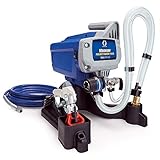
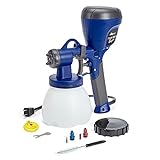
It’s not worth the gamble. You also want to consider the type of sprayer you’ll need. Forget your little handheld electric sprayers; they’re not powerful enough for anything but the thinnest of finishes. You’re looking at a powerful airless sprayer, ideally one with adjustable pressure and a wide range of tip sizes.
A contractor-grade unit will give you the best results, but you can sometimes rent these if you’re doing a one-off project. The right sprayer and tip combination is key for achieving a smooth, even coat, especially with coatings that are on the thicker side.
Remember, even if a deck over paint can be sprayed, it doesn’t mean it’s easy. It requires the right gear and careful attention to detail.
The Actual Process: How to Spray Deck Over Paint (if You Dare)
So, you’ve got a deck-over product that you’ve confirmed (or are willing to bet your bottom dollar) can be sprayed. Great! Now for the actual work. First things first: prep.
This is a must. Your deck needs to be clean, dry, and free of any loose paint, dirt, mildew, or oil. Power washing is your friend here, but be careful not to gouge the wood. If you have old, peeling paint, you absolutely must scrape and sand it down.
Deck-over is designed to cover imperfections, not to stick to a flaky mess. Once it’s prepped, apply a good quality primer if the manufacturer recommends it.
Some deck-over products are designed to be applied directly to bare wood or over existing coatings, but others benefit from a primer, especially if you’re trying to achieve a uniform color or improve adhesion.
Next, thinning. This is where you follow the manufacturer’s instructions to the letter. They’ll specify a maximum percentage of thinner or reducer you can add. Start conservatively.
Add a small amount, mix thoroughly, and test the viscosity. A common test is to dip a wooden stir stick into the paint and see how long it takes to drip off. If it’s too thick, add a little more thinner, mix again, and re-test. You’re aiming for a consistency that flows smoothly but doesn’t run off the stick instantly.
You’re not looking for water, but for something that will atomize properly through your sprayer. For my last project, a tough deck resurfacer, I ended up thinning it by about 10% with the manufacturer’s recommended reducer, and it was still quite thick going through the gun.
Now, the spraying itself. You’ll need an airless sprayer with the appropriate tip. For thicker coatings, you’ll want a larger orifice tip, typically in the .017 to .025 range.
Consult your sprayer manual and the paint manufacturer’s recommendations for the best tip size. Set your pressure appropriately – start low and gradually increase it until you get a nice, even fan pattern without excessive misting or splattering. Overlap your passes by at least 50%.
Work in manageable sections. Keep the gun moving at a consistent speed. Don’t stop and start on the surface; start your spray pass before you hit the deck and release the trigger after you’ve passed the edge. This prevents heavy buildup at the start and end of each pass.
If the paint is still too heavy in spots, you might need a second, thinner coat after the first has flashed off. And be prepared for some overspray – mask off any adjacent surfaces, plants, or structures you don’t want coated. It’s a messy job, but when done right, spraying can save you a ton of time compared to brushing or rolling.
| Product Type | Likelihood to Spray | Verdict |
|---|---|---|
| Thick, Gap-Filling Deck Over (e.g., textured) | Low | Generally not recommended. Will likely clog sprayer and result in poor finish. |
| Deck Revitalizer/Resurfacer (smoother finish) | Medium to High (if specified) | Possible with proper thinning and the right equipment. Follow instructions precisely. |
| Standard Exterior Paint (for decks) | Very High | Designed for spraying. Easy application. |
| Stain/Sealer (water-based) | High | Generally sprays well with appropriate tips. |
Common Mistakes When Spraying Deck Over Paint
I’ve seen people make a mess of this, and honestly, a lot of it comes down to impatience and a misunderstanding of what “deck over” paint actually is. The biggest mistake is not reading the label or, if you can find it, the technical data sheet (TDS). People see “deck paint” and assume all deck paints are created equal.
They’re not. That thick, trowelable stuff meant to fill deep cracks is a world away from a thin, water-based deck stain. If the manufacturer doesn’t mention spraying, assume you can’t, or at least, not without significant, potentially risky modifications. (See Also: Can Aluminum Be Spray Painted )
Another huge error is trying to thin it too much. You’re trying to find a sweet spot: thick enough to cover and fill, but thin enough to atomize. Over-thinning can cause runs, drips, and a complete loss of the product’s ability to bridge gaps or hide imperfections.
You end up with a thin, streaky coating that looks worse than what you started with.
Improper equipment is another killer. Using a cheap, underpowered sprayer designed for latex wall paint is just asking for trouble. These machines lack the horsepower and the pressure regulation needed to handle anything thicker than standard paint.
You’ll end up with a sputtering, inconsistent spray pattern and likely clog the gun. Conversely, using the wrong spray tip can also ruin your finish.
A tip that’s too small will create excessive pressure and atomization, leading to a wispy, uneven coat. A tip that’s too large might not atomize thick paint properly, resulting in splattering and poor coverage. It’s a balancing act that requires the right gear – typically an airless sprayer with adjustable pressure and a range of tip sizes.
I’ve also seen people skip the masking and prep work. Overspray is a serious issue, especially with thicker coatings. You’ll get paint on your house siding, your windows, your plants, and anything else within a 20-foot radius if you’re not careful. Proper masking takes time, but it saves you hours of scraping and cleaning later.
Finally, not understanding the drying and curing times is a problem. Many deck-over products are designed to dry to the touch relatively quickly, but they take much longer to fully cure. Applying a second coat too soon, or walking on the deck before it’s fully cured, can lead to adhesion issues, scuffing, or permanent damage. Always check the manufacturer’s specifications for recoat times and full cure times. It might be tempting to rush the process, especially if you’re trying to beat the weather, but it’s rarely worth the risk. Patience and adherence to the product’s specific requirements are key to a successful spray application. The question of can deck over paint be sprayed often hinges on avoiding these common pitfalls.
My Own Brush with Deck-Over Disaster (and Success!)
I’ll never forget the deck I inherited with my first house. It was a mess – gray, splintered, with patches of old, peeling brown paint that looked like sunburned skin. I’d heard about these “deck-over” paints that could supposedly revive the whole thing in one go. The salesman at the paint store, bless his heart, had painted a glorious picture.
“Just brush it on, fills all the cracks, looks brand new!” he said. So, I bought the most expensive can I could find, feeling pretty smug about my decision. I spent an entire weekend scraping and cleaning, meticulously prepping the surface.
Then came the application. Brushing it on was okay, but it was slow.
Really slow. By the time I finished the first section, the start of the deck was already drying, and I was wrestling with a thick, sticky coating.
It felt like painting with mud.
About halfway through, exhausted and sweating buckets, I had a thought. “What if I tried to spray this?” I figured I’d hook up my trusty Wagner, thin it a bit, and blast away. What could go wrong?
Well, pretty much everything. The paint barely came out, sputtering in thick, uneven blobs. It looked like a leopard had thrown up on my deck. The sprayer started making terrible noises, and I could feel the motor overheating.
Within fifteen minutes, I had a clogged mess, a near-empty sprayer, and a deck that looked worse than before. I was so frustrated, I almost gave up and just bought new boards. I ended up having to go back with brushes and rollers, trying to smooth out the disaster I’d created. It took me another two solid weekends to fix my mistake, and the final result was… okay.
It wasn’t the miracle finish I’d expected, and it certainly wasn’t worth the extra headache.
Fast forward a few years, and I was tackling a different deck, this time with a much higher-end product from a reputable manufacturer. This one was called a “deck resurfacer,” and the can actually had a small note about spray application being possible with specific equipment and thinning. Skeptical but wiser, I did my homework.
I rented a powerful airless sprayer, bought the exact reducer recommended by the manufacturer, and painstakingly followed their thinning guidelines. I started with a wider tip than I normally would. The first pass was nerve-wracking, but this time, it worked.
The paint atomized beautifully, laying down a smooth, uniform layer. I was ecstatic. It took a fraction of the time compared to my previous brush-on ordeal, and the finish was incredible – far better than I could have achieved with a brush. (See Also: Can Bug Spray Damage Car Paint )
That experience taught me that the answer to can deck over paint be sprayed depends entirely on the product and your willingness to follow the rules. You can’t just wing it.
Practical Tips for a Better Spray Job
If you’ve decided to go the spray route for your deck-over project, here are a few things that will make your life easier. First, practice on a piece of scrap wood or cardboard.
Get a feel for the sprayer’s trigger, the fan pattern, and how the paint lays down. This is important for dialing in the pressure and speed. You don’t want your first real attempt to be on your actual deck.
Second, work in good lighting. It’s much easier to see thin spots, runs, or inconsistencies when you have plenty of light.
If you’re working in the late afternoon, you might miss a drip that will be a permanent fixture by morning. Consider using work lights if needed. Third, consider the weather. High winds can carry overspray far and wide, and heavy dew or rain can ruin a fresh coat.
Aim for a calm, dry day with moderate temperatures. Avoid spraying in direct, hot sunlight if possible, as this can cause the paint to dry too quickly, leading to lap marks and poor adhesion.
A cloudy day is often ideal.
Fourth, don’t be afraid to back-brush or back-roll, even when spraying. For some thicker deck-over products, a light pass with a brush or roller immediately after spraying can help make sure the coating is fully worked into the wood grain and that there are no air bubbles. This is a technique often recommended for maximum durability. It’s not as much work as doing the whole deck that way, and it can significantly improve the final look and longevity.
Fifth, clean your sprayer immediately after use. If you’re using a water-based product, flush it thoroughly with water until no paint residue comes out. For oil-based products, use the appropriate solvent. Dried paint in a sprayer is a death sentence for the machine.
I learned this the hard way too, spending hours trying to clean a clogged sprayer after I’d put off the task for a day. It’s a small, but key, step. Finally, if you’re still unsure about whether your specific deck-over product can be sprayed, call the manufacturer’s technical support line. They’ve heard it all before and can often give you specific advice based on their product line.
It’s better to ask them than to gamble and ruin your project.
Can Deck Over Paint Be Sprayed?
Yes, but with significant caveats. Many thick “deck over” type paints are not designed for spraying and will clog your equipment. However, some “deck revitalizer” or “resurfacing” products are formulated to be sprayable if they are thinned correctly and applied with the appropriate professional-grade airless sprayer and tip. Always check the manufacturer’s product specifications and technical data sheets before attempting to spray.
What Kind of Sprayer Do I Need for Deck Paint?
For most deck paints and stains, a good quality electric or gas-powered airless sprayer is recommended. These provide the necessary pressure and flow to atomize the coating effectively. For thicker deck-over products, you will likely need a more powerful, contractor-grade airless sprayer with adjustable pressure settings and a larger spray tip orifice (e.g., .017 to .025 inches).
Can I Thin Deck Over Paint to Spray It?
You can thin some deck-over paints, but only if the manufacturer specifically allows it and recommends a particular thinner or reducer. Using the wrong thinner or over-thinning can compromise the paint’s integrity, adhesion, and ability to fill gaps. Always follow the manufacturer’s instructions precisely regarding thinning ratios and compatible products.
How Do I Prepare My Deck for Spraying?
Thorough preparation is important. Your deck must be clean, dry, and free of all loose paint, dirt, mildew, and grease. This usually involves power washing, scraping, and sanding any peeling or damaged areas. If the manufacturer recommends a primer, apply it after cleaning and drying. Proper preparation makes sure the best adhesion and a smooth, uniform finish.
Conclusion
So, to boil it down: can deck over paint be sprayed? Sometimes. It’s not a blanket yes or no. You need to be smart about the product you’re using, understand that “deck over” isn’t a monolithic category, and be prepared to invest in or rent the right equipment. Don’t be that guy who ruins a good sprayer and a perfectly good deck because he skipped the label.
My advice? If the product doesn’t explicitly say it’s sprayable, or if you can’t find clear instructions on thinning and application for spraying, stick to rolling and brushing. It might take longer, but it’ll save you a massive headache and a potentially worse-looking deck. If it does say sprayable, follow those instructions like they’re gospel. Your deck, and your wallet, will thank you.
Before you buy that gallon, take a few minutes to research the specific product online. Look for reviews or videos from people who have actually tried spraying it. A little due diligence now can save you a lot of regret later.