I remember staring at the peeling floral nightmare that had been my grandmother’s kitchen wallpaper for decades. My dad, bless his heart, decided a quick fix was in order before we listed the house. His brilliant idea? Spraying the whole lot with a mix of water and, get this, fabric softener. I watched, skeptical but hopeful, as he went at it. The result? Well, it wasn’t quite the magic bullet he’d hoped for.
So, does fabric softener remove wallpaper? Let’s cut to the chase: it’s a mixed bag, and often, a messy one. If you’re facing a similar papered beast and wondering if your laundry aisle raid can save you a buck, you’ve come to the right place. I’ve been there, done that, and bought the overpriced specialty stripper.
Why People Even Think Fabric Softener Works (and Why It Doesn’t Always)
The theory behind using fabric softener as a wallpaper remover is pretty straightforward, if a bit misguided. Fabric softener contains surfactants – chemicals that reduce the surface tension of water. Think of it like this: water naturally wants to bead up on surfaces. Surfactants make water spread out more, allowing it to penetrate materials better. In the case of wallpaper, the idea is that the diluted fabric softener will soak into the paper and the adhesive holding it to the wall, breaking down the glue and making it easier to peel off.
It’s a concept that makes a certain kind of superficial sense. After all, fabric softener is designed to coat fibers and make things feel smoother and softer, so why wouldn’t it ‘soften’ wallpaper paste?
It’s the same kind of logic that leads people to use things like vinegar or even mayonnaise for cleaning – basic household items with some known chemical properties are repurposed for tasks they weren’t designed for. And sometimes, for very old, very dry, very brittle wallpaper paste that’s already starting to flake off on its own, a bit of surfactant might help loosen it a fraction. I once tried it on a tiny patch in a guest room that was already coming away at the edges, and it did seem to make the last bits slide off with less scraping.
It felt like a small win.
However, that’s where the good news pretty much ends. Most wallpaper adhesives, especially the more solid vinyl-based ones used in modern papers, are pretty tough cookies. They’re designed to withstand moisture and time. A dilute solution of fabric softener just doesn’t have the chemical oomph to truly dissolve or break down these strong glues effectively. You’re basically just adding a bit of slipperiness to the surface. It might make the wallpaper feel softer, and it might help a little with the very top layer of paper, but it rarely tackles the stubborn adhesive underneath. So, while the chemistry sounds plausible, the practical reality is usually a lot more frustrating, involving more elbow grease and less actual removal.
My Fabric Softener Wallpaper Fiasco: A Cautionary Tale
Oh, the regrets. I’d just bought a fixer-upper, and the living room was plastered in this truly hideous, textured, avocado-green wallpaper. It looked like something out of a 1970s fever dream. I’d seen enough DIY videos online to think I was ready for anything, but I was also trying to keep costs down. My dad’s fabric softener trick for my grandmother’s place popped into my head. ‘It’s just glue, right?’ I thought. ‘Fabric softener softens things.’ So, I mixed up a generous batch of liquid fabric softener and warm water in a spray bottle – probably a much higher concentration than recommended, because, you know, enthusiasm.
I went to town, soaking entire sections. The smell was… overpowering. It wasn’t the fresh linen scent I usually liked; it was cloying and heavy, filling the entire house.
I let it sit for the recommended 15 minutes, picturing the glue melting away like butter. Then, I grabbed my trusty scraper.
What I got was a sticky, gummy mess. The paper ripped, sure, but it ripped into tiny, confetti-like pieces, leaving behind a thick, gooey residue of paste that clung to the wall like a limpet.
It was ten times harder to scrape off than if I’d just used plain hot water or a dedicated stripper. And the residue? It was slick, made the scraper slip all over the place, and frankly, was disgusting to touch. (See Also: Does Judarn Wallpaper Remove Easily )
I ended up spending an extra weekend just trying to get that sticky goo off, feeling like a complete idiot and smelling faintly of artificial lavender for a week. That weekend cost me more in time and frustration than a gallon of proper wallpaper stripper would have.
Lesson learned, the hard way.
What to Look for in a Real Wallpaper Remover (and What to Avoid)
When you’re dealing with wallpaper, especially stubborn old stuff, you need tools designed for the job. Fabric softener, as I’ve learned, is not it. The most effective wallpaper removers are typically water-based solutions with specific chemical agents designed to break down wallpaper paste. These often contain compounds like ethylene glycol ethers, which are powerful solvents that can penetrate and dissolve the adhesive without damaging the underlying wall surface (usually drywall or plaster).
You’ll see them advertised as ‘wallpaper stripper solutions’ or ‘adhesive removers.’ They come in liquid concentrate form that you mix with water, or as ready-to-use sprays.
Always follow the dilution instructions carefully – too much can be overkill and potentially damage your walls, while too little won’t be effective.
What you absolutely want to avoid are harsh chemicals that aren’t designed for this purpose. Things like undiluted bleach, strong degreasers meant for kitchens, or even strong ammonia solutions can damage drywall paper backing or plaster, leaving you with a much bigger repair job than just removing wallpaper.
On the flip side, some DIY remedies are actually okay, but they’re usually for specific situations. For instance, hot water alone, especially with a bit of dish soap added to help cut through any grease or grime that might be on the wallpaper surface, can be surprisingly effective on older, strippable papers. Steaming wallpaper is another popular method, and it works by using heat and moisture to soften the adhesive.
This is often done with a dedicated wallpaper steaming machine, which applies steam consistently and safely.
The key is understanding the type of wallpaper and adhesive you’re dealing with. Most modern wallpapers are ‘strippable,’ meaning they have a vinyl top layer and a paper backing that should come off relatively easily. Older papers, or those with a fabric backing, might be more deeply adhered and require more aggressive methods. Fabric softener falls into the ‘not designed for the job’ category, which is why it often creates more problems than it solves. It’s like trying to use dish soap to wash your car – it might get some dirt off, but it’s not formulated for paintwork and could leave a dull finish.
The Fabric Softener Approach: When, If Ever, It might Work
Okay, let’s be brutally honest here. Can fabric softener ever remove wallpaper? In a very, very specific, limited scenario, maybe. If you have paper that is already decades old, brittle, and actively peeling off the wall in large sheets, and the adhesive underneath is practically disintegrating on its own, then a very dilute solution of fabric softener might help loosen those last stubborn bits. I’m talking about wallpaper that you can practically flick off with your fingernail. In those cases, a little bit of surfactant could perhaps help the water spread a tiny bit better, making the final scraping marginally easier.
Here’s the breakdown of how you would try it, if you were absolutely determined (which, after my experience, I strongly advise against): (See Also: Does Peel And Stick Wallpaper Damage Walls When Removed )
- Dilution is Key (and Still Probably Not Enough): Mix a small amount of liquid fabric softener (think 1-2 tablespoons per quart of warm water) in a spray bottle. Do NOT use a concentrated amount. The goal is to slightly alter the water’s properties, not to create a sticky, soapy mess.
- Test a Small Area: This is a must. Pick a discreet spot, spray it, let it sit for 10-15 minutes, and see what happens. If you see any sign of loosening, proceed with extreme caution. If it turns into a gummy disaster, stop immediately.
- Apply Sparingly: Spray the solution onto the wallpaper, focusing on seams and edges. Don’t drench the wall. Let it soak for the time recommended for commercial strippers, usually 10-20 minutes.
- Scrape Gently: Use a plastic putty knife or a dedicated wallpaper scraper. Apply very light pressure. If the paper isn’t coming off easily, the fabric softener isn’t working. Forcing it will only damage the wall underneath.
- Clean Up Thoroughly: If you managed to get any wallpaper off, you’ll likely have a sticky residue. This is where the fabric softener can be a real pain. You’ll probably need to wash the walls with plain hot water and a good degreasing dish soap to get rid of the slick residue.
Honestly, though? It’s usually not worth the gamble. The time and effort you’ll spend scrubbing off the sticky goo and dealing with patchy removal will far outweigh the cost of a proper wallpaper stripper. You’re better off saving your fabric softener for your laundry and investing in something that’s actually designed to tackle wallpaper adhesive. Think of it as an investment in your sanity.
The Verdict: Fabric Softener vs. Dedicated Removers
Let’s put it plainly: does fabric softener remove wallpaper? My honest, experienced, and slightly scarred verdict is: rarely, and it’s usually a bad idea. Fabric softener is designed to coat fabric fibers, making them feel softer and reducing static cling.
It contains surfactants, which help water spread and penetrate, but these surfactants are generally not strong enough or formulated specifically to break down the solid adhesives used in most wallpapers, especially vinyl-coated or heavily textured ones. While it might offer a tiny bit of help on very old, dry, and already-loosening wallpaper, the overwhelming probability is that it will create a sticky, gummy mess that is significantly harder to clean up than the original paste. It’s a classic case of using the wrong tool for the job, leading to more work and frustration.
In contrast, dedicated wallpaper removers are formulated with specific chemicals designed to dissolve or loosen wallpaper paste effectively. These often contain ingredients like ethylene glycol ethers, which are potent enough to tackle stubborn adhesives without typically damaging the drywall or plaster underneath (when used as directed). They are designed for a single purpose: to make wallpaper removal as straightforward and efficient as possible. They might smell a bit industrial, and they aren’t always cheap, but they work. I’ve used several brands over the years, and they’ve all done a decent job, saving me significant time and effort compared to any DIY hack I’ve attempted.
Here’s a quick comparison table to hammer the point home:
| Method | Effectiveness | Potential Mess | Cost | Verdict |
|---|---|---|---|---|
| Fabric Softener (Dilute) | Very Low (rarely effective on most adhesives) | High (sticky, gummy residue) | Low (if you already have it) | Not Recommended (creates more work) |
| Dedicated Wallpaper Stripper | High (designed for the job) | Moderate (paste residue is manageable) | Moderate (cost of product) | Highly Recommended (efficient and effective) |
| Hot Water & Dish Soap | Moderate (for certain paper types) | Moderate (watery paste residue) | Very Low (common household items) | Decent for strippable papers, but may require multiple applications |
The math is simple: the time and frustration saved by using a product that actually works far outweighs the minimal savings of using a household item that’s ill-suited for the task. You’ll end up spending more time scrubbing, scraping, and potentially repairing wall damage if you try to force fabric softener to do a job it was never meant for.
Real-World Tips for Tackling Stubborn Wallpaper
Alright, so you’ve decided to actually get that old wallpaper off, and you’re wisely ditching the fabric softener idea. Good call. Now, let’s talk about what actually works when you run into those really tough spots. First off, always start with the simplest method that might work.
For many older wallpapers, especially if they’re not vinyl-coated, simply saturating the wall with hot water mixed with a little dish soap can be surprisingly effective. Use a sponge or a garden sprayer, soak a section, let it sit for about 15-20 minutes, and then try scraping.
The hot water loosens the adhesive, and the dish soap helps cut through any potential grease or grime that might be on the paper’s surface, allowing the water to penetrate better.
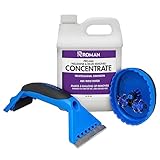
If hot water alone isn’t doing the trick, that’s when you bring out the cavalry: a dedicated wallpaper stripper solution. You can buy these at any hardware or home improvement store. They usually come in a concentrated liquid form that you dilute with water according to the package instructions. I’ve found that using a garden sprayer to apply the solution evenly is much faster and more efficient than trying to sponge it on. Make sure you cover the entire section you want to remove, and let it soak for the time recommended on the product label – usually around 15-20 minutes. Patience here is key; don’t rush the soaking process.
For really stubborn areas, or for papers that have multiple layers or are heavily textured, a wallpaper steamer can be a lifesaver. You can rent these from most tool rental places. The steam penetrates the paper and adhesive, softening it without requiring a lot of soaking time. Just be careful not to hold the steamer in one spot for too long, as excessive moisture can damage drywall. (See Also: Can You Use Removable Wallpaper On Desk )
When scraping, always use a plastic putty knife or a dedicated wallpaper scraper. Metal scrapers can easily gouge and damage the drywall beneath, creating extra repair work. Hold the scraper at a low angle to the wall and try to get under the edge of the paper.
Work in small sections. If you hit a really tough spot of adhesive that won’t budge, don’t keep hacking away at it.
Sometimes, a second application of stripper or steam, or even a light sanding after the wall has dried, can help remove stubborn residue before you prime and paint.
Why Is Wallpaper So Hard to Remove?
Wallpaper is hard to remove because it’s designed to stick firmly to walls for a long time. The adhesives used are often water-resistant and can be very strong, especially older formulas or those designed for high-moisture areas. Additionally, multiple layers of wallpaper or certain types of paper can create a very durable bond that resists simple scraping or soaking methods. The texture and material of the wallpaper itself also play a role in how easily it can be penetrated by removers.
Can You Just Paint Over Wallpaper?
While technically possible in some very specific circumstances, painting directly over wallpaper is generally not recommended by professionals. The wallpaper needs to be securely adhered, and even then, the paint might not hold well over time, especially if there are seams or bubbles. Furthermore, if you ever decide to remove the wallpaper later, it can be significantly more difficult to peel off after being painted, as the paint acts as a sealant. It’s always best practice to properly remove wallpaper before painting.
How Do I Get Wallpaper Paste Off My Walls?
Getting wallpaper paste off your walls usually requires a good cleaning solution. After removing the paper, you’ll likely have a sticky residue. Hot water mixed with a degreasing dish soap is often effective. You can also use a diluted solution of white vinegar and water, or a dedicated wall cleaner. Apply the solution with a sponge or cloth, let it sit for a few minutes to soften the paste, and then scrub gently with a sponge or a soft brush. Rinse thoroughly with clean water and allow the walls to dry completely before priming or painting.
What Is the Fastest Way to Remove Wallpaper?
The fastest way to remove wallpaper usually involves a combination of methods. A wallpaper steamer can significantly speed up the process by softening the adhesive quickly. For less resilient papers, a strong wallpaper stripper solution applied with a garden sprayer, followed by scraping, is also very efficient. The key to speed is effective softening of the adhesive, allowing for quicker and easier scraping, and working in manageable sections rather than trying to do the whole room at once.
Final Verdict
So, to circle back to the million-dollar question: does fabric softener remove wallpaper? My definitive answer, after too many sticky, frustrating hours, is a resounding ‘no, not effectively, and it’s usually a bad idea.’ While the surfactant theory might sound plausible, the reality is that fabric softener just isn’t formulated to break down the strong adhesives used in most wallpapers. You’re far more likely to end up with a gummy, sticky mess that requires more cleanup than the original paste.
Save yourself the headache and the smell. Invest in a dedicated wallpaper stripper solution or a steamer. They’re designed for the job, they work, and they’ll save you a ton of time and effort in the long run. Trust me on this one. Your walls, and your sanity, will thank you.
If you’re still tempted to try fabric softener, at least do a tiny test patch first. But don’t say I didn’t warn you when you’re scrubbing your walls for hours, smelling like a cheap laundry detergent.