The thought of tackling wallpaper removal can send shivers down your spine. I remember staring at the hideous floral monstrosity in my first apartment, convinced it was a job for a professional. So, the immediate question that pops into many DIYer’s minds is: do decorators remove wallpaper? The short answer is yes, they absolutely can, and often will. But whether they should and what that entails is a whole other story you need to hear before you hand over your keys and your wallet.
It’s not always as simple as a quick peel and a prayer. This isn’t just about scraping; it’s about understanding the wall beneath, the glue type, and the kind of mess you’re potentially creating. Let me tell you, I’ve seen my fair share of walls that looked like they’d been attacked by a badger after a bad wallpaper job.
So, Will a Decorator Actually Peel Your Old Paper?
Look, if you’re hiring someone to come in and give your room a facelift, and that involves getting rid of the existing wallpaper, then yes, they’re going to do it. That’s part of the gig. Most professional decorators consider wallpaper removal a standard, albeit often grunt-work, part of their service. It’s not some mystical art form reserved for specialists; it’s just prep work. If you’re paying for a room to be redecorated, and that means new wallpaper or paint, then the old stuff has got to go, and it’s on them to make that happen. They’ve got the tools, the experience, and importantly, the patience for it – something I often run out of after about an hour.
However, it’s vital to be clear about what you’re expecting. Don’t just assume they’ll magically know. When you get a quote, explicitly ask, ‘Does this include wallpaper removal?’ or ‘What’s the process for removing the existing wallpaper?’ This way, there are no surprises. Some decorators might price it into the overall job, while others might charge it as a separate line item. It’s usually priced based on the complexity of the removal, the estimated time, and the square footage of the room. A simple vinyl wallpaper that’s starting to peel at the edges is a cakewalk compared to old, stubborn, possibly glued-down paper that’s been painted over multiple times.
I once hired a guy who was supposed to be a ‘decorator,’ and when I asked him about the ancient, peeling paper in the hallway, he just shrugged and said, ‘Oh, I just paint over it.’ Paint over it! My jaw hit the floor. It looked like a topographical map of a mountain range under the new paint. So, no, not everyone who calls themselves a decorator is going to do the job properly. It’s all about managing expectations and making sure they have the right approach. They should be talking about stripping it, steaming it, or using chemical strippers – not just slapping more product on top of the mess.
The Actual Nitty-Gritty: How They Tackle It
Professional decorators usually have a arsenal of tools and techniques to make wallpaper removal as painless as possible, though ‘painless’ is relative. For most standard wallpapers, they’ll start by scoring the surface. This is usually done with a wallpaper scorer, a tool that looks a bit like a cheese grater on a handle. It creates tiny holes in the paper, allowing moisture or stripper to penetrate the surface and get to the adhesive underneath. Then comes the application of hot water, often mixed with a bit of wallpaper remover solution or even dish soap to help break down the glue. They’ll use a large sponge or a sprayer to saturate the paper, letting it soak for a few minutes.
For tougher jobs, especially with vinyl or older, glued-on papers, they might bring out a steamer. A wallpaper steamer is a beast of a machine that uses steam to soften the adhesive. They’ll hold the steam plate against a section of the wall for a minute or two, then start scraping. This is where the real work happens, using wide putty knives or scrapers. The goal is to get under an edge and peel the paper off in strips. The cleaner the strips come off, the less residue you have to deal with.
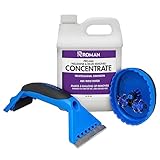
Sometimes, even after stripping and steaming, you’re left with stubborn patches of glue or paper backing. This is where more aggressive scraping, possibly along with a stronger chemical stripper, comes into play. These chemicals are usually a concentrated solution that you mix with water, and they really help dissolve any remaining adhesive. The key is to work methodically, section by section, and to be patient. Rushing this part is how you end up with gouged drywall or a wall that’s still sticky in places. I learned that the hard way trying to rush removing some awful flocked wallpaper; I ended up taking off half the drywall paper backing with it. (See Also: Does Judarn Wallpaper Remove Easily )
| Method | Pros | Cons | Decorator’s Verdict |
|---|---|---|---|
| Scoring & Soaking | Low cost, minimal mess for easy papers. | Ineffective on vinyl or multiple layers. Time-consuming. | Good starting point. Often not enough on its own. |
| Steaming | Effective on most papers, including stubborn ones. | Requires specialized equipment, can be messy. Potential for water damage if not careful. | The workhorse for tougher jobs. Reliable. |
| Chemical Strippers | Breaks down stubborn adhesives. | Can be harsh, requires good ventilation, potential for skin/eye irritation. | Use as a last resort for residual glue. Be careful. |
| Peelable Wallpaper | Designed to come off in large sections. | Not all ‘peelable’ wallpapers actually peel cleanly. | A blessing when it works, a curse when it doesn’t. |
The Dreaded ‘painted-Over’ Wallpaper
This is where things get truly unpleasant, and it’s often a point of contention. If your wallpaper has been painted over – and believe me, I’ve seen this mistake made multiple times by well-meaning but misguided DIYers and even some less-than-scrupulous ‘pros’ – then a decorator’s job becomes exponentially harder. The paint basically seals the wallpaper to the wall, making it incredibly difficult for water, steam, or chemicals to penetrate the paper and reach the adhesive.
In this scenario, a decorator won’t be able to simply peel it off. They have to scrape, scrape, and scrape some more. It’s a laborious process, often involving a lot of dry scraping, which creates an enormous amount of dust. Some decorators will resort to using a heat gun on a low setting to try and soften the paint and adhesive, but this is risky and can damage the drywall if not done with extreme care. More often than not, they will have to get down to the bare plaster or drywall, which can mean taking off layers of the wall itself.
My personal nightmare involved a textured wallpaper that had been painted a garish yellow. Trying to scrape it off was like trying to remove hardened cheese from a fondue pot. It chipped and flaked, leaving behind tiny, stubborn remnants. The decorator I eventually hired spent two full days just on the removal, and the dust was unbelievable.
It coated everything. We had to seal off the entire room with plastic sheeting. This is a prime example of why it’s so important to know what you’re dealing with before you start.
If the wallpaper is painted, you’re looking at a significantly higher cost and a much longer, messier job. A decorator will usually factor this difficulty into their quote, and it won’t be cheap.
It’s one of those jobs where you really appreciate the professionals, even if they do charge a premium for the headache.
Why Some Decorators Might Grumble (or Charge Extra)
Let’s be blunt: wallpaper removal isn’t the glamorous part of decorating. It’s messy, it’s tedious, and it’s often the most physically demanding aspect of the job. If a decorator is quoting for a job that involves painting or hanging new wallpaper, the removal of the old stuff is an added task. For many, it’s just part of the service, and they’ll price it accordingly. However, if the wallpaper is particularly difficult – think multiple layers, old glued-on paper, or the dreaded painted-over vinyl – they might grumble. And they absolutely have the right to charge more for it. (See Also: Does Peel And Stick Wallpaper Damage Walls When Removed )
You see, their quote is usually based on an estimate of time and materials. Removing stubborn wallpaper can easily take twice, or even three times, as long as initially estimated. That’s time they could be spending on more profitable work. So, if they encounter a wall that’s a nightmare to strip, they need to be compensated for the extra labor and the potential wear and tear on their tools. It’s also about managing their own workflow and reputation. If a job takes far longer than expected due to unforeseen issues like extremely difficult wallpaper, it can throw off their schedule for subsequent jobs. That’s a real problem for a tradesperson.
My advice? Be upfront about the wallpaper situation. If you know it’s old, if you suspect it’s been painted over, or if you can see it’s a really thick, textured type, tell them. If you’re unsure, let them come and take a look. A good decorator will be able to assess the situation and give you a realistic quote. If they seem hesitant or try to push you towards painting over it, that’s a red flag. A true professional will tell you the best course of action, even if it’s the harder one. It’s about honesty and delivering a quality finish, not just getting the job done quickly.
Faq: Your Burning Wallpaper Removal Questions
Do Decorators Charge Extra for Wallpaper Removal?
Yes, often they do, or it’s factored into the overall job cost. The price will depend on the type of wallpaper, how many layers there are, and how difficult it is to remove. Simple vinyl wallpapers might be included, but stubborn, old, or painted-over papers will almost certainly incur additional charges due to the extra time and effort required.
Can I Remove Wallpaper Myself Instead of Hiring a Decorator?
You can, absolutely. Many DIYers successfully remove their own wallpaper using tools like scrapers, steamers, and various solutions. However, it’s a labor-intensive and often messy job. If you’re unsure about the process, don’t have the right tools, or have a very difficult wallpaper, hiring a decorator might be a less stressful option, despite the cost.
What’s the Easiest Type of Wallpaper to Remove?
Peelable vinyl wallpapers are generally the easiest. They’re designed to be removed dry, often coming off in large strips. Non-woven (also known as paste-the-wall) wallpapers are also relatively straightforward. The more difficult types are older papers, those with fabric or flocking, papers that have been painted over, or any that were applied with a very strong adhesive.
How Long Does Wallpaper Removal Take?
This varies wildly. A single layer of easy-to-remove wallpaper in a small room might take a professional a few hours. However, a room with multiple layers of stubborn, glued-on, or painted-over wallpaper could take a decorator a day or even two full days. For a DIYer, it can often take even longer.
Is Hiring a Decorator for Wallpaper Removal Worth It?
Ultimately, whether it’s worth hiring a decorator to remove wallpaper comes down to a few factors: your budget, your time, your DIY confidence, and the condition of the existing wallpaper. If you have the budget and want a guaranteed, professional finish with minimal stress on your part, then yes, hiring a decorator is likely worth it. They have the experience and the tools to get the job done efficiently and correctly, avoiding potential damage to your walls that a novice might cause. They know how to handle different types of wallpaper and adhesives, and they’ll make sure the surface is properly prepped for whatever comes next – be it fresh paint or new wallpaper. (See Also: Can You Use Removable Wallpaper On Desk )
However, if you’re on a tight budget, have plenty of patience, and aren’t afraid of a bit of hard graft (and dust!), then attempting it yourself is definitely feasible. There are plenty of resources and tools available to help you tackle it. Just be prepared for it to be more challenging than it looks on TV. I’ve done both – hired pros for some jobs and DIYed others.
For my current project, a small bathroom with a single layer of mid-century vinyl wallpaper, I’m doing it myself. It’s a bit of a slog, but I can see the wall underneath is in good condition, and I’m not on a deadline. For the living room, which has that dreadful painted-over textured paper?
I’m definitely calling in the cavalry, or rather, a decorator who specializes in difficult removals. It’s about picking your battles and knowing when to invest in professional help for a cleaner, faster, and ultimately better result, especially when dealing with those particularly stubborn layers of the past.
Final Verdict
So, to circle back to the main question: do decorators remove wallpaper? The resounding answer is yes, it’s part of their professional repertoire. But it’s not always a simple, quick job. The real takeaway is to have an open conversation with your decorator upfront about what’s on those walls and what you expect. Understanding the potential challenges, like painted-over paper or multiple layers, will help you get an accurate quote and avoid nasty surprises.
If you’re facing a wall that looks like it’s been there since the dawn of time and cemented in place, seriously consider the value of professional expertise. It might save you a lot of sweat, dust, and potentially costly mistakes down the line. My own experience has taught me that sometimes, the best tool in your box is knowing when to call someone who has all the right tools and the know-how.
Next time you’re planning a refresh, remember this: get the prep right, and the rest will follow. What kind of wallpaper horror stories have you encountered?