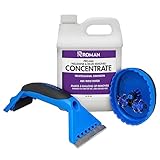
I remember staring at that wall, covered in layers of floral nightmare wallpaper from the 70s, armed with a brand new jug of DIF. I’d been told it was the magic bullet, the stuff that would make this job a breeze. Hours later, covered in sticky goo and with only a fraction of the paper gone, I started to wonder if maybe, just maybe, the product itself had lost its mojo. It begs the question: does DIF wallpaper remover expire?
It’s a question I’ve wrestled with, and one that doesn’t always get a straight answer online. Most people just say ‘use it fresh’. But what if you find an old jug in the garage? Or you only need a little bit for a small patch? Is it a gamble?
I’ve spent my fair share of weekends battling stubborn wallpaper, and let me tell you, the wrong tool or an old product can turn a DIY dream into a homeowner’s hell. So, let’s get down to brass tacks about whether this popular remover actually has a shelf life.
Old Jugs, New Problems: The Shelf Life of Wallpaper Remover
Look, the simple answer is yes, wallpaper remover can expire, or at least degrade in effectiveness. Most of these products are chemical concoctions, and chemicals don’t last forever. They can break down, separate, or lose their potency over time. Think of it like milk; it’s great when it’s fresh, but leave it on the counter too long and it’s useless, and frankly, a bit gross.
The active ingredients in wallpaper removers, often a mix of solvents and surfactants, are designed to penetrate and loosen the adhesive holding that paper to your wall. When these ingredients start to go south, their ability to do that job is severely hampered. You’ll end up with a product that might still look okay, smell vaguely chemical, but offers about as much help as a cup of lukewarm water.
I’ve been there. I once found a half-used jug of a different brand, probably five years old, tucked away in my dad’s shed. I figured, “What the heck, it’s still liquid, right?” Wrong. It was like trying to dissolve cement with a squirt of Windex. It just sat there, mocking my efforts. I ended up spending twice as long and using way more elbow grease than I would have with a fresh, effective product. That’s when I learned that while the upfront cost of a new jug might sting, the cost of wasted time and effort with a dud product is way higher.
So, how long do you have? It’s not an exact science, and it depends on how it’s stored. But generally, you’re looking at a good few years, maybe up to five, if it’s kept sealed and out of extreme temperatures. Once opened, the clock starts ticking a bit faster, especially if it’s not resealed properly.
What’s Actually in the Jug and Why It Matters
Understanding what’s in that jug of DIF helps explain why it doesn’t last forever. Most wallpaper removers, including DIF, rely on a combination of ingredients to break down wallpaper paste. You’ve got your surfactants, which help the liquid spread and penetrate, and then you have your active agents. These are often some form of glycol ethers or other solvents designed to soften the glue. For really tough adhesives, they might throw in something a bit stronger.
When the jug sits around, especially if it’s exposed to air through a loose cap or temperature fluctuations, these chemicals can react with each other or with the air. The solvents can evaporate, or the mixture can stratify, meaning the heavier components sink to the bottom and the lighter ones rise to the top. You might see a cloudy layer at the bottom or a watery layer on top – that’s a sign the magic is fading. (See Also: Does Judarn Wallpaper Remove Easily )
This separation is a huge red flag. Even if you shake it like crazy, you’re unlikely to get the original, uniform chemical balance that makes the product effective. It’s like trying to make a cake by just stirring all the ingredients together randomly instead of following a recipe. You might get something that looks like cake, but it won’t taste or bake right.
I learned this the hard way with a product that had separated. I thought a vigorous shake would fix it. Nope. It was like applying water. The wallpaper just sat there, smugly attached to the wall. I had to go buy a new jug, which was not only a waste of money on the old one but also a delay to my project. It’s a classic case of “penny wise, pound foolish” when you try to salvage old, degraded chemicals.
The Smell Test and Other Signs of Decay
So, how do you know if your wallpaper remover has gone off before you even start scraping? It’s not always obvious, but there are clues. The first thing to check is the consistency and appearance of the liquid inside. If it looks like oil and water that have refused to mix, with distinct layers or cloudiness, that’s a pretty good indicator it’s past its prime. Give it a good shake, but if it doesn’t return to a uniform, clear or slightly colored liquid, don’t expect miracles.
The smell is another clue. Most wallpaper removers have a distinct chemical odor. If the smell has changed significantly – maybe it’s weaker, or it smells more like vinegar or something else entirely – that’s a sign the active ingredients might have broken down. Don’t rely on this solely, as scents can be subjective, but a drastic change is worth noting.
Another, more obvious sign, is if the product has actually solidified or become gummy at the bottom. This can happen if it’s been stored in freezing temperatures, which can damage the chemical structure. Conversely, if it’s been stored in a really hot garage, some of the volatile components might have evaporated, leaving a more concentrated, less effective, or even crusty residue.
Ultimately, the best test is a small, inconspicuous patch. Apply it to a corner of the wallpaper you intend to remove. Let it sit for the recommended time. If it’s not softening the paper or loosening the paste, even after a second application, it’s probably time to retire that jug and buy a fresh one. It’s better to know before you’ve spent hours on a large section of wall only to realize your remover is a dud.
Common Mistakes and What Not to Do
People make a few classic blunders when it comes to wallpaper remover, especially concerning its shelf life or application. The most obvious, as we’ve discussed, is trying to use an old, degraded product. This leads to frustration, wasted time, and sometimes, damage to the underlying wall because you’re scrubbing harder than necessary.
Another mistake is improper storage. Leaving the jug out in the sun, in a freezing garage, or with the cap not screwed on tightly will significantly shorten its usable life. These chemicals are sensitive to temperature extremes and air exposure. Always store them in a cool, dry place, away from direct sunlight, and make sure the lid is sealed tight. Think of it like storing paint or adhesives – consistent, moderate conditions are key. (See Also: Does Peel And Stick Wallpaper Damage Walls When Removed )
Some folks also make the mistake of not preparing the wall properly before application. Even with fresh remover, if you don’t score the wallpaper (especially vinyl or foil-backed types) to allow the solution to penetrate, you’ll have a tough time. The remover needs a way in to do its work. So, get yourself a scoring tool if you’re dealing with anything other than old, porous paper.
Then there’s the “more is better” fallacy. While you want to make sure the wallpaper is saturated, you don’t need to drown the wall. Over-application can lead to excessive run-off, which can damage baseboards, flooring, or even the plaster underneath if it seeps in too much. Use enough to saturate, but don’t create a waterfall. I once saw a friend absolutely drench a wall, and the paste turned into this thick, goopy sludge that was even harder to scrape off than the original adhesive. Plus, it made a huge mess.
Real-World Use: When Freshness Counts
Let’s talk practical application. When I’m starting a wallpaper removal project, especially a big one, I always buy a fresh jug of whatever remover I’m using. Period. The peace of mind knowing I have a product that’s going to perform as intended is worth the extra ten or twenty bucks. I’ve had too many projects go sideways because of dodgy chemicals to risk it.
For example, I tackled a room with multiple layers of thick, old wallpaper a few years back. I bought a brand new jug of DIF. I scored the paper religiously, saturated it thoroughly, and let it sit for about 15 minutes. It was still a job, don’t get me wrong – there’s no magic wand for wallpaper removal – but the paper peeled off in large sheets, with minimal scraping needed. The DIF was doing its job, softening the paste so effectively that it saved me hours of back-breaking work.
Contrast that with a smaller project where I tried to use up some leftover remover. It was maybe two years old, stored in the garage. I didn’t score the paper, thinking the remover would do all the work. It barely softened the top layer. I ended up having to score it anyway, then reapply the old remover, then scrub with a putty knife, and then finally resort to buying a new jug of a different brand. It took me three times as long and was infinitely more frustrating than the first job. That’s a lesson you don’t forget.
The key takeaway here is that for the most efficient and least frustrating wallpaper removal experience, especially when dealing with stubborn, old adhesives, fresh product is king. It’s not about the brand as much as it is about the chemical integrity of the solution. While some products might last longer than others under ideal conditions, you’re always rolling the dice with older, opened, or improperly stored containers. So, does DIF wallpaper remover expire? Yes, and it’s best to assume it might be past its prime if it’s not fresh and properly stored.
Practical Tips for Maxing Out Your Remover
Even with fresh product, there are ways to make your wallpaper remover work smarter, not harder. First, always read the instructions on the label. Different brands and types of removers have slightly different recommendations for dilution ratios (if applicable) and dwell times. DIF is generally ready-to-use, but always give the label a once-over.
Scoring is your best friend, especially for vinyl, foil, or heavily painted wallpaper. Use a scoring tool or even a sharp utility knife to make a pattern of small holes or cuts across the surface. This allows the remover to penetrate the paper and reach the adhesive beneath. Don’t go too deep, though; you don’t want to gouge the drywall. (See Also: Can You Use Removable Wallpaper On Desk )
Apply the remover generously. You want the wallpaper to be thoroughly saturated. Use a roller, a garden sprayer (for large areas), or a large sponge. Let it sit for the recommended time. This is important. Rushing this step means the chemicals don’t have enough time to break down the adhesive. For really stubborn paper, you might need to apply a second coat or let the first coat sit a bit longer, reapplying if it starts to dry out.
Protect your surroundings. Cover floors, baseboards, and furniture with drop cloths. The remover can stain or damage finishes. Have rags and buckets ready to catch drips and clean up as you go. This makes the post-removal cleanup much easier.
Finally, consider the type of wallpaper and adhesive. Older, unpainted paper with water-soluble paste will come off more easily than newer vinyl papers with strong industrial adhesives. Sometimes, for very old or tough jobs, a combination of a chemical stripper and a steamer can be effective. However, for most standard situations, a good quality, fresh wallpaper remover should do the trick.
Faq: Your Burning Questions Answered
How Long Does Dif Wallpaper Remover Last Once Opened?
Once opened, the effective life of DIF wallpaper remover can be reduced. While it might not become completely useless overnight, its potency will likely degrade faster than in a sealed container. It’s best to use it within a year or two of opening, provided it’s been stored correctly and shows no signs of separation or spoilage.
Can I Use Old, Expired Wallpaper Remover?
You can try to use old or expired wallpaper remover, but it’s not recommended. The chemicals may have degraded, rendering it ineffective. You’ll likely end up wasting your time and effort, and potentially causing more work for yourself if it doesn’t perform as expected, leading to frustration and delays.
What Happens If Wallpaper Remover Expires?
When wallpaper remover expires or degrades, its active chemical components break down. This means it loses its ability to effectively penetrate and soften wallpaper paste. Instead of a smooth removal process, you’ll likely find the wallpaper is much harder to detach, requiring excessive scraping and effort, and potentially damaging the underlying wall surface.
Is There a Way to Revive Old Wallpaper Remover?
Generally, no. Once the chemical compounds in wallpaper remover have degraded, separated, or evaporated, they cannot be effectively revived. Shaking might temporarily mix separated layers, but it won’t restore the original chemical efficacy. It’s always best to use fresh product for reliable results.
Conclusion
So, to put it plainly, does DIF wallpaper remover expire? Yes, it can. Like most chemical products, it has a shelf life, and its effectiveness diminishes over time, especially if it’s not stored properly or has been opened. Trying to use an old jug is a gamble that usually doesn’t pay off, leading to more work and frustration.
My advice? If you’re embarking on a wallpaper removal project, especially a large one, do yourself a favor and buy a fresh jug. The cost of a new product is a small price to pay for saving yourself hours of potential struggle and a ruined weekend. Always check for signs of separation or odd smells, but ultimately, a fresh start with a fresh product is the most reliable path.
Think about the last time you found an old can of paint you were hoping to use. Same principle. If it’s been sitting around for years, exposed to temperature swings, it’s probably best to retire it and grab a new one. Your walls – and your sanity – will thank you for it. And if you’ve got a half-used jug from a few years back, it’s probably time to let it go and pick up a fresh one for your next project.