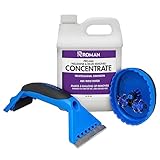
I stood there, staring at a wall that looked like a badger had gone wild with a box of old cereal. Layers upon layers of wallpaper, glued on with what I can only assume was industrial-strength concrete. I’d watched enough DIY videos to be dangerous, and one common piece of advice kept popping up: score the wallpaper before you try to peel it. So, does scoring help remove wallpaper? Let me tell you, it’s not the magic bullet everyone makes it out to be, but it definitely has its place.
My first attempt at wallpaper removal was a disaster. I tried a flimsy plastic scraper, a gallon of hot water, and a whole lot of hope. The wallpaper just laughed at me, peeling off in tiny, stubborn strips that left behind a sticky, paper-pulp mess. It was soul-crushing. Then I remembered seeing those little roller tools with the tiny spikes. The promise was that they’d create micro-holes, letting the water and stripper sink in. Seemed logical, right?
The Theory: Why Scoring should Work
Okay, so the idea behind scoring wallpaper is pretty simple. Think of it like this: wallpaper is basically a barrier.
It’s designed to stick to your wall and keep things looking nice. When you try to soak it with water or a stripper solution, that liquid has to fight its way through the paper itself. If the paper is intact, especially if it’s vinyl-coated or has a glossy finish, that liquid just beads up and runs off, or soaks in painfully slowly.
That’s where the scoring tool comes in. It’s basically a small roller with sharp metal teeth or spikes.
You run it over the surface of the wallpaper, and it creates a multitude of tiny holes. The theory is that these little perforations act like highways for your stripper solution. The liquid can now penetrate the paper much more effectively, reaching the adhesive underneath and breaking it down.
This should, in theory, make the wallpaper much easier to peel off in larger sheets instead of those infuriating little scraps.
I remember my first encounter with one of these tools. It looked a bit menacing, like something you’d use to tenderize a steak, but for walls. I bought a cheap one from the hardware store, probably cost me around $8.
It felt sturdy enough in my hand. The instructions, as usual, were minimal.
‘Score wallpaper thoroughly,’ it said. Easy enough. I started rolling it over a section of my living room wall, which was covered in a particularly stubborn, floral monstrosity. The tool made a satisfying ripping sound as the little spikes tore into the paper.
It didn’t feel like it was damaging the drywall underneath, which was my main concern. It just made a lot of tiny little tears. So, the theory is sound: more holes, more stripper penetration, faster removal. Simple, right?
Well, as with most DIY projects, reality can be a bit messier.
My Firsthand Experience: Does Scoring actually Help Remove Wallpaper?
Look, I’m going to be blunt. Does scoring help remove wallpaper? Yes.
Does it magically make the entire job a walk in the park? Absolutely not. (See Also: Does Judarn Wallpaper Remove Easily )
My first major wallpaper removal project involved a room that had, I kid you not, three layers of the stuff. The top layer was a glossy vinyl that water just slid off.
I scored that thing to oblivion with a spiked roller. It looked like a piece of Swiss cheese. Then I liberally applied my DIY hot water and dish soap mixture.
And you know what? It helped. The water did seem to soak in better, and I was able to peel off larger sections than I would have without scoring. It wasn’t effortless, mind you.
I was still scraping, still getting my hands sticky, and still muttering curses under my breath.
The real surprise for me came with the second layer. This was a textured paper, and the scoring tool seemed to struggle a bit more to get through the raised patterns. It still made holes, but it felt less effective.
The biggest takeaway from that first room was that scoring is most effective on smooth, vinyl, or glossy wallpapers. If you have a textured paper, or something that’s already peeling and brittle, scoring might just tear it into even smaller pieces. I distinctly remember a moment of pure frustration where I’d scored a section, sprayed it, and instead of peeling off, it just sort of disintegrated into a paste.
That was a surprise. It wasn’t necessarily worse than not scoring, but it certainly wasn’t the dramatic shortcut I’d hoped for.
What to Look for in a Scoring Tool (and What to Avoid)
When you’re out shopping for a wallpaper scoring tool, you’ll see a few different types. The most common is the spiked roller. These are generally good, but pay attention to the spike length and sharpness. I’ve used some where the spikes were dull, and they just kind of mashed the wallpaper instead of piercing it.
You want sharp, distinct points. The handle is also important – you’ll be using some muscle, so something comfortable and non-slip is a good idea.
I’ve seen some with extendable poles, which are great for high walls or ceilings, but they can be a bit unwieldy for smaller spaces. For most standard walls, a simple handheld one will do just fine. I spent about $15 on a good quality one a few years back, and it’s held up perfectly. Don’t cheap out too much here; a tool that rips instead of pierces is useless.
There are also scraper-type scoring tools, often with little blades. Honestly, I’ve never found these as effective for large areas. They’re better for getting into corners or very specific spots. My personal preference is the spiked roller.
One thing to absolutely avoid? Tools with spikes that are too long or too sharp. While you want effective piercing, you don’t want to dig into your drywall. I once saw a friend using a tool with really aggressive spikes, and he’d actually nicked the drywall paper in a few places.
That’s an extra repair job you don’t need. Aim for a tool that creates clean perforations without damaging the wall surface underneath. A good rule of thumb is to test it on an inconspicuous area first. If it tears the drywall paper, it’s too aggressive. (See Also: Does Peel And Stick Wallpaper Damage Walls When Removed )
Common Mistakes People Make (and How Not To)
The biggest mistake I see people make, and honestly, I’ve made it myself, is expecting scoring to be the only step needed. People score the wall, spray some water, and then get frustrated when the wallpaper doesn’t magically fall off. Scoring is a preparatory step. It enhances the effectiveness of your stripper solution, but it doesn’t replace the need for a good stripper and a bit of elbow grease. You still need to let the stripper soak in for the recommended time. Rushing this part is a surefire way to make the whole job take longer and be more annoying.
Another common error is scoring too lightly or unevenly. If you only score in a few spots, the stripper won’t penetrate effectively in the un-scored areas.
You need to cover the entire surface thoroughly. Think of it like prepping a surface for paint – you wouldn’t just sand a few random patches, right? Apply consistent pressure and overlap your passes with the scoring tool. Also, people often forget about the type of wallpaper they’re dealing with.
Scoring is fantastic for vinyl or foil wallpapers that resist water. But for older, porous, or fabric-backed papers, scoring might actually be overkill or even counterproductive, as they tend to absorb liquid more readily. I learned this the hard way when I scored a beautiful, old grasscloth wall. It just made it mushy and impossible to remove cleanly.
For those types, a good stripper and patience are often better than scoring.
The Real Way to Use Scoring Effectively: Practical Tips
So, how do you actually make scoring work for you? First, identify your wallpaper. Is it glossy? Vinyl-coated?
If yes, scoring is your friend. If it’s textured, old, or a natural material, proceed with caution or skip it. Once you’ve decided to score, do it thoroughly. I mean thoroughly.
Cover every square inch. Don’t be shy with the roller; apply decent pressure. Make sure you’re creating actual holes, not just scuff marks. After scoring, apply your wallpaper stripper.
I’ve found that a pump sprayer works best for even application. Don’t be stingy with the stripper. Let it soak for the time recommended on the product label.
This is where patience comes in. You’ll often see the edges start to bubble or lift, which is a good sign.
Here’s a tip that really changed the game for me: use a combination approach. After scoring and applying stripper, and letting it soak, use a wide putty knife or a dedicated wallpaper scraper.
Start at a seam or a loose edge and try to get the scraper underneath. Work slowly and deliberately.
If a section isn’t coming off easily, apply more stripper and let it sit longer. Don’t force it. For stubborn spots, especially around old adhesive residue, I’ve found a good quality wallpaper steamer to be a lifesaver. The scoring tool helps get the stripper to the adhesive, but sometimes, a blast of steam is the final push you need. (See Also: Can You Use Removable Wallpaper On Desk )
I generally follow this process: score (if appropriate), soak with stripper, let sit, scrape gently, steam if needed. It’s not a one-step miracle, but it’s a solid, effective strategy.
A Quick Comparison Table: Scoring vs. No Scoring
| Method | Effort Required | Speed of Removal | Effectiveness on Vinyl/Glossy Paper | Effectiveness on Textured/Old Paper | Verdict |
|---|---|---|---|---|---|
| Scoring + Stripper | Moderate to High | Moderate to Fast | High | Moderate (can be tricky) | Recommended for vinyl/glossy; use with caution on others. |
| Stripper Only | High | Slow to Moderate | Low to Moderate | Moderate to High | Good for porous/textured, but slower on vinyl. |
| Steamer Only | Moderate | Moderate to Fast | Moderate to High | Moderate to High | Effective, but can be messy and requires equipment. |
I’ve included this table because sometimes seeing it laid out helps. When I first started, I was so focused on just getting the paper off, I didn’t think about optimizing the process.
The table highlights why scoring is so often recommended: it specifically tackles that annoying vinyl barrier. For anything else, it’s less of a guarantee.
I remember tackling a bathroom with some really old, brittle wallpaper, and I scored it like crazy. Big mistake. It just turned to dust.
My go-to now is to assess the wallpaper first. If it’s modern and looks sealed, I grab the scoring tool. If it looks like it’s been on the wall since the 70s and has a matte finish, I’ll probably skip scoring and go straight for a good stripper and maybe the steamer, just in case.
What Are the Risks of Scoring Wallpaper?
The main risk of scoring wallpaper is accidentally damaging the drywall underneath. If the spikes on your scoring tool are too long or too sharp, or if you apply excessive pressure, you can nick or tear the drywall paper. This means you’ll have extra repair work to do after the wallpaper is removed, which adds time and cost to your project. Another risk is that scoring can sometimes make removal messier if the paper becomes too saturated and turns into a pulpy paste, making it harder to get off in clean sheets.
Can I Score Wallpaper If I Don’t Have a Scoring Tool?
You can improvise, but it’s not ideal. Some people try using a utility knife or even coarse sandpaper to create small tears. However, these methods are often less effective and riskier than using a dedicated scoring tool. A utility knife can easily cut too deep into the drywall, and sandpaper can clog up quickly. A spiked wallpaper scoring tool is designed to create the right kind of perforations without damaging the wall, so it’s worth investing in one if you plan on removing a significant amount of wallpaper.
How Many Times Should I Score the Wallpaper?
You don’t need to score it multiple times. Once is usually sufficient. The goal is to create enough small holes to allow the stripper solution to penetrate the wallpaper and reach the adhesive. Over-scoring can waste your time and effort, and as mentioned, might even damage the wall. Focus on making sure you’ve covered the entire area thoroughly with consistent scoring passes.
Does Scoring Work on All Types of Wallpaper?
No, scoring is most effective on vinyl, foil, or heavily coated wallpapers that are designed to be moisture-resistant. These types of wallpapers prevent stripper solutions from soaking in easily. For older, porous, or textured wallpapers, scoring may not be necessary or even beneficial, as they often absorb liquids more readily. In some cases, scoring these types of papers can make them disintegrate into a mushy mess, making removal more difficult.
Verdict
So, after wrestling with countless rolls of stubborn wallpaper, I can confidently say that yes, scoring does help remove wallpaper, especially the vinyl and glossy kinds. It’s not a magic wand, but it significantly speeds up the process by letting your stripper solution do its job more effectively. Just remember, it’s a tool to enhance the removal, not the entire solution.
Don’t expect miracles if you’re dealing with old, brittle paper or if you haven’t let your stripper soak properly. Be patient, score thoroughly, and let the chemicals do their work. I’ve learned that proper preparation and understanding your wallpaper type are just as important as the tools you use. If you’re facing a wall of vinyl, get yourself a decent scoring tool – it’ll save you a lot of headache.
My last wall project involved a particularly nasty satin-finish paper. I scored it, soaked it, and it peeled off in strips almost as wide as my scraper. It felt like a victory. So, does scoring help remove wallpaper? For the right kind of paper, and used correctly, it’s a definite yes. Now, if you’ll excuse me, I need a drink.