I remember staring at that hideous floral wallpaper in my first fixer-upper. It looked like something a Victorian undertaker might have chosen for his parlor. My real estate agent, bless her optimistic heart, kept saying, ‘It’s just wallpaper, you can deal with it.’ Deal with it? It was peeling at the edges, faded in the sun, and probably harbored a colony of ancient dust bunnies. That experience kicked off my deep dive into whether does removing wallpaper increase home value, and let me tell you, the answer isn’t as simple as a coat of paint.
Look, if you’re thinking of selling soon or just want your house to feel less like a time capsule, you’re probably wondering about the impact of ditching that dated wall covering. It’s a question that pops up a lot, and frankly, most of the advice out there is too fluffy.
The Real Reason Buyers Hate Old Wallpaper
Let’s cut to the chase: buyers, especially younger ones or those looking for move-in-ready, generally do NOT want wallpaper. Especially not the thick, textured, or heavily patterned stuff that was popular in the 70s, 80s, and 90s. Why? Because they associate it with a huge, messy, and time-consuming project. They see that wallpaper and mentally add weeks of scraping, sanding, and painting to their renovation budget. For many, it’s an immediate turn-off, making them question the overall maintenance of the house. Even if it’s perfectly good wallpaper, if it’s out of style, it signals ‘dated’ to a potential buyer, and that translates to less perceived value.
I’ve walked through open houses where the walls were covered in what I can only describe as ‘dream catcher nightmares’ or ‘vomit-inducing geometrics.’ The sellers clearly loved it at some point, but walking in, my first thought wasn’t about the square footage; it was about how many weekends I’d have to dedicate to stripping that stuff. It’s not about the wallpaper itself having some inherent negative quality; it’s about the perception and the labor involved in its removal.
A buyer with a busy life isn’t looking to spend their precious downtime battling stubborn adhesive. They want to move in, maybe paint a few rooms, and start enjoying their new home. Wallpaper represents a barrier to that immediate gratification. It adds a layer of ‘work’ to a purchase that should ideally feel like a fresh start.
Think about it: would you rather buy a house that needs immediate, messy demolition, or one that’s ready for your personal touch with a clean, neutral canvas?
The general consensus among real estate agents I’ve spoken with, and from my own experiences both buying and selling, is that a home that looks like it’s been reasonably maintained and is ready for cosmetic updates, rather than major structural or cosmetic overhauls, will always perform better. Old wallpaper often falls into that ‘major overhaul’ category in a buyer’s mind, even if the actual removal is straightforward. It’s the psychological barrier that counts. This is why, in many cases, the answer to does removing wallpaper increase home value is a resounding yes, but it’s more about removing a negative than adding a positive. It’s about making the home appealing to a wider pool of buyers who are looking for less hassle.
The ‘how-To’ and What to Watch Out For
So, you’ve decided to take the plunge. Good for you. Removing wallpaper is, for the most part, a DIY-friendly job, but it’s not always as easy as the YouTube tutorials make it look. The biggest variable is the type of wallpaper and, importantly, the adhesive used. Strippable wallpaper is your best friend here. You can often peel off large sections by hand after scoring the surface. If it’s not strippable, you’re likely dealing with traditional pasted wallpaper, which requires moisture. This usually involves a scoring tool to create tiny holes, allowing water or a chemical stripper to penetrate the paper and loosen the glue.
Here’s where things can get hairy. If the walls underneath were improperly prepared before the wallpaper was hung – meaning no primer, or the wrong kind of primer – you’re going to have a bad time.
The adhesive can bond directly to the drywall paper, and when you try to strip the wallpaper, you’ll end up with ripped-up drywall paper. This means you’ll then have to skim coat, sand, and prime the walls before you can even think about painting. I learned this the hard way in a bathroom. I spent two solid days peeling off some ghastly seagull-themed monstrosity, only to find the drywall surface was a mess of torn paper.
It turned a one-weekend job into a four-weekend ordeal. That added cost and labor for fixing the walls definitely ate into any perceived value gain from the removal itself. (See Also: Does Judarn Wallpaper Remove Easily )
It’s a gamble, and sometimes you lose.
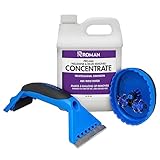
The tools you’ll need are pretty standard: a scoring tool (like a paper tiger), a spray bottle or garden sprayer for your water/stripper solution, a good quality putty knife or scraper (plastic is often safer for drywall), a bucket for the solution, sponges, rags, and plenty of trash bags. For stubborn adhesive, you might need a dedicated wallpaper steamer, which can be rented or purchased relatively cheaply. However, excessive steaming can damage drywall if you’re not careful, so moderation is key. Always test a small, inconspicuous area first to see how the wallpaper and your chosen method react. You want to be prepared for the worst-case scenario, which is often dealing with multiple layers of wallpaper or incredibly stubborn adhesive that requires significant effort to remove without damaging the wall surface underneath.
Here’s a simple breakdown of the process, assuming it’s not the ‘strippable’ kind:
- Score the Wallpaper: Use a scoring tool to create small perforations across the entire surface. Don’t go too deep, just enough to break the paper’s surface.
- Apply Solution: Mix your wallpaper stripper solution (hot water and a bit of dish soap or a commercial stripper) and generously spray or sponge it onto the wallpaper. Let it soak according to the product instructions – usually 10-15 minutes.
- Start Peeling: Begin at a seam or corner and use your scraper to gently lift the wallpaper. Work in sections. Reapply solution as needed to keep the area moist.
- Scrape Adhesive: Once the paper is off, you’ll likely have adhesive residue. Scrape this off carefully with your putty knife.
- Wash Walls: Wash down the walls with a sponge and clean water to remove any remaining glue. Let them dry completely.
- Inspect and Repair: Check for any damage to the drywall paper. If there’s minor damage, a light skim coat of joint compound, followed by sanding and priming, will fix it. If it’s bad, you might need to replace sections of drywall.
The ‘contrarian’ View: When Not to Strip
Now, here’s where I go against the grain a bit. Everyone says, ‘Get rid of the wallpaper!’
And usually, they’re right. But there are specific situations where leaving it might actually be the smarter move, especially if you’re not selling immediately or if the wallpaper is a high-quality, expensive type that’s still in decent condition. For instance, if you have beautiful, hand-painted silk wallpaper in a dining room, or a very high-end, textured grasscloth that’s surprisingly timeless and in good shape, trying to remove it could be a costly mistake.
Some of these premium wallpapers are incredibly difficult, if not impossible, to remove without damaging the wall. Plus, they represent a significant investment that a buyer might appreciate, particularly if they have an eye for that sort of luxury finish.
My friend Sarah bought a historic home, and the master bedroom had this incredible, old scenic wallpaper that depicted a forest. It was faded in places, sure, but it was also a piece of art. The inspector said it was likely original and incredibly delicate. Everyone, including me, told her to rip it out.
She got quotes, and the removal alone was astronomical, with no guarantee the walls underneath would be perfect. Instead, she embraced it. She had a professional restorer come in, touch up the faded areas, and now that room is a showstopper. It’s unique, it tells a story, and it’s a massive selling point for buyers who appreciate historic homes.
It didn’t decrease her home value; it arguably increased it because it was a unique, preserved feature, not just ‘old wallpaper.’
The key here is discerning between ‘dated and cheap’ and ‘vintage and valuable.’ If the wallpaper is peeling, stained, or just plain ugly in a way that screams ’80s mall kiosk,’ then yes, strip it. (See Also: Does Peel And Stick Wallpaper Damage Walls When Removed )
But if it’s a high-quality material, a unique design that’s appreciated by a niche market, or something that adds character rather than detracting from it, you might be better off investing in professional cleaning or restoration. The cost and effort of removing truly high-end or historically significant wallpaper can outweigh the perceived benefit for most buyers. Sometimes, preserving a unique feature can be a stronger selling point than a generic blank wall. So, before you grab that scoring tool, take a serious, honest look at what you’re dealing with.
Is it a problem to be solved, or a feature to be cherished?
Cost vs. Perceived Value: Does It Pay Off?
This is the big question: does removing wallpaper increase home value enough to justify the effort and cost? In most cases, yes, but it’s rarely a direct dollar-for-dollar return. Think of it as a necessary renovation to make your home competitive, rather than an investment that will double your money. The cost can range wildly. If you’re lucky and the wallpaper is easily strippable with minimal adhesive residue, you might spend less than $100 on tools and cleaning supplies. I did a small powder room for under $50 in supplies, and it took me about four hours of work.
However, if you encounter the nightmare scenario I described earlier – torn drywall paper, multiple layers, or stubborn adhesive – the costs can skyrocket. Hiring professionals to remove wallpaper can run anywhere from $1 to $3 per square foot, depending on the complexity and your location. For a 12×15 foot room, that’s roughly $180 to $540 just for the removal. Then you have the cost of repairs, priming, and painting, which can easily add another $300 to $800 or more, depending on the extent of the damage and the quality of paint you choose. So, a seemingly simple wallpaper removal job can quickly turn into a $500 to $1,500+ project.
The perceived value increase comes from making your home more appealing to a broader range of buyers. A buyer sees a clean, neutral wall, ready for their personal style, and they feel like they’re buying a move-in-ready home, not a project. This can translate to a faster sale and potentially multiple offers, which can drive the price up. In a buyer’s market, a home with dated wallpaper might sit on the market for months, while a similar home with clean walls sells quickly.
In a seller’s market, it’s even more important to present your home in the best possible light, and outdated wallpaper is a glaring negative. I’ve seen homes with similar square footage and condition sell for 5-10% more simply because one had been updated and decluttered, and the other still had that ‘grandma’s house’ vibe. While removing wallpaper itself might not add $10,000 in value to a $300,000 home, it removes a significant negative that could cost you $10,000 or more in a reduced sale price or a prolonged listing time. It’s about clearing obstacles.
Here’s a quick comparison table of scenarios:
| Scenario | Estimated Cost (DIY) | Estimated Cost (Pro) | Likely Value Impact | My Verdict |
|---|---|---|---|---|
| Easy Strippable Wallpaper | $50 – $150 | $200 – $500 | Moderate (Removes Negative) | Worth it. Big win for buyer appeal. |
| Standard Paste, No Wall Damage | $100 – $250 | $400 – $1000 | Moderate to High (Opens Market) | Definitely worth it. Key step. |
| Stubborn Paste, Minor Wall Damage | $200 – $500 + Repair Materials | $700 – $1500+ (Removal + Repair) | Moderate to High (If Repaired Well) | High effort, but necessary. Important for sale. |
| Historic/High-End Wallpaper | N/A (Requires Pro) | $1000+ (Restoration/Removal) | Variable (Can add or subtract) | Proceed with extreme caution. Assess uniqueness. |
Common Mistakes Homeowners Make
The most common mistake I see people make is underestimating the difficulty and mess involved. They see a small roll of wallpaper and think, ‘This will be a breeze!’ Then they end up with glue all over their floors, paintable walls looking like a cheese grater, and a project that’s stalled halfway through. Rushing the process is another big one. You need to let the water or stripper solution soak in properly. If you don’t give it enough time, you’ll be scraping and scraping, getting frustrated, and potentially damaging the drywall underneath. Patience is key here; think of it as a marathon, not a sprint.
Another important error is not properly preparing the room. You need to protect your floors, baseboards, and any furniture you can’t move. Drop cloths are your friend. And don’t just throw down a thin sheet; use a heavy-duty plastic or canvas drop cloth that won’t let water seep through. I once saw a friend’s hardwood floor get warped because their cheap plastic sheeting ripped, and the wallpaper solution seeped underneath. That’s a repair bill nobody wants. Also, make sure good ventilation, especially if you’re using chemical strippers. Open windows, use fans – you don’t want to be breathing in fumes for hours on end.
Finally, and this is a biggie, many people don’t do a thorough job of removing all the adhesive residue. If you paint over leftover glue, it can cause the new paint to peel or bubble later on, creating an even bigger problem. (See Also: Can You Use Removable Wallpaper On Desk )
You absolutely must wash the walls thoroughly with clean water and a sponge after scraping. If there’s still tackiness, a specialized adhesive remover might be necessary.
I’ve seen DIY paint jobs where the paint looked fine for a few months, then started to blister because the underlying wallpaper paste wasn’t fully removed. It’s heartbreaking to watch.
Don’t skip this step. It’s the difference between a professional finish and a DIY disaster. Taking your time, using the right tools, and being thorough with cleanup are a must for a good outcome.
Does Removing Wallpaper Increase Home Value? The Final Word
So, to circle back to the main question: does removing wallpaper increase home value? For the vast majority of homes, the answer is a qualified yes. It’s not about adding intrinsic value; it’s about removing a significant detractor that can repel buyers and lead to lower offers or longer selling times. Think of it as clearing the path for potential buyers to envision themselves in the home, rather than seeing a list of chores. It makes your home more marketable and appealing to a wider audience, which is most important when you’re looking to sell.
My experience has taught me that while the actual removal can be a pain, the psychological benefit for buyers is substantial. A clean, neutral wall is a blank canvas they can easily work with. This perception of ease and readiness is worth more than the cost of stripping, especially in competitive markets. However, always assess the situation: the type of wallpaper, the condition of your walls, and the potential cost of repairs. If you have a rare, high-quality vintage wallpaper that adds character, you might reconsider. But for the common, dated, and difficult-to-live-with papers? Get them off. It’s an investment in your home’s saleability and ultimately, its perceived value.
Is Removing Wallpaper a Good Return on Investment?
Generally, yes, as it removes a significant deterrent for buyers. While it may not add dollar-for-dollar value, it makes your home more attractive, potentially leading to a faster sale and preventing buyers from using the wallpaper as a negotiating point for a lower price. The primary return is in marketability and appeal.
Can I Paint Over Wallpaper Instead of Removing It?
While technically possible, it’s almost always a bad idea. Painting over wallpaper can lead to peeling, bubbling, and a poor finish if the wallpaper isn’t perfectly adhered and sealed. Furthermore, it makes future removal exponentially harder. It’s a shortcut that rarely pays off in the long run and significantly devalues your home.
What Is the Easiest Way to Remove Wallpaper?
The easiest way is if the wallpaper is explicitly labeled ‘strippable’ and comes off in large sections with minimal adhesive residue. If it’s not strippable, the easiest method usually involves scoring the paper, applying a hot water and fabric softener mixture or a commercial stripper, letting it soak, and then gently scraping. Patience and proper soaking are key.
How Much Does It Cost to Have Wallpaper Removed Professionally?
Professional wallpaper removal typically costs between $1 to $3 per square foot. This can vary based on the type of wallpaper, the condition of the walls underneath, the amount of adhesive residue, and your local labor rates. For a standard 12×15 foot room, expect to pay anywhere from $180 to $540 or more, not including any necessary wall repairs.
Final Thoughts
So, does removing wallpaper increase home value? For most homes, it’s a clear win. It’s about shedding an outdated skin to reveal a fresh surface that buyers can easily work with. The effort and potential cost are often outweighed by the increased marketability and the absence of a major turn-off for potential buyers. It’s a move that signals upkeep and readiness.
Don’t be the person who loses out on offers or has their home linger on the market because of a dated wall covering. If you’re on the fence, weigh the costs against the potential benefits. Remember my friend Sarah with the gorgeous old wallpaper – sometimes preservation is key, but for the vast majority of us dealing with generic, dated patterns, the answer is simple: strip it, repair, prime, and paint. It’s a fundamental step in preparing your home to sell well.
My honest advice? If your wallpaper looks like it belongs in a museum of questionable 80s design, or if it’s peeling away like a bad sunburn, just get rid of it. Your future self, and any potential buyer, will thank you.