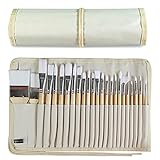
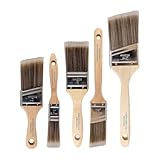
I remember staring at a pile of brand-new synthetic brushes, all proudly labeled ‘for acrylics,’ and wondering if they’d survive a dunk in linseed oil. My art instructor had scoffed, insisting on hog bristle or sable for oils. But man, those synthetics looked so much more affordable and, frankly, less fussy. I was deep into a landscape project and my trusty old oil brushes were shedding like a wet dog. So, the question burned: can acrylic brushes be used for oil painting without turning into a goopy mess?
Let’s cut to the chase. The short answer is yes, but with caveats. It’s not as simple as just grabbing any brush and calling it a day. There’s a science (and a lot of personal experience) behind why certain brushes work better for different mediums.
I’ve wasted enough cash on fancy tools that flopped to know that sometimes, the budget-friendly option isn’t just good enough, it’s the smartest move. So, let’s talk about what really happens when you cross the streams between acrylic and oil brushes.
The Bristle Battle: Why Synthetics Can Actually Hack It
Look, the old guard will tell you hog bristle or expensive sable are the only ways to go for oil paints. And yeah, they’ve got a point – traditionally. Hog bristle has that stiffness and durability that holds up beautifully to thick oil paint, especially impasto techniques. It creates those nice, textural marks that oil painters love. Sable, on the other hand, is all about finesse – the super-fine tip and spring make it perfect for delicate details and smooth blending. I’ve spent a small fortune on sable brushes over the years, only to have them ruined by forgetting to clean them properly after a long session. It’s a hard lesson.
But here’s the rub: synthetic brushes, the kind you typically associate with acrylics, have come a long, long way. They’re engineered now. Manufacturers have figured out how to mimic the properties of natural hair with synthetic fibers. They can create stiffness, a good spring, and even soft tips. The key is the type of synthetic fiber used. Polyurethane, nylon, polyester – these aren’t just cheap plastic. They’re designed to have different levels of stiffness and resilience. For oil painting, you’re generally looking for a synthetic brush that has some ‘body’ to it, meaning it’s not too soft or floppy. Think of a medium-stiff synthetic rather than a whisper-soft one.
I remember one time, I was working on a commission and ran out of my favorite filbert oil brush. In a panic, I grabbed a synthetic brush I’d been using for acrylics.
I figured, ‘what’s the worst that could happen?’ It wasn’t a disaster, but I definitely noticed a difference.
The paint didn’t load quite the same, and the brush strokes were a bit less defined than I was used to. But, for laying down larger areas of color, it actually performed surprisingly well.
It didn’t splay out uncontrollably, and it held a decent amount of paint. It wasn’t ideal, but it was usable. This experience really opened my eyes to the fact that the ‘rules’ aren’t always set in stone. (See Also: Are Foam Paint Brushes Any Good )
The reason synthetics can work is their inherent resistance to water-based mediums (like acrylics) and their ability to be manufactured with varying degrees of stiffness and snap. While oils are oil-based, the solvents and mediums you use with them don’t break down synthetic fibers in the same way water can degrade natural hair over time if not dried properly. So, if you pick the right synthetic – one with a bit of backbone – it can definitely handle the thicker consistency of oil paints and the solvents used for cleaning.
What to Actually Look for: Not All Synthetics Are Created Equal
So, you’re convinced you want to give it a shot. Great. Now, what the heck do you look for? Forget the super cheap, multipack synthetic brushes you find at the craft store that feel like stiff broom bristles – those are usually more trouble than they’re worth, even for acrylics. You need something with a bit more finesse. The first thing I check is the ‘snap’ or ‘spring’ of the brush. Gently bend the bristles; they should spring back to their original shape without a fight, but also without being overly stiff. Too much stiffness can lead to scratchy marks, while too little means the brush will feel like a limp noodle when you try to move thick oil paint.
Next, consider the shape. While you can technically use any shape, certain shapes are more versatile for oil painting. Rounds are good for details and lines. Flats and brights are excellent for broad strokes and filling areas. Filberts are a fantastic all-rounder, offering the best of both worlds with a rounded edge that can create soft or sharp marks. If you’re going to experiment with acrylic brushes for oils, I’d lean towards a good quality synthetic filbert or flat. They’ve got enough surface area to hold paint and can handle a variety of strokes.
Texture is another thing. Some synthetic bristles have a slightly rougher texture, which can actually be a good thing for oils. It helps ‘carry’ the paint and can create more interesting marks. I’ve found brushes with a sort of matte finish to the bristles, rather than a super glossy one, tend to perform better. The sheen can sometimes indicate a slipperier surface that might not grip the oil paint as effectively. It’s a subtle thing, but I’ve noticed it.
Here’s a little cheat sheet I put together based on my own trial and error:
| Brush Type (Synthetic) | Best For Oils? | Why/Why Not |
|---|---|---|
| Stiff, Coarse Synthetics | Maybe for texturizing | Can be too harsh, not enough control for detail. Good for thick, aggressive applications if you don’t mind the scratch. |
| Medium-Stiff, Resilient Synthetics | Yes, surprisingly good! | Mimics the spring of natural bristles well. Holds paint, good control for most oil techniques. This is your sweet spot. |
| Soft, Floppy Synthetics | Generally No | Will likely splay out with thicker oil paint, won’t carry enough pigment, and lack the control for traditional oil techniques. Better for very thin washes or glazing. |
My personal verdict? Aim for those medium-stiff, resilient synthetics. They’re often marketed for acrylics but have the backbone you need for oils. I snagged a set of decent synthetic flats for about $25 a few years back, and they’ve held up remarkably well with oils, saving me a bundle compared to buying dedicated oil brushes.
Common Mistakes When Using Acrylic Brushes for Oil Painting
People often ask if acrylic brushes can be used for oil painting, but they usually mess it up by not understanding the fundamentals of brush care. The biggest mistake? Assuming that because it’s a synthetic brush, it’s indestructible. You still need to clean them properly. If you let oil paint dry in the bristles, you’re going to ruin them, regardless of whether they were originally for acrylics or oils. I’ve seen artists just wipe off excess paint and call it a day. That’s a fast track to a brush that splays out and holds no paint whatsoever.
Another mistake is using the wrong type of synthetic. Grabbing the cheapest, flimsiest set you can find is a recipe for disaster. These brushes often have hollow fibers or poor ferrule attachment, meaning they’ll splay, shed, and generally fall apart under the demands of oil paint. You need brushes with good quality synthetic fibers that have been designed to hold their shape and load paint effectively. It’s like using a butter knife to saw through wood; it’s just not the right tool for the job. (See Also: Are Their Any Brush To Paint The Roof )
Then there’s the expectation mismatch. People think because it’s a synthetic brush, it should perform exactly like a hog bristle or sable. It won’t. It will have its own characteristics. You might not get the same aggressive texture a hog bristle provides, or the buttery-smooth blending a sable offers. Trying to force it to do something it’s not designed for will lead to frustration. Embrace the unique qualities of the synthetic brush you’re using. I’ve found that certain synthetic brushes give me a cleaner, sharper edge than some of my softer natural hair brushes, which is fantastic for graphic styles.
One rookie error I made early on was using too much solvent for cleaning. While you need solvents to break down oil paint, over-soaking the bristles, especially where they meet the ferrule, can weaken the glue holding them together. This leads to bristles falling out and the brush eventually falling apart. A gentle swirl in solvent, followed by a good wash with soap and water, is usually sufficient. Think of it like washing your hair – you wouldn’t scrub your scalp with industrial degreaser for an hour, would you? Same principle applies here.
Real-World Use: My Experience and What I’ve Learned
I’ve been using synthetic brushes for oil painting for years now, especially for certain tasks. I’m not saying I’ve thrown out all my natural hair brushes – far from it. My sable rounds are still my go-to for tiny details and intricate work. And for really thick, buttery impasto, a stiff hog bristle has a certain something that synthetics struggle to replicate. However, for laying down mid-size areas of color, blocking in large shapes, or when I’m working on a large canvas and need to cover ground quickly without breaking the bank on expensive brushes, synthetics have become indispensable.
One of my favorite finds was a set of synthetic flat brushes from a brand I won’t name, but they cost me about $30 for a pack of five. They’re firm but have a nice, smooth finish. I use them for underpaintings, scumbling, and even some direct painting where I want a flatter, more even application of paint. They hold up to turpentine and mineral spirits just fine, and they haven’t splayed out after hundreds of hours of use. The key was finding ones with a good ferrule – that metal part connecting the bristles to the handle – that felt solid and well-crimped. Cheap ferrules are a tell-tale sign of a brush that won’t last.
I also discovered that some synthetic brushes are surprisingly good for glazing. You might think soft, floppy brushes are needed for glazing, but I found certain medium-stiff synthetics, when used with a thinner medium, can create beautiful, transparent layers without disturbing the paint underneath. They have just enough drag to control the paint but are not so stiff that they scratch into the wet layers. It was a complete surprise to me, and now I reach for them for glazing sessions more often than I expected. It really depends on the specific brush construction and the paint consistency.
My biggest surprise was how well some of the stiffer, chisel-edged synthetic brushes performed for graphic linework. I always associated that kind of sharp edge with a liner brush made from natural hair. But these synthetics, with their manufactured precision, can create incredibly crisp lines when loaded with the right amount of paint and used at an angle. It was a big deal for adding definition to architectural elements in a cityscape painting I did last year. It saved me so much time and frustration.
When Synthetics Shine: Specific Oil Painting Techniques
Let’s be clear: you’re probably not going to win an Old Masters award using only synthetic brushes for your oil portraits. The nuanced blending and textural subtleties that masters achieved often relied on the unique properties of natural hair. However, for a lot of modern oil painting techniques, synthetic brushes are not just viable, they can be downright superior in certain applications. Think about it – if you’re working with thicker, more modern oil paint formulations, especially those designed for faster drying times or heavy body applications, a resilient synthetic brush can handle the load and the drag much better than a very soft natural brush.
I’ve found that synthetic brushes excel in techniques where you need a predictable, consistent stroke. For example, if you’re doing a lot of scumbling – that technique of applying a thin, broken layer of paint over a dry underlayer so that bits of the dry layer show through – a synthetic brush with a bit of texture and stiffness can create those perfect, broken marks. A soft brush might just blend everything together, which isn’t the effect you’re going for. My synthetic flats are fantastic for this. They load up just enough paint, and the slightly rougher bristle surface helps break the paint application. (See Also: Are These Brush Marks On My Painting )
Another area where synthetics shine is with mediums that have a bit more ‘body’ or tack. If you’re using oil mediums that are thicker, more gel-like, or even those that contain additives for texture, a synthetic brush with good spring will push that thicker medium around without bending or collapsing. I’ve used them with alkyd mediums, which can be quite viscous, and they’ve held up incredibly well, allowing me to create smooth, consistent layers of color with those tougher mediums. It’s not just about the paint; it’s about what you mix it with.
People often ask if acrylic brushes can be used for oil painting when they’re looking for cost-effective ways to explore oil painting. And for techniques like blocking in large areas or creating underpaintings, synthetics are often a better choice than expensive natural hair brushes. They’re more forgiving with solvents and less prone to damage from vigorous scrubbing. Plus, the consistent texture and predictable stroke they provide can help you build a solid foundation for your painting. I’ve found my synthetic brushes are often the first ones I reach for when I’m just getting a canvas ready, regardless of whether the final piece will be in oils or acrylics.
Faq: Your Burning Questions About Acrylic Brushes for Oils
Can I Use My Old Acrylic Paint Brushes for Oil Painting?
Yes, you absolutely can, but with a few important considerations. Not all acrylic brushes are suitable for oil painting. You need to look for brushes that have good spring and resilience, ideally medium-stiff synthetic fibers. Very soft or floppy acrylic brushes will struggle to handle the viscosity of oil paints and might splay out, leading to a lack of control. Clean them thoroughly after each oil painting session to prevent damage.
Will Oil Paint Ruin My Acrylic Brushes?
Oil paint itself won’t permanently ruin your acrylic brushes, but the solvents used to clean them can if you’re not careful. Over-soaking the bristles in harsh solvents, especially where they meet the ferrule, can weaken the glue and cause the bristles to loosen or fall out. Proper cleaning techniques, involving gentle solvent use and thorough soap-and-water washing, are important for preserving the brush, regardless of whether it’s intended for acrylics or oils.
What’s the Main Difference Between Brushes for Acrylics and Oils?
Traditionally, oil brushes were made from hog bristle (for stiffness and texture) or sable (for softness and fine detail), while acrylic brushes were synthetic. The main differences lie in bristle material, stiffness, and how they interact with the paint and mediums. Acrylics, being water-based, require brushes that can handle frequent rinsing and don’t absorb as much water. Oils, being oil-based, require brushes that can hold thicker paint and withstand oil solvents. However, modern synthetic brush technology blurs these lines significantly.
Are Synthetic Brushes Good for Oil Painting?
Yes, synthetic brushes can be very good for oil painting, especially certain types. Medium-stiff, resilient synthetic brushes are often excellent because they mimic the spring and durability of natural bristles. They can handle thicker oil paint, are more resistant to solvents than some natural fibers, and are generally more affordable. They are particularly useful for techniques like blocking in, scumbling, and creating sharper edges.
Final Thoughts
So, can acrylic brushes be used for oil painting? The answer is a resounding ‘yes, with the right ones.’ It’s not about avoiding synthetics; it’s about choosing wisely. Spend a few extra bucks on a decent quality synthetic brush with good snap and resilience, and you’ll find it performs admirably for many oil painting tasks.
Don’t blindly follow the dogma that only expensive hog bristle or sable will do. I’ve saved a small fortune and achieved great results using synthetics. The real trick is understanding the brush’s properties and how they interact with oil paint and mediums. Experimentation is your friend here. Grab a few different types of medium-stiff synthetic brushes and see how they feel to you.
Next time you’re in an art supply store, bypass the intimidatingly expensive ‘oil only’ section for a moment and check out the synthetic brushes. You might just find your new favorite tool for a fraction of the price. Happy painting!