I remember the first time I had a truly gnarly sewer gas smell wafting up from my bathroom sink. It wasn’t just a little ‘off’; it was a full-on, gag-inducing stink that made me want to rip the whole fixture out. I spent two days convinced a dead rat had taken up residence in the pipes, only to realize the culprit was something far simpler, and frankly, far more embarrassing: a dry P trap. It sounds basic, but the question of ‘are P traps necessary?’ is one I’ve heard a lot, and the answer is a resounding, stinky YES.
Look, nobody wants to talk about their plumbing. It’s messy, it’s gross, and it’s usually only on your mind when something’s gone horribly wrong. But understanding the humble P trap is one of those things that saves you from both foul odors and potentially expensive plumbing calls. So let’s get down to brass tacks about why this weirdly shaped pipe under your sink is your best friend.
What Exactly Is This Dumb-Looking Pipe?
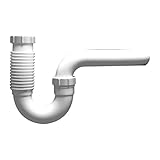
Alright, let’s talk about the star of the show: the P trap. You know, that U-shaped piece of pipe that lives under your sink, shower, or toilet. It looks a little goofy, like it’s doing a perpetual yoga pose, but it’s actually one of the smartest, simplest inventions in plumbing history. Its main job is dead simple: to hold a small amount of water. This water acts as a seal, a barrier. Think of it like a tiny, permanent moat around your drain.
Why do we need this moat? Because underneath that water seal are all sorts of unpleasant things. We’re talking about sewer gases, which are a cocktail of methane, hydrogen sulfide, and other delightful compounds. These gases are not only rank-smelling but can also be harmful to breathe in large concentrations. Without that water barrier, those gases would just float right up your drain and into your living space. Imagine cooking dinner and getting hit with the scent of a backed-up septic tank – not ideal. The P trap prevents this, keeping your home smelling like, well, home, not a municipal wastewater treatment plant.
Beyond the smell, these traps also catch small debris. You know that earring you almost lost down the drain? Or that rogue bobby pin? There’s a decent chance the P trap caught it.
It’s not its primary function, but it’s a handy side benefit. This means that if you do have a minor clog or lose something small, you can often unscrew the trap and retrieve it, or at least clear out some gunk before calling a plumber. I learned this the hard way after dropping a wedding ring down the bathroom sink. Panic set in, but a quick look under the sink and a carefully placed bucket later, the ring was recovered.
It felt like finding treasure, albeit slightly grimy treasure.
The shape is key. The ‘U’ bend is designed to retain water. When water flows down the drain, most of it goes through, but a small amount is intentionally left behind in the lowest part of the curve. This is the important water seal. For this to work, the trap needs to be properly installed and, importantly, needs to have water in it. If it dries out, the seal is broken, and those dreaded gases come calling. This is why sinks in rarely used guest bathrooms can sometimes develop that ‘old house’ smell, because the trap has likely evaporated.
The Science Behind the Stink Prevention
So, how does this simple U-bend actually keep the nasty stuff out? It all comes down to atmospheric pressure and a little bit of physics. Your plumbing system is basically a network of pipes that connects your fixtures to the main sewer line or septic tank. This sewer line is a pressurized environment. If there were no P trap, that pressure would push sewer gases directly up into your home. The water in the P trap acts as a physical barrier, creating a seal that these gases can’t pass through under normal pressure conditions.
Think of it like a one-way valve, but instead of a mechanical part, it’s a liquid. The water is heavier than the gases, so it stays put in the bottom of the trap. When you run water down the drain, the new water flushes out the old water while maintaining the seal. (See Also: Are Omega Watch Straps Real Alligator )
The important part here is that the trap needs to be vented properly. Plumbing systems have vents that allow air to enter the system, equalizing the pressure. Without proper venting, the water in the P trap could be siphoned out when a large volume of water is flushed elsewhere in the house (like a toilet), or conversely, pressure could build up and push water out of the trap. This is a common point of confusion, and why understanding the whole system is important, not just the trap itself.
A correctly vented system makes sure the water seal remains intact.
I once dealt with a toilet that kept gurgling every time the shower ran. It was maddening. My first thought was a clog, but after snaking the drain, it persisted. Turns out, the vent pipe for that section of the plumbing was blocked by a bird’s nest.
When the shower flushed, it created a vacuum that siphoned the water out of the toilet’s P trap, allowing sewer gas to enter. A simple clearing of the vent, and the gurgling stopped instantly.
It was a stark reminder that the P trap is part of a larger, interconnected system, and its effectiveness relies on everything working in harmony. The gases themselves are also a health concern. Hydrogen sulfide, in particular, can cause eye and respiratory irritation, headaches, and nausea.
While the concentrations in your home are usually low, consistent exposure isn’t something you want to risk. The P trap is your first line of defense against this invisible invader.
Common P Trap Problems and What to Look For
While P traps are generally reliable, they aren’t invincible. The most common issue, as I learned firsthand, is the trap drying out. This happens in infrequently used drains. If you have a guest bathroom that sits empty for months, the water in the P trap will slowly evaporate. When guests finally arrive and use the sink, they’re greeted by that unmistakable odor. The fix is simple: just run water down the drain for a minute or two to refill the trap. Easy peasy. It’s a good habit to run water in seldom-used sinks and showers periodically, especially before expecting visitors.
Another frequent problem is clogging. Because the P trap is the lowest point and has that curve, it’s a natural place for hair, soap scum, food particles, and other debris to accumulate. This can lead to slow drains or complete blockages.
If your drain is sluggish, the P trap is often the first place to check. You might be able to clear it yourself by unscrewing the trap (again, bucket underneath!) and cleaning it out. (See Also: Are Traditional Mouse Traps Humane )
For tougher clogs, a plumber’s snake or a drain auger might be necessary. I’ve spent more time than I care to admit with a bucket and a wire brush trying to free up a stubborn P trap. It’s not glamorous work, but it beats paying a plumber for a simple blockage.
Sometimes, the trap itself can be damaged. Cracks can develop from age, corrosion, or accidental impact, leading to leaks. If you notice water pooling under your sink, a damaged P trap is a prime suspect. Replacing a P trap is usually a DIY-friendly job for most homeowners, involving disconnecting the old one and installing a new one. Just make sure you get the correct size and type. They’re typically made of plastic (PVC or ABS) or metal (like brass or chrome-plated brass). Plastic is cheaper and easier to work with, while metal is more durable and can look nicer, especially in exposed applications.
There’s also the issue of improper installation. If the trap isn’t installed at the correct slope or isn’t sealed properly, it can cause problems, including leaks and, more critically, the water seal not being maintained effectively. This is where hiring a professional plumber is important for new installations or major renovations. A shoddy job here can lead to persistent issues down the line. I’ve seen friends try to DIY plumbing jobs and end up with more problems than they started with, mostly due to minor but important installation errors. For example, not using enough plumber’s tape on threaded connections or not seating gaskets properly can cause slow, annoying drips that are hard to diagnose.
Contrarian View: When Is a P Trap not Strictly Necessary?
Okay, here’s where I go against the grain a bit. Everyone says P traps are key, and for 99.9% of residential plumbing applications, they absolutely are. BUT, there are rare, niche situations where they might be omitted or replaced with a different type of trap, usually in commercial or industrial settings where specific airflow or hygiene requirements exist. For instance, some specialized laboratory equipment or industrial drains might use a different type of trap or a dry-break system designed to prevent backflow and gas escape without relying on a permanent water seal. These systems are often more complex and expensive, designed for very specific purposes and often involve mechanical seals or backwater valves.
Another edge case is when a fixture is designed with an internal trap. Some very old or specialized toilets, for example, have the trap built directly into the ceramic fixture itself. In these cases, you might not have a separate, visible P trap under the bowl, but the fixture still performs the same function. However, for sinks, tubs, showers, and most toilets in modern homes, the external P trap is the standard and the most practical solution.
Trying to omit a P trap in a standard home bathroom or kitchen drain is a recipe for disaster. You’re not going to save money or time; you’re just going to create a stinky, potentially unhealthy living space.
So, while there might be obscure exceptions, for your everyday plumbing needs, the answer to ‘are p traps necessary?’ remains a loud and clear ‘yes’.
My personal experience with this ‘contrarian’ idea was a bit of an accident. I was helping a buddy set up a simple utility sink in his garage, and he’d bought a drain kit that didn’t seem to have a traditional U-bend.
I was about to tell him he was missing a key part, but it turned out to be a more modern ‘bottle trap’ style, which is a variation on the P trap but looks more like a cylinder. It still holds water, still serves the same purpose, and still looks like a P trap is necessary. It just looks different. This reinforced my belief that while the form might vary slightly, the function of retaining a water seal is a must for standard drains. (See Also: Are Sticky Mouse Traps Humane )
Don’t be fooled by fancy designs; the core principle of a water barrier is what matters.
Practical Tips for P Trap Maintenance
Let’s get practical. Keeping your P trap happy and doing its job is pretty straightforward. Here are a few things you can do:
- Regularly Run Water: As mentioned, this is key for drains that aren’t used often. Make it a habit to run water in guest bathrooms, basement sinks, or any other seldom-used fixture for about 30 seconds to a minute every couple of weeks. This refills the trap and prevents that musty odor from developing.
- Mind What Goes Down the Drain: Especially for kitchen sinks, avoid pouring grease, coffee grounds, or large food scraps directly down the drain. These are the primary culprits for P trap clogs. Use a strainer and dispose of this stuff in the trash or compost. For bathroom sinks, hair is the main enemy, so consider a hair catcher if you find it’s a recurring problem.
- Know Your Trap Type: Understand whether you have a plastic or metal trap. Plastic traps are easier to replace yourself and are cheaper. Metal traps are more durable but can be more expensive. Knowing this helps if you need to buy a replacement.
- Have a Bucket Ready: If you suspect your P trap is clogged or you need to clean it, always have a bucket or container placed underneath before you start loosening any fittings. This will catch any residual water and debris. Trust me, you don’t want that mess on your floor.
- Don’t Over-Tighten: When reassembling a P trap after cleaning or replacement, hand-tighten the fittings first, then give them just a quarter to half-turn with pliers or a wrench. Over-tightening can strip threads or crack plastic parts, leading to leaks. A snug fit is all you need.
P Trap vs. Other Drain Components
It’s important to distinguish the P trap from other parts of your drainage system. The P trap is the localized barrier at each fixture. Further down the line, you have the trap arm (which connects the trap to the main drainpipe) and the vent pipe. The vent pipe is absolutely important for the P trap to function. If the vent gets blocked, the P trap’s water seal can be compromised. This is why plumbers always install vent pipes, usually running up through the roof of your house. These vents allow air into the system, preventing the siphon effect that could empty the P trap or build up pressure.
Another thing people sometimes confuse is the P trap with a drain stopper or a cleanout plug. A drain stopper is simply a cap you use to physically block the drain opening when the fixture isn’t in use. It’s a temporary seal. The P trap, however, is a permanent fixture designed to maintain a water seal continuously.
A cleanout plug, on the other hand, is usually found at the base of a vertical drainpipe or in an accessible point in the main drain line. It’s a threaded cap that can be removed to allow access for cleaning out a clog in the main line. While all these components are part of the drainage system, they each serve a distinct purpose.
The P trap’s unique U-shape is what specifically holds that vital water seal.
Here’s a quick breakdown of how the P trap fits into the picture:
| Component | Primary Function | Opinion/Verdict |
|---|---|---|
| P Trap | Maintains a water seal to prevent sewer gas escape. Catches minor debris. | Absolutely key for all standard fixtures. A must. |
| Vent Pipe | Allows air into the system to equalize pressure, preventing siphonage of the P trap and allowing smooth water flow. | Just as vital as the P trap. A blocked vent means a compromised trap. |
| Drain Arm | Connects the P trap to the main drainpipe. | Needs proper slope to make sure water flows away and doesn’t stagnate. |
| Main Drain Line | Carries wastewater from multiple fixtures to the sewer or septic system. | Needs to be clear and properly sloped. Clogs here affect multiple fixtures. |
Understanding these relationships helps to see why the P trap, though small, is so important. It’s the first line of defense at the fixture level, working in concert with the rest of the plumbing infrastructure.
Final Verdict
So, to circle back to that initial question: are P traps necessary? For virtually every home plumbing setup, the answer is a resounding, undeniable yes. They are a simple, elegant solution to a potentially foul and unhealthy problem. Skimping on them, or failing to understand their function, is a mistake that will cost you in bad smells and possible health issues.
Don’t overthink it. That U-shaped pipe is your unsung hero, quietly working to keep your home fresh. A little awareness of how it works and how to maintain it goes a long way. Next time you notice a faint odor, or your drain is running slow, take a moment to consider your P trap. It might just be the simplest fix you’ll ever find.
If you’re dealing with persistent odors and you’re sure your P traps are full, it’s worth checking those vent pipes. A blocked vent can mimic a dry trap, and clearing it is often a simple DIY job that can save you a lot of headaches (and nose-aches).