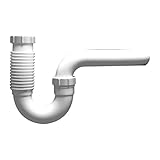
I remember the first time I decided to tackle a leaky bathroom sink. Armed with YouTube tutorials and a misplaced sense of confidence, I confidently unscrewed the old drain assembly. Then I saw it: that weird U-shaped pipe lurking underneath. My immediate thought wasn’t about its function, but whether this bizarre contraption was even a legitimate part of plumbing. It looked like something a mad scientist would invent. So, I asked myself, and now I’m asking you: are p traps legal? The short answer is yes, and for very good reason.
But just because something is legal and standard doesn’t mean you won’t run into confusion or questionable advice. I’ve wasted enough money on plumbing “fixes” that turned out to be completely unnecessary or just plain wrong, so let’s cut through the noise about these fundamental, yet often misunderstood, pieces of your home’s drainage system.
What Exactly Is a P Trap and Why Does It Exist?
Alright, let’s get down to brass tacks. You’ve got a sink, a shower, a toilet, and all of it needs to drain somewhere.
Pretty simple, right? Well, not quite. That P trap, named for its shape that resembles the letter ‘P’ when viewed from the side, isn’t just some random piece of pipe.
Its primary job is to hold a small amount of water. This water acts as a barrier, a seal, if you will.
Why do we need this seal? Because your drainpipes are connected to a much larger sewer system. Without that water barrier, all the unpleasant gases and smells from that system would travel right back up into your home. Think of it as a stinky, gaseous invasion, and the P trap is your first line of defense.
I learned this the hard way during a particularly humid summer. My guest bathroom started smelling… off. Not like a mildewy old towel off, but like something far more unpleasant, a stagnant, sewer-ish funk. I checked for leaks, I cleaned the drains thoroughly, I even tried pouring gallons of bleach down there (don’t do that, by the way). Nothing worked. It wasn’t until I finally got around to replacing the old, gunked-up P trap under the sink that the smell vanished. It had a tiny crack I hadn’t noticed, and the water seal was compromised. It was a stark reminder of how a simple, legal plumbing component could cause such a persistent, embarrassing problem.
The legality of P traps isn’t really in question; they are a mandatory component in virtually all modern plumbing codes in countries like the United States, Canada, and the UK. Building codes, which are legally enforced standards for construction, require them to prevent sewer gas from entering buildings. So, rest assured, the humble P trap is not only legal but legally required for your health and sanity. Its design is simple but highly effective, a true unsung hero of sanitation.
The water in the trap is replenished every time you run water down the drain. When water flows through, it pushes out the old water and replaces it with fresh water. This constant replenishment is key to maintaining the seal. If a fixture isn’t used for a long time – say, a guest bathroom sink that only sees action once a month – the water in the trap can evaporate. This is why you might get a whiff of sewer gas from seldom-used drains. The fix? Just run some water down the drain for a minute or two to refill the trap.
Common P Trap Problems and Why They’re Worth Fixing
So, we know P traps are legal and key, but that doesn’t mean they’re invincible. Like any plumbing fixture, they can develop issues.
The most common problem, as I experienced, is a leak. Over time, the seals can degrade, especially if you’ve got older plastic or metal traps, or if they’ve been subjected to harsh chemicals.
A slow drip might not seem like a big deal, but that constant moisture can lead to water damage, mold growth, and even attract pests. I once had a tiny leak under my kitchen sink that went unnoticed for weeks because it was hidden behind the cabinet wall. When I finally found it, the particleboard of the cabinet base was warped and starting to crumble. That little drip cost me a new cabinet base and a lot of headaches. (See Also: Are Omega Watch Straps Real Alligator )
Another common issue is clogging. Hair, grease, food scraps, soap scum – all these things can accumulate in the trap. Because of its U-shape, the trap is a natural collection point for debris.
This is why plunging a clogged sink often doesn’t work if the clog is further down the line; the P trap itself is often the bottleneck. Clearing a P trap clog is usually straightforward.
You’ll need a bucket to catch the water and debris, and likely a wrench to loosen the slip nuts on either side of the trap. Once it’s off, you can usually clean out the gunk with a brush or even just by rinsing it out.
This is a task most DIYers can handle, and it’s far cheaper than calling a plumber for a minor clog.
Then there’s the potential for slow drainage. If your sink or tub is draining slower than usual, and you’ve ruled out a clog further down the line, the P trap might be the culprit. It could be partially blocked, or the vent pipe connected to the drain system might be obstructed, which affects the trap’s ability to function properly. Vent pipes are important for allowing air into the drainage system, which helps water flow smoothly. If the vent is blocked (often by leaves or bird nests in the roof vent), it can create a vacuum that hinders drainage and can even siphon the water out of your P traps, leading to those dreaded sewer smells.
One of the most annoying problems, though, is when a P trap becomes loose and starts to leak at the connections. These are usually hand-tightened or require a simple pipe wrench to snug up.
However, if they’re overtightened, they can crack the plastic fittings, or if they’re too loose, they just won’t seal properly. I’ve seen people try to fix this with plumber’s tape or putty, which is usually a temporary band-aid at best. The proper fix is to make sure the slip nuts are tightened correctly and that the washers or seals inside are in good condition. If the seals are old and brittle, they need to be replaced.
It’s a simple part, but a faulty seal can cause big problems.
What to Look for When Buying a P Trap
When you need to replace a P trap, you’ll notice there are a few different types and materials available. The most common are made of PVC (plastic) or ABS (another type of plastic, often black), and occasionally metal like brass or stainless steel, especially in visible applications or for those who prefer a more durable, traditional look. For most under-sink applications, PVC is perfectly adequate, affordable, and easy to work with. It’s lightweight and resistant to corrosion.
When picking out a new P trap, make sure you get the right size. The standard sizes for sink drains are usually 1-1/4 inch for bathroom sinks and 1-1/2 inch for kitchen sinks. It’s always best to measure your existing pipe or the outlet from your sink strainer to be sure. You’ll also want to look at the configuration. Most are the standard U-bend, but you can also get P traps with an outlet that connects directly to the wall pipe, or ones with an additional connection point for a dishwasher or washing machine drain. These are called P traps with an auxiliary inlet or a double-dish trap.
Don’t skimp on the quality of the fittings and seals. Cheaper plastic traps might have thinner walls or less solid threads. (See Also: Are Traditional Mouse Traps Humane )
While they’re legal and will function, they might not last as long or seal as well. Look for traps that come with decent quality slip nuts and rubber or plastic washers. Some kits include everything you need, while others are just the trap itself, requiring you to reuse your old nuts and washers (which I generally don’t recommend if they look worn).
I once bought the cheapest PVC trap I could find, and the threads were rough, making it a pain to tighten without cross-threading. It eventually worked, but it was a frustrating experience, and I ended up replacing it a year later when a seal started leaking.
Here’s a quick rundown of what I consider when buying:
| Feature | My Opinion | Notes |
|---|---|---|
| Material (PVC/ABS) | 👍 Good | Affordable, easy to work with, corrosion-resistant. |
| Material (Metal) | 👍👍 Excellent (if visible/desired) | More durable, aesthetically pleasing, but pricier and harder to cut/fit. |
| Size (Diameter) | ✅ Must Match | 1-1/4″ for bathrooms, 1-1/2″ for kitchens typically. Measure yours! |
| Configuration | ✅ Must Match Application | Standard U-bend, or with dishwasher inlet. |
| Included Hardware (Nuts/Washers) | 👍 Good Quality Preferred | Don’t reuse old, brittle parts if you can avoid it. |
Ultimately, while the material and brand might seem minor, investing in a slightly better quality trap and making sure all the included hardware is decent can save you a lot of hassle down the road. It’s the difference between a quick fix and a problem that keeps coming back.
The Contrarian View: When P Traps Aren’t the Whole Story
Now, here’s where I might ruffle some feathers. Everyone talks about the P trap itself – the U-bend. And yes, it’s vital. But the common advice when you have a slow drain or a smell is often: ‘Check your P trap.’ While that’s frequently true, I’ve found that people often neglect the venting system that works in tandem with the P trap. Most people never even think about vents.
My contrarian take is this: Many P trap problems, especially smells and slow drainage that aren’t due to a visible clog in the trap itself, are actually caused by blocked vent pipes. The P trap needs air to function.
When you run water, gravity pulls it down, but air needs to enter the pipe behind it to allow the water to flow freely. If the vent pipe is blocked (with leaves, debris, or even a bird’s nest on the roof), air can’t get in, creating a vacuum. This vacuum can suck the water right out of your P trap, eliminating the seal and allowing sewer gases to waft into your home.
You get a gurgling sound, slow drains, and that distinct sewage smell, all without a single clog in the visible P trap.
I’ve seen this happen repeatedly. People replace perfectly good P traps, snake the drains endlessly, and still have issues. The solution?
A plumber (or a brave DIYer) going up on the roof to clear the main vent stack. It’s not as glamorous as fixing a leaky pipe under the sink, but it’s often the real culprit. The P trap is the gatekeeper, but the vent system is the air supply that lets the gatekeeper do its job.
Ignoring the vent is like trying to run a car with a full tank of gas but a clogged air filter – it just won’t work right, no matter how good the fuel is. So, while checking and cleaning your P trap is good advice, don’t forget to consider the entire drainage and ventilation system if you’re chasing persistent plumbing gremlins. (See Also: Are Sticky Mouse Traps Humane )
Real-World Use and Practical Tips for P Traps
Let’s talk about the nitty-gritty of living with P traps. They’re in your kitchen, your bathrooms, laundry rooms – pretty much anywhere you have a drain. In my house, the kitchen sink P trap is the one that sees the most action and the most abuse. Grease, coffee grounds, bits of food – it all goes down there. This is why regular maintenance is key. I make it a point to pour a kettle of boiling water down the kitchen drain about once a month. This helps to melt and flush away any accumulated grease before it hardens and causes a blockage. It’s a simple habit that has saved me from many a clogged sink.
Another tip: be mindful of what you pour down the drain. Harsh chemical drain cleaners are bad news for P traps, especially older plastic ones. They can degrade the material and weaken seals. They’re also terrible for the environment. Instead of chemicals, I recommend using a plunger first for clogs. If that doesn’t work, try a natural enzyme-based drain cleaner. They work over time to break down organic matter without damaging your pipes. For hair clogs in bathroom sinks or showers, a simple drain snake or a cheap plastic hair-catching tool that fits into the drain cover can be incredibly effective and prevent the problem from ever reaching the P trap.
When it comes to installation or replacement, take your time. Don’t force fittings. Hand-tighten the slip nuts first, then use a pipe wrench for just a quarter or half turn to snug them up. Over-tightening can crack the plastic or strip the threads. Make sure the washers are seated correctly; they’re designed to seal when compressed. After installation, run water through the drain for a few minutes and check all the connections for leaks. A little bit of patience here can prevent a lot of frustration and potential water damage later.
Here are a few practical tips I live by:
- Boiling Water Flush: Once a month, pour a kettle of boiling water down kitchen sinks to melt grease.
- Avoid Harsh Chemicals: Opt for plungers, drain snakes, or enzyme cleaners over corrosive chemical drain openers.
- Hair Catchers: Use them in showers and bathroom sinks to prevent hair from clogging the trap.
- Check Connections: When installing or tightening, hand-tighten first, then give a slight turn with a wrench. Don’t overtighten.
- Listen for Gurgles: Unusual gurgling can indicate a venting issue, not just a P trap problem.
These simple steps, based on years of dealing with my own plumbing, can make a world of difference in keeping your drains flowing freely and your home smelling fresh. Understanding the legal and functional importance of the P trap is just the first step; actively maintaining it and its associated systems is what truly matters.
Are P Traps Legal: The Final Word
We’ve established that yes, P traps are legal and, more importantly, absolutely necessary. They are a fundamental part of any plumbing system designed to keep your living space free of noxious sewer gases. The U-shaped bend, holding that important water seal, is a simple yet brilliant piece of engineering that has stood the test of time. You won’t find them banned or facing any legal challenges because they are key for public health and safety. Building codes across the globe mandate their presence for a reason. So, if you’re ever questioning whether that little curved pipe under your sink is supposed to be there, the answer is a resounding yes, and it’s there for your own good.
The real issues arise not from the legality of P traps, but from their maintenance and the proper understanding of the entire drainage system. Leaks, clogs, and foul odors are common problems, but they are usually fixable with a bit of DIY know-how and the right parts. When dealing with these issues, remember that the P trap works in conjunction with vent pipes. A blockage or malfunction in the vent can mimic problems with the trap itself, leading to confusion and unnecessary repairs. Always consider the whole picture when troubleshooting your drains.
If you’re undertaking any plumbing work, or even just curious about how your home’s systems work, understanding the role of the P trap is a great starting point. They are inexpensive, readily available, and key. Don’t let the fear of a seemingly complex pipework deter you from basic maintenance or replacement. Most P trap issues are well within the scope of a weekend DIY project. Just remember to have a bucket handy, take your time, and double-check for leaks after you’re done. It’s a small component that plays a massive role in the comfort and health of your home.
Conclusion
So, to wrap things up: are P traps legal? Absolutely, and they’re legally required for a good reason. That little U-shaped pipe is your home’s guardian against a whole host of unpleasant smells and potential health hazards from the sewer system. Don’t ever let anyone tell you they’re optional or unnecessary – that’s just bad advice, and potentially dangerous advice at that.
If you’re experiencing slow drains or odd smells, the P trap is often the first place to look, but don’t forget to consider its buddy, the vent pipe. A simple, inexpensive replacement of a P trap or a thorough cleaning can often solve many common plumbing woes. It’s a testament to simple design that such a basic component is so effective.
My advice? Get familiar with the P traps in your home. Know where they are, how they work, and what they look like when they’re in good condition. A little proactive attention now can save you a lot of stink and a lot of money later. Next time you’re under the sink, give that P trap a nod of appreciation for doing its key, legal job.