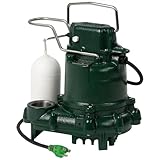
I remember the first time my basement flooded. It wasn’t a dramatic Hollywood scene, just a slow, insidious seep that turned into a carpet-sodden nightmare. My trusty sump pump, the one I’d always assumed was just… on, had apparently decided to take a nap. That’s when I first heard about ‘gun kits for sump pumps’ – a phrase that sounds more like a Bond villain’s accessory than a plumbing solution. Frankly, I was skeptical.
The idea is simple: a backup system to keep your sump pump running when the power goes out. Sounds like a no-brainer, right? But the reality, as with most things involving home maintenance and a healthy dose of marketing hype, is a bit more complicated. I’ve spent my fair share of weekends wrestling with waterlogged basements and trying to decipher confusing product manuals, so I’ve got some thoughts on whether these kits are a genuine lifesaver or just another way to lighten your wallet.
What Exactly Is a Sump Pump ‘gun Kit’?
Let’s cut to the chase. When people talk about ‘gun kits for sump pumps’, they’re usually not talking about actual firearms. They’re referring to battery backup systems designed to kick in when your main sump pump loses power. Think of it as a bodyguard for your basement, ready to take over if the primary security detail (your electricity) fails. The term ‘gun kit’ is a bit of marketing flair, conjuring up images of quick deployment and powerful action, which, I guess, isn’t entirely off the mark when you’re fighting off a rising tide of water.
These systems typically consist of a deep-cycle battery (similar to what you’d find in a car, but built for longer, slower discharges), a charger that keeps the battery topped up when the power is on, and a transfer switch or control box that automatically activates the battery power to the pump when the main power fails. Some more advanced kits might even include a secondary pump, a more powerful one, to handle situations where the primary pump was struggling even before the power cut. The goal is simple: prevent your basement from becoming a swimming pool when you can’t do anything about it.
I learned this the hard way during that first flood. I assumed my pump had a built-in backup, like some fancy modern appliance. Nope. It was just a pump plugged into a regular outlet.
When the storm knocked out power, the pump died, and the water kept coming. I ended up wading through ankle-deep water in the dark, trying to figure out what the hell had gone wrong.
That was a pricey lesson in preparedness. I ended up buying a basic battery backup system, and while it wasn’t a ‘gun kit’ in the flashy sense, it was a lifesaver the next time the power flickered during a thunderstorm. It cost me about $180 for the battery and a simple charger, and that was just for the basic setup.
Good ones can easily run $400-$800, depending on the features and the pump they’re designed to support.
The ‘gun’ aspect, if you want to stretch the metaphor, comes from the idea of rapid response. You don’t want your battery backup to take a coffee break before it starts working. The better kits are designed to be nearly instantaneous in their switchover, so the pump doesn’t miss a beat. It’s about minimizing downtime. If your sump pit is deep and your water table is high, even a few minutes of the pump being off can mean a significant amount of water accumulation. So, while the name is a bit dramatic, the function is undeniably important for anyone living in a flood-prone area or a region with unreliable power.
How These Backup Systems Actually Work
At its core, a sump pump backup system is a power-fail-safe. When your main sump pump is running, it draws power directly from your house’s electrical system. If the power cuts out – whether it’s a blackout, a tripped breaker, or a storm – the pump stops. The water level in the sump pit begins to rise.
This is where the backup system, the ‘gun kit’ if you will, comes into play. Most systems use a float switch that’s independent of the main pump’s float switch. When the water level rises to a certain point (usually higher than the main pump’s trigger level, providing an extra buffer), it activates the backup system.
The control unit in the backup system detects the loss of AC power from the house and, simultaneously, the activation of the backup float switch. It then instantly routes DC power from the deep-cycle battery to run the sump pump. Some systems might even have a secondary, smaller pump that’s designed to run on battery power, or they might be designed to power your existing AC pump via an inverter.
The battery itself is important. It’s not just any old battery. You need a deep-cycle battery, meaning it’s designed to be discharged significantly and then recharged repeatedly.
Car batteries, on the other hand, are designed for short, powerful bursts of energy to start an engine and then are immediately recharged. Using a car battery in a sump pump backup system is a recipe for disaster; it won’t last long and will likely die prematurely. Deep-cycle marine or RV batteries are a better bet.
I learned this after trying to limp by with a car battery for a few weeks – it barely made it through a single extended outage before needing a full recharge, and I could tell it was struggling. (See Also: Are Pumpkin Seed Husks Edible )
The charger is also an important component. It constantly monitors the battery’s charge level and tops it up whenever the main power is on.
This makes sure that when an outage hits, the battery is as full as it can be. Some chargers have multiple stages to optimize battery health and lifespan. The transfer mechanism is the unsung hero.
Whether it’s a simple relay or a more sophisticated electronic switch, it needs to be fast and reliable. You don’t want it to hesitate. The whole point is to keep the water moving out, not to let it build up while the system decides if it’s time to act.
The best systems have a very low activation delay, often measured in milliseconds.
I once dealt with a system that had a noticeable delay. During a heavy rain and a brief power flicker, the water level rose about six inches before the backup kicked in. That was enough to make me nervous. My current setup switches over so fast, you’d barely notice a change if you were watching the water level. It’s that immediate transfer of power from AC to DC that makes these systems effective. It’s a surprisingly complex interplay of electrical components, all working to keep your lowest living space dry.
What to Look for in a Sump Pump Backup System
When you’re staring down a potential flood, the last thing you want is a backup system that’s undersized or poorly designed. I’ve seen too many folks buy the cheapest option they can find, only to have it fail when they need it most. So, what should you actually look for?
Battery Capacity (Amp-Hours): This is king. How long do you anticipate power outages in your area? A small system might only power your pump for a few hours, while a solid one can keep it running for 24-48 hours or more. Check the specs and match them to your needs. If your power goes out frequently for long stretches, you need a bigger battery. Don’t skimp here; a weak battery is almost as bad as no battery.
Pump Compatibility: Most backup systems are designed to work with standard sump pumps. However, you need to make sure the system’s wattage output can handle your pump’s draw, especially during startup. Some systems are designed for AC pumps, others come with their own DC pump. If you’re buying a full kit with a pump, make sure it’s appropriately sized for your pit and the volume of water you expect.
Automatic Transfer: This is a must. You want a system that switches to battery power automatically and instantly when AC power is lost. Manual systems require you to be home and aware of the outage, which isn’t always the case. I experienced this with a friend’s house where the battery backup was manual. He was away on vacation when a storm hit and the power went out; his basement flooded because no one flipped the switch.
Battery Type: As I’ve mentioned, demand a deep-cycle battery. Look for terms like ‘marine’ or ‘RV’ battery, designed for sustained discharge. A sealed lead-acid (SLA) battery is common and maintenance-free, but consider AGM (Absorbed Glass Mat) or gel batteries for better performance and longer life, though they cost more. Some high-end systems might even use lithium-ion, but these are significantly pricier.
Indicator Lights/Alarms: Good systems will have visual indicators for power status, battery charge level, and pump activity. An audible alarm for low battery or pump malfunction can be a lifesaver, giving you a heads-up before a important failure occurs.
Ease of Maintenance: While many are designed to be low-maintenance, check how easy it is to access the battery for eventual replacement and how simple the system is to test. Regular testing is key.
I once bought a kit that came with a charger that was notoriously unreliable. It would often fail to keep the battery fully charged, and I only found out after checking it manually a few times. I ended up replacing just the charger with a better quality one, which cost me about $70, and it made a world of difference. So, sometimes it’s worth looking at the individual components if you’re a bit more technically inclined, but for most people, a reputable, integrated kit is the way to go. Don’t just look at the price tag; look at the specifications and read reviews from people who have actually used them in real-world scenarios.
| Feature | What to Look For | My Verdict |
|---|---|---|
| Battery Capacity | High Amp-Hours (AH) for longer runtimes | Important. Don’t get a small one if you get frequent, long outages. |
| Transfer Type | Automatic, instantaneous switchover | Must-have. Manual is a recipe for disaster. |
| Battery Type | Deep-cycle (marine, RV, AGM, gel) | Anything else is a compromise. Car batteries are a no-go. |
| Pump Power | Sufficient wattage for your pump’s startup surge | Key. Undersized means no pumping. |
| Indicators/Alarms | Visual and audible alerts for status | Highly recommended. Early warnings save headaches. |
Common Mistakes and What Not to Do
You’d think this stuff would be straightforward, but I’ve seen and heard about enough botched installations and misguided purchases to fill a small book. Let’s talk about what will waste your money or, worse, leave you high and dry. (See Also: Are Pumpkin Seed Acid Or Alkaline )
1. Buying the Cheapest Option: This is the classic mistake. You see a $50 battery backup kit and think, ‘Great deal!’ Then, during the first real storm, it chirps sadly and dies, or the battery lasts all of thirty minutes. Remember, this is a important piece of home protection. You get what you pay for. I’ve spent more on a decent battery alone than some of these flimsy kits cost. Investing a bit more upfront saves you the cost of flood damage and multiple replacements.
2. Using the Wrong Battery: I touched on this earlier, but it bears repeating. A standard car battery is NOT a deep-cycle battery. It’s designed for quick, high-current bursts. A sump pump needs sustained, lower-current power. A car battery will be ruined very quickly and won’t provide adequate runtime. I saw a guy try this once; his ‘backup’ pump ran for maybe 15 minutes before the car battery gave out. He then had to buy a proper deep-cycle battery anyway, plus deal with the water damage.
3. Improper Installation: While some kits are pretty plug-and-play, others require more careful wiring. Incorrect wiring can lead to the system not activating, constantly running the battery down, or even frying components. If you’re not comfortable with basic electrical work, hire a qualified electrician. It’s cheaper than fixing mistakes or dealing with a flood.
4. Forgetting About Battery Maintenance: Even deep-cycle batteries need some care. They need to be kept charged. If you live in an area with very infrequent power outages and choose a system that doesn’t have a solid automatic charger, you might need to manually check and charge the battery periodically. Some battery types also require occasional water top-ups (though sealed batteries don’t). Ignoring the battery is like ignoring your car’s oil changes – it’ll eventually fail.
5. Over-Reliance on a Single System: For the truly paranoid or those in high-risk areas, a single battery backup might not be enough. Consider a secondary backup, like a water-powered sump pump (which uses your home’s water pressure to create suction, no electricity needed) or even a generator. These ‘gun kits’ are great, but they’re just one layer of defense.
6. Not Testing the System: This is a big one. How do you know it works if you never test it? Most systems have a test button. Push it regularly, especially after storms or if you’ve had a power outage. I usually test mine at least twice a year. It’s a simple step that can give you immense peace of mind.
The common advice I hear is often just ‘buy a backup pump.’ But that’s too vague. It’s like saying ‘fix your car.’ You need to know what to buy and how to make sure it’s actually going to work when you need it. The most common mistake I see is people assuming their existing pump is compatible without checking the amperage draw or voltage requirements. That’s a costly oversight.
Real-World Use and My Experience
I’ve had a battery backup system for my sump pump for about six years now, after that initial flood incident. It’s not the fancy ‘gun kit’ with a built-in pump, just a solid battery, charger, and a smart controller that powers my existing AC pump. The first real test came about two years ago. A massive thunderstorm rolled through, and the power went out for nearly 18 hours. My street was dark, my neighbors were complaining, but my sump pit was staying clear.
I remember looking down into the pit periodically. The backup system kicked in exactly as it should. The pump ran for maybe 30 seconds, then stopped, then ran again maybe 10 minutes later. It was cycling just enough to keep the water level well below the point of concern. The battery indicator light showed it was still mostly charged. It was a quiet, unassuming victory. No water damage, no frantic calls to plumbers, just the hum of the pump doing its job on battery power.
The battery itself lasted about four years. It was a good quality deep-cycle marine battery. When it started showing signs of reduced capacity (taking longer to recharge fully and not holding charge as long during tests), I replaced it. The replacement cost me about $220 for a good AGM battery. The controller unit and charger are still going strong. So, factoring in the battery replacement, I’ve spent roughly $400 over six years for peace of mind and a dry basement. That seems like a bargain compared to the thousands a flood can cost in repairs and lost possessions.
One surprise I had was how often the power flickers in my area during storms. It’s not always a full blackout. Sometimes it’s just a brief interruption. My system handles these tiny flickers without even blinking. The transfer is so quick, the pump doesn’t even register the loss of AC power. This is where the ‘gun kit’ idea really shines – the rapid response. It means that even a momentary power blip doesn’t become a basement-flooding event.
I also found that the controller unit I chose has a built-in surge protector, which was an unexpected bonus. It adds another layer of protection for the pump itself from power spikes when the electricity comes back on. Not all systems include this, so it’s something to check if you’re in an area prone to electrical surges. It’s the little things like this that make a real difference. It’s not just about having a battery; it’s about having a well-designed system that protects your investment and your home.
People Also Ask:
Can a Sump Pump Run on a Battery Backup?
Yes, absolutely. That’s precisely what battery backup systems, often referred to as ‘gun kits,’ are designed to do. They automatically switch to battery power when your home’s main electrical supply is interrupted, allowing your sump pump to continue operating and prevent basement flooding.
How Long Can a Sump Pump Run on Battery Backup?
The runtime depends heavily on the capacity of the battery (measured in amp-hours) and the power draw of your sump pump. A typical deep-cycle battery can power a standard sump pump for anywhere from a few hours to 24-48 hours or even longer. More powerful batteries and pumps with lower wattage will naturally extend the runtime. (See Also: Are Organic Pumpkin Seeds From China Bad )
Do Sump Pump Backup Systems Need Maintenance?
Yes, most systems require some level of maintenance. The most important is making sure the battery remains charged and is tested periodically to confirm it’s still functional. Some battery types may also require checking fluid levels. Regular testing is important to make sure the system will work when needed.
Are Sump Pump Battery Backups Worth the Cost?
For most homeowners, especially those in flood-prone areas or regions with unreliable power, a sump pump battery backup system is absolutely worth the cost. The potential cost of flood damage, including structural repairs, ruined belongings, and mold remediation, far outweighs the investment in a reliable backup system.
Practical Tips for Sump Pump Backup Systems
Alright, you’ve decided you need one of these systems, or at least a solid battery backup. Great. Now, let’s talk about making sure it works for you, not against you. I’ve learned a few things over the years that can save you headaches and money.
1. Choose the Right Size Battery: This is most important. Don’t guess.
Look at your sump pump’s power consumption (usually listed in watts or amps on the pump itself or in its manual) and estimate how long you might need backup power. If your area has frequent, long outages (say, 12+ hours), you’ll need a high-capacity battery. A common recommendation for a standard 1/3 HP pump is a battery with at least 100 amp-hours. If you’re unsure, err on the side of bigger.
It’s better to have too much run time than not enough. I found a great online calculator once that helped me spec out a battery based on my pump’s draw and my historical outage data; it was a big deal compared to just picking something off the shelf.
2. Location, Location, Location: Where you store your battery matters. Batteries generally perform best in cooler, stable temperatures. Extreme heat can shorten their lifespan, and extreme cold can reduce their immediate performance. Avoid placing the battery in a damp, unventilated area. If possible, keep it in a climate-controlled part of your basement or utility room. Some battery backup units are designed to be mounted on a wall, which can be a good way to keep them out of standing water if you have a major flood event.
3. Test, Test, and Test Again: I can’t stress this enough. Your backup system is useless if it doesn’t work. Most systems have a test button. Use it monthly or quarterly. Better yet, during a test, disconnect the main power to the pump and let the backup take over. Watch it for a few minutes to make sure it cycles correctly. I like to do this before the rainy season kicks off each year. It takes maybe five minutes and gives me immense peace of mind.
4. Understand Battery Lifespan and Replacement: Deep-cycle batteries don’t last forever. Depending on usage, climate, and type, expect to replace them every 3-7 years. Keep a record of when you bought it. When you notice reduced performance during testing, it’s time to think about replacement. Don’t wait until it dies during an outage. A new battery might cost $150-$300, which is a small price to pay compared to flood damage.
5. Consider a Secondary Pump or Water-Powered Option: If you live in a very high-risk area or have a history of severe flooding, a single battery backup might not be enough. Look into getting a secondary, battery-powered pump that installs alongside your main one, or consider a water-powered backup pump. These use your home’s water supply to create a siphon effect, so they don’t need electricity at all. They’re a great failsafe, though they do use water.
6. Monitor Your Existing Pump: A backup system won’t help if your primary sump pump is already failing. Listen for unusual noises, check for vibrations, and make sure it’s cycling properly when the power is on. A healthy primary pump is the first line of defense. If it’s on its last legs, replace it before you even think about a backup. You don’t want your backup system to be powering a pump that’s about to die anyway.
Final Verdict
So, are gun kits for sump pumps a good idea? For me, the answer is a resounding yes. They’re not some snake-oil gimmick; they’re a practical, necessary safeguard for any homeowner who doesn’t want to deal with a flooded basement. The ‘gun kit’ name is a bit of marketing hype, but the function – reliable, automatic backup power for your sump pump – is absolutely key in many situations.
My experience has shown me that a good battery backup system is an investment that pays for itself the first time it prevents significant water damage. It’s about preparedness and peace of mind, knowing that even when the power grid fails, your basement is still protected. Don’t overthink the dramatic name; focus on the core function and choose a system that’s appropriately sized and reliable.
Before you buy, do your homework on battery capacity, make sure it’s compatible with your pump, and plan for regular testing and eventual battery replacement. It’s not a set-it-and-forget-it device, but the effort is minimal compared to the disaster it can prevent.