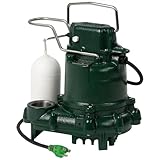
The other day, I was standing at my kitchen sink, boiling water for pasta, and I thought, ‘This is ridiculous.’ I’d been waiting a solid minute and a half for that water to get hot. Meanwhile, my upstairs bathroom faucet… well, that’s another story. Sometimes it’s instant bliss, other times it’s a lukewarm trickle that feels like a cosmic joke. This whole hot water waiting game is what made me finally ask: are hot water recirculating pumps worth it?
I’ve wasted enough time and water staring at a blank wall, hoping for relief. And I’ve bought gadgets that promised the world and delivered a puddle. So, I’m cutting to the chase with my experience. Forget the marketing fluff; let’s talk about what really happens when you install one of these things.
Why I Finally Bit the Bullet on a Recirculating Pump
Look, nobody wants to spend money on something they don’t need. But that endless wait for hot water from a distant heater? It’s not just annoying; it’s a colossal waste of water. I’m talking gallons poured down the drain while you’re brushing your teeth or waiting for your shower to hit the right temperature. For me, the tipping point was a particularly frigid morning where I’d run my shower for nearly five minutes, trying to get it from arctic blast to ‘livable.’ That’s five minutes of water, heating up the sewer system, probably. I’d seen those recirculating pump systems advertised, and frankly, I’d written them off as an unnecessary luxury or another complicated plumbing nightmare.
But the water waste just gnawed at me. I started doing some real digging, not just reading the glossy brochures.
The basic idea is simple: a pump pushes the hot water that’s already in your pipes back towards the water heater, and a return line (or sometimes it uses the cold water line) brings the cooler water back to be reheated. This means that whenever you open a hot water tap, you’re not waiting for fresh, cold water to travel all the way from the heater. Instead, you’re getting hot water that’s already close by. Some systems have a dedicated return line, which is the most efficient but requires more plumbing work.
Others use a thermosiphon effect or a special valve under the sink to push the cooler water back through the cold line.
My own setup involves a pump installed near the water heater and a small valve under the furthest sink. When the water in the pipe cools to a certain point, the pump kicks in. It’s not a constant flow; it’s more like a gentle nudge to keep the hot water circulating.
The goal is to have that warm water ready and waiting. I was skeptical, picturing a loud, clunky contraption that would jack up my energy bill and complicate my life. But after watching a few install videos and reading reviews from actual homeowners, not just professional plumbers, I felt a little more confident. The initial cost felt steep, sure, but I started framing it as an investment in water conservation and, honestly, my own sanity.
Waiting for hot water feels like a punishment, and I was ready to pay to avoid it.
How These Things Actually Work (the No-B.S. Version)
Let’s get down to brass tacks. A hot water recirculating pump isn’t some magical device that creates hot water out of thin air. It’s a system designed to minimize the wait time for hot water at your fixtures. The core component is the pump itself, usually installed either under the sink furthest from your water heater or directly on the hot water outlet of the heater. Think of it as a traffic cop for your hot water. It’s constantly monitoring the temperature or, in some cases, running on a timer or a demand-based sensor.
There are generally two main types of systems: dedicated return line and under-sink loop. The dedicated return line system is the gold standard if you’re building a new house or doing a major renovation. It involves running a separate pipe from the furthest fixture back to the water heater. This is the most efficient because the pump just pushes hot water down one pipe and it’s immediately drawn back up the return. No chance of mixing with cold water in the main supply line. The downside? Significant plumbing work, which means significant cost and disruption.
The more common retrofit option, and the one I ended up with, uses an under-sink valve. This valve is installed on the hot water line under the sink furthest from your heater. It connects to the cold water line, creating a loop. When the water in the hot water line cools down, the valve opens, and the pump (usually near the water heater, or sometimes the valve itself has a small pump) pushes the cooler water back through the cold line until hot water reaches the valve.
Then, the valve closes, and you get hot water instantly when you turn on the tap. It’s clever, but it’s not perfect. Sometimes, you might get a brief spurt of lukewarm water before the truly hot stuff arrives, or a bit of a temperature bleed into the cold water line if the valve isn’t perfectly sealing. (See Also: Are Pumpkin Seed Husks Edible )
The pump itself is usually small and relatively quiet. Mine is on a timer, so it runs for about 10 minutes every hour during peak usage times.
Some models have aquastats (thermostats) that only activate the pump when the water temperature drops below a set point, or even motion sensors that trigger it when you’re near the faucet. The energy consumption is something people worry about, and it’s a valid concern. If the pump runs constantly, it will definitely add to your electricity bill.
But with smart scheduling or demand-based operation, the added energy cost is surprisingly minimal, often less than running a small appliance. The real ‘cost’ is often the initial purchase price and installation, if you’re not a DIYer.
Common Mistakes People Make (and I Almost Did)
One of the biggest mistakes people make is thinking this is a plug-and-play miracle cure. You can’t just slap a pump on and expect perfection. First off, sizing is key. If you have a massive house with multiple bathrooms spread out, a single pump might not be enough, or you might need to strategically place it.
I learned this the hard way when I initially only considered the pump itself and not the entire plumbing layout. My first thought was, ‘Just stick it on the water heater, done!’
Wrong. You need to consider the longest run of pipe for hot water. If your farthest fixture is, say, 50 feet away, you need a system that can effectively push hot water that distance. A pump designed for a small apartment won’t cut it in a sprawling ranch house.
Another common pitfall is improper installation, especially with the under-sink valve systems. You absolutely MUST make sure the valve is installed correctly on the hot water line and that it has a clear path to the cold water line. If it’s backward, or if there’s a blockage, you’re not going to get hot water efficiently, and you might even create pressure issues. I saw a few forum posts where people complained about weak hot water pressure after installation, and it turned out they had installed the valve on the cold water line by mistake. It sounds simple, but in a cramped under-sink space, it’s an easy error to make. Don’t be that person. Double-check, triple-check.
Then there’s the energy consumption worry. People often assume these pumps will send their electricity bills through the roof. While running it 24/7 would indeed be an energy hog, most modern systems are designed for efficiency.
Timers, aquastats, and demand-based sensors are your friends. Setting a timer for peak usage hours (morning showers, evening cooking) is far more energy-efficient than letting it run all day. I have mine set to run for 15 minutes every hour from 6 AM to 9 AM and then again from 5 PM to 8 PM. That covers almost all my hot water needs without constantly circulating.
I was bracing for a $30-$40 spike on my electric bill, but it’s been closer to $5-$8. Totally manageable. The biggest mistake I almost made was buying the cheapest, simplest model without considering these smart features, which would have likely led to higher energy use and dissatisfaction.
Real-World Use: My Experience and the Unexpected Perks
So, after living with a recirculating pump system for about eight months, are hot water recirculating pumps worth it? For me, the answer is a resounding yes, but with caveats. The biggest, most obvious benefit is the instant hot water. No more standing at the bathroom sink, running the tap while I brush my teeth, hoping for warmth. I turn it on, and boom, hot water is there. Same for the shower, even on the second floor. This alone has made my mornings significantly more pleasant. That five-minute shower wait I used to endure? Gone. It’s maybe 5-10 seconds of cooler water, then it’s perfectly hot.
Beyond the convenience, the water savings have been noticeable. I used to track how much water I’d let run down the drain, and it was embarrassing. I’d fill up a bucket while waiting for the shower, then use that for watering plants. Now, I don’t need to do that nearly as much. I estimate I’m saving at least 2-3 gallons of water per hot water use, and considering how many times a day we turn on a faucet, that adds up. Over a year, that’s thousands of gallons. It’s a small contribution to conservation, but it feels good. (See Also: Are Pumpkin Seed Acid Or Alkaline )
One unexpected perk? My water heater seems to be working less hard, in a way. Because the water in the pipes is being circulated, it doesn’t get as cold as it would if it sat stagnant for hours.
This means the water heater doesn’t have to reheat as much cold water from scratch as often. I haven’t seen a significant drop in my gas bill (since I have a gas water heater), but I imagine the wear and tear on the heater might be slightly reduced. Also, the system is surprisingly quiet. I was worried about pump noise, but mine is in the basement, and I can barely hear it run, even when I’m standing right by the sink it serves.
It’s a gentle hum, nothing intrusive.
The only real downside I’ve encountered is a slight delay or a lukewarm start sometimes, especially on very cold mornings or if the system hasn’t run in a while. It’s not the instant-on I get from my main bathroom, but it’s still a massive improvement over waiting minutes for hot water.
It’s a trade-off I’m more than happy to make. The initial cost was around $180 for the pump and under-sink valve kit I bought online, plus another $100 for a plumber to install it (because I’m not brave enough to mess with the main water lines). So, roughly $280 upfront. For the convenience and water savings, I think it’s paid for itself already in just eight months, not to mention the improved daily experience.
What to Look for: My Buyer’s Checklist
When you’re shopping for a recirculating pump system, don’t just grab the first shiny box you see. I went through a few online comparisons, and here’s what I focused on. First, the type of system. Are you doing a full renovation, or are you retrofitting? For retrofits, the under-sink valve system is usually the way to go unless you’re willing to run a new pipe, which is a whole other ballgame. Make sure the kit you buy includes the valve and the pump (or at least is designed to work with a specific type of pump if sold separately). Some basic kits are just the valve, and you have to buy the pump. Read the descriptions carefully.
Second, consider the pump’s intelligence. This is where the energy savings come in. Look for models with timers, aquastats (temperature sensors), or even demand sensors. I steered clear of the ones that just ran constantly. A timer is the minimum I’d recommend. Being able to set specific on/off times for the pump means you’re only using energy when you actually need hot water. An aquastat is even better, as it only kicks on when the water temperature drops. Some high-end models have smart home integration, which is cool, but probably overkill for most people. For me, a programmable timer was the sweet spot between cost and efficiency.
Third, installation ease and space. If you’re DIYing, read reviews specifically mentioning installation difficulty.
Does it require special tools? Is it cramped under the sink? If you’re hiring a plumber, get quotes and ask them about their experience with these systems. Mine took about an hour for the plumber to install the valve and connect the pump near the water heater.
Fourth, noise level. While most modern pumps are quiet, some cheaper models might be louder. If your pump is going to be located near a living space, this is something to consider. Check product reviews for comments on noise.
Finally, warranty and brand reputation. I looked for brands that offered at least a 2-3 year warranty.
It’s a plumbing component, and you want some assurance that it won’t fail prematurely. Brands like Watts, Taco, and Bell & Gossett are well-regarded in the plumbing industry, so I paid a bit more attention to their offerings. (See Also: Are Organic Pumpkin Seeds From China Bad )
| Feature | My Take | Verdict |
|---|---|---|
| Instant Hot Water | Massive convenience boost. No more waiting. | Major Win |
| Water Savings | Significant reduction in wasted water. | Big Plus |
| Energy Consumption | Minimal with smart timers/sensors. Manageable. | Acceptable |
| Installation Complexity | Under-sink valve is doable DIY, but plumber recommended for peace of mind. | Moderate |
| Initial Cost | Around $200-$300 for kit and installation. Not cheap, but justifiable. | Worth It (for me) |
| Noise Level | Barely noticeable with my setup. | Excellent |
The Contradictory Opinion: When It Might Not Be Worth It
Okay, so I’m clearly a fan. But here’s my contrarian take: not everyone needs a hot water recirculating pump. If you live in a smaller home or apartment where your water heater is relatively close to your fixtures, the wait time for hot water might be negligible. I’m talking maybe 10-15 seconds max. Is that worth a couple hundred bucks and a plumbing job? Probably not. I’ve seen people install these systems in tiny homes and then complain about the cost. My advice? Time your hot water wait. Stand at your furthest faucet and see how long it actually takes to get hot. If it’s under 30 seconds, you’re probably fine without one.
Another situation where it might not be worth it is if your water heater is ancient and inefficient. If your heater takes forever to heat up or constantly loses heat, a recirculating pump will just be pushing lukewarm water around. You might be better off upgrading your water heater first. Also, if you’re extremely sensitive to tiny fluctuations in energy bills, and you can’t get a model with good smart controls, the constant small energy draw could be a concern, though I personally found it minimal. If you’re someone who meticulously measures every kilowatt-hour and gets stressed about a few extra dollars on your bill, this might add unnecessary anxiety.
Furthermore, if your plumbing is old, corroded, or complex, adding a pump and valve system could potentially cause issues. You might exacerbate existing leaks or create new ones if the pipes can’t handle the slight pressure changes. And let’s be honest, some people just don’t care about waiting for hot water.
They see it as a minor inconvenience, not a reason to spend money. My neighbor, bless his heart, still uses a bucket to catch shower water to flush the toilet. He thinks my pump is frivolous. So, if you’re like him, or if your hot water wait is already short, or if your plumbing is a disaster waiting to happen, then no, these pumps are probably not worth it for you.
It’s about having a real need and a realistic expectation of the system’s benefits.
Faq – People Also Ask
Does a Hot Water Recirculating Pump Increase Your Electric Bill?
Yes, it will slightly increase your electric bill because the pump uses electricity to run. However, the increase is typically minimal, especially if you use a model with a timer or an aquastat that only operates when needed. Running it 24/7 would definitely lead to a noticeable increase, but smart scheduling dramatically reduces the energy draw. My own bill only went up by a few dollars a month.
How Long Does It Take for a Hot Water Recirculating Pump to Pay for Itself?
This depends heavily on your water usage, the cost of water in your area, and the electricity cost. For a family that uses a lot of hot water and lives in a region with high water prices, it could pay for itself in as little as 1-3 years through water savings alone. Add in the convenience factor, and many people feel it’s worth the investment from day one.
Can You Install a Hot Water Recirculating Pump Yourself?
Yes, many systems, particularly the under-sink valve types, are designed for DIY installation. They often involve simple connections to existing hot and cold water lines. However, if you’re uncomfortable working with plumbing, or if your setup is complex, hiring a plumber is recommended. Improper installation can lead to leaks or inefficient operation.
Does a Recirculating Pump Waste Hot Water?
No, quite the opposite. The primary purpose of a recirculating pump is to reduce hot water waste. Without a pump, you let hot water run down the drain waiting for it to get hot. The pump circulates the existing hot water in the pipes, so it’s ready when you turn on the tap, thereby saving the water you would have otherwise wasted.
How Often Should a Hot Water Recirculating Pump Run?
This depends on the type of pump and your usage patterns. Smart pumps with timers or aquastats should be programmed to run during peak hot water usage times (e.g., mornings and evenings). Running it continuously is generally unnecessary and wastes energy. Many users find that running it for 10-20 minutes every hour or two during busy periods is sufficient.
Conclusion
So, after all the tinkering, the skepticism, and the eventual satisfaction, I can say with confidence that for my situation, are hot water recirculating pumps worth it? Yes. The daily convenience of instant hot water, coupled with the knowledge that I’m saving water, makes it a worthwhile investment. It’s not a magic bullet for every plumbing problem, and if your hot water is already fast, don’t bother. But if you’re tired of the wait and the waste, it’s a solid upgrade.
My advice? Do your homework. Time your existing hot water wait. If it’s more than 30 seconds, start looking at smart, timer-controlled systems. If you’re handy, you can save on installation costs. If not, budget for a plumber. It’s a system that delivers on its promise, provided you choose wisely and install it correctly.
The next time you find yourself staring at the tap, drumming your fingers while water runs cold, remember this. There’s a solution that doesn’t involve buckets or environmental guilt. It’s just warm, ready-to-go water, right when you need it.