
I’ve lost count of the times I’ve been mid-conversation, mid-task, mid-everything, and my glasses decide to take a nosedive off my face. That little screw, the unsung hero of my vision, has a mind of its own. It’s infuriating. You spend good money on a pair of spectacles, and then you have to constantly tighten the screw in my glasses like you’re doing maintenance on a cheap toy. It’s a small annoyance, but it builds up, chipping away at your patience and your confidence in those expensive frames.
Frankly, it’s a design flaw that plagues far too many glasses out there. It makes you feel like you’re constantly on the verge of a minor disaster, one rogue bump away from a lens popping out or a hinge flapping in the breeze. There has to be a better way, and thankfully, there is. I’ve been there, fiddled with those tiny screws until my fingers were raw, and I’ve learned a thing or two about keeping your eyewear where it belongs.
Why Does That Tiny Screw Keep Loosening Anyway?
It’s one of life’s little mysteries, right? You tighten that minuscule screw on your glasses, and within days, maybe hours, it’s loose again. It’s not just you. This is a common problem, and it boils down to a few key factors. First, there’s the constant micro-movements your head makes throughout the day. Every nod, every turn, every time you pull your glasses up or push them down – these actions create friction and vibration on that tiny screw. Think of it like a bolt on a car engine that isn’t properly torqued; over time, the vibrations will make it loosen.
Then there’s the material itself. Most glasses screws are made of metal, and the frames can be plastic, metal, or a combination. Over time, temperature fluctuations can cause materials to expand and contract slightly. This subtle movement can work the screw loose. Also, the threading on these tiny screws isn’t exactly solid. It’s designed for minimal material and maximum delicacy, which means it doesn’t have a lot of grip to begin with. Add in the oils from your skin and the occasional cleaning with sprays that might not play nice with metal threads, and you’ve got a recipe for a perpetually loose screw.
I remember buying a pair of what were supposed to be top-of-the-line titanium frames a few years back. Cost me a pretty penny, maybe $350 all said and done. Within a week, the right arm was already feeling wobbly. I’d tighten it, and by the next day, it was loose again.
I’d take them to the optician, and they’d tighten it with their fancy little tools, only for it to loosen up again. It was maddening.
I felt like I was back in middle school, constantly fiddling with my glasses. It wasn’t just inconvenient; it felt… cheap. For that price, I expected something that stayed put. Turns out, even expensive frames can suffer from this, which is a real kick in the teeth.
The common advice you’ll hear is just to tighten it. “Oh, just get a little screwdriver.” Yeah, thanks. If only it were that simple for everyone. For some people, the problem is more persistent than a simple manual tightening can solve. It makes you wonder if there’s a better way to design these things. The sheer ubiquity of the problem suggests that maybe the standard approach isn’t quite cutting it for a lot of us. It’s a design challenge that hasn’t been fully addressed by the industry for the everyday wearer.
What Actually Works: Beyond the Basic Screwdriver
Alright, so you know why it happens. Now, what actually works? The tiny screwdriver that comes with your glasses or a basic eyeglass repair kit is often the first line of defense, and for some, it’s enough. But when you have to constantly tighten the screw in my glasses, you need something more. I’ve experimented with a few things, and here’s what’s made a real difference for me and why.
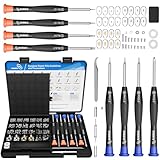
First, let’s talk about the screwdrivers themselves. Those tiny, often flimsy ones that come in kits can be hit or miss. The Phillips head can strip easily, and they don’t always give you enough use. I found that investing in a good quality eyeglass repair kit makes a world of difference. Look for kits that have multiple sizes of both Phillips and flathead bits, and importantly, a comfortable, sturdy handle. Something with a swiveling top is also a godsend, allowing you to apply steady pressure without your hand cramping up. I picked up a set from a reputable hardware store for about $20, and it’s been worth every penny compared to the dozen cheap ones I’d broken or lost. (See Also: Can The I Phone Battery Covers Screw Up The Phone )
But the screwdriver is only half the battle. The real trick is securing that screw once it’s tightened. This is where a tiny dab of something to lock it in place comes in.
The gold standard, and what opticians often use, is a thread-locking fluid. You can buy these online or at hardware stores. They come in different strengths. For glasses, you want a low-strength, removable thread locker, often colored blue.
Brands like Loctite offer these. You only need a tiny drop.
Apply it to the threads of the screw before you insert it, or very carefully to the exposed threads after tightening. It dries and holds the screw in place but can be loosened with a bit of heat (like from a hairdryer on low) or a bit more force if you ever need to remove it.
I used to be hesitant about putting any kind of glue or sealant on my glasses. My fear was that it would be permanent, or worse, damage the frame. But the low-strength thread locker is specifically designed for this. It’s not permanent like superglue.
It’s meant to resist vibration but still allow for disassembly. I learned this the hard way after trying some cheap nail polish once – big mistake. It was a nightmare to get off and actually gummed up the hinge.
The thread locker is the professional solution for a reason. I got a small bottle for about $15, and it’s lasted me for years, solving this whole ‘loose screw’ saga. It’s one of those small, cheap solutions that makes a massive difference in your daily life.
| Method | Pros | Cons | Verdict |
|---|---|---|---|
| Basic Screwdriver Tightening | Free, readily available | Temporary, screws loosen again quickly | A temporary band-aid, not a fix |
| Quality Eyeglass Repair Kit | Better tools, more precision | Still requires frequent tightening | Key for the job, but not the whole solution |
| Low-Strength Thread Locker (Blue) | Secures screw, prevents loosening due to vibration | Requires careful application, specific product needed | The most effective long-term solution |
| DIY Solutions (e.g., nail polish, wax) | May seem accessible | Can damage frames, difficult to remove, ineffective | Avoid at all costs – a recipe for disaster |
Common Mistakes and What to Avoid
Look, we all make mistakes when we’re trying to fix something ourselves. When it comes to those pesky glasses screws, there are a few pitfalls that can make things worse or just waste your time. Knowing these can save you a lot of frustration.
The most common mistake I see, and one I’ve definitely made, is over-tightening. You’re so focused on getting that screw to stay put that you crank on it with all your might. This can strip the threads on the screw or, even worse, crack the frame where the screw goes in, especially if it’s plastic. I once had a pair of plastic frames where I overtightened a hinge screw, and the plastic just gave way. It wasn’t a clean break; it was more like a spiderweb crack that just got worse. Those glasses were toast. It’s a delicate balance – tight enough to hold, but not so tight you break something. (See Also: Cant Unscrew Main Screws On Iphone )
Another mistake is using the wrong tool. Those tiny screwdrivers that come with glasses often aren’t the best quality. The tip can get rounded off, or the size might not be quite right for your specific screw. If the screwdriver doesn’t fit perfectly, you’re much more likely to strip the screw head. Once a screw head is stripped, it’s a nightmare to remove. You might need specialized tools or even have to take them to a professional. I learned this the hard way with a pair of sunglasses that had a particularly stubborn screw. After stripping it, I couldn’t adjust the arm anymore, and they just sat in my drawer, useless.
People also often forget about cleaning. If there’s dirt, dust, or old residue in the screw hole, it can prevent the screw from seating properly. This can lead to it loosening more easily. It’s always a good idea to give the hinge area a gentle clean before attempting any tightening or repair. A soft brush or a blast of compressed air can work wonders. Don’t go blasting liquids in there unless you know they won’t damage the frame or lenses. I found that a simple toothpick can also be useful for gently scraping out any gunk that’s built up in the hinge mechanism.
Finally, and this is a big one: don’t use the wrong kind of adhesive. I mentioned this before, but it bears repeating. Superglue, epoxy, or even strong nail polish are not your friends here. They are too permanent, too messy, and can damage the delicate materials of your glasses. They might seem like a quick fix, but they often create a much bigger problem down the line. If you’re going to use an adhesive, it must be a low-strength, removable thread locker designed for small metal components. Anything else is just asking for trouble.
Common Mistakes Summary
- Over-tightening: Can strip screw threads or crack frames.
- Using the Wrong Tool: Leads to stripped screw heads and poor fit.
- Neglecting Cleaning: Dirt and residue can prevent proper screw seating.
- Using the Wrong Adhesive: Permanent glues can ruin your glasses.
Real-World Fixes: My Personal Toolkit
Okay, so we’ve covered the ‘why’ and the ‘what not to do.’ Now, let’s talk about the ‘what to do’ in terms of actual tools and a practical approach when you have to constantly tighten the screw in my glasses. My personal toolkit for this minor but persistent annoyance has evolved over the years. It’s not fancy, but it gets the job done reliably.
First, the eyeglass repair kit. I’ve ditched the cheap, flimsy ones and now own a decent multi-bit kit that cost me around $20. It’s got a comfortable handle, a magnetic tip to hold the tiny screws, and a variety of bits. Importantly, it has a Phillips head that actually fits the screws on my glasses without wobbling. I keep this kit in my desk drawer at home and a smaller, travel-sized version in my car’s glove compartment. It’s amazing how often you need it when you’re out and about.
Next, the star player: the low-strength blue thread locker. I bought a small bottle of Loctite 242 (it’s the classic blue one) for about $15. A little goes an incredibly long way. When a screw starts to loosen, I’ll carefully remove it, clean the threads with a cotton swab, apply one tiny drop of the thread locker to the screw threads, and then reinsert and tighten it gently. I usually let it sit for about 15-20 minutes to set before putting my glasses on. This has dramatically reduced how often I need to touch them. I’d say before, I was tightening screws weekly, maybe even every few days. Now, it’s months between adjustments for the same screws.
I also keep a small pair of fine-tipped tweezers handy. Sometimes, the screw falls out completely, and picking up such a tiny thing with your fingers is nearly impossible. The tweezers let me grab it and guide it into the hole. For cleaning, I use a small, soft-bristled brush (like a retired makeup brush or a dedicated cleaning brush from an electronics kit) to get dust and debris out of the hinge. If there’s any stubborn gunk, a toothpick can be surprisingly effective, but you have to be careful not to scratch anything.
One thing I learned is that different parts of the glasses might need slightly different approaches. The hinge screws that connect the arm to the frame are the most common culprits. But sometimes, the screws that hold the nose pads on can loosen too. The thread locker works well for the hinge, but for nose pads, it’s usually just a matter of tightening the screw properly. If you have metal frames, you might also encounter screws that go into a small metal threaded insert. These can be a bit more delicate, so be extra careful not to strip them.
The Faq: Answering Your Burning Questions
How Often Should I Tighten My Glasses Screws?
You shouldn’t have to tighten them frequently if they are properly secured. If your glasses feel loose and you find yourself tightening screws more than once every few months, it’s a sign that the screw isn’t staying put. This is often due to vibration or improper initial tightening, and a thread locker is usually the best long-term solution to prevent constant loosening. (See Also: Does My Watch Have Screws Or Pins )
Can I Use Nail Polish to Keep My Glasses Screws Tight?
While it might seem like a quick fix, using nail polish is generally not recommended. Nail polish can be too strong, making the screw difficult or impossible to remove later without damaging the frame. It can also become brittle and flake off, creating a mess. Opt for a specialized low-strength thread-locking fluid designed for small metal parts instead.
What Is the Best Type of Screwdriver for Glasses?
The best screwdriver for glasses is one that fits the screw head snugly without wobbling. Eyeglass repair kits typically come with small Phillips and flathead screwdrivers. Invest in a quality kit with a comfortable handle and a magnetic tip, as this will provide better control and prevent you from stripping the delicate screw heads.
My Glasses Screw Keeps Falling Out Completely. What Should I Do?
If the screw is falling out frequently, it means it’s not engaging properly or is severely worn. First, make sure you are using the correct size screw and that the threads in the frame are intact. If the threads are damaged, you may need to take them to an optician for repair. If the threads are fine, applying a small amount of low-strength blue thread locker to the screw threads before reinserting it should solve the problem by preventing it from vibrating loose.
Are There Any Permanent Solutions for Loose Glasses Screws?
The most effective and long-lasting solution that is still reversible is using a low-strength thread locker. This fluid hardens to prevent vibration-induced loosening but can be undone if needed with a bit of heat or force. Permanent solutions would likely involve permanently bonding the screw or hinge, which would prevent future adjustments or repairs and is generally not advised for eyewear.
When It’s Time to Call the Professionals
Sometimes, despite your best efforts and a well-stocked toolkit, the problem with your glasses screws is beyond a DIY fix. Knowing when to throw in the towel and seek professional help is a sign of wisdom, not defeat. If you’ve tried tightening, thread locker, and checked for obvious damage, but the screws still loosen or fall out, it’s time to consult an optician.
There are a few scenarios where professional intervention is necessary. Firstly, if the screw hole itself is stripped or damaged. This can happen with age, wear, or if a screw was overtightened or cross-threaded. The optician has specialized tools and techniques to repair these threads or, in some cases, replace the damaged part of the frame. I once had a pair of metal-rimmed glasses where the tiny screw boss on the frame had become loose. The optician was able to fix it with some kind of specialized welding or re-brazing technique that I wouldn’t even attempt at home.
Secondly, if the hinge mechanism is bent or worn out. Sometimes the issue isn’t just the screw; it’s the entire hinge assembly. If the hinge is loose, wobbly, or doesn’t align properly, even a perfectly tightened screw won’t keep the glasses stable. Opticians can often adjust, repair, or replace hinges. This is especially common with older glasses or those that have been subjected to a lot of stress.
Finally, if you’re simply not comfortable doing the repair yourself, or if the glasses are very expensive or delicate. A professional optician has the experience and precision to handle even the most intricate repairs without causing further damage. Many opticians offer minor adjustments and repairs for free or a very small fee, especially if you purchased the glasses from them. It’s often cheaper than replacing the entire pair. So, don’t be afraid to walk into your local eyewear shop with your wobbly glasses; they’ve seen it all before.
Final Thoughts
So there you have it. That seemingly minor issue of a screw that won’t stay put can be a real headache, but it’s usually fixable. For most of us, the solution lies in a good repair kit and a tiny dab of thread locker. It’s not rocket science, but it requires the right approach and the right materials. Stop accepting that you’ll have to constantly tighten the screw in my glasses; take control of your eyewear.
My advice? Get yourself a decent eyeglass repair kit with a good handle and bits, and pick up a small bottle of that blue thread locker. It’s a small investment that pays off in daily sanity. If you’re still struggling, or if the damage looks more serious, don’t hesitate to visit your optician. They can often sort out the trickier problems for you.
Next time your glasses start to slip, you’ll know exactly what to do. You’ll have the tools and the knowledge to keep them perfectly in place, so you can focus on what really matters.
![AXTH 25-in-1 Small Precision Screwdriver Set, Professional Magnetic Mini Repair Tool Kit for Phone, Computer, Watch, Laptop, Macbook, Ring Doorbell, Eyeglass, Electronic, [Bearing Steel] Screw Driver](https://m.media-amazon.com/images/I/518YlLmPTcL._SL160_.jpg)
