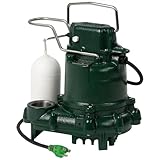
You stare at that bubbling fountain, the one you spent a small fortune on last spring, and a nagging question pops into your head: Are pond pumps expensive to run? I’ve been there. That first electric bill after installing my little slice of watery heaven felt like a punch to the gut. You see these gorgeous ponds in magazines, all serene and magical, but nobody mentions the meter spinning like a top.
Let’s cut to the chase. The answer isn’t a simple yes or no. It depends on a bunch of things, and frankly, most of the advice out there is either too vague or just plain wrong. I’ve learned a lot the hard way, wasting money on pumps that were way too powerful or not nearly efficient enough. So, if you’re wondering about the ongoing cost of keeping your pond healthy and beautiful, stick around. We’re going to break down exactly what you need to know.
The Real Wattage Drain: Understanding Pond Pump Power
Look, the biggest factor in whether your pond pump is going to cost you an arm and a leg to run is its power consumption, measured in watts. It’s not just about the gallons per hour (GPH) rating; that tells you how much water it moves, not how much juice it sucks. A pump that moves a ton of water might be super efficient, while a smaller one could be a power hog. I learned this the hard way when I swapped out a perfectly good, but slightly undersized, pump for a ‘bigger is better’ monstrosity. My water feature looked amazing, but my electricity bill nearly doubled for the summer. That was a wake-up call.
Most manufacturers will list the wattage or amperage on the pump itself or in the manual. If you can’t find it, a quick Google search for your pump’s model number usually turns up the specs.
General rule of thumb: submersible pumps tend to be a bit more energy-efficient than external ones, mainly because they’re designed to work with the water pressure they’re under. But even then, there’s a huge range.
A tiny 500 GPH pump might only sip about 20-30 watts, barely more than a night light. On the flip side, a serious beast designed for a massive koi pond or a powerful waterfall could easily chug 100, 300, or even 500+ watts. That’s where the cost really starts to add up.
And let’s not forget about the ‘head height’ factor. This is the maximum vertical distance the pump can push water. The higher you need to push that water (say, for a tall waterfall), the harder the pump has to work, and the more power it consumes. So, if you’ve got a pump rated for 10 feet of head but you’re only lifting it 3 feet, it’s likely over-specced for that job and might be using more power than necessary. Conversely, if you’re asking it to push water 12 feet, it’s going to struggle and use more watts than its rating suggests. Always match the pump’s capabilities to your actual pond’s needs, not just what looks impressive on paper.
So, how do you figure out your actual running cost? It’s simple math once you have the wattage. Take the pump’s wattage, divide by 1000 to get kilowatts (kW), multiply by the number of hours it runs per day, and then multiply by your local electricity rate (usually listed on your bill in cents per kWh).
Let’s say your pump is 100 watts and your electricity is 15 cents per kWh. Running it 24/7: (100W / 1000) * 24 hours * $0.15/kWh = $0.36 per day. That’s about $10.80 a month.
Seems small, right? Now, imagine a 300-watt pump.
That’s $1.08 a day, or over $32 a month. Suddenly, it’s not so pocket change anymore. And if your pump is running 365 days a year, those smaller costs can really add up. (See Also: Are Pumpkin Seed Husks Edible )
This is why understanding the wattage upfront is absolutely a must.
The Efficiency Lie: What ‘energy-Efficient’ Really Means
Everyone’s chasing energy efficiency these days, and pond pumps are no exception. You’ll see labels touting ‘low energy consumption’ or ‘eco-friendly.’ Sounds great, but what does it actually mean in the real world? I’ve bought into the hype more than once, thinking I was making a smart, cost-saving choice, only to find out the difference was marginal at best, or that the pump’s performance suffered. The term ‘energy-efficient’ often just means it uses less energy for the amount of water it moves compared to older, less advanced models. It doesn’t necessarily mean it uses very little energy overall, especially if it’s a high-flow pump.
The biggest big deal in pump efficiency in recent years has been the introduction of brushless DC (BLDC) motors, often found in ‘smart’ or variable-speed pumps. These are a far cry from the old AC (alternating current) induction motors. BLDC motors can adjust their speed and power output based on demand.
So, instead of running full blast 24/7, a variable-speed pump can be programmed to run at a lower speed during less demanding times (like at night) and ramp up when you need more flow for filtration or a waterfall effect. This can result in significant energy savings, sometimes up to 50% or more compared to a comparable single-speed AC pump.
I’ve seen firsthand how setting a schedule on my variable-speed pump reduced my monthly electric bill by a noticeable amount, easily covering the slightly higher initial purchase price over a couple of seasons.
However, here’s the contrarian take: don’t automatically assume that the most expensive, feature-packed variable-speed pump is always the best value for your specific pond. If you have a very small, simple pond with minimal filtration needs, a basic, correctly sized AC pump might be perfectly adequate and far cheaper to buy upfront. The energy savings from a fancy variable-speed model might take many years to recoup the extra cost. It’s a balance. For my medium-sized pond with a decent-sized waterfall, the variable-speed pump was a no-brainer. For a friend with a tiny pre-formed pond and a single goldfish, I advised him to stick with a small, cheap submersible pump, and he’s happy as a clam (or rather, a goldfish).
When comparing pumps, don’t just look at the wattage. Look at the flow rate (GPH) at different head heights and compare that to the wattage. Some manufacturers provide charts showing this. A pump that delivers, say, 800 GPH at 5 feet of head while drawing only 40 watts is going to be more efficient than one that delivers 600 GPH at 5 feet of head while drawing 50 watts. This comparison, often called ‘specific speed’ or an efficiency rating, is where the real savings lie. Always do the math: (Wattage / GPH) at your required head height. The lower the number, the more efficient the pump. Don’t let marketing hype blind you; check the actual performance specs.
Common Pond Pump Mistakes That Cost You Money
We all make mistakes when setting up a pond, and believe me, I’ve made my fair share. One of the biggest, and most costly, is oversizing the pump. People see recommendations for a certain GPH based on pond volume, and they think, ‘Bigger is better!’ So, they buy a pump that can circulate the pond’s entire volume ten times an hour when maybe three times an hour is all that’s needed for adequate filtration and water movement.
This is like buying a Hummer to go to the corner store – massive overkill and a huge drain on resources. Not only does an oversized pump use more electricity, but it can also churn up the pond bed, making the water cloudy and potentially stressing your fish. The extra flow can also be detrimental to beneficial bacteria colonies in your filter if the water passes through too quickly.
Another common blunder is neglecting pump maintenance. These things are workhorses, and if you don’t clean them regularly, their efficiency plummets. Clogged impellers, debris in the intake pre-filter, or a dirty motor housing all force the pump to work harder to move the same amount of water. (See Also: Are Pumpkin Seed Acid Or Alkaline )
This means more watts drawn for less performance. I remember one summer, my waterfall seemed to lose half its power. I was ready to buy a new pump, thinking the old one had finally given up the ghost. Turns out, a rogue clump of algae had completely choked the intake screen.
A quick five-minute clean-out, and it was back to full glory. It’s astonishing how much difference a clean pump makes. You should aim to clean the intake and impeller at least once a month, depending on how much debris your pond accumulates.
A third major mistake is using the wrong type of pump for the job. Submersible pumps are great for many applications, but if you have a very deep pond or need to run the pump far from the water’s edge (like for a separate filtration system), an external pump might be more appropriate.
However, external pumps often require priming, and if not installed correctly or allowed to run dry, they can overheat and burn out, or just be incredibly inefficient. I had a friend who insisted on using a submersible pump for a pond where the filter was located nearly 20 feet away, uphill.
The pump was constantly struggling, using way more power than it should have, and it burned out after only two seasons. A properly sized external pump would have been far more efficient and long-lasting.
Finally, and this is something many people overlook, is the quality of the electrical connection. Using undersized extension cords, cheap power strips, or not having GFCI protection can not only be dangerous but can also lead to voltage drop. Voltage drop means the pump isn’t getting the full electrical current it’s designed for, causing it to run less efficiently and potentially overheat. Always use outdoor-rated, heavy-gauge extension cords if needed, and make sure all connections are secure and protected from the elements. It might seem like a small detail, but it affects the pump’s ability to perform at its peak, and thus, its running cost.
Real-World Costs: What I’ve Actually Paid
Let’s talk numbers, because vague advice is useless. When I first set up my backyard pond – a 1500-gallon system with a small waterfall – I went with a mid-range submersible pump rated for about 600 GPH. It had an AC motor and drew around 40 watts. My electricity rate at the time was about $0.14 per kWh. Running it 24/7, that worked out to roughly $0.13 per day, or about $4 a month. Honestly, I barely noticed it on the bill. It was a pleasant surprise, and I thought, ‘Great, pond pumps aren’t expensive to run at all!’
Then I decided to upgrade the waterfall. I wanted more oomph, a bit more of a cascade. I bought a new pump, a slightly beefier AC model, rated for 1000 GPH but drawing 75 watts. The difference in running cost was immediate. That extra 35 watts jumped my daily cost to about $0.25, or around $7.50 a month. Still not terrible, but it was a 75% increase for what felt like only a 50% increase in waterfall effect. Lesson learned: don’t just jump up in wattage without considering if the performance gain is worth the cost. This was before I really understood the value of variable-speed pumps.
A couple of years ago, I finally bit the bullet and invested in a variable-speed DC pump for my larger, current pond (around 3000 gallons with a substantial waterfall and UV filter). This pump is rated anywhere from 500 to 2000 GPH and its wattage varies accordingly. At its lowest setting (around 500 GPH, which is enough for basic circulation at night), it draws about 15 watts. At its peak (around 2000 GPH for maximum waterfall effect), it pulls about 120 watts. My current electricity rate is $0.18 per kWh. Here’s the breakdown:
| Pump Setting (GPH) | Wattage | Daily Cost (24/7) | Monthly Cost (approx.) | Opinion/Verdict |
|---|---|---|---|---|
| 500 | 15 W | $0.07 | $2.10 | Bare minimum circulation, great for overnight savings. |
| 1000 | 45 W | $0.22 | $6.50 | Good for general daytime filtering and moderate flow. |
| 1500 | 80 W | $0.39 | $11.50 | Strong flow for waterfalls, powerful filtration. |
| 2000 | 120 W | $0.58 | $17.20 | Max power, for dramatic waterfalls or when cleaning pond. |
As you can see, by strategically using the variable speed settings, I can get excellent flow when I need it without breaking the bank. On average, running it at a moderate setting for about 16 hours a day and high for 8 hours, my monthly pump cost is around $10-$15. Compare that to a single-speed pump that might have to run at 1500 GPH constantly and draw, say, 100 watts – that would be roughly $1.29 a day, or $38.70 a month, every single month. The variable-speed pump was a significant upfront investment, costing me about $450 compared to maybe $150-$200 for a good single-speed, but it’s already paid for itself in energy savings within the first year. It’s also quieter and has a longer lifespan due to less constant strain. (See Also: Are Organic Pumpkin Seeds From China Bad )
Tips for Keeping Your Pump Running Cheaply
So, you’ve got the rundown on power draw, efficiency myths, and common pitfalls. Now, let’s get practical. How do you make sure your pond pump isn’t a constant drain on your wallet? First off, as I’ve hammered home, choose the right pump for your pond size and needs. Don’t overbuy. If you have a small pond, a tiny submersible pump that draws 20-30 watts is perfectly fine and cheap to run. If you have a larger pond with a waterfall, consider a variable-speed pump. The initial cost is higher, but the long-term savings are substantial. Many manufacturers now offer flow calculators on their websites to help you match pump size to pond volume and desired turnover rate.
Secondly, regular maintenance is your best friend. Clean the intake screens and impeller monthly, or more often if you have a lot of debris. A clogged pump is an inefficient pump, and an inefficient pump costs you more money. I keep a small bucket of pond water and an old toothbrush handy for quick cleans. It takes five minutes and can save you a noticeable amount on your electricity bill. Also, check the pump’s housing for any build-up or damage. A clean pump runs smoothly and draws the least amount of power for the job it’s doing.
Third, consider running your pump on a timer, especially if you have a variable-speed pump or if your filtration needs don’t require 24/7 maximum flow. Many people only need full filtration during the day. You can program your pump to run at a lower, more efficient setting overnight or even turn it off for a few hours if your pond is well-established and doesn’t have sensitive fish or plants that require constant circulation. For AC pumps, a simple mechanical timer can switch it off during peak electricity rate hours if your utility offers a time-of-use plan. While I prefer the integrated programming of variable-speed pumps, a basic timer is a cheap way to control usage for any pump type.
Finally, and this is often overlooked, make sure your pump is properly sealed and not leaking. Any water escaping means the pump has to work harder to maintain the desired level and flow. Also, if you’re using an external pump, make sure the plumbing is sealed tightly to prevent air leaks, which can reduce efficiency and strain the motor. For submersible pumps, make sure they are submerged as recommended by the manufacturer; running them too shallow can cause overheating and reduced lifespan, indirectly costing you money through premature replacement.
People Also Ask: Unpacking Your Questions
How Much Electricity Does a Pond Pump Use Per Day?
The amount of electricity a pond pump uses per day varies wildly based on its wattage and how long it runs. A small 20-watt pump running 24/7 might use less than 0.5 kWh per day. A larger 150-watt pump running 24/7 could use around 3.6 kWh per day. To calculate your specific pump’s daily usage: (Pump Wattage / 1000) * 24 hours. Multiply this by your local electricity rate (in dollars per kWh) to get the daily cost.
What Is the Average Cost to Run a Pond Pump?
The average cost is really hard to pin down without knowing the pump size, efficiency, and your local electricity rates. However, for a typical small to medium pond (say, 500-1000 gallons) with a moderately efficient pump (30-60 watts) running 24/7, you might expect to pay anywhere from $5 to $15 per month. Larger ponds with more powerful or less efficient pumps could easily see monthly costs of $30, $50, or even much higher.
Is It Okay to Leave a Pond Pump on All the Time?
Generally, yes, it is okay, and often recommended, to leave a pond pump on all the time. Continuous circulation helps to oxygenate the water, prevent stagnation, distribute beneficial bacteria, and keep filters functioning properly, all of which are vital for a healthy pond ecosystem and happy fish. However, modern variable-speed pumps offer significant savings by allowing you to reduce flow or even shut off the pump for short periods when maximum circulation isn’t needed, so ‘all the time’ doesn’t have to mean ‘at full power all the time’.
Can a Pond Pump Run Dry?
No, a pond pump should generally never be allowed to run dry. Most submersible pumps are designed to be cooled by the water they are submerged in. Running them dry can cause them to overheat rapidly, leading to motor damage or complete failure. External pumps, while not submerged, still require water in the system to prevent overheating and damage to the impeller and seals. Always make sure your pump is properly submerged or has a water supply if it’s an external unit.
Verdict
So, are pond pumps expensive to run? The short answer is: they can be, but they don’t have to be. It all comes down to making informed choices. Picking the right pump for your specific pond needs, prioritizing energy efficiency when possible (especially with variable-speed options), and committing to regular maintenance are the keys to keeping those electricity bills from spiraling out of control.
Don’t let the fear of high running costs stop you from enjoying the tranquility a pond brings. With a bit of upfront research and a commitment to keeping your equipment in good shape, you can have a beautiful, healthy water feature without emptying your wallet every month. Pay attention to the wattage, compare real-world performance, and remember that a little preventative care goes a long, long way.
Before you buy your next pump, do the math. Check the specs, factor in your electricity rate, and consider the long-term savings of a more efficient model. Your pond, and your bank account, will thank you for it.