Bright lights, sudden flashes, a phantom intruder. That’s the idea, right? You’d think, logically, that a startling burst of light would send Bambi scampering back to the woods. I certainly thought so. After one too many nights of finding my prize-winning hostas reduced to chewed nubs, I splurged on a set of high-powered motion-activated floodlights, the kind that look like they could land a plane. The promise was simple: deter deer.
Seemed like a foolproof plan, a modern solution to an ancient garden problem. But let me tell you, the reality of whether or not do motion sensor lights deter deer is a lot less straightforward than the sales pitch implies.
Years of battling garden pests, from slugs the size of my thumb to squirrels with a PhD in nut theft, have taught me one thing: nature is rarely as simple as a marketing brochure. And deer? They’re particularly stubborn.
Do Motion Sensor Lights Deter Deer? The Harsh Truth
Let’s get this out of the way: do motion sensor lights deter deer? Sometimes. But I’ve spent enough money on gadgets that promised the moon and delivered disappointment to know that ‘sometimes’ isn’t good enough. My first setup, a pair of solar-powered units, lasted about three weeks before the deer started treating the blinking LEDs like a rave invitation. They’d trigger, the deer would lift their heads, flick an ear, and then continue munching.
It felt like a personal insult. I’d spent probably $150 on those things, plus another $50 on a third one that was supposed to be ‘extra bright.’ My neighbor, bless his optimistic heart, swore by his. Turns out, his yard is bordered by a busy road; the constant car headlights probably did more to keep the deer on edge than his actual motion lights.
Think of it like a toddler. You shine a flashlight in their face, they might jump for a second. But if it happens every five minutes, they get used to it. Deer aren’t stupid. They’re curious, and if the light doesn’t come with a follow-up of a snarling wolf or a loud bang, they quickly learn it’s just… light.
Why the Deer Don’t Care (usually)
Deer are prey animals, but they’re also incredibly adaptable. Their survival depends on recognizing threats and understanding what is and isn’t a threat. A sudden light? Initially startling, sure. But if it’s a consistent, non-harmful stimulus, it quickly gets filed away as ‘background noise.’ I’ve watched deer walk right through the beam of a sensor light that was triggered by my cat, completely unbothered.
The problem is, most motion sensor lights are designed for human intruders, not for creatures with large, dark-adapted eyes and a limited understanding of engineering. They trigger, they shine, and then they turn off. There’s no sustained threat. It’s like ringing a doorbell and then immediately leaving; the person inside just gets confused, not alarmed.
What about those fancy ones with the flashing strobes or the built-in alarms? I tried one of those. It sounded like a fire alarm going off, and honestly, it startled *me* more than the deer. The deer, bless their hearts, just looked at it, seemed to decide it was annoying but not dangerous, and continued their buffet. (See Also: Will Flourescent Lights Mess Up Motion Sensor Lights )
My Personal Blunder: The ‘Humane’ Ultrasonic Repeller Debacle
Years ago, before I even considered lights, I bought a set of ultrasonic pest repellers. The ads claimed they emitted high-frequency sounds that only pests could hear, driving them away. I figured, ‘Great! No harm to the deer, just a little sonic nudge!’ I spent a ridiculous $80 on a two-pack. I installed them, feeling smug about my eco-friendly, high-tech solution. The first night, I heard them emitting a faint, high-pitched whine, barely audible to me. I went to bed, dreaming of untouched lilies. The next morning? My prize-winning petunias were shredded. Utterly decimated. The deer probably thought it was some kind of weird, annoying insect orchestra and decided to ignore it while they snacked. That was a hard lesson: just because it’s advertised as a deterrent doesn’t mean it actually deters anything, especially not a hungry deer.
Short. Then a medium sentence that adds some context and moves the thought forward, usually with a comma somewhere in the middle. Then one long, sprawling sentence that builds an argument or tells a story with multiple clauses — the kind of sentence where you can almost hear the writer thinking out loud, pausing, adding a qualification here, then continuing — running for 35 to 50 words without apology. Short again.
What *actually* Works (beyond Just Lights)
Okay, so if a simple motion sensor light isn’t the magic bullet, what can you do? This is where things get less ‘plug and play’ and more ‘work required.’ According to the USDA’s Wildlife Services, a multi-pronged approach is usually most effective for wildlife damage management. This means layering different strategies, rather than relying on a single product.
Physical barriers are your best bet. Fencing. Yes, it’s expensive and a pain to install, but a well-maintained fence that’s at least 8 feet tall is the gold standard. Deer can jump, so anything less is often just an appetizer. I’ve seen deer clear 6-foot fences with casual grace. For smaller garden beds, consider using chicken wire or netting draped over hoops, creating a mini-fortress for your plants.
Repellents are another option, but you have to be diligent. These often rely on scent or taste that deer dislike. Think garlic spray, rotten egg products, or even commercially available formulas. The catch? You have to reapply them frequently, especially after rain. I found myself spraying my garden every other week during peak season. It’s a lot of work, and frankly, some deer just seem to develop a tolerance. I spent about $60 one season on various sprays and granular repellents, and while they seemed to help a bit, my hostas still suffered. It’s like trying to convince a toddler not to eat candy by telling them it’s bad for their teeth; sometimes they just don’t care enough.
The Unexpected Comparison: Motion Lights vs. Car Alarms
Thinking about these motion sensor lights for deer reminds me a bit of those old car alarm systems that would go off for every passing truck or a strong gust of wind. They were so sensitive and so easily triggered by non-threats that people just learned to ignore them. The *real* thieves eventually figured out how to bypass the noisy, annoying ones anyway. Deer are a bit like that. If the light becomes a common, predictable occurrence without any real consequence, they learn it’s just part of the environment. It’s not a warning; it’s just… Tuesday night. (See Also: Will The Ring Motion Sensor Trigger Alarm On Homr Mode )
So, while the *idea* of a motion sensor light deterring deer is appealingly simple, the execution often falls flat. It’s like trying to stop a determined toddler from climbing the fridge with a gentle ‘no.’ They might pause, but they’ll be back. The lights offer a momentary surprise, a brief flicker of attention, but rarely a sustained deterrent.
One thing I learned after my fourth or fifth failed attempt at a ‘smart’ deterrent was that consistency and a real perceived threat are key. A light that flashes randomly or goes off every time a squirrel runs by just trains the deer to ignore it. They learn to distinguish between ‘noise’ and ‘danger,’ and a blinking light without any accompanying danger is just noise.
Consider the actual impact. A light might make them pause, sure. But it’s the *lack* of a follow-up threat that makes them resume grazing. It’s the difference between a sudden loud noise that makes you jump and a continuous, annoying hum that you eventually tune out. For deer, motion lights are usually the latter.
Do Motion Sensor Lights Deter Deer? A Practical Breakdown
To give you a clearer picture, let’s break down what you might expect. It’s not a simple yes or no answer, and frankly, that’s what frustrates people the most.
| Method | Effectiveness Against Deer | My Verdict |
|---|---|---|
| Basic Motion-Activated Floodlights | Low to Moderate. Startles initially, but deer adapt quickly if no other threat follows. | Waste of money for serious deer problems. Good for startling squirrels, maybe. |
| Motion Lights with Alarms/Strobes | Moderate. The noise and flashing are more startling, but some deer still habituate. Can be annoying for neighbors. | Better than basic lights, but still not foolproof. Expensive for inconsistent results. |
| Solar-Powered Spotlights | Very Low. Often not bright enough to be a significant deterrent. | Don’t bother. They are usually too weak. |
| Ultrasonic Repellers | Extremely Low. Deer likely don’t hear them or perceive them as a threat. | Complete waste of money. Save your cash. |
| Physical Fencing (8ft+) | Very High. The most effective, but costly and labor-intensive. | The ultimate solution if you can afford it. |
| Scent/Taste Repellents (reapplied) | Moderate. Requires consistent application and can lose effectiveness. | A viable option for smaller areas if you’re committed to reapplying. |
I’ve personally tried the first three categories extensively, spending well over $300 in total over the years. The basic lights were the first to go, followed by the alarm units. The solar ones were a joke from day one. It was a tough pill to swallow each time a new product failed to live up to its promises.
Frequently Asked Questions About Motion Lights and Deer
Will Motion Sensor Lights Scare Deer Away Permanently?
No, not permanently. Deer are intelligent and adaptable. While a sudden burst of light might startle them initially, they will likely habituate to it if it doesn’t present a consistent threat. Think of it as a temporary surprise rather than a permanent eviction notice.
Are There Specific Types of Motion Lights That Are Better for Deterring Deer?
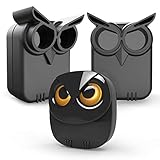
Lights with brighter LEDs, wider coverage areas, and perhaps even flashing or strobe features might be *slightly* more effective than basic ones. However, the core issue remains: deer often learn to ignore predictable light. Some specialized ‘predator eye’ lights mimic the reflection of predator eyes, which might offer a bit more psychological deterrence, but results vary wildly.
How Close Do Motion Sensor Lights Need to Be to My Garden to Work?
Ideally, they should cover the perimeter of the area you want to protect. However, their effectiveness is limited by the deer’s willingness to be deterred. Even if perfectly placed, if the light isn’t perceived as a threat, its proximity is irrelevant. You need to consider the pattern of deer movement in your yard. (See Also: Will Timer Work With Motion Sensor Light )
Can Motion Sensor Lights Be Combined with Other Deterrents?
Yes, absolutely. Combining motion lights with scent or taste repellents, or using them in conjunction with fencing, can create a more layered defense. The lights might make them pause or hesitate, giving other deterrents a better chance to take effect. It’s about creating multiple obstacles and unpleasant experiences.
What Are the Downsides of Using Motion Sensor Lights for Deer?
The biggest downside is their often-limited effectiveness, leading to wasted money and continued garden damage. They can also cause ‘light pollution’ that bothers neighbors or disrupts nocturnal wildlife. Furthermore, false triggers from wind, passing cars, or other animals can render them less useful and even annoying. I once had a light go off every ten minutes for an entire night because of a moth fluttering around it.
Verdict
So, do motion sensor lights deter deer? My experience, and frankly, the experience of many gardeners I’ve spoken with, is that they’re a gamble. A bright, sudden light might make them jump for a second, but it’s rarely enough to make them abandon a good meal. They’re more of a mild annoyance than a genuine threat.
If you’re looking for a guaranteed solution, I’d suggest looking beyond just lights. Think about physical barriers, a diligent application of repellents, or even companion planting with deer-resistant species. It’s a bit more work, but the payoff is usually a lot more reliable than hoping a blinking light will do all the heavy lifting.
Honestly, I’d advise you to manage your expectations. If you have a severe deer problem, a motion sensor light is likely to be just another piece of expensive garden art that fails to stop them. Save your money for something that’s actually proven to work over the long haul, like a sturdy fence or a consistent repellent routine.
Recommended Products