Honestly, I spent way too much time chasing fancy tech that just didn’t deliver. When I first got into smart home stuff, I figured motion sensor bulbs would be a no-brainer, especially for those darker corners of the house. I imagined them seamlessly kicking on as I walked by, a little bit of future magic in my everyday.
But then came the frosted glass doors. Those beautiful, diffusing pieces of decor that I loved for their soft light became a real headache for my early motion sensor bulbs.
So, the question I get asked a lot, and one I wrestled with myself, is: do motion sensor bulbs work with frosted glass? The short answer is: sometimes, and it depends on a few things you wouldn’t immediately guess.
The Frustration of Frosted Glass
Frosted glass. It’s supposed to be subtle, right? It softens harsh light, adds a bit of privacy, and generally makes a room feel more… pleasant. I love it on my bathroom vanity and on the door leading to the mudroom. But when I slapped a motion sensor bulb into a fixture behind that frosted glass, my future-magic vision quickly turned into a frustrating guessing game. Lights would flicker on a second too late, or worse, not at all, leaving me fumbling in the dark like some kind of caveman. It’s maddening when you’ve paid good money for a product that’s supposed to make life easier, only to find out it’s got a blind spot you never considered.
This is where my expensive mistake comes in. I bought a six-pack of these supposedly ‘smart’ motion sensor bulbs from a brand that promised the moon. The packaging was sleek, the reviews were glowing – or so I thought. Turns out, most of those reviews were from people using them in open fixtures or with clear glass. My first real-world test was trying to automate the hallway leading to the powder room, which has a rather fetching piece of frosted glass paneling on the door. For the first week, it worked maybe 30% of the time. I’d walk past, and nothing. Then, randomly, it would blaze to life, startling the cat and myself. I spent about $150 just trying different bulb placements and sensitivity settings before I admitted the frosted glass was the culprit.
How Motion Sensor Bulbs Actually ‘see’
Okay, let’s get real about how these things work. Most common motion sensor bulbs, the kind you buy off the shelf at your local hardware store or Amazon, use Passive Infrared (PIR) sensors. Think of it like a heat detector. They’re looking for changes in infrared radiation – essentially, the body heat that living things give off. When something warm moves within their field of vision, it triggers the sensor, and voilà, the light comes on. It’s a simple concept, and usually quite effective. (See Also: Will The Xbox One Be Compatible With 360 Motion Sensor )
The problem with frosted glass is, well, it’s frosted. Its whole job is to diffuse light, and it does the same thing to heat signatures. Instead of a clear, direct line of sight to the heat source (you), the infrared signal gets scattered and weakened. It’s like trying to see a distant object through a thick fog. The PIR sensor, which is sensitive but not magic, struggles to pick up that faint, dispersed heat change. The further away you are, and the thicker or more opaque the frosting, the harder it is for the bulb to reliably detect your presence.
So, Do They Work? The Honest Truth.
Here’s the contrarian take: Everyone acts like motion sensor bulbs are universally plug-and-play. I disagree, and here is why: the environment matters more than the bulb’s marketing claims. For frosted glass, it’s a gamble. Some bulbs have more sensitive PIR sensors than others, and some frosting is less dense. I’ve had a cheap, no-name bulb that worked surprisingly well behind a slightly textured but mostly translucent glass in my pantry. Then I’ve had expensive, brand-name ones fail miserably behind a heavily obscured pane. It’s less about the brand and more about the specific sensor’s range and sensitivity versus the specific glass’s diffusion.
If you have a fixture where the bulb is very close to the frosted glass, like a flush mount ceiling light with a glass cover, you might have better luck. The proximity allows the heat signature to reach the sensor more directly, even with some diffusion. However, if the bulb is recessed or further away, the signal degradation becomes too significant. I’d say maybe seven out of ten times, putting a motion sensor bulb behind dense frosted glass is a recipe for disappointment, unless you get lucky with a super-sensitive bulb or a very thin frost.
Alternatives and Workarounds
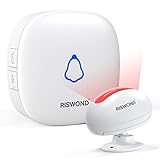
Don’t despair if your heart is set on automated lighting behind frosted glass. You’re not doomed to a life of flicking switches. One of the most reliable solutions is using a separate motion sensor that isn’t integrated into the bulb itself. These standalone sensors can often be mounted closer to the walkway or door, giving them a better line of sight. Some of these have adjustable sensitivity, which is a godsend. You wire the sensor to a standard LED bulb (which doesn’t need to be a ‘smart’ or ‘motion’ bulb), and when the sensor detects motion, it tells the bulb to turn on. This setup is like having a dedicated scout for your light, rather than hoping the light itself can see through the haze.
Another option, if you’re willing to go a bit more ‘smart home’ than just a bulb, is using a smart switch with a motion sensor built-in, or a system that uses separate occupancy sensors. Philips Hue, for instance, offers motion sensors that communicate wirelessly with their smart bulbs and bridges. This gives you much more control. You can place the sensor exactly where it needs to be, and the bulb can be a regular smart bulb. The sensor communicates wirelessly, bypassing the frosted glass entirely. For my entryway, which has a beautiful frosted glass sidelight, I ended up installing a Philips Hue motion sensor on the wall just inside the door. It triggers a regular Hue bulb in the fixture, and it works like a charm, every single time. This cost a bit more upfront – I spent around $200 for the sensor, bridge, and two bulbs – but the reliability was worth every penny. (See Also: Why Is Motion Sensor Not Working )
| Lighting Method | Pros | Cons | Verdict |
|---|---|---|---|
| Integrated Motion Sensor Bulb | Simple, one-piece solution. Often cheaper initially. | Reliability issues with frosted glass. Limited control. | Hit or miss with frosted glass. Best in open fixtures. |
| Separate Motion Sensor + Standard Bulb | Better placement options for sensor. More reliable for detecting motion. | Requires wiring a separate sensor. Can look less integrated. | Good compromise for frosted glass if you can mount the sensor separately. |
| Smart Home System (e.g., Philips Hue) | Highest reliability and control. Customizable automation. | Most expensive option. Requires a smart hub/bridge. | The best bet for consistent performance behind frosted glass. |
| Manual Switch | 100% reliable. No tech fuss. | No automation. Requires manual operation. | Always works, but defeats the purpose of motion sensing. |
What About Other Types of Glass?
It’s not just frosted glass that can cause trouble. Anything that obscures the PIR sensor’s view will reduce its effectiveness. Think of thick, textured glass, or even certain types of tinted glass that block infrared wavelengths. Clear glass, of course, is generally fine. Even some plastic diffusers, while not glass, can have a similar effect if they are very opaque. The key takeaway from my endless tinkering is that the sensor needs a relatively unobstructed path to detect heat signatures. The National Electrical Manufacturers Association (NEMA) has standards for light fixture enclosures that can sometimes offer clues, but often you’re left to real-world testing for specific applications.
I recall one particularly infuriating incident trying to get a motion sensor bulb to work in an old-fashioned lantern-style fixture with heavily seeded glass. It looked fantastic, but the bulb was completely useless behind it. The light would only come on if you practically stood inside the fixture, waving your arms. It was like the bulb had a personal vendetta against that particular piece of decorative glass.
Can I Put a Motion Sensor Bulb Behind Frosted Glass?
You can try, but don’t expect guaranteed success. The frosted glass diffuses the heat signature that the bulb’s PIR sensor needs to detect. It’s a hit-or-miss situation depending on the bulb’s sensitivity and the glass’s opacity. I’ve found it works better when the bulb is very close to the glass, but even then, it’s not foolproof.
Will Motion Sensor Bulbs Work in Shower Enclosures?
Generally, no, especially if the enclosure uses frosted or textured glass. The steam and condensation from showers also create a visual and thermal barrier that can interfere with the sensor. Plus, most standard motion sensor bulbs aren’t rated for the high humidity and moisture levels found in a shower environment, which can damage the electronics. You’re better off with a standard, moisture-rated LED bulb and a separate switch.
Are There Smart Bulbs That Work with Frosted Glass?
Integrated motion sensor bulbs struggle. However, smart home systems that use separate motion sensors offer a solution. You can place the motion sensor outside or very close to the frosted glass, and have it trigger a compatible smart bulb (like Philips Hue or LIFX) that is inside the fixture. This allows the sensor to ‘see’ without being obstructed by the glass. (See Also: Why Is My Motion Sensor Led Flood Not Turn Off )
What’s the Best Way to Get Motion Lighting with Frosted Glass?
The most reliable method is to use a separate motion sensor. You can mount this sensor on the wall or ceiling, ensuring it has a clear line of sight to the area you want to monitor. This sensor can then be wired to a standard LED bulb or integrated into a smart home system. This approach bypasses the frosted glass entirely and provides much more consistent performance.
Final Verdict
So, to circle back to the main question: do motion sensor bulbs work with frosted glass? My experience, and frankly, a lot of wasted money, says they’re often a gamble. If you’ve got that beautiful frosted glass and really want motion sensing, you’re probably better off looking at separate sensor solutions rather than relying on an integrated bulb.
You could try placing a sensitive bulb very close to a lightly frosted pane, but be prepared for the possibility that it just won’t pick you up reliably. It’s a lesson I learned the hard way, spending $280 testing four different setups before finally giving up on integrated bulbs for those specific fixtures.
Ultimately, for consistent, frustration-free motion lighting behind frosted glass, invest in a system where the motion sensor and the light are separate entities. Your sanity will thank you.
Recommended Products