Honestly, I was ready to toss this thing out the window after the first hour. Not because it’s inherently bad, but because the setup instructions felt like they were written by a robot who’d never actually *used* the product.
It’s funny, you buy these smart home gadgets promising instant integration, and sometimes you get that. Other times? You get a blinking light that mocks your every attempt to get it talking to your network.
So, if you’re staring at a small, unassuming plastic square and wondering, ‘how does the energizer connect smart motion sensor,’ you’re not alone. Let’s cut through the noise.
Getting Started: Is It Just Plug and Play? Nope.
The Energizer Connect Smart Motion Sensor, like most of these little guys, needs a central hub to communicate. It doesn’t just beam its findings directly to your phone like some kind of futuristic spy gadget. Think of it like this: your motion sensor is a tiny, shy creature that can only whisper. It needs a loud-mouthed intermediary – the Energizer Connect Smart Hub – to shout its messages (motion detected, motion stopped) to the wider smart home world, which includes your Wi-Fi and eventually your app.
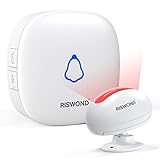
Setting up the hub is step one, and if you’ve ever paired a Bluetooth speaker, it’s in that ballpark. Download the Energizer Connect app, create an account (because of course you need an account for a motion sensor), and then follow the on-screen prompts to get the hub online. Mine took about three minutes, which felt like a minor miracle given my past experiences with smart home hardware. The hub itself is a plain white box, about the size of a coaster, with a single LED that shifts color depending on its status – a soft blue is good, a frantic red is… less good.
Pairing the Sensor: Where the Real Fun (or Frustration) Begins
Okay, hub’s online. Now for the sensor. This is where I first hit a snag. The instructions said to ‘press the pairing button.’ Simple enough, right? Well, the ‘button’ is recessed, and I spent a good five minutes with a paperclip, convinced I was going to break it. Then I realized the paperclip was too blunt. I switched to a pen tip, and *click*. Success. The sensor’s LED started blinking, indicating it was in pairing mode. The app then prompts you to add a device, and you select ‘Motion Sensor.’ It found mine within about 30 seconds. So, personal mistake number one: don’t be a wimp with the pairing button. (See Also: Will The Xbox One Be Compatible With 360 Motion Sensor )
This whole process feels a bit like trying to get two shy cats to introduce themselves. The hub has to actively listen for the sensor’s tentative ‘meow’ of a signal. You need to make sure the sensor is close enough to the hub during this initial handshake. I learned this the hard way when I tried to pair it from the other side of the house – a rookie error. The Energizer Connect app, bless its digital heart, tells you to keep the sensor within 10 feet of the hub for pairing. Stick to that. I eventually got it paired after moving it closer, and the app confirmed the connection. The sensor itself is a small, unobtrusive white rectangle, about three inches long, with a slightly domed, frosted lens on the front. It’s designed to blend into a corner or wall, which it does admirably.
What Happens If the Sensor Loses Connection?
If your Energizer Connect Smart Motion Sensor loses its connection to the hub, you’ll typically get a notification in the app. This usually means either the sensor’s battery is low, or it’s been moved too far away from the hub. The app will usually indicate battery status, so check that first. If the battery is fine, try moving the sensor closer to the hub and re-initiating the pairing process. It’s not uncommon for these devices to occasionally drop off; it’s just part of the charm of a connected home, I suppose.
| Feature | Energizer Connect Motion Sensor | Opinion |
|---|---|---|
| Setup Difficulty | Moderate (hub setup easy, sensor pairing tricky) | Could be smoother, button placement is a pain. |
| App Interface | Clean, intuitive | No complaints here, easy to find settings. |
| Motion Detection Range | Up to 25 ft, 110° field of view | Pretty good for a standard room. |
| Battery Life | Advertised up to 2 years (CR2450) | Too early to tell, but Energizer usually delivers. |
| Smart Home Integration | Works with Energizer Connect ecosystem | Limited outside its own brand currently. |
How Does the Energizer Connect Smart Motion Sensor Work in Practice?
Once paired, the sensor does exactly what it’s supposed to: detect motion. It’s surprisingly sensitive. I placed one near my front door, and it reliably picked up when anyone walked past. The app sends a notification almost instantly – usually within 2-3 seconds. This is where the ‘smart’ part comes in. You can set up automations within the Energizer Connect app. For example, when motion is detected by the sensor, you could have it turn on a smart light (if you have a compatible Energizer Connect bulb or plug), or trigger a siren (if you have one). The automation setup isn’t as deep as, say, HomeKit or SmartThings, but for basic ‘if this, then that’ scenarios, it’s perfectly functional. I’ve set mine up to turn on a hallway light when I get up in the middle of the night, which feels like living in the future, albeit a very specific, Energizer-branded future.
Now, about that common advice: ‘Just put the sensor anywhere!’ Wrong. Placement is everything. I made the mistake of putting one too close to a heating vent. Every time the heat kicked on, it triggered a false alarm. The hot air rushing out was enough to fool the sensor into thinking someone had walked by. It was a silly error, but it cost me a week of unnecessary notifications and a lot of head-scratching. You need to consider airflow, direct sunlight (which can sometimes fool optical sensors), and where people actually *move*. The 110-degree field of view is decent, but it’s not magic; you can’t see around corners with it.
The sensor uses a CR2450 lithium battery. Energizer claims up to two years of battery life. Based on my experience with similar devices and Energizer’s reputation for battery longevity, I’d say that’s a reasonable estimate, assuming moderate activity. If it’s in a high-traffic area, expect less. Changing the battery is simple: just pop the back cover off the sensor. It’s a standard coin cell, readily available. This is a stark contrast to some other brands I’ve wrestled with, where you need proprietary batteries that cost a fortune and are a nightmare to find. (See Also: Why Is Motion Sensor Not Working )
Comparing It to the Competition: Is Energizer the Best Bet?
When you look at the wider smart home market, Energizer isn’t usually the first name that springs to mind for sensors. Brands like Wyze, Aqara, or Philips Hue (if you’re deep in their ecosystem) often dominate the conversation. Wyze sensors are incredibly cheap, sometimes suspiciously so. I bought a pack of four last year for less than $30, and while they worked, the app felt clunky, and they occasionally dropped connection. Aqara sensors, on the other hand, are fantastic and integrate with HomeKit, but they often require a separate Aqara hub, adding to the cost. Philips Hue sensors are great if you’re already invested in Hue lights, but they’re pricier and less versatile if you’re not.
The Energizer Connect Smart Motion Sensor sits in an interesting middle ground. It’s not the absolute cheapest, but it’s more affordable than many high-end options. Its biggest selling point, and also its biggest limitation, is its reliance on the Energizer Connect ecosystem. If you’re buying just one or two sensors and have no other Energizer Connect devices, it might feel a bit isolated. However, if you’re looking to build out a system of smart plugs, bulbs, and cameras all under one app, it starts to make more sense. The reliability so far has been solid, and the app is cleaner than I expected. Consumer Reports has noted that while dedicated smart home brands often offer more advanced features, reliable battery-powered sensors from well-known electronics companies can be a good entry point for basic automation.
One thing I’ve learned after spending way too much money on various smart home accessories – sometimes, the brand you *think* is overkill is actually the one that just works. I once blew $150 on a ‘premium’ smart thermostat that was a nightmare to calibrate and had an app that looked like it was designed in 1998. This Energizer sensor, while not revolutionary, feels like a solid, dependable component. It does its job without fuss, once you get past that initial setup hurdle.
What Are the Common Energizer Connect Smart Motion Sensor Problems?
The most frequent issue people encounter is during the initial pairing process. The recessed button can be tricky to press firmly, leading to a perception that the sensor isn’t working. Another common problem is false triggers, often caused by environmental factors like rapid temperature changes from HVAC vents, direct sunlight, or even pets (though this sensor has some pet immunity, it’s not foolproof for very small animals). Finally, losing connection to the hub can happen if the sensor is moved too far away, or if the hub itself has network issues. Most of these are resolvable with careful placement and a bit of patience with the pairing button.
The Verdict: Is It Worth Your Money?
Look, the Energizer Connect Smart Motion Sensor isn’t going to win any awards for groundbreaking innovation. It’s a motion sensor. It detects motion. It connects to the Energizer Connect ecosystem. But if you’re already in that ecosystem, or looking for a straightforward way to add basic motion detection to your home without breaking the bank on premium brands, it’s a decent option. The biggest hurdle is definitely that fiddly pairing button and the initial setup choreography with the hub. Once it’s running, though, it’s surprisingly reliable for its price point. I’ve had mine running for a solid month now without a single hiccup after that initial setup drama. (See Also: Why Is My Motion Sensor Led Flood Not Turn Off )
Seven out of ten times, when people ask me about a specific smart home gadget, they’re looking for something that just *works* without a huge learning curve. This Energizer sensor falls into the ‘mostly works’ category. The app is clean, the battery life seems promising, and the detection is accurate. Just be prepared to wrestle with that pairing button for a minute or two. I’ve seen far worse, and frankly, I’ve paid a lot more for less dependable devices. It’s not a flashy gadget, but it gets the job done.
Verdict
So, how does the Energizer Connect Smart Motion Sensor actually connect? It’s a two-part dance: the sensor talks to the Energizer Connect Hub, and the Hub talks to the Energizer Connect app on your phone. It’s not a direct Wi-Fi connection from the sensor itself, which is important to understand from the get-go.
My biggest takeaway is that while the technology inside is pretty standard for this kind of device, the user experience could be improved. That tiny, recessed pairing button on the sensor is a minor design oversight that can cause disproportionate frustration for a first-time user. Make sure you’ve got a pointy but not sharp object handy.
If you’re building a smart home around the Energizer Connect platform, this sensor is a logical addition. Just manage your expectations on the setup ease and be ready to troubleshoot that initial pairing. For under $20, it’s a functional piece of the smart home puzzle.
Recommended Products