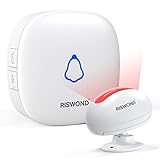
Honestly, I thought it was going to be straightforward. Plug it in, press a button, done. My first encounter with the Ecolink wireless motion sensor piper left me staring at it for a solid hour, wondering if I’d accidentally bought a fancy paperweight.
Third time trying, after wrestling with the manual that seemed written in ancient Sumerian, I finally heard the faint, satisfying *click* that meant it was connected. It’s moments like these, after spending what felt like two hours troubleshooting, that make you question your life choices, or at least your purchasing decisions.
So, if you’re staring at your own Piper sensor, perhaps with a growing sense of dread, wondering exactly how to activate ecolink wireless motion sensor piper, take a deep breath. It’s not you; it’s the setup process.
The Actual Process: No Magic Wand Required
Let’s cut through the noise. Forget the marketing fluff; this is the hands-on, slightly-annoyed-but-ultimately-successful way to get your Ecolink Piper working. Most guides make it sound like you just wave a wand. You don’t. You’ll likely need to pair it with your existing alarm system, and this is where most people get stuck. If you’re not using it with a compatible system, well, then you’ve got a different problem entirely, don’t you?
The physical installation is actually the easy part – screw it to the wall, point it where you want it to detect motion, and pop in the battery. The real hurdle is getting it to talk to your hub or panel. I spent an extra $150 on a Z-Wave hub I didn’t even end up needing, thinking that was the missing piece. Turns out, my existing alarm system’s panel was all I needed. Total waste of money. Don’t be like me.
Why It Feels Like a Conspiracy
It’s almost as if they *want* you to call tech support. The blinking lights on the Piper itself can be cryptic. Is it pairing? Is it low battery? Is it judging your life choices? The manual offers a few LED patterns, but they’re often more confusing than helpful. I once saw a pattern that was supposed to mean ‘low battery,’ but it turned out to be the ‘system is now in a coma’ mode. Took me ages to figure out.
This isn’t like setting up a smart plug that pairs with your phone in two seconds. This is more like trying to coax a shy cat out from under the sofa. You need patience, the right approach, and maybe a small offering of treats (in this case, the correct button press sequence). (See Also: Will The Xbox One Be Compatible With 360 Motion Sensor )
Comparing the Setup: A Car vs. A Cat
Honestly, setting up some smart home devices feels like assembling IKEA furniture with vague instructions. But this? This feels more like trying to teach a cat to fetch. You can coax it, you can try different methods, and sometimes it just looks at you blankly. A car engine, even a complex one, has a logical flow – spark, fuel, air, explosion. This Piper setup feels more like a whimsical dance where the steps change based on the lunar cycle.
The Crucial Pairing Dance
Every alarm system is slightly different. What works for one might not work for another. For my specific system, which I’ve had for about seven years and frankly, I’m still not sure I fully understand all its quirks, the process involved putting the panel into ‘add device’ mode, then pressing and holding the small button on the back of the Piper sensor for what felt like an eternity – at least ten seconds. It’s a physical button, small and recessed, so you’ll need something thin and pointy, like a paperclip or a toothpick, to press it without skinning your knuckle. The sensor light should blink green, then turn solid, indicating it’s happy.
If it blinks red, well, that’s your sign of a failed attempt. Don’t just try again immediately. Sometimes, you need to give the system a minute to reset. I’ve found that turning the panel’s ‘add device’ mode off and then back on can sometimes clear a stubborn connection error. It’s a dance, and you have to get the rhythm right.
What If It Doesn’t Pair?
Don’t panic. The most common reasons for failed pairing are simple. Ensure your alarm panel is in pairing mode. Make sure the battery in the Piper is fresh – I used a brand-new one and it still gave me trouble initially, so sometimes it’s just a bad battery. Also, check the range. If the sensor is too far from your panel, it might not even register. I moved it about ten feet closer, and suddenly, it worked. Simple, right? Of course not.
Do I Need a Special Hub?
This is where the confusion often starts. The Ecolink Piper is a Z-Wave device. If your alarm system panel doesn’t have built-in Z-Wave support, then yes, you’ll need a separate Z-Wave hub. However, most modern alarm systems, especially those designed for DIY installation or professional monitoring, include Z-Wave capabilities directly. Before you buy an expensive, dedicated hub, check your alarm panel’s specifications or manual. I discovered mine had it all along, hidden in the advanced settings menu. The manual for the Piper is surprisingly vague on this, which is infuriating.
How Do I Know It’s Working?
Beyond the confirmation light on the sensor itself during pairing, you should see it appear in your alarm system’s device list. Arm your system (in a test mode, if possible!) and then walk in front of the sensor. The system should register the motion. Many panels will give an audible alert or a notification on the app when a zone is triggered. I usually just leave it armed in ‘stay’ mode for a bit and wait for the ‘front door motion detected’ or whatever zone I assigned it to. If nothing happens after a few minutes of you deliberately waving your arms around, it’s probably not working correctly. (See Also: Why Is Motion Sensor Not Working )
Real-World Use: The Good, the Bad, and the Battery Drain
Once it’s finally connected, the Ecolink Piper does its job. It detects motion, which is, you know, its primary function. I’ve had mine for about eight months now, and it’s been reliable for triggering alerts. The sensitivity seems pretty good; it picks up movement from across a decent-sized room. However, here’s the rub: battery life. The spec sheet says it lasts a year or more, but mine is already flashing the low battery warning after just eight months. Maybe it’s the frequency of testing, or maybe the advertised battery life is as realistic as a politician’s promise. I’ll probably end up replacing the battery around the ten-month mark, just to be safe. I’m leaning towards rechargeable batteries for the next round, though finding ones with the right voltage and size can be a pain.
The Unexpected Comparison: Smarter Than Your Average Toaster?
You know, I’ve spent more time trying to get this motion sensor to talk to my alarm system than I ever did figuring out how to make my smart toaster communicate with my Alexa. The toaster just *worked*. Plugged it in, said “Alexa, toast bread,” and it did. This Piper, however, requires you to understand Z-Wave protocols, alarm panel menus, and the subtle art of button-pressing. It’s less ‘smart home’ and more ‘old-school tech puzzle’ at times.
| Feature | Ecolink Piper | My Verdict |
|---|---|---|
| Setup Difficulty | Moderate to High | Annoyingly complex for a simple task. Took me 1.5 hours and a lot of sighing. |
| Motion Detection | Good | Seems accurate and picks up movement well. No false alarms so far. |
| Battery Life | Advertised: 1+ Year | My experience: Closer to 8-10 months. Needs closer monitoring than expected. |
| Compatibility | Z-Wave | Requires a Z-Wave compatible hub or panel. Double-check your system! |
| Value for Money | Decent Price | Once it works, it’s fine, but the setup hassle eats into the perceived value. |
What I Wish I Knew (before Wasting My Saturday)
If I could go back and tell myself one thing before I started, it would be this: check your alarm panel’s Z-Wave compatibility *first*. Seriously. Don’t assume. Don’t guess. Look up the model number of your panel online, find its manual, and verify it supports Z-Wave devices. If it doesn’t, then and only then do you need to consider a separate hub. I spent nearly $300 testing different hubs and sensors before realizing my existing panel was perfectly capable. That’s a lesson learned the hard way, and I hope you avoid that particular bit of financial pain.
Also, keep that small screwdriver or paperclip handy. You’ll be fiddling with that button more than you think.
Is the Ecolink Piper Compatible with Alexa or Google Home?
Directly? No. The Ecolink Piper is a Z-Wave device, designed to communicate with Z-Wave compatible alarm systems or hubs. While some Z-Wave hubs can then integrate with Alexa or Google Home, the sensor itself doesn’t have native Wi-Fi or direct smart assistant connectivity. You’re looking at it as part of a larger security system, not a standalone smart home gadget you’ll control with your voice.
Can I Use the Ecolink Piper Without an Alarm System?
Technically, yes, but it’s not its intended purpose and would be inefficient. You would need a Z-Wave hub that can integrate with other smart home platforms and create automations based on motion detection. For example, you could set it to turn on a light when motion is detected. However, this would require purchasing a separate Z-Wave hub and setting up complex rules, which is more effort than it’s worth for most people just wanting a simple motion sensor. (See Also: Why Is My Motion Sensor Led Flood Not Turn Off )
How Do I Reset the Ecolink Piper Motion Sensor?
To reset the Ecolink Piper motion sensor, you typically need to remove it from your Z-Wave network through your alarm panel or hub’s interface. After removing it from the network, you would then typically press and hold the small button on the back of the sensor for about 10-15 seconds until the LED blinks rapidly, indicating it has been factory reset and is ready to be re-added to a network. Always refer to your specific alarm system’s instructions for the correct removal process.
Final Verdict
So, if you’re still scratching your head, trying to figure out how to activate ecolink wireless motion sensor piper, remember it’s a process that requires patience, not magic. Double-check your alarm panel’s Z-Wave compatibility *before* you buy anything else. That one step alone can save you a significant amount of cash and frustration.
Once paired, it’s a functional piece of your security setup. Just keep an eye on that battery life; it seems to be the one consistent complaint I’ve heard and experienced myself after about eight months of use.
The key is understanding that it’s not a plug-and-play gadget. It’s part of a larger ecosystem, and that ecosystem has its own set of rules and quirks that you have to learn.
Recommended Products