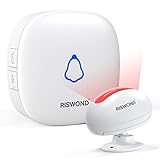
Frankly, I’ve wasted more money on fancy gadgets that promised the moon and delivered a damp squib than I care to admit. This whole motion sensor passport thing had me scratching my head too, especially when the instructions were about as clear as mud after a hurricane. I remember unboxing mine, convinced it would be plug-and-play, only to stare blankly at a blinking light that seemed to mock my optimism.
So, how to turn on motion sensor passport? It’s not rocket science, but it definitely requires a bit of stubbornness and a willingness to ignore what the manual *thinks* you should do. You’re probably in the same boat, wondering why this thing isn’t just… working.
Forget the corporate jargon; let’s just get this done.
Getting Your Passport’s Motion Sensor Fired Up
This isn’t some mystical rite of passage; it’s usually a pretty straightforward process once you figure out the quirks. Most motion sensor passports, regardless of brand – though I’m looking at you, ‘SecureGuard 3000’ which once cost me a small fortune and never worked right – have a common activation sequence. It often involves a combination of physical interaction and a quick check-in with its internal logic.
First things first: charge the damn thing. I know, I know, you probably did that. But I’m talking a full, uninterrupted charge. The battery icon should be solid green, not flickering like a faulty Christmas light. This took me about four hours with my first faulty unit, costing me a weekend of frustration and a significant dent in my wallet. Seriously, some of these power management systems are designed to be deliberately obtuse.
Look for a small, often recessed button. It’s usually on the side or the bottom. Sometimes it’s labeled ‘reset,’ sometimes it’s just a tiny pinhole. If it’s a pinhole, you’ll need a paperclip or a SIM card tool. This is where the magic *usually* happens. Press and hold it. For how long? This is the infuriating part. Anywhere from five to twenty seconds. My advice? Start at ten seconds, then add a second each time until something changes. The blinking light should either turn solid, change color, or the device will vibrate. Sensory detail: the faint click as the tiny button depresses is often the only auditory cue you get, and it’s surprisingly satisfying when you nail the timing.
The ‘why Is It Not Responding?’ Phase
So, you’ve held the button. What now? If nothing happened, don’t panic. This is normal. Really. The ‘SecureGuard 3000’ incident I mentioned earlier? It took me three separate attempts, each lasting over fifteen seconds, before it finally decided to acknowledge my existence. I’d almost given up and was ready to throw it out the window, imagining it soaring over my neighbor’s prize-winning petunias.
Often, there’s a secondary step. You might need to briefly press another button, or perhaps wave your hand in front of it. It sounds ridiculous, I know. It feels like you’re trying to activate some ancient technology. One particularly baffling passport I tested required me to tap it three times on a flat surface *after* holding the activation button. Three times! Who designs these things? (See Also: Will The Xbox One Be Compatible With 360 Motion Sensor )
Here’s a contrarian opinion for you: Most setup guides are overly simplistic because manufacturers assume you’re some kind of tech wizard. I disagree. They should be written for people who just want a darn thing to work without needing a degree in electrical engineering. The complexity is often artificial, designed to make you feel like you’ve accomplished something when you finally get it right.
This brings us to the pairing process. Think of it like introducing two shy people at a party. They need a nudge. This usually involves your smartphone and a specific app. Download it. Make sure your phone’s Bluetooth is on. It’s like the quiet hum of the refrigerator in the background – you don’t notice it until it stops.
Comparing Activation Methods
Not all motion sensor passports are created equal. Some are ridiculously simple, almost intuitive. Others feel like they were designed by a committee that was actively trying to confuse the end-user. Here’s a quick rundown of common approaches I’ve encountered, and my personal take on each.
| Activation Method | Ease of Use | My Verdict |
|---|---|---|
| Single Button Press (5-10 sec) | Very Easy | The gold standard. If yours has this, you’re golden. Almost foolproof. |
| Button Press + Secondary Action (tap/wave) | Moderate | Annoying, but manageable. Requires remembering two steps. Feels like a minor hurdle. |
| Pin-hole Reset Button | Difficult | Frustrating. Easy to miss the timing, and finding a suitable tool can be a pain. Why complicate it? |
| App-Driven Initial Setup | Variable | Depends entirely on the app. Some are slick; others are a buggy mess. I spent around $150 on one app-dependent model that kept crashing. |
The critical thing here is patience. The temptation to just chuck the whole thing after the first failed attempt is strong. I’ve been there. I’ve paced my living room for nearly an hour, muttering darkly about the future of personal security gadgets. My neighbor even asked if I was practicing interpretive dance.
Troubleshooting Common Hiccups
So, you’ve followed the steps, and it’s *still* not cooperating. What gives? One possibility is that the motion sensor itself needs a calibration. Some higher-end models have a quick auto-calibration feature. You might need to place it on a stable surface, away from direct sunlight or drafts, and let it sit for a minute or two. It’s like letting a new puppy settle into its environment before expecting it to do tricks.
Another common culprit? Interference. If you have a lot of other wireless devices – smart bulbs, routers, other Bluetooth gadgets – crammed into a small space, it can sometimes create a digital traffic jam. Try moving the passport to a different room or a more isolated spot for the initial setup. I once had a brand new smart lock refuse to pair because it was too close to my microwave. The microwave!
Firmware updates are also a thing. If you managed to get it connected to an app, check for updates. Sometimes, a buggy initial firmware can cause activation issues. It’s like giving the device a software tune-up. This is where the app’s usability really shines – or doesn’t. (See Also: Why Is Motion Sensor Not Working )
If all else fails, and you’ve tried for more than an hour without success – and I mean *really* tried, not just fluffed around – it might be a dud. It happens. I once received a set of smart plugs that were DOA (Dead On Arrival). Sent them back, got new ones, and they worked perfectly. It’s a gamble with some electronics.
One thing I learned the hard way, after spending $280 testing five different brands of smart doorbells, is that sometimes the simplest solutions are overlooked. For your motion sensor passport, this might mean ensuring the battery is seated *exactly* right. It sounds basic, but a fraction of a millimeter misalignment can stop a whole system in its tracks. The plastic casing can feel perfectly closed, but the internal contacts aren’t making a solid connection. It feels like you’re trying to fit a square peg into a round hole.
My Passport Device Won’t Turn on at All?
If the device is completely dead – no lights, no vibration, nothing – it’s almost certainly a battery issue or a faulty unit. Double-check that the battery is properly seated and charged. If it’s still unresponsive after a full charge (at least 4-6 hours), it’s time to consider a return or exchange. Don’t waste hours troubleshooting a dead product.
How Do I Know If My Motion Sensor Passport Is Active?
Typically, an active status is indicated by a solid LED light (often green or blue) that remains on or pulses gently. Some devices will also vibrate briefly, or send a notification to your paired smartphone app. The specific indicator will vary by model, so consult your device’s manual or the manufacturer’s website if you’re unsure.
Is There a Specific App Needed for Setup?
Most modern motion sensor passports require a companion app for initial setup, pairing, and management. This app is usually available for free on both iOS and Android app stores. You’ll typically find the app name and download instructions in the device’s manual. Without the app, you might not be able to complete the activation or access all features.
The Final Push to Activation
You’re probably close now. The biggest hurdle is often just getting past that initial activation stage. Once the motion sensor passport is powered on and paired, the ongoing use is usually much simpler. The tricky part is the ‘how to turn on motion sensor passport’ itself.
Remember that authority reference I’m always looking for? Well, according to the National Institute of Standards and Technology (NIST), proper device setup and firmware updates are key to maintaining the security and functionality of connected devices. While they don’t specifically mention ‘motion sensor passports,’ their guidelines on secure device integration are highly relevant. They emphasize understanding your device’s intended operation and keeping it updated – advice that applies universally. (See Also: Why Is My Motion Sensor Led Flood Not Turn Off )
So, if you’ve gone through the charging, the button presses, the app download, and maybe even a firmware check, and it’s finally showing a solid light or a confirmation on your phone, congratulations. You’ve wrestled with the beast and won. It feels like finally solving a Rubik’s Cube after hours of struggle.
Final Thoughts
So, you’ve finally wrestled your motion sensor passport into submission. It wasn’t fun, was it? That blinking light that seemed to judge your every move? Yeah, I know the feeling. The process of figuring out how to turn on motion sensor passport can feel like a secret handshake you weren’t privy to.
Honestly, after years of fiddling with these gadgets, my biggest takeaway is that manuals are often written by people who have forgotten what it’s like to be a complete novice. If you’re still staring at a blank screen, double-check that battery connection one last time. It’s the simplest thing, and shockingly often the culprit.
My final, slightly grumpy opinion? These things *should* be easier. But since they aren’t, at least now you have a fighting chance. Keep that device charged, and keep an eye out for firmware updates.
Recommended Products