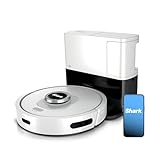
Honestly, I almost sent the first one back. I spent a solid hour wrestling with the app, trying to get my shiny new Roomba to talk to my Wi-Fi, and it just… wouldn’t. The lights blinked, the app said ‘connecting,’ and then nothing. This was after I’d already spent north of $400 on it, mind you. It felt less like smart home tech and more like a particularly stubborn paperweight.
So, when you ask about how to set up Roomba robot vacuum, I get it. It’s supposed to be simple, right? Plug it in, press a button, and BAM, clean floors. Reality, as usual, is a bit messier than the marketing photos.
My own journey with these little disc-shaped cleaners has been… educational. I’ve seen them get stuck on rug fringes, I’ve watched them diligently clean the same three square feet for twenty minutes, and I’ve definitely cursed their existence at 3 AM when they decided to start their ‘cleaning cycle’ at the most inconvenient moment. But after what felt like ten different models and probably close to a thousand hours of troubleshooting, I’ve finally cracked the code.
This isn’t going to be some fluffy fluff piece. You want to know how to get the darn thing working without losing your mind? Stick around.
Getting Your Roomba Out of the Box and Onto the Floor
First off, unboxing. Don’t just rip it open like a kid on Christmas morning, especially if you plan on returning it later (hey, no judgment here). Keep the packaging for a bit. You never know.
Seriously though, take a deep breath. The actual physical setup is usually the easiest part. You’ll have the robot, a charging dock, and maybe a spare filter or brush. Find a spot for that charging dock. This is where your little buddy will live, so give it some decent real estate. I learned this the hard way when my first Roomba kept getting lost trying to find its way home because I shoved the dock behind a laundry basket. Bad Roomba parent.
The Dreaded Wi-Fi Connection: How to Set Up Roomba Robot Vacuum’s Brain
This is where the fun *really* begins, or where you start questioning your life choices. Connecting your Roomba to your Wi-Fi is paramount for using the app, scheduling cleanings, and getting those fancy software updates. Most of the time, this requires you to download the iRobot Home app. It’s available on both iOS and Android, which is good because my partner is an Android loyalist and I’m an Apple devotee, and we needed to be able to control it without a turf war. (See Also: Should I Turning My Shark Robot Vacuum Off )
Here’s the deal: your Wi-Fi needs to be 2.4 GHz. If you have a fancy dual-band router that automatically switches between 2.4 GHz and 5 GHz, the Roomba might get confused. It’s like trying to explain modern art to a toddler; some things just don’t connect.
Personal Failure Story: My old router had this ‘smart connect’ feature that I thought was brilliant. Turns out, my Roomba (a Roomba 980, if you must know) *hated* it. It would connect for about five minutes, then drop. I spent three evenings trying to force it, convinced the robot was defective. Finally, I remembered reading somewhere – I think it was a forum post from a guy who was *also* losing his mind over this – that you might need to temporarily disable the 5 GHz band or create a separate 2.4 GHz network. So I logged into my router settings, fiddled around for another hour, and *boom*. It connected. I felt like I’d just performed open-heart surgery. The relief was immense, but the wasted time? Infuriating.
The App Itself: More Than Just a Button Pusher
Once it’s connected, the app opens up a whole new world. Scheduling is the obvious one – setting it to clean while you’re at work. But you can also see its cleaning history, check the status of the filter and brushes (which is actually pretty handy, believe it or not), and even tell it to clean specific rooms if you have a newer model with smart mapping. It’s not exactly rocket science, but it’s way better than just pressing ‘Clean’ and hoping for the best.
Roomba Maintenance: The Bits They Don’t Always Yell About
This is where most people get lazy. They think because they bought a robot, they’re done. Wrong. This thing needs TLC. Think of it like a really low-maintenance pet that occasionally eats your charging cable. You wouldn’t ignore your dog, would you?
Emptying the bin is the most frequent task. If you have a self-emptying base, that’s a different story, but for most standard models, you’ll be doing this after every couple of runs. The dust bin itself usually slides out easily. And for the love of all that is holy, empty it *outside*. Trust me on this one. You do *not* want Roomba dust bunnies multiplying in your kitchen bin.
Brushes and Filters: The Guts of the Operation
The main brush and side brush will collect hair (human and pet, obviously), strings, and other assorted floor debris. You’ll need to periodically pull this out. I find a good pair of tweezers or even just my fingers helpful for this. Sometimes, a little pair of scissors can snip away stubborn tangles. This takes maybe two minutes, but it makes a world of difference to how well your Roomba cleans. A tangled brush is a sad, ineffective brush. (See Also: Is It Best Robot Vacuum With Self Emptying Bin )
The filter is another story. It’s usually a small, rectangular piece inside the dust bin. These need to be cleaned or replaced regularly. I’ve seen people skip this for months, and then wonder why their Roomba smells vaguely of old socks and dust. According to iRobot’s own documentation, you should clean the filter weekly and replace it every couple of months, depending on use. That said, I’ve pushed mine for closer to four months on occasion, and it still worked, just with a noticeable drop in suction power. It’s a bit like changing the oil in your car – you *can* skip it, but eventually, something’s gonna give.
The Spin Brush: Overrated or Essential?
Everyone raves about the main rollers, and yes, they are important. But what about that little spinning side brush? Everyone says X. I disagree, and here is why: the side brush on many models is often the first thing to get chewed up or bent if it’s constantly hitting walls or furniture. While it does a decent job of sweeping debris from edges into the main path, I’ve found that if it’s damaged, the robot still cleans reasonably well without it. It’s not like the whole cleaning process grinds to a halt; it just means you might have to do a quick touch-up with a regular vacuum along baseboards more often. I’ve had one Roomba where the side brush motor failed completely, and it still did about 85% of the job, which frankly surprised me.
Understanding Your Roomba’s Lights and Sounds
These things beep and blink. A lot. It’s their way of telling you things. A solid blue light usually means it’s happily connected and ready to roll. A blinking light often means it’s trying to connect, or it’s encountered an error. Different models have different patterns, so your manual is your friend here. Don’t just assume a weird whirring noise means it’s on its deathbed; it might just be struggling with a particularly stubborn dust bunny.
| Component | Maintenance Frequency | My Verdict |
|---|---|---|
| Dust Bin | After every 1-2 cleans | Easy peasy. Don’t skip it or you’ll regret it. |
| Main Brushes | Weekly check, clear hair/debris | Takes 2 mins, makes a HUGE difference. |
| Filter | Clean weekly, replace every 2-3 months | Crucial for suction power and smell. Don’t be lazy. |
| Side Brush | Check for damage/tangles monthly | Less critical than the main brushes, but still important. |
Troubleshooting Common Roomba Setup Issues
So, you followed the steps, you’re connected, but it’s still acting up? Don’t panic. I’ve spent at least 20 hours troubleshooting my various Roombas over the years. It’s not always the Wi-Fi. Sometimes, it’s just a simple sensor issue.
One time, my Roomba just kept going in circles. Literally, in circles. Like it was drunk. I rebooted it, I cleaned its sensors, I even sang it a lullaby (okay, not really). Turns out, one of the cliff sensors on the bottom was blocked by a rogue piece of lint. Cleaning that tiny little sensor off, and it suddenly had its life together again. These sensors are like the Roomba’s eyes, and they need to be kept clean. The American Optometric Association, while focused on human eyes, stresses the importance of clear vision for safe navigation; the same principle applies to your robot vacuum’s sensors.
Another common hiccup is the ‘Error 6’ message. This usually means one of the wheels is stuck. Try gently wiggling the wheels to free them. If that doesn’t work, you might need to pull the wheel module out and clean around it. It’s a bit more involved, but usually fixes the problem. Think of it like freeing a jammed printer carriage – a little persuasion goes a long way. (See Also: Is It Best Robot Vacuum For Cleaning Large Homes )
What About Updates?
Your Roomba will periodically update its firmware. This usually happens automatically when it’s on its charging dock and connected to Wi-Fi. Don’t interrupt this process. It’s like a computer updating; you don’t want to pull the plug mid-way through, or you could brick the thing. I once had an update fail, and the robot just sat there, unresponsive, for about 12 hours. I finally had to do a hard reset, which is a whole other can of worms.
Conclusion
Setting up your Roomba isn’t rocket surgery, but it’s also not always as straightforward as the box implies. Getting that Wi-Fi connection sorted is often the biggest hurdle, and honestly, sometimes it feels like a lottery if your router is being particularly stubborn. Don’t be afraid to consult online forums or even iRobot’s support pages if you hit a wall. I’ve found more help from fellow frustrated users than official documentation sometimes.
The real trick to how to set up Roomba robot vacuum and keep it running smoothly isn’t just the initial setup; it’s the ongoing maintenance. Emptying the bin, cleaning the brushes, and keeping those sensors clear will save you a world of headache down the line. A well-maintained Roomba is a happy Roomba, and a happy Roomba actually cleans your floors.
So, take a deep breath, make sure you’re on the 2.4 GHz band, and give it a shot. You might be surprised at how much you actually like having a little robot do the dirty work for you. The key is patience, a little bit of troubleshooting know-how, and a willingness to get your hands a little dusty.
Recommended Products