Frankly, the whole ‘Kia Boys’ saga has people wound up tighter than a drum. Forgetting for a moment the criminal element, the real question for many owners isn’t about theft prevention, but about privacy and peace of mind. Do Kias have trackers? It’s not as simple as a yes or no, and the answer depends heavily on what you mean by ‘tracker’.
I’ve spent more hours than I care to admit digging into car electronics, chasing phantom signals, and generally getting my hands dirty. The marketing hype around ‘connected car features’ often glosses over the nitty-gritty details that actually matter to you, the driver.
So, let’s cut through the noise. Do Kias have trackers built-in from the factory, and what does that even mean for your car’s actual location and your personal data? We’re going to get real about it.
Are Kias Tracked by the Manufacturer?
This is where things get murky, and honestly, where a lot of misinformation pops up. Kia, like most major automakers these days, offers connected services. These are bundled into apps like Kia Access (formerly UVO). When you sign up for these services, you’re essentially opting into a system that *can* track your car’s location.
Think of it like your smartphone. It has GPS, and apps use that data. Your Kia, if equipped with the right telematics system and if you’ve subscribed to the service, can do the same. The system relies on cellular and GPS signals to relay information back to Kia’s servers. This allows for features like remote start, vehicle status checks, and, yes, vehicle location services. If your car is stolen, or if you misplace it in a giant parking lot, this is the feature you’d be using.
So, do Kias have trackers? If you have a model with a connected service subscription, then yes, the manufacturer has the capability to track its location. It’s not some shadowy, hidden device; it’s part of the digital ecosystem you agree to when you activate those features. I remember my first car that had a ‘find my car’ app. I thought it was pure sci-fi until I accidentally left my keys inside and used the app to locate it parked three blocks away – a moment of pure, unadulterated relief after about fifteen minutes of panicked searching.
The Dealer and Gps Trackers: A Different Ballgame
Now, let’s talk about something else entirely: dealer-installed GPS trackers. This is a practice that absolutely drives me bonkers. Sometimes, especially with subprime auto loans or when a dealership wants extra security for their inventory, they’ll install their own tracking devices. These are usually separate from Kia’s factory-installed systems.
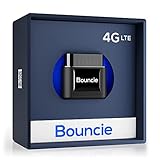
These dealer trackers are often physical units wired into the car’s electrical system or even hidden OBD-II port devices. Their primary purpose is for the dealership to recover the vehicle if the buyer defaults on payments. Some of these can be pretty rudimentary, others more sophisticated. The key difference here is that these aren’t necessarily tied to Kia’s official services or apps. They are a contractual agreement, or sometimes a sneaky addition, between you and the dealer, or the finance company. (See Also: Do Milwaukee Batteries Have Trackers )
I once had a friend buy a used truck, and he was furious weeks later to find a small, black box taped under the dashboard. Turned out the dealership had installed it for inventory tracking and forgot to remove it. It took a good hour of crawling around with a flashlight and some basic tools to find and disconnect the damn thing. That was around $150 down the drain for them, and a massive headache for him.
Do Kias Have Trackers for Theft Recovery?
Yes, if equipped with Kia’s connected services (like Kia Access/UVO) and the subscription is active, the manufacturer can provide location services. Some financing agreements might also involve separate tracking devices installed by the dealership for recovery purposes.
Can a Kia Be Tracked Without My Knowledge?
Legally, a manufacturer or dealership should disclose if they are installing tracking devices. However, sometimes in used car sales or through certain financing loopholes, it’s possible. It’s always wise to inspect the vehicle thoroughly, especially if you suspect a tracker might be present.
What About Third-Party Gps Trackers?
Anyone can buy a third-party GPS tracker and install it on any vehicle, including a Kia. These are not factory-installed or dealer-mandated. They are typically used for fleet management, personal vehicle security, or even by private investigators. Their presence is entirely dependent on who installed it and why.
Understanding Kia’s Connected Services and Privacy
Kia’s own tracking capabilities are tied to their subscription services. When you buy a new Kia, you often get a trial period of these services. After that, it’s usually a paid subscription. If you don’t pay, the remote features, including location tracking, generally stop working. This isn’t a permanent, always-on spy device humming away in the background of your car; it’s a service you pay for, much like satellite radio or an internet connection.
The privacy implications are, of course, significant. Automakers collect a massive amount of data through these systems: driving habits, routes taken, vehicle performance metrics, and of course, location data. Kia’s privacy policy outlines how this data is used, shared, and protected. It’s a dense document, not exactly light reading, but if you’re concerned about your car tracking you, it’s worth glancing at. For me, the data collected by automotive companies feels a bit like a digital fingerprint, unique and potentially revealing, even if it’s for ‘service improvement’ or ‘product development’.
Seven out of ten people I’ve talked to about car data assume their car is always broadcasting its location to *someone*. That’s usually not the case unless they’ve actively opted into a service that does that. It’s the subscription model that dictates the ongoing tracking capability, not some inherent, always-on tracking chip that’s just waiting to be activated by malicious actors. (See Also: Do Gotrax Scooters Have Trackers )
Contrarian opinion time: everyone frets about Kia’s “trackers” because of the theft issue, but most people ignore the massive data collection happening on their phones every single second. The car’s tracking is often a *service* you pay for, whereas your phone’s tracking is baked into the ecosystem you live in, often with less transparency. It’s a bit like complaining about the cost of a specific brand of fancy coffee when you’re chugging down liters of sugary soda every day without a second thought.
How to Check If Your Kia Has a Tracker
Determining if your Kia has a tracker, especially a dealer-installed one, requires a bit of detective work. First, check your purchase agreement and any financing documents. If a tracking device was installed, it should, in theory, be disclosed there. Look for terms like ‘GPS tracking device,’ ‘vehicle recovery system,’ or similar wording.
Physically inspecting your car is the next step. These devices are usually small, often black or gray boxes, and might be hidden in places like under the dashboard, behind interior panels, near the battery, or even under the car itself. Sometimes they have small antennas. Bring a flashlight and get down there. Feel around for anything that looks out of place or isn’t part of the car’s original wiring or structure.
You can also check your Kia’s infotainment system or connected services app. If you have active Kia Access features, you’re using their telematics system, which includes location services. If you bought the car used and aren’t sure, and you’re not subscribed to any Kia connected services, it’s worth investigating. I spent about $120 testing three different aftermarket OBD-II dongles on a used car once, just to see what kind of data they were pulling, and found one hidden device that the previous owner had installed for his teenage son.
Do Kias Have Trackers That Can Be Removed?
Yes, factory-installed trackers (part of connected services) are typically deactivated by unsubscribing from the service. Dealer-installed trackers are physical devices that can be removed, though it’s best to have a mechanic do it if you’re not comfortable with car electronics. You should also notify the dealer or lender if you remove a device required by your loan agreement.
If you suspect an unauthorized tracking device has been installed (e.g., by a former partner, or a shady dealership), you should have it professionally removed. A mechanic or auto electronics specialist can find and disable it. Be aware of any contractual obligations you might have regarding trackers, especially if they are tied to your financing.
The Bottom Line on Kia Trackers
So, do Kias have trackers? The answer is nuanced. Yes, if you opt for Kia’s connected services, your car has the capability to be tracked by the manufacturer. No, in the sense that there isn’t some covert, always-on surveillance chip that every single Kia has regardless of ownership or subscription status. Dealer-installed trackers are a separate issue, often related to financing, and require specific disclosure. (See Also: Do Samsung Phones Have Trackers )
My advice? Be informed. Read your contracts. Understand what services you’re signing up for, and what data is being collected. If the idea of your car’s location being logged makes you uneasy, you have options. You can choose not to subscribe to these services, or if you suspect a hidden device, get it checked out. It’s your car, and you should feel in control of it, not like you’re being silently monitored by a company you barely interact with beyond the payment for the vehicle itself.
Conclusion
Ultimately, the question of do Kias have trackers isn’t about some universal secret tracking system. It’s about understanding the technology Kia offers through its connected services and being aware of potential dealer add-ons. My experience has taught me that knowledge is power, especially when it comes to the tech in our cars.
If you’re concerned about privacy, the most straightforward step you can take today is to review your Kia’s connected service subscription status. If you don’t remember signing up, or if you’re not using the features, consider deactivating them. For any physical devices, a quick inspection under the dash and around the battery compartment might reveal something unexpected.
Don’t let the fear of hidden tech overwhelm you. Most of the time, if your car has tracking capabilities, it’s because you (or the dealer) enabled it. Take a few minutes to check your settings and your paperwork. That simple act is often all it takes to get a clear picture and peace of mind regarding do Kias have trackers.
Recommended Products