Honestly, when I first bought a car through Bridgecrest, the last thing on my mind was whether or not they had put a tracker in it. I was just happy to be driving something reliable after my old clunker finally gave up the ghost, sputtering its last breath on a Tuesday morning commute. It felt like a massive relief, and frankly, I didn’t think twice about the fine print.
Then came the whispers, the online forum posts, and the ‘what ifs’ that started to gnaw at me. Suddenly, every little beep or notification from my phone felt like a potential signal. Do Bridgecrest cars have trackers? It’s a question that popped into my head after a few months of payments, and one I suspect many others are wrestling with too.
Wasted money is something I know a lot about in the automotive world, and the idea of paying for a car that also comes with an unadvertised GPS unit felt like a whole new level of rip-off. So, I decided to dig in, not just for myself, but for anyone else who’s ever felt that creeping suspicion.
Checking for Hidden Devices on Your Bridgecrest Car
Finding out if your Bridgecrest car has a tracker isn’t like checking your oil; it’s more like playing detective. Most legitimate lenders who install GPS tracking devices do so for specific reasons, often tied to loan terms or repossession protocols. They usually disclose this. However, the fear of the unknown can be a powerful motivator for a deep dive. I remember one instance with a used motorcycle I bought privately; the seller swore it was clean, but after a few weird glitches with the dashboard lights, I found a tiny, almost invisible tracking unit tucked away under the seat, wired directly into the battery. That was a jarring reminder that not everyone plays by the rules, and sometimes, you have to be proactive.
Seriously, the sheer amount of marketing garbage out there about ‘vehicle security’ makes you wonder what’s real and what’s just snake oil. I once spent close to $300 on a supposed ‘anti-theft’ device that turned out to be nothing more than a fancy alarm that went off randomly, scaring the neighbors more than deterring any potential thief. Lesson learned: trust your gut, but verify with facts.
Why Lenders Might Install Trackers
Let’s get this straight: the primary reason a finance company like Bridgecrest would consider installing a GPS tracking device on a vehicle is usually related to the loan agreement. If you’re behind on payments, a tracker gives them the ability to locate the car more easily for repossession. It’s a tool to mitigate their financial risk. It’s not about spying on where you go for fun; it’s about ensuring they can get their asset back if the contract is broken. I’ve seen this play out in real life, where a car was located within an hour of a missed payment simply because of a device that the owner barely knew existed.
Think of it like a lifeline for the lender, a way to quickly recover their investment if things go south. Some of these devices are quite sophisticated, capable of reporting not just location but also battery status and even when the vehicle is being driven. It sounds a bit Orwellian, I know, but from a business perspective, it makes a certain kind of sense for them. The key thing here is transparency, and whether or not that transparency exists with Bridgecrest is the real question.
Do Bridgecrest Cars Have Trackers? The Legal Angle
Legally speaking, if a lender installs a tracking device, it generally needs to be disclosed in your loan contract. Ignoring this part of the paperwork is where most people get caught out. I’ve seen folks get blindsided by this, only to find out later that they signed away their privacy rights on page 17, paragraph 4, in tiny font. It’s like buying a house and not reading the deed; you might be surprised by what’s attached. (See Also: Why Does Victoria Secret Have Trackers In Their Bras )
The Federal Trade Commission (FTC) has guidelines around consumer privacy, and while they don’t explicitly ban GPS trackers, they do emphasize that businesses must be transparent about data collection. So, if Bridgecrest is installing these, they’re supposed to tell you. It’s not always about what’s technically possible, but what’s legally permissible and ethically sound. And frankly, I find the lack of clarity on this topic frustratingly common across many lending institutions.
How to Physically Check Your Vehicle
Looking for a tracker yourself requires a bit of elbow grease and a keen eye. These devices are designed to be hidden, so you’re not going to find them staring you in the face. Start with the obvious spots: under the dashboard, behind the glove compartment, inside the wheel wells, and the undercarriage of the car. Run your hands along surfaces; sometimes you can feel a small, hard object that doesn’t belong. Pay attention to any unusual wiring or small black boxes that look out of place. It’s the kind of thing that, once you know what you’re looking for, you’ll start seeing it everywhere.
I spent a solid hour under my old pickup, flashlight in one hand, a small mirror in the other, tracing wires. It felt like I was prepping for surgery. The air under there was thick with the smell of old road grime and something faintly metallic. Finally, I found it, a small, rectangular unit stuck with industrial-strength adhesive to a metal crossmember, almost perfectly camouflaged against the rust.
Common Hiding Spots for Trackers
Where do they usually stick these things?
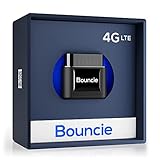
- Inside the OBD-II port: This is usually under the dashboard, near the steering column. It’s a common place for diagnostic tools, so it’s a convenient spot for a tracker too.
- Under the bumpers: They can be adhered to the inside of the plastic or metal, often near the taillights or headlights.
- Inside the engine bay: While it might seem exposed, some trackers are designed to withstand heat and can be tucked away near the battery or firewall.
- Inside interior panels: Think door panels, pillar covers, or even under the seats.
This isn’t an exhaustive list, of course. Some installers get pretty creative. It’s a cat-and-mouse game, really.
Contrarian View: Are Trackers Always a Bad Thing?
Everyone paints these trackers as the devil’s work, but honestly, I think that’s an oversimplification. Everyone says you’re being spied on, and that’s the scary part. I disagree, because in some very specific scenarios, a tracker could actually be beneficial. For instance, if your car is stolen, a GPS tracker could dramatically increase the chances of it being recovered quickly, potentially saving you a massive headache and financial loss. Imagine being able to tell the police exactly where your stolen vehicle is. That’s not so bad, is it?
It’s like having a guardian angel for your car, even if that guardian angel is installed by a third party. Of course, this benefit only truly materializes if you’re the one who has access to the tracking data for legitimate purposes, like recovery. The problem arises when the lender holds that power and uses it solely for their advantage, often with little recourse for the borrower. (See Also: Why Do Flat Trackers Have Slick Rear Tire )
Bridgecrest’s Official Stance and Your Contract
When you’re dealing with a company like Bridgecrest, the first and most important place to look for answers is your loan agreement. This is the legally binding document that outlines all the terms and conditions of your car financing. If they have the right to install a GPS tracking device, it should be clearly stated within the contract. I’ve seen contracts that are fifty pages long, filled with legalese that could make your eyes cross, but the section on vehicle tracking, if present, is usually highlighted or at least prominent enough that you shouldn’t miss it if you’re actually reading it.
The tricky part is that many people skim these documents or simply don’t understand the implications of what they’re signing. It’s not unlike trying to assemble furniture without the instructions; you might get there eventually, but there’s a high chance of ending up with a wobbly table. If you can’t find any mention of tracking devices in your contract, that’s a strong indicator that they shouldn’t be installing one without your explicit consent. However, it’s always wise to get a legal professional to review it if you’re truly concerned, as they can spot things the average person might overlook.
What If You Find a Tracker and It Wasn’t Disclosed?
If you discover a tracking device on your car and it was not disclosed in your loan agreement, you have grounds to take action. This is where you can really push back. First, document everything. Take clear photos and videos of the device, its location, and any wiring. Note down the date and time you found it. Then, contact Bridgecrest directly and state your findings calmly but firmly. Demand an explanation for the undisclosed device.
If their explanation is unsatisfactory, or if they claim it was for ‘security purposes’ without a contractual basis, you might consider consulting with a consumer protection lawyer. There are laws in place to protect consumers from deceptive practices. Ignoring an undisclosed tracker is essentially letting them violate your privacy and potentially the terms of your agreement. This situation is not uncommon in the subprime auto loan industry, unfortunately, and knowing your rights is your best defense.
Alternatives and Your Rights
Your rights as a car owner, even with a financed vehicle, are significant. While the lender has a vested interest in the car, you still have privacy rights. If you feel a lender like Bridgecrest is overstepping, especially by installing trackers without proper disclosure, you’re not powerless. Reach out to organizations like the Consumer Financial Protection Bureau (CFPB). They handle complaints against financial institutions and can investigate potential violations of consumer protection laws. It’s like having an extra layer of oversight looking out for you.
The whole situation around vehicle finance can feel like a maze, with potential pitfalls at every turn. But understanding the basics of your contract and knowing where to turn for help can make all the difference. Don’t just accept what’s presented to you at face value; always question, always verify. My own experience with that motorcycle taught me that a little bit of suspicion, followed by diligent checking, can save you a lot of heartache and potential financial exposure down the line.
| Feature | Potential Lender Tracker | My Verdict |
|---|---|---|
| Repossession Aid | Yes, primary function if payments missed. | Understandable, but disclosure is key. |
| Driver Behavior Monitoring | Possible, but less common without explicit consent. | Big privacy red flag if not disclosed. |
| Theft Recovery | Yes, a significant benefit if you have access. | Great feature IF you control the data. |
| Undisclosed Installation | Potential for deception. | Absolutely unacceptable. |
Frequently Asked Questions About Bridgecrest Car Trackers
Can Bridgecrest Repossess My Car Without a Tracker?
Yes, absolutely. While a tracker can make repossession easier and faster by pinpointing the vehicle’s location, it is not a mandatory requirement for repossession. Lenders can still repossess a vehicle if payments are missed, often using other methods to locate it, such as skip tracing or by hiring a repossession agency. The tracker is primarily a tool to expedite the process and reduce costs for the lender, not the sole means of repossession. (See Also: Is Th Vivofit 3 Have Timers And Trackers On It )
What If I Don’t Want a Tracker on My Bridgecrest Financed Car?
If you find out a tracker has been installed and it wasn’t disclosed, or if you are presented with a contract that includes a tracking device and you object, your best course of action is to negotiate with Bridgecrest directly. If the tracker is a mandatory part of the financing agreement, you may have to decide if the loan terms are still acceptable to you. You can also seek legal advice to understand your rights and options regarding privacy and contractual agreements. Sometimes, simply raising your concerns can lead to a resolution or a modification of terms.
How Do I Know If My Car Actually Has a Tracker From Bridgecrest?
The most reliable way to know is to check your loan contract carefully for any clauses mentioning GPS tracking devices, telematics, or vehicle location services. If it’s not in the contract, and you haven’t received separate notification, it’s unlikely they have a right to install one. Beyond the contract, a physical inspection of the vehicle, looking in common hiding spots, is the next step. If you’re still unsure, you can consult with a mechanic who specializes in vehicle electronics, or even a private investigator, though the latter is usually a last resort due to cost.
Verdict
So, do Bridgecrest cars have trackers? The short answer is: it depends on your contract and their specific practices. While it’s not a universal certainty, the possibility exists, especially if you’re behind on payments or if it was a condition of your loan that you agreed to. Always read your paperwork. Seriously, I can’t stress that enough. It’s the most important piece of advice you’ll get in this whole mess.
Don’t just take my word for it, or anyone else’s online. Your loan agreement is the bible here. If it’s not in writing, and you find something physical, then you’ve got a legitimate reason to be concerned and to push back. Document everything, be firm, and know your consumer rights. It’s your car, and you deserve to know what’s going on with it.
Ultimately, the best way to confirm if your Bridgecrest car has trackers is to be proactive. Check your contract thoroughly and, if you’re still uneasy or find something suspicious, perform a physical inspection. Knowledge is power in these situations, and being informed is your first line of defense against unexpected surprises down the road.
Recommended Products