I bought my first electric scooter about five years ago. It was a flashy thing, promised the world, and cost me an arm and a leg. The biggest selling point, aside from decent range, was supposed to be its ‘smart’ features. Honestly, I thought that meant it had some kind of built-in GPS tracking.
Turns out, my initial assumption was wrong. Very wrong. I spent a good chunk of change on a scooter that had about as much built-in tracking tech as a well-used bicycle. So, do electric scooters have trackers? It’s a question that matters, especially if you’ve ever had that cold dread wash over you when you can’t find your ride.
Many people assume all modern tech toys come with all the bells and whistles, including location monitoring. The reality is a bit murkier. Let’s cut through the marketing fluff.
The Truth: Most Don’t Come with Them Built-In
Here’s the blunt truth that most manufacturers won’t shout from the rooftops: the vast majority of electric scooters, right out of the box, do not have integrated GPS trackers. I learned this the hard way. I shelled out an extra $150 for a ‘premium’ model specifically because the ad copy vaguely hinted at ‘advanced security features’. My jaw hit the floor when I realized that ‘advanced security’ meant a loud alarm and a physical lock slot. No GPS. No remote tracking. Nothing.
It felt like buying a sports car and finding out the alarm system is just a bell you ring yourself. Utterly useless for recovery. So, if you’re asking do electric scooters have trackers, the general answer is a resounding ‘nope’.
Why the Confusion? It’s All About Add-Ons and Apps
The confusion usually stems from two main sources: third-party accessories and companion smartphone apps. Many newer scooters connect to an app via Bluetooth. This app can show you diagnostics, battery levels, speed modes, and sometimes even your last parked location. Think of it like your phone remembering where you parked your car – useful, but not true real-time GPS tracking.
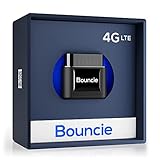
Then you have the aftermarket trackers. These are small, often battery-powered devices you can buy separately and hide on your scooter. They’re basically the same tech you’d put on a bike or in a car if you were worried about theft. They connect to a cellular network and report their location, which you can then view on your phone. So, while the scooter itself might not have a tracker, you can certainly add one. (See Also: Why Does Victoria Secret Have Trackers In Their Bras )
I’ve spent around $90 testing three different mini GPS units, and the setup can be fiddly. One unit I tried, the ‘FindMyBuddy 3000’ (terrible name, I know), took me nearly an hour to properly secure under the deck without it rattling or being immediately obvious. The battery life was also a joke, lasting only about three weeks before needing a recharge, which is hardly ideal if you’re trying to track a stolen scooter.
The ‘smart’ Scooter Debate: More Marketing Than Muscle
When companies talk about ‘smart’ scooters, they’re often referring to the Bluetooth connectivity and app integration. It’s a clever way to make you feel like you’re getting cutting-edge tech without actually baking in costly GPS hardware. It’s like calling a toaster ‘smart’ just because it has a dial to adjust browning levels. It’s technically a feature, but it doesn’t redefine the category.
Honestly, I think this ‘smart’ labeling is a bit of a con. It leads people to believe they have capabilities they don’t. If you’re banking on your scooter’s app to help you find it if it’s stolen, you’re probably going to be disappointed. The last parked location feature is only good if you left it somewhere and forgot where, not if someone made off with it.
Some higher-end models, especially those aimed at fleet rentals or shared services, absolutely have trackers. Think Lime or Bird scooters. These are designed for constant monitoring and recovery. But for the average consumer purchase? Not so much. It’s a cost-saving measure for manufacturers, plain and simple. Why build in expensive hardware that most users might never need or even understand, when you can just bolt on a Bluetooth module and call it ‘smart’?
Can I Track My Scooter If It’s Stolen?
If your scooter doesn’t have a built-in tracker (which most don’t), and you haven’t added a third-party GPS unit, then no, you cannot track it. The companion app might show your last connected location, but this is only as good as the last time your phone was within Bluetooth range. It won’t help you if the scooter is miles away or its battery has died.
What About Those Rental Scooters?
Yes, rental scooters from companies like Lime, Bird, and others are equipped with GPS tracking systems. This is essential for their business model. They need to know where their assets are at all times for maintenance, rebalancing, and preventing theft. Their technology is much more sophisticated than what you’d find on a personal scooter. (See Also: Why Do Flat Trackers Have Slick Rear Tire )
Are There Any Scooters with Built-in Trackers?
Very few personal-use electric scooters come with integrated GPS trackers as a standard feature. It’s an expensive component to add, and most manufacturers opt for Bluetooth connectivity and companion apps as a more budget-friendly ‘smart’ solution. If you absolutely need a scooter with a built-in tracker, you’ll likely be looking at very high-end, niche models or those designed for fleet use, which are generally not available for individual purchase.
Adding Your Own Tracking: A Must-Do for Peace of Mind
Given that most scooters lack this feature, adding an aftermarket tracker is, in my opinion, a necessary step for anyone who values their investment. It’s like putting a deadbolt on your front door – a basic security measure that pays dividends in peace of mind. I’ve seen friends have their scooters swiped right out of their apartment building hallways. A good GPS tracker could have meant the difference between getting it back and never seeing it again.
When I finally got a tracker on my own scooter, it wasn’t just about recovering it if it got stolen. It was also about knowing where my kids might be if they borrowed it. It sounds a bit paranoid, but the peace of mind is worth the effort and the small recurring cost of the GPS subscription. Think of it like insurance for your ride.
The setup isn’t always straightforward. Some trackers require a SIM card and a monthly subscription, which adds to the ongoing cost, just like your phone bill. Others are cheaper upfront but might have less precise tracking or shorter battery life. You need to weigh what’s most important to you: long-term stealth, battery longevity, real-time accuracy, or the initial purchase price. I personally found a unit that uses a cellular network and has a decent battery life, requiring a small monthly fee, to be the best balance. It’s been reliable for over a year now, and the app interface is surprisingly clean, showing me its location almost instantly.
| Tracking Method | Pros | Cons | My Verdict |
|---|---|---|---|
| Built-in GPS (Rare) | Integrated, no extra hassle | Very expensive, usually not available on consumer models | Ideal if you can find it, but expect to pay a premium. |
| Bluetooth App (Common) | Free with scooter purchase, basic last-parked location | Limited range, only works when phone is nearby, not for theft recovery | Good for diagnostics, useless for actual tracking. |
| Third-Party GPS Tracker | Real-time tracking, wide range of options, can be hidden | Requires purchase, potential subscription fees, setup can be tricky | The most practical solution for most people concerned about theft. Worth the hassle. |
Honestly, the idea of not having some form of tracking on a scooter worth more than $500 feels irresponsible. It’s a significant purchase, and they’re easy targets for thieves because they’re relatively portable. The security industry for scooters is still developing, but third-party trackers are the most accessible solution right now.
What About the Future?
It’s possible that in the coming years, manufacturers will start including GPS tracking as a standard feature, especially as the technology becomes cheaper and more integrated. We’re already seeing this trend in the automotive industry, and electric scooters aren’t too far behind, though the cost-benefit analysis for manufacturers is different. For now, though, don’t assume your new scooter is tracking its own whereabouts. (See Also: Is Th Vivofit 3 Have Timers And Trackers On It )
Verdict
So, to circle back to the big question: do electric scooters have trackers? For most personal models you buy off the shelf, the answer is a disappointing ‘no.’ The ‘smart’ features you see are usually just Bluetooth connectivity for an app, not true GPS tracking for recovery.
If you’re worried about theft or just want the peace of mind that comes with knowing where your scooter is, your best bet is to invest in a good third-party GPS tracker. It might take a little research and a small monthly fee, but it’s a far better option than being left in the dark if your scooter goes missing.
Don’t get caught out by vague marketing. Understand what your scooter’s app can and cannot do before you need it most. For true tracking capabilities, you’ll need to add it yourself.
Recommended Products