Look, I’ve spent more time fiddling with golf cart batteries and chasing down parts than I care to admit. So when people start asking if golf carts have trackers, my first thought is usually, ‘Why would they?’ They’re not exactly hot commodities for car thieves, are they? But then I remembered that time my neighbor’s souped-up electric cart vanished from his drive – turned out his kid had ‘borrowed’ it for a joyride to the next town over. So, yes, do golf carts have trackers? Sometimes, and it’s not always for the reasons you might think.
Often, the answer boils down to whether the owner bothered to install one, or if it came standard on a more premium model. It’s not like a new F-150 where a GPS locator is almost a given these days. For most basic models, you’re looking at a blank slate, ready for you to decide if you want to add that layer of security or oversight.
So, let’s cut through the noise and talk about what you really need to know.
Why You Might Actually Want a Tracker on Your Golf Cart
Honestly, the idea of a golf cart tracker seems a bit much for a vehicle that tops out at 15 mph. But I’ve seen situations where it made perfect sense. Think about fleet management for a resort or a large RV park. Keeping tabs on where dozens of carts are, who’s using them, and their battery status? That’s not about theft prevention; it’s about operational efficiency. I once spent about three days figuring out why a whole batch of rental carts was consistently coming back with dead batteries. Turns out, one particular hilly route was just killing them. A tracker, specifically one with battery monitoring, would have solved that in an afternoon. It saved me a headache that felt like it lasted for weeks. (See Also: Why Does Victoria Secret Have Trackers In Their Bras )
Then there’s the ‘borrowing’ problem. Kids, grandkids, even well-meaning neighbors who think your cart is just fair game. My cousin’s daughter once took his prized Yamaha all the way to the lake, about five miles away, and he didn’t notice until sunset. A simple GPS tracker would have saved him a panicked hour and a stern talking-to for his daughter.
Honestly, the idea of a golf cart tracker seems a bit much for a vehicle that tops out at 15 mph. But I’ve seen situations where it made perfect sense.
My Personal Blunder: The ‘Built-in’ Myth (See Also: Why Do Flat Trackers Have Slick Rear Tire )
Years ago, I bought a used E-Z-GO that the seller swore was “fully equipped.” I spent weeks admiring its clean lines, the plush seating, the fact it didn’t smell like mildew. I even bragged about it to my golf buddies. Then, disaster. One morning, it was gone. Vanished. Poof. I called the police, I called the dealer I bought it from, I was beside myself. Turns out, some local teenagers had hopped the fence and driven it off to use as a party bus. The police officer, a gruff but fair guy named Miller, just shook his head. “Son,” he said, looking at the empty spot where my cart used to be, “‘Fully equipped’ doesn’t mean it’s got a tracker. Most of these things are as bare-bones as a church mouse unless someone specifically puts one on.” That was a hard lesson. I ended up buying a pretty basic, but reliable, aftermarket tracker for the next cart I got, spending around $150 for the unit and the first year of service. It felt like a fortune then, but considering the hassle of losing the first one, it was a bargain.
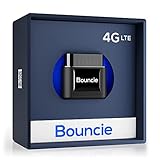
The world of golf cart tracking devices isn’t as regulated or standardized as, say, car tracking systems. It’s more akin to putting a Tile tracker on your keys, but with more robust hardware and battery life. You’re generally looking at a small, weather-resistant box that you hardwire into the cart’s electrical system or, in some cases, a battery-powered unit that you tuck away. The signal is then transmitted via cellular networks to an app on your phone or a web portal. This is how companies like LoJack or even your basic Find My iPhone work, just adapted for a golf cart.
Final Thoughts
So, to circle back to the original question: do golf carts have trackers? By default, no. Most aren’t equipped with them straight from the factory unless you’re looking at high-end commercial models or specific fleet packages. But adding one is surprisingly straightforward and, in my experience, a really sensible move for a lot of owners. It’s not about turning your golf cart into a military vehicle; it’s about having a bit of insurance against misplaced carts, teenage joyrides, or outright theft. (See Also: Is Th Vivofit 3 Have Timers And Trackers On It )
Deciding if you *need* a tracker really depends on your situation. If your cart lives in a secured garage and is only used by you for your weekly round, maybe you can skip it. But if it’s parked outside, used by multiple people, or lives at a busy resort, then yes, investing in a GPS locator is a smart play. It’s a small piece of tech that can save you a massive headache down the line.
My own mistakes taught me that assuming something is ‘standard’ is a fool’s errand, especially with vehicles that aren’t subject to the same regulations as cars. Do your homework, pick a unit that fits your budget and needs, and get it installed. It’s a practical step for anyone who values their golf cart.
Recommended Products