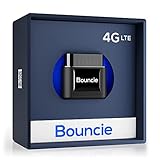
Look, if you’re asking if do Mustangs have trackers, you’ve probably got that nagging feeling. I get it. After dropping a chunk of change on a car you love, the thought of it just… vanishing? It’s a cold sweat kind of worry.
Years ago, I bought this slick vintage Mustang – cost me a fortune, looked like a million bucks. Weeks later, someone tried to snatch it right out of my driveway. Thankfully, they didn’t succeed, but it shook me. I spent the next month researching, reading every forum, and frankly, getting swamped by sales pitches for ‘unbreakable’ GPS units that turned out to be about as effective as a screen door on a submarine.
So, let’s cut through the noise. Do Mustangs come with trackers? The short answer is, it depends. And honestly, the factory options, if any, are usually a joke. My own experience taught me that relying on the manufacturer alone for security is a fool’s errand. You need to know what you’re actually getting, or more importantly, what you’re *not* getting, when you sign on the dotted line.
Factory ‘tracking’ Isn’t What You Think
Most people asking do Mustangs have trackers are picturing some high-tech, military-grade device actively pinging their location. For modern Mustangs, and most other Ford vehicles, the closest thing to a factory tracker is usually tied to FordPass Connect. Now, this system *can* give you some location data, but let’s be clear: it’s primarily for convenience features. Think remote start, checking fuel levels, or finding your car in a ridiculously crowded parking lot. It’s not designed as a dedicated anti-theft tracker in the way you’d imagine for a stolen vehicle recovery.
The data it collects is often tied to your Ford account and app. If the car battery is dead, or if the system is somehow disabled (which a determined thief can do), that ‘tracker’ becomes about as useful as a chocolate teapot. I remember a buddy whose Ford Fusion had this system; his car got towed illegally, and the app just showed the last known location *before* it was loaded onto the flatbed. Helpful, right?
Why Most Stock Systems Fail When It Counts
The reality is, factory systems are a compromise. They’re built to serve a broad customer base, not to withstand the ingenuity of someone who wants your specific car. When I was deep in the research rabbit hole after my attempted theft – I must have spent around $350 just on premium subscriptions for services that promised more than they delivered – I learned a harsh lesson. The built-in stuff is often an afterthought for security specialists. It’s more about the user experience for day-to-day driving and infotainment.
Think of it like a house alarm that only goes off if you forget to lock the front door. It’s a deterrent for the casual prankster, maybe, but not for a professional burglar. The same applies here. The systems are designed to be integrated, to not interfere with the car’s core functions, and that often means they lack the robust, independent power sources or the stealth capabilities needed for true anti-theft tracking. (See Also: Why Does Victoria Secret Have Trackers In Their Bras )
My Dumbest Mustang Tracker Mistake: The ‘all-in-One’ Gadget
So, I’d just bought my ’98 Cobra. Pristine, low miles, the dream. Naturally, I was paranoid. I saw an ad for this ‘revolutionary’ GPS tracker – it claimed to be discreet, have a battery that lasted ‘months,’ and offered real-time alerts. Sounded perfect. The price? A cool $299, plus a $20 monthly subscription. I figured, ‘better safe than sorry.’
What arrived was a glorified Bluetooth tracker, the kind you’d put on your keys. The battery lasted maybe three weeks, not months. The ‘real-time’ alerts were delayed by nearly an hour, meaning if someone drove off with the car, I’d know about it *after* they’d probably ditched it or changed the plates. And the range? Forget about it. I once left it in a shopping cart for a test, walked two aisles away, and the signal dropped. It was utter garbage. I wasted about $400 total before chucking it in a drawer of shame. That was a hard lesson in not believing every shiny promise online, especially when it comes to protecting a car you love.
What About Aftermarket Trackers for Mustangs?
This is where things get interesting, and frankly, more effective. Because so many people ask do Mustangs have trackers, and because the factory options are, let’s say, *limited*, the aftermarket has stepped up. You have options that are far more purpose-built for security. These range from simple battery-powered units you can hide anywhere, to more sophisticated hardwired systems that tap into the car’s power but have internal backup batteries.
Some of these systems integrate with your smartphone directly, offering live GPS feeds, geofencing alerts (meaning you get notified if the car leaves a predefined area), and even motion detection. The quality varies wildly, of course. You’ve got your cheap, disposable units and then you have the serious stuff that professional installers use. The latter often have dedicated server networks and even monitoring services, though that comes with a higher monthly cost. It’s like comparing a child’s walkie-talkie to a secure satellite communication device; both transmit, but the underlying tech and reliability are worlds apart.
For a car like a Mustang, which can be a target for theft due to its desirability, investing in a reputable aftermarket GPS tracker is, in my opinion, one of the smartest moves you can make. It’s not about the brand of the car; it’s about the value and the emotional attachment you have to it. A good tracker is like an insurance policy for your peace of mind.
When the ‘standard’ Advice Is Just Wrong
Everyone says, ‘just get an alarm.’ And sure, an alarm is good. It makes noise. It scares off the amateur. But a determined thief can disable a siren in seconds. They can bypass the sensors. Relying solely on an audible alarm is like expecting a ‘Beware of Dog’ sign to stop a seasoned burglar. I’ve seen too many cars with alarms still get taken. Honestly, I think the common advice to just ‘get a good alarm’ is outdated when it comes to protecting a desirable vehicle like a Mustang. (See Also: Why Do Flat Trackers Have Slick Rear Tire )
What you need is a *silent* deterrent. Something that doesn’t announce its presence but actively helps you recover the vehicle if it’s gone. A GPS tracker doesn’t scream; it whispers location data. It’s a different strategy. It’s the difference between shouting at a burglar to leave and quietly calling the police with their exact whereabouts. You need to think about post-theft recovery, not just pre-theft noise.
Common Misconceptions About Car Tracking
Can Any Car Be Tracked?
Generally, yes. If it has a power source and you can discreetly install a device, it can be tracked. The complexity and effectiveness depend on the type of tracker and how well it’s hidden. For newer cars with advanced electronics, you might need a professional installation to avoid interfering with the car’s systems, but a tracker can still be integrated.
Are Trackers Expensive?
The upfront cost of the device itself can range from $50 to $300 or more, depending on features and quality. Monthly subscription fees for cellular or satellite tracking can add another $10 to $30 per month. So, while not free, compared to the cost of a car or the potential loss due to theft, it’s often a very reasonable investment. Think of it as a small monthly fee for a significant amount of security.
Will a Tracker Drain My Car Battery?
Dedicated, hardwired trackers are designed to use minimal power and typically have backup batteries, so they shouldn’t drain your car’s main battery significantly. Battery-powered trackers, which are often smaller and easier to hide, rely solely on their internal batteries and need periodic recharging or replacement, but they avoid the battery drain issue altogether.
Do Mustangs Have Trackers From the Factory?
As discussed, modern Mustangs often have FordPass Connect, which offers location services for convenience. However, this is not a dedicated anti-theft tracking system. For serious theft protection, aftermarket solutions are generally more robust and reliable. It’s essential to understand the difference between convenience features and security devices.
My Verdict on Mustang Trackers
Here’s a breakdown of what to consider: (See Also: Is Th Vivofit 3 Have Timers And Trackers On It )
| Tracker Type | Pros | Cons | My Take |
|---|---|---|---|
| FordPass Connect (Factory) | Convenience features (remote start, location in parking lot) | Not a dedicated anti-theft device, relies on car power/system, limited functionality for recovery | Okay for finding your car in a mall, useless if stolen. |
| Basic Battery-Powered GPS | Easy to hide, no car wiring, lower upfront cost | Limited battery life, may need frequent recharging/replacement, signal can be spotty | Good for temporary use or secondary hidden placement. Don’t rely on it alone. |
| Hardwired GPS with Backup Battery | Constant power (mostly), reliable real-time tracking, often more features (geofencing) | Requires professional installation, higher upfront cost, potential for system interference if done poorly | This is the sweet spot for serious security. Worth the investment. |
| Subscription-Based Monitoring Services | Professional 24/7 monitoring, faster response times, often includes roadside assistance add-ons | Highest monthly cost, relies on service provider’s network | For ultimate peace of mind, especially if you have a high-value or classic Mustang. |
Final Thoughts
So, to circle back to your original question: do Mustangs have trackers? Yes, in a way, via FordPass Connect, but not in the way you probably mean for serious theft prevention. My journey through this was messy, filled with wasted cash on snake oil and a lot of late nights reading tech reviews. The key takeaway from my experience? Don’t assume anything built-in is enough for a car that’s a target. You need a dedicated, reliable GPS tracking solution.
If you’re serious about protecting your Mustang, whether it’s a classic or a brand-new model, I’d strongly recommend looking into a reputable aftermarket hardwired GPS tracker with a backup battery. It’s the closest thing to a silent guardian for your ride. The peace of mind it offers, especially after you’ve seen how quickly things can go wrong, is worth every penny.
Ultimately, investing in a good tracker is about preserving not just a vehicle, but the memories and the passion you have for your Mustang. It’s a small, proactive step that can make a monumental difference if the worst ever happens.
Recommended Products