Finally, someone asked the real question about Hyundai cars: do Hyundais have trackers? You’re not just looking for a dry spec sheet; you want to know if your car is secretly broadcasting its location like a tiny, metal spy.
Honestly, the amount of marketing fluff out there is enough to make anyone’s head spin. I’ve wasted enough cash on “solutions” that turned out to be glorified doorbells. This isn’t about buying peace of mind for a thousand bucks; it’s about understanding what’s actually in your car.
So, let’s cut through the noise. Do Hyundais have trackers built-in? And what does that even mean for you and your vehicle?
Are Built-in Trackers Standard on Every Hyundai?
The short answer is… it depends. Don’t expect every single Hyundai to come off the assembly line with a high-tech GPS tracker actively reporting its position. This isn’t like your smartphone that’s always pinging cell towers. Hyundai, like most manufacturers, offers tracking capabilities, but it’s usually tied to specific services or higher trim levels.
Think of it less like a mandatory government surveillance device and more like an optional extra, or something that gets bundled with their connected car technology. So, if you bought a base model Elantra five years ago, chances are it’s not equipped with a sophisticated tracking system out of the box. But newer models, especially those with infotainment systems that connect to your phone or offer remote services, are far more likely to have this capability.
My Own Dumb Mistake with Car Tracking
I remember a few years back, after a particularly unsettling incident where my old Honda Civic got swiped from a parking lot for a few hours before being dumped a few towns over, I became obsessed. I spent a good $150 on a little OBD-II tracker I found online. It promised real-time location, speed alerts, all that jazz. I plugged it in, feeling like a secret agent. Turns out, it drained my car battery like a sieve in about three days flat. Three days! And the “real-time” location was often a good mile or two off, usually landing me in the middle of a soybean field. What a waste of money and a headache trying to figure out why my car wouldn’t start. That little gizmo was more trouble than it was worth, and it certainly didn’t help me find my car any faster. It taught me that just because a product *says* it does something, doesn’t mean it does it well, or without side effects.
Hyundai Blue Link: The Official Tracker
Hyundai’s primary system for connected services, including location tracking, is called Blue Link. This isn’t a passive device; it’s an integrated system that requires a subscription after an initial trial period. So, when people ask if Hyundais have trackers, they’re often thinking about this service. If your Hyundai is equipped with Blue Link and you’ve activated it, then yes, it absolutely has tracking capabilities.
This system uses a built-in telematics unit, essentially a small cellular modem and GPS receiver, hidden somewhere in the car. It communicates with Hyundai’s servers, allowing for features like remote start, stolen vehicle location assistance, and even geofencing (getting an alert if your car leaves a designated area). The accuracy is generally quite good, far better than my old battery-sucking OBD-II dongle. I’ve seen it pinpoint a car within 30 feet, which is impressive for everyday use.
How Does Blue Link Work?
When you sign up for Blue Link, you get access to a smartphone app. This app is your gateway to all the connected features. You can log in, see your car’s current location on a map, view diagnostic trouble codes, and even lock or unlock your doors remotely. It’s pretty slick, I have to admit, especially on newer models where the app integration feels fairly seamless. (See Also: Does Cars Have Trackers )
The system relies on GPS satellites to get the vehicle’s coordinates and then transmits that data over the cellular network to Hyundai’s servers. From there, it’s relayed to your app. The subscription is key; without it, the tracking and other remote features won’t function. It’s a common point of confusion for people who expect these advanced features to be free forever.
What About Older Models or Base Trims?
Okay, so what if your Hyundai is older, or it’s one of the more stripped-down models? Do Hyundais have trackers then? Generally, no, not in the integrated, subscription-based Blue Link sense. These cars are just cars; they don’t have that built-in connectivity. You won’t find a hidden GPS module transmitting location data unless it was a dealer-installed accessory or something you added yourself.
This is where the aftermarket trackers I mentioned earlier come in. People who want tracking capabilities on older or base model vehicles often turn to these. However, as my personal experience showed, you have to be careful. Some are power-hungry, some are inaccurate, and some are just plain useless. If you’re considering one for an older Hyundai, do your homework. Look for units that can be hardwired into the car’s electrical system or have a long-lasting internal battery, and read reviews from actual users, not just marketing copy.
Do Hyundais Have Trackers for Anti-Theft?
This is a big one for a lot of folks. If your car *does* have Blue Link or a similar system, then yes, it can definitely be used for anti-theft purposes. Hyundai, through their Blue Link service, offers a ‘Stolen Vehicle Location’ feature. This is a pretty powerful tool for law enforcement if your car is stolen. They can work with Hyundai to track the vehicle’s location and assist in its recovery.
This feature alone is a pretty good argument for keeping up with the subscription if you’re concerned about theft. It’s not foolproof, of course. Determined thieves can sometimes disable tracking devices, especially if they know what they’re looking for. But for the average opportunistic thief, a sophisticated built-in system is a significant deterrent. Comparing this to just hoping your car’s alarm goes off is like comparing a security camera system to a passive smoke detector. One actively monitors and reports, the other just reacts to an event.
The Privacy Side of Things
Now, let’s talk about the elephant in the room: privacy. When you ask ‘do Hyundais have trackers,’ there’s an underlying concern about who has access to that information. With Hyundai Blue Link, your location data is collected and stored by Hyundai. They have a privacy policy detailing how they use this data. Generally, it’s for providing the service, improving their products, and sometimes for marketing purposes, though you often have options to opt-out of marketing communications.
Think of it like this: every time you use a navigation app on your phone, you’re sharing your location data. Car manufacturers are doing something similar. The key is transparency. Hyundai’s privacy policy should outline what data is collected, how it’s secured, and who it might be shared with (e.g., law enforcement with a warrant). If you’re particularly sensitive about this, you can choose not to subscribe to Blue Link, or deactivate certain features within the app. It’s your data, and you should have control over it. I’d recommend taking a few minutes to read the actual privacy policy, not just skim it. It’s usually buried deep in the Blue Link website.
Is Blue Link Data Secure?
Hyundai states that they employ security measures to protect the data collected through Blue Link. However, no system is entirely impenetrable. Data breaches can happen to any company. The best you can do is ensure you are using strong, unique passwords for your Hyundai account and enable two-factor authentication if it’s offered. A recent report by the National Highway Traffic Safety Administration (NHTSA) highlighted the growing cybersecurity risks in connected vehicles, and while Hyundai wasn’t specifically called out for a major breach in that context, it’s a general concern across the industry. Staying informed about security updates and best practices is wise. (See Also: Why Do I Have So Many Trackers )
The ‘tracker’ Myth vs. Reality
So, to circle back: do Hyundais have trackers? Yes, many of them do, primarily through the Blue Link service. But it’s not a universal, always-on feature for every single car they’ve ever made. It’s an integrated system tied to connectivity and often a subscription. It’s not some shadowy device spying on you without your knowledge, assuming you’ve activated the service. If you haven’t signed up for Blue Link, your car isn’t actively sending its location data anywhere.
It’s easy to get caught up in the idea of hidden trackers everywhere. In reality, the ‘tracking’ most modern Hyundais have is a feature you opt into, designed for convenience and security. My own experience with that cheap OBD-II dongle was a stark reminder that not all tracking solutions are created equal. For a factory-installed system like Blue Link, you’re generally getting a more reliable and integrated experience, though with the caveat of data privacy and subscription costs.
What If I Want Tracking on a Non-Blue Link Hyundai?
If you have an older Hyundai or a base model without Blue Link and you still want tracking capabilities, your options are primarily aftermarket. These can range from simple GPS dongles that plug into the OBD-II port (like my ill-fated one) to more sophisticated hardwired systems. Some even integrate with dashcams. The key differentiator is how they get power and how reliable their reporting is. You’ll often find these solutions advertised with features like:
- Real-time GPS tracking
- Geofencing alerts
- Speed alerts
- Tamper detection
- Battery backup
You’re looking at anywhere from $50 for a basic plug-in device to $300 or more for a professional installation of a hardwired system, plus potential monthly subscription fees for the cellular data. It’s a trade-off: convenience and features versus cost and complexity. I’d probably lean towards a hardwired system with a good reputation if I were doing it again, just to avoid the battery drain nightmare I experienced.
Aftermarket Tracker Brands to Consider (no Endorsement Implied)
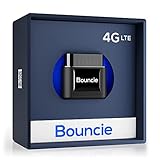
While I’m not going to recommend any specific product because my personal experience with one was so bad, you’ll see brands like Vyncs, Bouncie, and even some more robust fleet management trackers that can be adapted for personal use. Always, always, *always* read recent reviews from multiple sources. Check forums where actual car owners discuss their experiences. This is where you get the dirt on battery life, app stability, and customer support. Don’t just trust the flashy website.
Can Blue Link Be Disabled?
Technically, yes, the Blue Link system can be disabled. If you’re concerned about its tracking capabilities, you have a few options. The most direct way is to simply not subscribe to the service. If you’ve subscribed and want to stop, you can usually cancel your Blue Link subscription through your Hyundai account or by contacting customer support. This will effectively shut down the tracking and other remote features.
For those who want to keep other Blue Link features but disable location tracking specifically, it’s usually not a user-facing option within the app. The telematics unit is a hardware component. Disabling it would likely require a technician to physically disconnect it or disable it at the module level, which might affect other connected services. It’s not as simple as flipping a switch. For most people, if they’re worried about it, not subscribing is the easiest route. It feels a bit like a personal privacy choice, weighing the benefits of remote start against the data being transmitted.
| Feature | Factory (Blue Link) | Aftermarket OBD-II Dongle | Aftermarket Hardwired |
|---|---|---|---|
| Location Tracking Accuracy | Generally High (10-30ft) | Variable, often less accurate (50-200ft) | Generally High (10-50ft) |
| Power Source | Vehicle’s electrical system (integrated) | Vehicle’s OBD-II port | Vehicle’s electrical system (hardwired) |
| Subscription Needed? | Yes (after trial) | Often (for data/app access) | Often (for data/app access) |
| Ease of Installation | None (factory installed) | Very Easy (plug-and-play) | Moderate (professional recommended) |
| Battery Drain Risk | Low (designed for integration) | Moderate to High (can be significant) | Low (if installed correctly) |
| My Verdict | Best for convenience and integration if you use features. Worth the subscription for some. | Cheap entry, but buyer beware. High risk of battery issues and poor accuracy. Avoid if possible. | Good alternative for older cars, but requires more effort and cost upfront. Research brands thoroughly. |
People Also Ask
Do Hyundais Have Built-in Gps?
Yes, many newer Hyundai models equipped with the Blue Link connected car service have built-in GPS. This GPS receiver is part of the telematics unit that allows for location tracking, navigation assistance (in some higher trims), and other connected features. Base models or older Hyundais without Blue Link typically do not have this integrated GPS hardware. (See Also: Do Motability Cars Have Trackers )
Can Hyundai Track My Car Without Me Knowing?
If your Hyundai is equipped with the Blue Link service and you have activated it, Hyundai can track your car’s location. This is a core functionality of the service for features like stolen vehicle location assistance. However, if you have not subscribed to or activated Blue Link, the car’s built-in system is not actively transmitting its location data. Aftermarket trackers, if installed without your knowledge, could potentially track your car, but this would be an unauthorized modification.
How Do I Find the Tracker in My Hyundai?
The integrated Blue Link tracking system is not designed to be easily found. The telematics unit, which houses the GPS receiver and cellular modem, is typically hidden behind dashboard panels or within the vehicle’s center console, often near the infotainment system or headliner. It’s not a simple device you can just unplug. Aftermarket trackers, if installed, might be plugged into the OBD-II port or wired discreetly behind panels.
What Does the Hyundai Tracker Do?
The Hyundai tracker, primarily through the Blue Link system, does several things. It allows for real-time location tracking for services like Stolen Vehicle Location Assistance and Send-to-Car navigation. It can also enable features like geofencing (alerts if the car leaves a set area), remote vehicle status checks (like fuel level or door lock status), and can assist with emergency services in case of an accident.
Can You Turn Off Hyundai Tracking?
You can effectively turn off Hyundai’s integrated tracking by choosing not to subscribe to or by canceling your Blue Link service. If you don’t activate Blue Link, the tracking hardware won’t be active. If you have other Blue Link features you wish to keep but want to disable location tracking, there isn’t typically a simple user-facing ‘off’ switch for the GPS module itself within the app, as it’s a hardware component.
Conclusion
So, the long and short of it: do Hyundais have trackers? Yes, many of them do, but it’s tied to specific services like Hyundai Blue Link, which usually requires a subscription. It’s not a universal feature like airbags. If you’ve got a newer model and you’re using the connected services, you’ve got tracking capabilities at your disposal for convenience and security.
My advice? If you’re worried about your car’s location, either ensure you’re signed up for and understand Blue Link, or if you have an older model, research aftermarket options carefully. Don’t just grab the first shiny thing you see online; my battery-draining mistake is proof enough of that.
Ultimately, the decision to track your Hyundai, or have it tracked, comes down to your personal needs and comfort level with data privacy. It’s not some unavoidable technological overlord; it’s a feature you opt into.
Recommended Products