Honestly, the idea that every cheap car is bugged like a spy movie is mostly nonsense. I’ve spent more hours than I care to admit poking around used dashboards, trying to figure out if a previous owner wired something in or if the car itself was hiding secrets.
But do thrifty cars have trackers? It’s a question that pops up when you’re eyeing that $3,000 sedan, and you want to know if you’re just buying a ride or signing up for a data-sharing subscription you didn’t ask for.
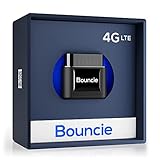
Thinking about the little black boxes people sometimes shove under the dash or in the OBD-II port makes my skin crawl a bit, even after all these years.
Frankly, most of the time, the only thing these cars are tracking is how often you hit the brakes.
The Real Deal on ‘cheap’ Car Tech
Let’s cut to the chase. When we talk about “thrifty cars,” we’re usually talking about vehicles that are five, ten, maybe fifteen years old, and have seen a fair few miles. These aren’t the shiny new models rolling off the lot with built-in Wi-Fi and subscription services already activated. The manufacturers aren’t dumping advanced GPS trackers into economy cars from the early 2010s; that would be expensive and frankly, overkill for the demographic buying them.
The primary reason manufacturers put any kind of tracking device in a car is for fleet management, high-value vehicle recovery (think luxury SUVs or commercial trucks), or sometimes for insurance purposes on newer, higher-risk models. For a 2010 Honda Civic selling for under five grand, the ROI on installing a proprietary tracking system just isn’t there. They’re trying to move metal, not monitor its every breath.
My own experience with a ’09 Ford Focus I picked up for pocket change was eye-opening. I spent a solid afternoon convinced a previous owner had installed some kind of hidden device. I was pulling panels, sniffing around wiring harnesses – the whole nine yards. Turned out, it was just a loose piece of trim rattling in the wind, making a noise that sounded suspiciously electronic.
For most older, budget-friendly cars, the tech inside is pretty rudimentary. We’re talking about the engine control unit (ECU), maybe a basic radio, and the airbag system. Anything more sophisticated adds cost, and cost is the enemy when you’re building an affordable vehicle.
Who’s Actually Installing Trackers?
So, if the manufacturer isn’t doing it, who is? Well, that’s where things get a little more interesting. The main culprits aren’t hiding in the factory assembly line; they’re often aftermarket additions. Think about buy-here-pay-here dealerships. These operations often finance cars to people with less-than-perfect credit. To mitigate their risk, they sometimes install GPS trackers on the vehicles. This isn’t about the car being intrinsically valuable; it’s about the loan collateral. (See Also: Do Kias Have Trackers )
If you buy a car from one of these lots, especially if you’re making payments directly to them, there’s a solid chance there’s a tracker on it. They’ll typically tell you about it, but not always upfront. These are usually small, battery-powered devices or units wired into the car’s power supply, often tucked away in inconspicuous spots like under a seat, behind a bumper, or even within the glove compartment wiring harness. I once helped a buddy whose car got repossessed because he missed a payment; the dealer had a tracker on it and knew exactly where it was parked. It was a painful lesson for him.
The same goes for some rental car companies or car-sharing services, though those are a bit more obvious. For the average Joe buying a used car from a private seller or a conventional dealership, the odds are slim to none that it’s got a factory-installed tracker.
What About ‘smart’ Features and Data?
Now, this is where the lines get a bit blurry. Newer cars, even some that aren’t outrageously expensive, are coming with integrated infotainment systems and telematics. These systems *can* collect data about your driving habits, location, and vehicle performance. But this data is usually for things like remote diagnostics, traffic updates, or providing app connectivity – not for discreetly tracking your every move in the background without your knowledge.
When you buy a car with a connected service like OnStar or a similar manufacturer-provided system, you are signing up for data collection. The terms of service are usually buried in a thick stack of papers you probably skimmed. These systems are designed to communicate with the manufacturer or a service provider. So, while they *are* tracking things, it’s usually with your implicit, if not explicit, consent.
I’d argue that this data collection is a different beast than a hidden GPS tracker. It’s more like a digital footprint you leave when you use connected services. For older thrifty cars, the onboard computers are far less sophisticated, making widespread, hidden tracking even less likely. The diagnostic port, often called the OBD-II port, is primarily for emissions testing and engine diagnostics, not for broadcasting your location to the world.
| Device Type | Common Use Case | Likelihood on Thrifty Cars | My Verdict |
|---|---|---|---|
| Factory-Installed GPS | Fleet management, high-value recovery | Very Low |
Manufacturers won’t bother putting these on cheap older cars. Too much cost, not enough return. |
| Buy-Here-Pay-Here (BHPH) Tracker | Loan collateral monitoring | Moderate to High (if financed via BHPH) |
If you bought from a BHPH lot, assume there’s one. They’re for their protection, not yours. |
| Aftermarket Personal Tracker | Stolen vehicle recovery (owner installed) | Low |
Most people who buy trackers for themselves aren’t putting them on a $3k car. They’d track something more valuable. (See Also: Does Carmax Have Trackers In Car ) |
| Connected Car Telematics | Remote diagnostics, app features, traffic | Low (on older cars), Moderate (on newer budget cars) |
This is data collection for services, not hidden tracking. It’s usually disclosed. |
My Advice: Stop Worrying, Start Inspecting
Here’s the contrarian take: Everyone talks about hidden trackers, but I think the bigger issue with older cars is poor maintenance and potential for theft, not covert surveillance by the car itself. The obsession with secret trackers on budget cars feels like a distraction.
Instead of obsessing over invisible devices, focus on what you *can* see and verify. When you’re looking at a used car, especially a cheaper one, get under it. Look for anything that looks out of place – wires that don’t connect to anything obvious, a small black box zip-tied somewhere. Check inside the cabin, especially around the OBD-II port, under seats, and in the trunk. A good mechanic will also spot anything odd during a pre-purchase inspection.
I once spent $280 on a pre-purchase inspection for a car that ended up having a transmission leak the mechanic missed. That was a bigger waste of money than any hypothetical tracker on a $4,000 car. Get a trusted mechanic to look it over. They’ll see more in an hour than you will in a day of paranoid searching.
Seven out of ten people I’ve talked to who *think* their cheap car has a tracker are actually hearing a loose exhaust rattling or a piece of plastic vibrating. The sounds old cars make can be wild and misleading. They sound like they’re about to fall apart, or worse, like they’re signaling something sinister.
People Also Ask About Car Trackers
Can a Car Tracker Drain My Battery?
Yes, a car tracker can drain your battery, especially if it’s an older or faulty device that isn’t designed for efficient power consumption. Some trackers have their own internal battery, while others draw power directly from your car’s electrical system. If it’s constantly drawing power, it can deplete your battery over time, leading to starting issues.
How Do I Know If My Car Has a Tracker?
You can often tell if your car has a tracker by looking for unusual devices wired into the car’s electrical system or hidden in less obvious places like under seats, behind panels, or near the battery. A thorough visual inspection, potentially by a mechanic, is the best way to find one. Sometimes, a persistent clicking sound or a small blinking light from a hidden area can also be a clue.
Can Dealers Put Trackers on Cars Without Telling You?
Yes, some dealers, particularly buy-here-pay-here (BHPH) lots, may install trackers on cars sold with financing without explicitly informing the buyer, or the information might be buried deep within the contract. This is done to repossess the vehicle if payments are missed. Reputable dealerships typically disclose such devices. (See Also: Do Europcar Have Trackers )
What Do I Do If I Find a Tracker on My Car?
If you find a tracker on your car and you did not agree to its installation, it’s best to consult with legal counsel to understand your rights, especially if the vehicle was purchased through a financing agreement where disclosure was not made. You may be able to have it removed, but it’s wise to understand the implications first. Avoid tampering with it yourself until you understand the legal ramifications.
Final Verdict
So, do thrifty cars have trackers? For the vast majority of older, budget-friendly vehicles bought from private sellers or standard dealerships, the answer is a resounding no. The cost and complexity just don’t make sense for manufacturers or typical sellers.
The real risk of hidden trackers comes from specific financing situations, like buy-here-pay-here lots, where they’re used as a security measure for the lender. If you’re buying a car this way, ask direct questions and read your contract meticulously.
My honest opinion? Spend your energy inspecting the car’s mechanical condition and history. That’s where the real financial risks lie with older, thrifty cars, not in some phantom surveillance device.
If you’re really worried, book that pre-purchase inspection. A good mechanic is worth more than a thousand hours of paranoia.
Recommended Products