Walked onto a lot last week, eyeing a certified pre-owned SUV. Clean history, looked sharp. Then the salesman started talking about the ‘convenience package.’ My gut clenched. I’ve been burned before.
So, do cars from dealerships have trackers? It’s a question that gnaws at you, especially after dropping serious cash on a vehicle. You sign the papers, hand over the keys, and suddenly you’re wondering if every mile is being logged, every destination noted.
Frankly, the answer isn’t a simple yes or no, and most of what you’ll read online is either too technical or pure scaremongering. Let’s cut through the noise.
Why I Almost Bought a ‘lemon’ with a Secret
So, do cars from dealerships have trackers? Here’s the kicker: it depends. Not every new or certified pre-owned car rolling off the lot is equipped with a covert GPS device specifically for the dealership’s benefit. But that doesn’t mean you’re entirely off the hook.
My own personal nightmare involved a used pickup truck I bought about seven years ago. It had a slightly dodgy electrical gremlin that would randomly kill the power. I spent around $800 trying to fix it over six months, taking it to three different shops, none of whom could replicate the issue consistently. Finally, on a whim, I traced a weird extra wire hidden behind the dashboard. It led to a small, black box I’d never seen before. Turns out, it was a basic GPS unit installed by the previous owner’s finance company. When I confronted the dealership, they feigned ignorance, but a little digging revealed they’d bought it at auction and obviously hadn’t bothered to remove it. It was a stark reminder that ‘as-is’ doesn’t always mean ‘as-you-expect’.
What’s Actually Lurking Under the Dash?
Look, modern cars are basically rolling computers. They’re packed with sensors and connectivity features. Things like OnStar, FordPass, or similar manufacturer-provided services are legitimate tools for safety, diagnostics, and convenience. You usually opt into these. They allow for remote start, location services in case of theft, and sending diagnostic trouble codes straight to your phone.
But then there are the other guys. Buy-here-pay-here lots, especially those with shaky reputations, are notorious for using GPS trackers. These aren’t for your benefit; they’re to repossess the vehicle if you miss a payment. You might even find a tiny, self-powered unit stuck somewhere inconspicuous, like under the bumper or inside a wheel well, that can be activated remotely. It’s a grim reality for some buyers, and honestly, it feels like something out of a bad spy movie. (See Also: Why Does Victoria Secret Have Trackers In Their Bras )
The common advice is always about checking the OBD-II port. That’s where many plug-in devices go. But I’ve seen them tucked away in truly bizarre places, like taped to the back of a plastic trim piece or hidden within the fuse box. It’s not always about sophisticated tech; sometimes it’s just brute force, sticky tape, and a prayer.
Common Tracking Technologies and Where to Look
When you’re trying to figure out do cars from dealerships have trackers, you’re really looking for unauthorized devices. Most factory-installed systems are clearly disclosed, or at least, they should be. These unauthorized units are different.
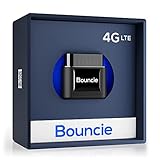
- OBD-II Port Trackers: These are the most common for aftermarket installers. They’re small, plug directly into the diagnostic port, and are usually pretty obvious if you look for them. They draw power from the port itself.
- Hardwired Trackers: These are more permanent and require a connection to the car’s electrical system. They can be hidden almost anywhere, from under the dash to behind interior panels or even in the engine bay. Finding these is tough.
- Battery-Powered Trackers: These are the sneaky ones. They have their own power source and can be placed in truly obscure locations – under the seats, inside door panels, even in the trunk lining. Their weakness is battery life, but they offer maximum concealment.
Honestly, the sheer ingenuity of some of these installers is infuriating. You have to approach it like a detective trying to find a needle in a haystack, but the haystack is your car.
The ‘convenience’ Clause: What You’re Actually Signing
Let’s talk about the paperwork. This is where the real information lies, if you can sift through the legalese. When you buy a car, you’re signing a contract. Read it. Seriously. Some dealerships, especially those offering their own financing, might include clauses about vehicle monitoring or location services. This is especially true for subprime auto loans.
According to the Federal Trade Commission (FTC), consumer protection laws do exist to prevent deceptive practices. However, if you agree to certain terms, even if they seem a bit intrusive, they can be legally binding. This is why understanding your financing agreement is as important as inspecting the car’s tires.
My sister once bought a car from a smaller dealership that offered in-house financing. She missed a payment by two days, and her car just… stopped. She was stranded miles from home. Turns out, the financing agreement had a clause about a ‘remote disablement device’ tied to payments. It wasn’t a GPS tracker in the traditional sense, but it served the same purpose of controlling the vehicle based on her financial status. She hadn’t read that part carefully, and it cost her dearly in stress and lost time. (See Also: Why Do Flat Trackers Have Slick Rear Tire )
| Feature | Manufacturer Service (e.g., OnStar) | Buy-Here-Pay-Here Tracker | My Opinion |
|---|---|---|---|
| Purpose | Safety, convenience, theft recovery | Repossession, payment enforcement | Manufacturer services are generally transparent and beneficial. BHPH trackers are predatory. |
| Installation | Factory installed, integrated | Aftermarket, often hidden | Factory is neat. Aftermarket can be shoddy and intrusive. |
| Power Source | Vehicle battery | Vehicle battery or internal battery | Internal batteries are concerning for longevity and concealment. |
| Transparency | Usually disclosed in terms | Often hidden or vaguely described | Transparency is key. BHPH often lacks it. |
| Legality | Generally legal with consent | Legality varies; can be abusive | Consent and clear disclosure matter. |
The ‘people Also Ask’ Goldmine (and What It Means)
You might be asking yourself, ‘Do cars from dealerships have trackers?’ This is a question on a lot of people’s minds, and the internet reflects that. We see questions like:
Can a Dealership Track My Car?
Yes, they *can*, but it’s usually tied to specific services or financing agreements. If you buy a car with a manufacturer’s connected service, like FordPass or Toyota Safety Connect, that system is designed to share location data. If you’re using a buy-here-pay-here lot that offers its own financing, they may install a tracker to ensure you make payments. It’s not a universal practice, and it’s often tied to specific types of sales or financing.
How Can I Tell If My Car Has a Tracker?
The most obvious place to check is the OBD-II port. Look for anything plugged in there that isn’t a diagnostic tool you recognize. Beyond that, you’ll need to be a bit more hands-on. Tap on interior panels, check under the seats, look around the fuse box, and even get underneath the car to inspect the frame and wheel wells for any small, unfamiliar boxes or devices. Sometimes they’re discreetly taped to the back of a plastic trim piece or tucked near wiring harnesses.
What Happens If I Remove a Dealership Tracker?
This is where things get dicey. If the tracker is part of a legitimate financing agreement, removing it could be considered a breach of contract. This could lead to repossession or other legal action. If it’s an unauthorized device installed by a shady seller, removing it might be your best bet, but be aware of potential repercussions if the seller tries to claim it was necessary for their financing terms. It’s always best to consult with a legal professional or a consumer advocate before taking such a step.
My Frustration with the Hidden Tech
It drives me nuts. The amount of tech crammed into cars these days is astonishing, and while a lot of it is genuinely useful – think advanced driver-assistance systems that can literally save your life – the potential for misuse is equally staggering. It’s like having a super-smart assistant who also happens to be a relentless auditor of your every move.
When I bought my last car, a used sedan, I spent a solid hour just looking for anything unusual. I pulled off a few kick panels, checked every connector I could find, and even used a small mirror to peer into dark corners. It’s exhausting, but after my experience with that truck and hearing stories from others, it feels like a necessary step. You’re not just buying a car; you’re buying into a complex ecosystem of technology and, potentially, intrusive oversight. (See Also: Is Th Vivofit 3 Have Timers And Trackers On It )
The ‘what If’ Scenario: A Personal Worry
I remember a conversation I had with a buddy who was buying a car from a smaller independent lot. He asked me, ‘Do cars from dealerships have trackers?’ and I gave him the whole spiel. He ended up buying the car, and a few months later, I saw him looking incredibly stressed. Turns out, he’d gotten a ticket for speeding, and his insurance company, which he’d recently switched to a telematics policy with, somehow knew the exact time and location of the infraction. He swore up and down that he hadn’t signed up for any special ‘driving monitoring’ program with the dealership. It left me wondering if some dealerships share data with insurance companies, or if there’s a way for these systems to be accessed indirectly. It’s the gray areas that get you.
Final Thoughts
So, do cars from dealerships have trackers? It’s a complicated question, but the short answer is: some do, under specific circumstances. It’s rarely a secret plot to spy on you for fun; it’s usually tied to financing agreements for subprime buyers or legitimate manufacturer-provided services you opt into.
My advice? Be proactive. Read every single document before you sign. If you’re buying a used car and you’re paranoid, do a thorough physical inspection of the vehicle, especially around the OBD-II port and any hidden compartments. It might feel like overkill, but better safe than sorry when you’re talking about your vehicle and your privacy.
If you’re feeling unsure after a purchase, or if you’ve experienced something suspicious, don’t hesitate to have a trusted mechanic give the car a once-over. They’ve seen it all and can spot things you might miss. It’s your car, and you have a right to know what’s going on with it.
Recommended Products