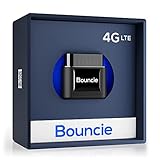
Heard that story about someone’s prized motorcycle getting nicked and then miraculously recovered thanks to some hidden gadget? Yeah, me too. For years, the idea of a tiny GPS tracker on my bike seemed like the ultimate peace of mind, a surefire way to keep my two-wheeled companions safe. I bought one, a slick little black box that promised the world.
Then reality hit. The battery life was a joke. It died within two weeks, leaving me with a false sense of security and a sinking feeling in my gut. That experience taught me a brutal lesson: not all trackers are created equal, and sometimes, the marketing hype is just that. So, do bikes have trackers? Yes, they do, but the real question is, which ones are worth a damn?
Frankly, the whole topic can feel like a minefield of expensive gadgets that promise more than they deliver. I’ve wasted enough cash on flaky tech to know what to look for, and more importantly, what to avoid like a pothole on a dark road.
Why I Bought My First Bike Tracker (and Regretted It)
Honestly, the fear of my bike vanishing overnight was a constant hum in the background. I’d seen too many sad posts online, too many stories of bikes disappearing from driveways. So, when I stumbled across a website screaming about ‘undetectable GPS trackers for motorcycles,’ I didn’t think twice. It looked professional, had glowing testimonials—the works. The salesman on the phone, bless his heart, made it sound like I was buying invisibility for my ride.
It arrived in a fancy box, looking all sleek and important. I spent a good hour wrestling it into a hidden spot under the seat, feeling like a spy. The setup was supposed to be straightforward, but the app was clunky, the instructions were vague, and within a week, the tracker itself started acting up. Low battery warnings that never went away, then the tracker just… stopped reporting. For three weeks, I had a very expensive paperweight hidden on my bike, and the only thing it tracked was my rising frustration. I finally yanked it out, feeling utterly fleeced. It cost me around $150, and that was just the initial unit; the subscription was another $15 a month I never got to use properly.
The Actual Answer: Do Bikes Have Trackers Built-in?
Let’s get this straight, most motorcycles and bicycles straight from the factory do NOT come with pre-installed GPS tracking systems. Unlike some high-end cars that have manufacturer-installed anti-theft devices with GPS capabilities, bikes are generally simpler machines. This isn’t necessarily a bad thing; it means fewer complex electronics to go wrong. However, it also means if you want tracking, you’re looking at an aftermarket solution.
This lack of factory integration is why so many people end up buying separate devices. The market is flooded with options, from tiny, battery-powered units to more sophisticated hard-wired systems. Understanding the difference is key to not ending up like I did, with a useless piece of plastic and a lighter wallet.
What to Look for in an Aftermarket Bike Tracker
Forget those ‘spy gadgets’ you see advertised with flashing lights and promises of world domination. You need something reliable, discreet, and with decent battery life or a solid power source. I’ve narrowed down the good ones from the junk by looking at a few key things: (See Also: Do Atms Have Trackers )
Power Source: This is a biggie. Battery-powered trackers are great for discretion but require regular charging. If you ride frequently, a unit that can be hard-wired into your bike’s electrical system is a lifesaver. Imagine finding your bike gone, and then realizing the tracker’s battery died last Tuesday because you forgot to charge it. Nightmare fuel.
Subscription Fees: Many GPS trackers require a monthly or annual subscription to cover the cellular data needed to report their location. Factor this into the total cost. Some cheap units have exorbitant monthly fees that make them impractical long-term.
App Interface & Features: How easy is the app to use? Can you set up geofences (alerts if the bike leaves a certain area)? Does it provide historical tracking data? A clunky app is as frustrating as a dead battery. I once spent twenty minutes trying to arm a geofence on a buggy app, and by the time I succeeded, the hypothetical thief would have been halfway across the country.
Discretion & Durability: The tracker needs to be small enough to hide easily, and robust enough to withstand vibrations, dust, and moisture. A tracker that looks like a fat cigar is less ideal than something that can blend in with wiring harnesses.
My Top Picks (and Why I Recommend Them)
After blowing my money on the wrong stuff, I finally landed on a couple of systems that haven’t let me down. The best ones tend to be from companies that specialize in vehicle tracking, not just random tech gadgets.
| Tracker Type | Pros | Cons | My Verdict |
|---|---|---|---|
| Hard-wired GPS Tracker | Constant power, no battery worries. Often more reliable reporting. | Requires installation, might be detectable if someone knows what they’re looking for. | Best for peace of mind if you don’t mind a bit of wiring. Worth the upfront effort. |
| Battery-powered GPS Tracker | Easy to install, highly discreet. Good for bikes where hard-wiring is difficult. | Requires regular charging (every few weeks to months, depending on usage and model). Risk of dead battery. | Good backup or for less frequently used bikes, but demands vigilance. Set reminders! |
| Bluetooth Tile/Tracker | Dirt cheap, very small, uses crowd-finding network. | Extremely limited range (usually < 50 feet unless picked up by another user’s phone). Not suitable for theft recovery over distance. | Only useful for finding your bike if you’ve misplaced it in your garage or a parking lot. Useless for actual theft. |
The Truth About Bike Theft and Tracking
Look, even the best GPS tracker isn’t a magic bullet against determined thieves. Think of it like a high-security lock on your front door; it’s a deterrent and an aid to recovery, but it doesn’t make your house impenetrable. If someone wants your bike badly enough, they can, and probably will, find a way.
However, having a tracker dramatically increases your chances of getting it back. The National Highway Traffic Safety Administration (NHTSA) has noted that vehicle recovery rates are significantly higher when tracking devices are installed and functional. They don’t explicitly endorse specific products, but their data on recovery trends highlights the effectiveness of the technology. A tracker gives law enforcement a fighting chance, especially if you can provide real-time location data. Without it, your bike often becomes just another statistic, a ghost in the system. (See Also: Do Dog Chips Have Trackers )
My own experience, while initially frustrating, ended up being a learning curve. I figured out that reliability trumps fancy features every single time. I’ve been using a hard-wired system for the last two years, and it’s been solid as a rock. The app is straightforward, and I get alerts the instant my bike moves without the ignition on. It’s not a cure-all, but it’s the closest thing I’ve found to genuine peace of mind when I leave my ride parked somewhere.
What About Tracking Your Bicycle?
The same principles apply to bicycles, though the stakes can feel different. A stolen bicycle can be just as devastating, especially if it’s your primary mode of transport or an expensive racing machine. For bikes, the battery-powered GPS trackers are often more practical due to size and ease of installation. However, you absolutely must be diligent about charging them. I’ve seen people try to hide small trackers in seat posts or handlebar cavities, which is smart, but they forget that electronics need juice.
Bluetooth trackers like Apple AirTags or Tile are also popular for bicycles. They’re tiny, relatively inexpensive, and integrate with your phone’s existing network. These work by anonymously relaying the tracker’s location via other users’ devices. It’s like a decentralized tracking system. The downside? If your bike is stolen and taken to an area with very few other users of that network, your tracker might go dark. It’s a gamble, but for a less expensive bike, or as a secondary layer of security, it’s often better than nothing. Think of it as leaving breadcrumbs rather than a direct bread trail. If someone finds the breadcrumbs, great. If they don’t, well, you’re still lost.
Common Questions About Bike Trackers
How Do I Hide a Tracker on My Bike?
Discretion is key. For motorcycles, common spots include under the seat, behind fairings, inside the battery box, or integrated with the wiring harness. For bicycles, look at the seat post, inside the handlebars, under the saddle, or even within a cleverly modified water bottle cage. The goal is to make it look like part of the bike or simply invisible.
Are Bike Trackers Waterproof?
Most reputable GPS trackers designed for vehicles and outdoor use are at least water-resistant, often rated IP65 or higher. This means they can withstand dust and splashes. However, submersion in deep water is usually a no-go for most units. Always check the product’s IP rating and specifications before installing it in an exposed location.
Can a Tracker Drain My Bike’s Battery?
Hard-wired trackers, if installed correctly and if the unit itself is efficient, should have a minimal impact on your bike’s battery. Modern units are designed to enter low-power states when not actively reporting. However, a poorly installed tracker or a faulty unit could potentially drain your battery over time. If you notice your battery draining faster after installation, it’s worth investigating the tracker’s installation and power draw.
How Accurate Are Bike Trackers?
GPS trackers typically offer accuracy within 5-15 meters (15-50 feet) in open areas with a clear view of the sky. Accuracy can be reduced in areas with tall buildings (urban canyons), dense tree cover, or underground parking garages. Some advanced trackers use Wi-Fi or cellular triangulation as a fallback, which can provide a general location but is less precise than GPS. (See Also: Does Samsung Have Trackers )
What Is the Difference Between Gps and Bluetooth Trackers for Bikes?
GPS trackers use satellites to pinpoint their location and cellular networks to transmit that data to your phone. They offer global tracking capabilities but usually require a subscription. Bluetooth trackers have a much shorter range and rely on a network of other users’ devices to relay their location. They are cheaper and don’t typically have subscription fees, but their tracking ability is heavily dependent on proximity to other devices or the crowd-finding network.
Final Thoughts
So, to circle back to the main question: do bikes have trackers? Yes, but you have to add them yourself. My journey from buying a useless gadget to finding reliable solutions has been a bit of a bumpy ride, much like navigating poorly maintained roads.
Honestly, for most riders who aren’t constantly worried about their bike being stolen but want that extra layer of security, a well-hidden, hard-wired GPS unit is the way to go. If you’re on a budget or have a bike you don’t ride every day, a good battery-powered one that you diligently charge is a viable option, just don’t forget that calendar reminder.
The key takeaway for anyone asking about do bikes have trackers is this: do your homework. Read reviews, understand the subscription costs, and consider how you’ll power it. Don’t just buy the first shiny thing you see online. Your wallet will thank you, and more importantly, you’ll have a much better chance of getting your ride back if the worst happens.
Recommended Products