Look, I’ve been down this rabbit hole before. You buy a used car, you’re a little paranoid, and you start wondering about hidden gadgets. Do BMW X6 have trackers? It’s a question that pops into your head, especially if you’ve heard whispers or seen aftermarket devices that look suspiciously like they belong in a spy movie.
Honestly, the official stance is usually about theft prevention. That’s the shiny marketing spin. But digging deeper, beyond the brochures and the dealer jargon, is where the real story lies. I’ve spent more money than I care to admit on gadgets and services that promised the moon and delivered dirt, all because I didn’t know what I was *really* looking for.
So, let’s cut the fluff. Do BMW X6 vehicles come equipped with trackers from the factory? My experience suggests it’s not a simple yes or no. We need to talk about what kind of trackers, why they’re there, and what you can do about it.
Factory Installed Tracking Systems: What You Need to Know
When we talk about whether do BMW X6 have trackers, we’re often referring to the manufacturer’s integrated systems. These aren’t your cheap, battery-powered AirTags that you stick under the fender. BMW, like most modern luxury automakers, equips its vehicles with sophisticated telematics systems. Think of BMW ConnectedDrive or the BMW app. These services offer a suite of features, and one of those is often remote vehicle location.
This is primarily for your benefit, ostensibly. Lost your car in a massive parking lot? The app can show you its last known location. Did someone, heaven forbid, steal your X6? BMW Assist can help track it down. It’s not just about theft recovery, though. These systems collect all sorts of data about your driving habits, engine performance, and maintenance needs, feeding it back to BMW for diagnostics and, let’s be honest, for their own market research. It’s like having a black box, but one that also tells you when your oil needs changing.
I remember the first time I really dug into my car’s connectivity. I thought, ‘Great, I can find my car!’ Then I stumbled across a forum thread that made me sweat. Apparently, BMW had a program running for years that tracked driver behavior for insurance discounts, but a lot of people felt it was… well, intrusive. It felt like I was being watched by my own car. That was a wake-up call. I learned that the ‘tracking’ wasn’t just for my convenience; it was a two-way street, and I wasn’t entirely sure I liked the traffic flow.
Aftermarket Trackers: The Wild West of Vehicle Security
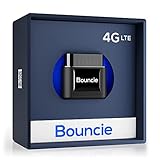
Now, if you’re asking about do BMW X6 have trackers installed by a previous owner, or if you’re considering adding one yourself, that’s a different ballgame entirely. The market is flooded with devices, from OBD-II trackers that plug right into your car’s diagnostic port (super easy to find and remove if you know where to look) to hardwired systems that are much more discreet. Some are purely for recovery, like a hidden GPS tracker, while others offer real-time monitoring of speed, location, and even driver behavior. I once bought a ‘stealth’ tracker online that promised to be undetectable. It arrived in a plain brown envelope, and after three hours of crawling around under my car, I found it taped to the inside of the fuel tank shield, smelling faintly of old oil and desperation. It worked, technically, but the installation was a nightmare and I ended up ripping it out because the subscription fees were astronomical for what little peace of mind it offered. (See Also: Why Does Victoria Secret Have Trackers In Their Bras )
The problem with aftermarket trackers is their variability. Some are reliable, some are glorified paperweights. And when it comes to finding them, if someone *wants* to hide a tracker on your vehicle, they can be incredibly difficult to locate without professional help. This is where the paranoia really kicks in. You start wondering if your X6 is broadcasting its every move to someone you don’t even know.
What About Privacy Concerns?
This is the sticky part. Even factory-installed systems raise privacy questions. According to the National Highway Traffic Safety Administration (NHTSA), vehicle manufacturers collect data that can include your location, driving speed, and even how you use your car’s features. While they generally state this data is anonymized or used for service improvements, the sheer volume of information gathered is significant. You’re essentially giving your car a digital passport that logs every journey.
The key, for me, has always been understanding the trade-offs. Do you want the convenience and security features offered by BMW ConnectedDrive, knowing that your car is communicating its status? Or are you more concerned about the potential for that data to be misused or accessed by unauthorized parties? It’s a balance, and frankly, it’s one that many consumers don’t fully consider until they’re deep into owning a connected vehicle.
Finding Hidden Trackers: When Paranoia Strikes
So, let’s say you’ve bought a used BMW X6, and the nagging feeling that it might have a hidden tracker just won’t go away. Where do you even start? Most aftermarket trackers are designed to be small and concealable. They might be taped under the chassis, tucked into the engine bay, hidden within the dashboard panels, or even inside the taillight assemblies. Some are magnetic, making them easy to attach to metal surfaces. The smell of old, greasy plastic or a faint electronic hum can sometimes be your first clue, but often, they’re completely silent and odorless.
One technique some people use is a thorough visual inspection, especially after a rainstorm when any dirt or debris accumulated around a hidden device might be more visible. Another method, though less reliable for the average person, involves using a bug detector, which can sometimes pick up radio frequencies emitted by active GPS trackers. I once spent an entire Saturday with a flashlight and a cheap RF detector I bought online, meticulously going over every inch of my old sedan. I didn’t find any hidden trackers, but I did find a surprisingly large collection of forgotten fast-food wrappers and a single, very old sock. So, while it didn’t cure my paranoia, it did lead to a much cleaner car.
If you’re truly concerned and can’t find anything yourself, your best bet is to take it to a professional. Auto electricians who specialize in car security or even some private investigators have the tools and expertise to conduct a thorough sweep. They can identify not just GPS trackers but also listening devices or other hidden electronics. Expect to pay a few hundred dollars for this service, but for some people, that peace of mind is worth every penny. (See Also: Why Do Flat Trackers Have Slick Rear Tire )
What About Bmw’s Own Tracking Capabilities?
Back to the original question: do BMW X6 have trackers? Yes, they have BMW’s own integrated tracking capabilities through their telematics systems like BMW ConnectedDrive. This service typically uses GPS to determine the vehicle’s location. It’s not a hidden device in the sense of a clandestine spy gadget, but rather a feature built into the car’s electronics, accessible via the BMW app or by calling BMW Assist. It’s designed for convenience and security, allowing you to remotely lock/unlock doors, check vehicle status, and, importantly, aid in recovery if the vehicle is stolen. The data transmitted by these systems is generally encrypted and transmitted to BMW’s servers.
The subscription for these services usually lasts for a period, after which you may need to renew to keep the full functionality. For instance, the remote vehicle location feature is often part of a package that requires an ongoing fee. This is different from a permanent, hidden tracker. If your X6 is relatively new, it almost certainly has these factory-installed location services enabled, provided you’ve activated and subscribed to the relevant BMW ConnectedDrive services. You can usually manage these settings through the BMW app or the owner’s portal on their website. It’s worth checking your specific model year and trim to see precisely what telematics features are included as standard versus optional add-ons. Some diagnostic data, like engine fault codes, can also be transmitted, giving your service center a heads-up before you even bring it in.
| Feature | Description | My Verdict |
|---|---|---|
| BMW ConnectedDrive (Location) | Factory-integrated GPS tracking for theft recovery and remote vehicle status via app. | Convenient for owners, but raises privacy questions about data usage. Essential for peace of mind for many. |
| Aftermarket GPS Trackers (General) | Various devices, often hidden, for real-time location tracking. Can be subscription-based. | Can be highly effective for tracking, but quality varies wildly. Subscription costs can add up. Installation can be tricky. |
| OBD-II Trackers | Plug directly into the car’s diagnostic port. Easy to install and remove. | Simple for monitoring, but also very easy for someone to find and disable. Not ideal for true stealth. |
Can a Bmw X6 Be Tracked Without My Knowledge?
Yes, it’s possible. While BMW’s integrated systems are tied to their services and typically require user activation, a previous owner or a thief could install an aftermarket GPS tracker discreetly. These devices are designed to be hidden and can transmit location data without your direct awareness. Regular checks, especially if you buy a used vehicle, are a good idea.
How Do I Know If My Bmw X6 Has a Factory Tracker?
If your BMW X6 is equipped with BMW ConnectedDrive services and you have activated them, it has factory-installed location tracking capabilities. You can usually check this through the BMW ConnectedDrive portal online or via the BMW app on your smartphone. Look for features like Remote Services, which include vehicle location.
Is It Legal to Put a Tracker on a Car?
The legality of placing a tracker on a car depends heavily on who owns the vehicle and whether you have consent. In most jurisdictions, it’s legal to place a tracker on a vehicle you own or have explicit permission to track. However, tracking a vehicle without the owner’s knowledge or consent, especially if it’s not your vehicle, can be illegal and a serious invasion of privacy.
What Is the Bmw Remote Vehicle Location Feature?
This is a component of BMW ConnectedDrive that allows you to see the current location of your BMW X6 on a map via the BMW smartphone app. It’s primarily designed for convenience if you misplace your car in a large parking area or for security purposes in case of theft, enabling BMW Assist to help locate the vehicle. (See Also: Is Th Vivofit 3 Have Timers And Trackers On It )
Final Verdict
So, to directly answer the question: do BMW X6 have trackers? Yes, they have integrated manufacturer tracking systems as part of their ConnectedDrive services, designed for convenience and recovery. These are not hidden devices in the traditional sense, but rather part of the car’s sophisticated electronics. If you’re worried about *unauthorized* hidden trackers, that’s a separate issue requiring a thorough physical inspection or professional sweep, especially on a pre-owned vehicle.
My advice? Be aware of what you’re signing up for with any connected car service. Read the privacy policies, even if they’re dense. Understand what data is being collected and why. If you’re buying used, consider a professional inspection if you have lingering doubts about hidden devices. It might seem like overkill, but a few hundred bucks for peace of mind is a bargain compared to the anxiety of wondering what your car might be broadcasting.
Ultimately, knowing whether do BMW X6 have trackers, and understanding the difference between factory features and aftermarket additions, puts you in control. Don’t just accept what the dealership tells you; do your own digging. It’s your car, your data, and your peace of mind.
Recommended Products