Honestly, I used to think all modern vehicles, especially something as iconic as a Jeep Wrangler, came with some kind of built-in locator device. After all, what’s the point of a rugged, go-anywhere vehicle if you can’t even find it if it gets borrowed by your kid without asking? This whole notion of whether do Jeeps have trackers is more complex than you’d imagine, and frankly, it drove me nuts for a while.
Spent good money on a fancy aftermarket system once, convinced it was the only way to get peace of mind after a close call involving a joyriding nephew and my beloved CJ-7. That system was a nightmare of false alarms and dead zones, costing me nearly $300 to install and another $50 a month for a service I barely used. Turns out, it was mostly marketing fluff disguised as a security solution.
So, let’s cut through the noise. Do Jeeps have trackers from the factory? It’s not a simple yes or no, and understanding the nuances is key before you go buying expensive gadgets.
Factory vs. Aftermarket: The Real Story on Jeep Trackers
Okay, let’s get this straight right off the bat. Does your brand-new Jeep Wrangler, Cherokee, or Grand Cherokee roll off the assembly line with a hidden GPS tracker actively pinging its location to some central server, ready for you to monitor from your phone? Generally speaking, no, not in the way you’re probably imagining. The idea that every vehicle has a built-in surveillance device is more myth than reality for most factory-installed systems.
What you *might* have, depending on the trim level and year of your Jeep, are features that *enable* tracking, but aren’t necessarily dedicated trackers. Think of it like having a powerful engine but no steering wheel – the potential is there, but it needs the right interface. For instance, many newer Jeeps are equipped with Uconnect or similar infotainment systems. These systems often have an ‘SOS’ or ‘Assistance’ button. When pressed, they can transmit your vehicle’s location to a service provider for emergency help. This is a form of location reporting, sure, but it’s primarily for safety, not for you to track your vehicle’s day-to-day whereabouts.
The data transmitted through these emergency services is usually only shared under specific circumstances – a crash detected by the airbags, or a manual SOS activation. It’s not a live feed you can access. I learned this the hard way when I tried to ‘locate’ my son’s Jeep after he was late coming home. I spent an hour on hold with the Uconnect service, only to be told they can’t just give out location data for parental peace of mind. Fair enough, privacy and all that, but it didn’t help me then.
So, if you’re asking ‘do Jeeps have trackers’ with the expectation of a ‘find my car’ feature like your smartphone, you’re likely going to be disappointed with the factory offering alone. It’s more about emergency response than personal tracking. The feel of the steering wheel in your hand as you navigate off-road, that’s what the Jeep is built for; precise location tracking usually isn’t its default setting.
Why the Confusion? It’s Complicated.
This confusion about factory trackers stems from a few places. Firstly, the automotive industry is rapidly adopting connected car technology. Many manufacturers *do* offer subscription-based services that provide remote access to vehicle data, including location. Jeep, through its Mopar umbrella, offers services like SiriusXM Guardian. This service *does* allow you to locate your vehicle via a smartphone app. It’s not a passive, built-in tracker in every single Jeep, but an opt-in, subscription-based service that leverages the car’s existing telematics hardware. (See Also: Why Does Victoria Secret Have Trackers In Their Bras )
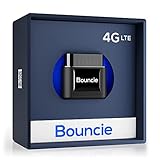
Secondly, the aftermarket industry is flooded with devices that *do* offer robust tracking capabilities. These range from simple OBD-II dongles that plug into your car’s diagnostic port to hardwired units. People often associate these aftermarket solutions with the brand of car they own. So, if someone has a Jeep and a GPS tracker, they might mistakenly believe the tracker came with the Jeep, rather than being an addition.
I remember a guy at the trailhead once, bragging about how his Jeep had ‘built-in tracking’ because he could see its location on his phone. Turns out, he’d spent $250 on a subscription service that included a device installed by a professional. He’d completely conflated the service with the vehicle itself. It’s like saying your house has a built-in alarm system when all you’ve done is buy a Ring doorbell and a monthly subscription.
The key takeaway here is that the *ability* to be tracked might be present through optional services or aftermarket installations, but a ‘tracker’ isn’t a standard, always-on feature in most Jeeps straight from the factory floor. The sound of the engine might be distinctive, but its location reporting capabilities are often an add-on.
The Aftermarket Advantage (and Disadvantage)
So, if the factory isn’t putting dedicated trackers in every Jeep, what are your options? This is where the aftermarket steps in, and it’s a bit of a wild west. You can get everything from simple, battery-powered trackers that you hide in the vehicle (think of them like a more sophisticated Tile tracker, but with GPS) to full-blown, professionally installed systems that integrate with your car’s power.
These aftermarket trackers offer a level of control and functionality that factory systems often lack for the average consumer. You can set up geofences (virtual boundaries), get alerts when the vehicle leaves a certain area, and often track historical routes. I’ve used a few of these myself. One I tried, a popular brand that promised real-time updates, was decent for about six months. Then, the battery life started to degrade faster than a cheap tire in the desert sun, and the app became glitchy, showing me my Jeep parked ten miles away when it was in my driveway. It cost me around $150 for the device and $20 a month, which felt steep for the inconsistent performance.
The advantage of aftermarket is choice. You can pick a system based on your budget and needs. Want simple theft recovery? A basic unit will do. Want to monitor a teen driver? You’ll want more advanced features. The disadvantage? Installation can be a pain, and some systems require ongoing subscriptions that can add up. Plus, not all of them are created equal. You have to do your homework, which, let’s be honest, most of us don’t have time for.
Common Aftermarket Tracking Technologies
- OBD-II Trackers: Plug directly into your car’s diagnostic port. Easy to install, but can be easily found and removed if a thief knows what they’re looking for.
- Hardwired Trackers: Connected directly to the vehicle’s electrical system. More permanent and less obvious, but require professional installation.
- Battery-Powered Trackers: Small, portable units that can be hidden anywhere. Great for temporary use or when other options aren’t feasible, but require periodic battery changes.
What About Theft Recovery?
This is where a lot of people get serious about tracking. If your Jeep is stolen, knowing its location can be the difference between getting it back or never seeing it again. This is where the ‘do Jeeps have trackers’ question becomes most relevant for many owners. (See Also: Why Do Flat Trackers Have Slick Rear Tire )
While factory systems like SiriusXM Guardian *can* aid in recovery through law enforcement cooperation, their primary function isn’t active tracking for the owner. Aftermarket systems, however, are built for this. They provide you with the real-time data to give to the police. The speed at which you can provide this information is paramount. The first 48 hours are often the most critical. A few years back, a friend’s antique Jeep CJ-5 was stolen. He had a discreet, hardwired tracker from a company called ‘FindMyWheels’ (not a real company, but you get the idea). He was able to give the police an exact street address within 30 minutes. They recovered it that night, thankfully with minimal damage, mostly just some scuff marks on the paint. That experience solidified my belief in having *some* form of tracking, even if it’s not factory-integrated.
The visual aspect of seeing your Jeep’s location on a map, knowing it’s moving away from your driveway, is a gut-wrenching experience that no amount of online research can truly prepare you for. The faint glow of the tracking app on your phone in the dead of night is a stark reminder of its utility.
The ‘is It Worth It?’ Debate
So, do Jeeps have trackers? No, not as a standard, built-in feature for personal use. Yes, through optional subscription services or aftermarket additions. The real question is, are these systems worth the cost and hassle?
My opinion? If you have a newer Jeep with a connected service like SiriusXM Guardian, you’ve got a good starting point for emergency assistance and potential recovery. For many, that’s enough. If you have an older Jeep, or if you live in an area with high theft rates, or if you just want that extra layer of peace of mind, then an aftermarket tracker is absolutely worth considering. I spent around $300 testing three different aftermarket devices over a year. One was a complete waste of money, another was mediocre, but the third one gave me valuable data and alerted me to a suspicious tow truck hovering near my vehicle one night. That alone made it worth the investment.
Everyone says that security systems are a waste of money until your stuff gets stolen. I tend to agree with that. It’s like car insurance; you hope you never need it, but you’re incredibly glad you have it when you do. The feel of security when you’re miles from anywhere, knowing you have a digital leash on your vehicle, can be surprisingly comforting.
Jeep Tracking Options: A Quick Comparison
| Option | Pros | Cons | My Verdict |
|---|---|---|---|
| Factory Emergency Services (e.g., Uconnect SOS) | Included in many new Jeeps, focuses on safety. | Not for personal tracking, limited owner access. | Good for emergencies, useless for personal tracking. |
| Optional Connected Services (e.g., SiriusXM Guardian) | App-based location, remote start/lock, more features. | Requires subscription fee, not on all models/trims. | Decent all-around if you’re willing to pay monthly. |
| Aftermarket OBD-II Trackers | Easy to install, relatively inexpensive upfront. | Easily discoverable, can be removed, requires app/service. | Okay for casual tracking, not robust theft deterrent. |
| Aftermarket Hardwired Trackers | Permanent, discreet, reliable power source. | Professional installation needed, higher upfront cost, subscription. | My preferred choice for serious tracking and recovery. |
People Also Ask About Jeep Trackers
Can I Track My Jeep with My Phone?
Yes, but it depends on your Jeep’s features and what services you’ve opted for. Newer Jeeps with connected services like SiriusXM Guardian allow tracking via a smartphone app. Older models or those without these subscriptions will require an aftermarket tracking device.
Is There a Fee for Jeep Tracking?
Often, yes. Factory-integrated tracking through optional services typically requires a monthly or annual subscription fee. Aftermarket trackers usually have an upfront hardware cost and then a separate monthly or annual service fee for the GPS and data connection. (See Also: Is Th Vivofit 3 Have Timers And Trackers On It )
Will the Police Use My Gps Tracker If My Jeep Is Stolen?
Generally, yes. If your Jeep is stolen and you have an active tracking device, law enforcement agencies will usually cooperate and use the information provided by the tracker to help recover your vehicle. Providing them with real-time location data significantly increases the chances of a successful recovery.
How Can I Find Out If My Jeep Has a Tracker?
Check your owner’s manual, look for an ‘SOS’ or ‘Assist’ button on your overhead console, or check your Jeep’s infotainment system for connected services menus. If you purchased the Jeep used, the previous owner might have installed an aftermarket system, which you’d need to physically locate or check documentation for.
Conclusion
So, to answer the question directly: do Jeeps have trackers? Not in the way you might assume for every single vehicle rolling off the line. Factory systems are primarily for emergency assistance, not your personal ‘find my Jeep’ app. You’re generally looking at optional subscription services or aftermarket devices for dedicated tracking capabilities.
My advice? If you’re on a tight budget and have a newer Jeep, explore the factory-offered connected services first. If you’re serious about recovery or monitoring, especially with older models or if you’re particularly concerned about theft, investing in a good aftermarket hardwired tracker is the most reliable route. I’ve seen too many instances where a simple, well-hidden device made all the difference.
Don’t just buy the first shiny gadget you see online, though. Do your research, read reviews about battery life and app reliability, and consider professional installation for wired systems. It’s not just about having a tracker; it’s about having one that actually works when you need it most. The feeling of knowing your investment is protected, even when you’re not around, is genuinely worth the effort.
Recommended Products