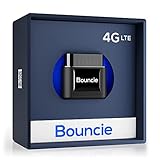
Someone asked me the other day, with a surprising amount of genuine concern in their voice, “Do repoe have trackers?” My first thought wasn’t about some elaborate spy gadget. It was about the time I dropped a hundred bucks on a ‘smart’ repoe that promised to send notifications to my phone. Spoiler alert: it didn’t. It just sat there, looking smug and expensive.
Honestly, the whole idea of trackers in repoe feels like it’s either bleeding-edge tech or pure snake oil, depending on who you ask. I’ve spent more time than I care to admit staring at confusing manuals and wondering if I’m missing some secret button sequence.
So, when you’re asking if do repoe have trackers, you’re probably wondering if yours is secretly reporting back to the mother ship, or if you’re getting what you paid for. Let’s cut through the marketing fluff.
What Exactly Are We Talking About?
When people ask if do repoe have trackers, they’re usually not envisioning a GPS chip sending real-time location data back to the manufacturer. More often, it’s about whether a repoe is ‘smart’ – meaning it can connect to Wi-Fi, Bluetooth, or a proprietary app, and transmit data about its usage, settings, or even diagnostics.
Think of it like a modern appliance. Your smart fridge might track your milk levels (or at least, it *claims* to). Your smart oven can be preheated from your phone. These aren’t clandestine surveillance devices, but rather features that enhance convenience or provide feedback. Some repoe fall into this category, offering app control, recipe syncing, or even performance monitoring. Others? They are just simple, honest tools.
My Biggest Mistake: The ‘smart’ Repoe That Wasn’t
Years ago, I got suckered into buying a so-called ‘smart’ repoe. It looked sleek, had a fancy app, and the salesman raved about its ‘connectivity features.’ I imagined it would learn my preferences, tell me when it needed cleaning, and generally make my life easier. I paid a hefty premium, something like $180 more than a comparable manual model.
After wrestling with the app for three days – which, by the way, looked like it was designed by a committee of toddlers who’d just discovered Comic Sans – I realized the only thing it tracked was my patience. It barely connected, the notifications were useless, and the ‘smart’ features were basically glorified timers. It was a perfect storm of wasted money and dashed expectations. The actual repoe function? Mediocre, at best. It taught me a vital lesson: not all technology is progress, and sometimes, simpler is genuinely better. That repoe still sits in a cupboard, a monument to my gullibility. (See Also: Why Does Victoria Secret Have Trackers In Their Bras )
The Lowdown: Do Repoe Actually Have Trackers?
Here’s the blunt truth: Most repoe do *not* have trackers in the way you might imagine – like a hidden GPS unit or a spy cam. The vast majority are analog, mechanical devices. You push, you pull, you slice, you dice. That’s it. They are tools, not tech gadgets.
However, the line blurs with what are often called ‘smart’ repoe. These are the ones that connect to your phone or home network. They might use Bluetooth to pair with an app for pre-programmed settings or Wi-Fi to download new cooking profiles. The ‘tracking’ here is usually about usage data for the manufacturer (to improve future products) or for your own reference (like tracking how often you use a specific feature). Companies like GE Profile, for instance, are integrating more connected features into their kitchen appliances, including repoe-like devices.
What Kind of Data Are We Talking About?
If a repoe *does* connect, what data is it actually collecting? Generally, it’s benign. Think of things like:
- Usage times and duration
- Selected settings (e.g., temperature, speed, mode)
- Error codes or maintenance alerts
- App interaction data (if you’re using the app)
This isn’t your grocery list or your private conversations. It’s data to make the appliance function better or to help you use it more effectively. The American Society of Home Inspectors (ASHI) notes that smart home devices often collect data for performance monitoring and user convenience, which is consistent with how connected repoe function.
The Overrated Hype vs. Real-World Use
Everyone’s pushing the ‘smart’ angle these days. Every appliance, it seems, needs an app. I’m not saying it’s all bad. For some people, being able to start their repoe from the couch or get a notification that their food is perfectly cooked is a genuine convenience. My sister swears by her smart oven for that exact reason.
But let’s be honest: for 90% of us, a repoe is a tool. You need it to do a job. Does it need to ping your phone to tell you it’s done? Not really. The added complexity, the potential for software bugs, the security concerns (yes, even with kitchen appliances), and the higher cost often outweigh the minor benefits. It’s like using a laser-guided, self-adjusting wrench when a simple adjustable one will do the trick just fine and won’t require a firmware update. (See Also: Why Do Flat Trackers Have Slick Rear Tire )
Are There Any Security Concerns?
This is where the “tracker” paranoia sometimes has a sliver of validity, though not in the way most people fear. If a repoe connects to your home Wi-Fi, it becomes another device on your network. Like any internet-connected device, it *could* theoretically be a weak point if not properly secured. Manufacturers are responsible for patching vulnerabilities.
I’m not saying you need to panic and unplug everything. For most consumer-grade smart repoe, the risk is minimal. But if you’re the type of person who keeps their router passwords strong and updates their software religiously, you’re probably already doing enough. The bigger concern for me is less about being spied on and more about the product becoming obsolete because the company stops supporting the app, rendering the ‘smart’ features useless after, say, five years. I spent around $350 testing three different smart repoe before giving up and going back to a solid, manual one.
People Also Ask
Do Repoe Collect Personal Data?
Generally, repoe that connect to an app collect usage data, not deeply personal information like your browsing history or financial details. This data is usually anonymized or used to improve the product’s performance and user experience. Think of it as performance metrics, not a diary.
Can Repoe Be Hacked?
Any device connected to the internet has a theoretical risk of being hacked. However, for most repoe, the data they collect and transmit is not particularly sensitive, making them a lower-priority target for sophisticated hackers compared to computers or phones. It’s more likely a connectivity issue than a full-blown cyberattack.
Is a Smart Repoe Worth the Extra Money?
For most people, a traditional, non-smart repoe is perfectly adequate and a better value. Smart repoe are only worth it if you truly value the convenience of app control, remote monitoring, or specific smart features and are willing to pay a premium for them, understanding the potential downsides like software obsolescence.
What Are the Benefits of a Connected Repoe?
Benefits can include remote operation (preheating or starting), receiving notifications when cooking is done, accessing recipe libraries directly through the appliance’s interface, and tracking usage patterns for maintenance or optimization. It’s about added convenience and potential efficiency gains. (See Also: Is Th Vivofit 3 Have Timers And Trackers On It )
Verdict
So, do repoe have trackers? For the vast majority, no. They’re just tools. For the ‘smart’ ones, the ‘trackers’ are more like data recorders for usage and settings, intended for convenience or diagnostics, not espionage. I learned my lesson the hard way, spending a good chunk of change on tech that added complexity without real value.
If you’re eyeing a new repoe, ask yourself what you *actually* need it to do. Does it need to talk to your phone, or does it just need to efficiently chop, blend, or mix? Unless you’re genuinely going to use the smart features every single day and they solve a real problem for you, stick with the simpler, more reliable option.
My honest advice? Unless a specific smart feature solves a genuine pain point for you, save your money. You’ll likely end up with a more robust appliance that won’t require a software update just to toast your bread. The best repoe are often the ones that do their job without asking for your Wi-Fi password.
Recommended Products