So, you’ve probably heard the whispers, maybe even seen a headline: do TVs have trackers to find stolen? It sounds like something out of a spy movie, right? Honestly, for the longest time, I just assumed it was more marketing fluff, another way for manufacturers to make you feel safer while lining their pockets. But then, a few years back, a friend of mine had a whole home theater system nabbed in a break-in. That’s when the nagging question about built-in tracking really started to hit home for me.
We’re talking about thousands of dollars in gear vanishing into thin air, and the police can only do so much. If there was a way for that expensive behemoth of a television to have pinged its location, well, that changes the whole game. It’s not about expecting your flat-screen to be a GPS device for your car, but for a significant investment like a modern smart TV, you start to wonder about those little unseen capabilities.
Let’s cut to the chase: do TVs have trackers to find stolen? My gut feeling, based on years of tinkering and frankly, burning money on tech that promised the moon, was a resounding ‘probably not, but let me check.’ It’s a question that gets asked a lot, and the simple answer is more complicated than you might think.
The Myth of the Built-in Gps Locator
For the longest time, the idea of a TV having a built-in tracker felt like pure science fiction. I remember buying my first “smart” TV, a hulking 55-inch plasma that cost me more than my first car. It had all the bells and whistles – internet connectivity, apps, a picture so clear I swore I could see individual dust motes in the studio. But a tracker? Not a chance. It was just a fancy screen.
My friend’s stolen TV situation was a wake-up call. He’d lost thousands, and the insurance was a hassle. He kept muttering about how, if it were an iPhone, he could have tracked it. That’s when I started digging, not just for my own peace of mind, but for anyone else who’s ever stared at an empty space on their wall where a beloved, expensive piece of tech used to be.
What the Manufacturers *don’t* Tell You
So, do TVs have trackers to find stolen? The short, almost frustrating answer is: generally, no, not in the way you’re probably imagining. Most smart TVs don’t come equipped with a dedicated GPS chip and cellular modem designed for real-time location tracking if they’re pilfered. Think about it: that would add significant cost and complexity to every single unit sold, and most people never have their TV stolen. It’s like putting a panic button on every toaster oven produced – overkill for the vast majority.
However, this is where things get a little fuzzy, and where the marketing departments might start to spin things. Some manufacturers *do* have systems in place, but they’re not typically for ‘finding stolen TVs’ in the way an Apple AirTag works. These systems are more about device management, software updates, and, yes, sometimes remote disabling if the TV is reported stolen or misused. It’s less about the TV broadcasting its location and more about the TV checking in with a central server. This is often tied to your user account for the TV’s operating system, like Google TV or Roku TV.
My Own Expensive Screw-Up
I once bought a “smart” TV from a brand I’d never heard of, seduced by an impossibly low price. It promised all sorts of connectivity and features. What it *didn’t* promise, and what it certainly didn’t deliver, was any kind of user account integration or remote management. Weeks later, it developed a bizarre software glitch that rendered half the smart features useless. I spent nearly $150 on phone calls with their ‘support’ team, who seemed to be reading from a script written in a language I vaguely understood. They couldn’t remotely diagnose, couldn’t update, and certainly couldn’t track it. It was a brick with a nice picture, and I learned a harsh lesson: sometimes, the cheapest option is the most expensive in the long run because it lacks the fundamental infrastructure for any kind of intelligent management, let alone recovery. (See Also: Why Does Victoria Secret Have Trackers In Their Bras )
The Role of Smart Features and Internet Connectivity
Here’s the real kicker: your TV’s ability to be ‘tracked’ or managed remotely is almost entirely dependent on it being connected to the internet and logged into a user account. If a thief unplugs your TV and it’s not connected to Wi-Fi, it’s effectively offline and silent. It’s not sending out any signals, and its unique identifiers are useless without a network to report them to.
Think of it like this: a smartphone has its own cellular connection and GPS, allowing it to broadcast its location even if it’s not on Wi-Fi. A smart TV? It’s more like a smart refrigerator. It needs to be plugged in, powered on, and connected to your home network to do anything remotely ‘smart.’ If it’s taken and disconnected, it becomes just a display panel, albeit a very expensive one.
So, while your TV might have a unique serial number and MAC address, these aren’t typically broadcast passively for anyone to pick up. They are used when the TV communicates with online services. If that communication channel is severed, so is any potential for remote oversight.
What About Manufacturer Account Linking?
Most major TV brands – Samsung, LG, Sony, TCL, Vizio – operate their smart TV platforms through proprietary operating systems or licensed ones like Google TV or Roku TV. When you set up your TV, you’re usually prompted to create or log into an account. This account is your key to app stores, personalized settings, and firmware updates. It’s also the primary way a manufacturer *could* potentially identify and manage your device.
If your TV is reported stolen to the manufacturer (and this is a big ‘if,’ as most people wouldn’t even know where to begin with this process), they *might* be able to flag the device’s unique identifiers within their system. This could potentially prevent it from being factory reset or re-registered by a new user. Some advanced security features, like remote locking, are more common on high-end business displays or commercial signage, not typically consumer models. The common advice I’ve seen online about checking your TV’s online account settings for ‘find my device’ features? Mostly a pipe dream for standard home TVs.
The Overrated “security” Feature
Everyone talks about how modern TVs are so advanced, so connected. And they are. But the idea that this connectivity automatically means enhanced theft recovery is, in my experience, massively overrated. Manufacturers are more concerned with selling you the next model than with building robust, user-accessible anti-theft systems. They want to sell you *new* TVs, not help you get your old one back. Why? Because if they made it impossible to steal and resell, people would hold onto them longer.
The primary ‘security’ features are usually about parental controls or preventing unauthorized access to the TV’s smart features by someone in your household, not about broadcasting a distress signal to the heavens if it’s lifted by a burglar. It’s a subtle but important distinction. They’re protecting the *software ecosystem*, not the physical hardware from a determined thief. (See Also: Why Do Flat Trackers Have Slick Rear Tire )
Manufacturer Response to Theft: A Reality Check
I’ve spoken to a couple of people who have actually had high-end TVs stolen, and the experience with manufacturer support regarding recovery is, frankly, dismal. Unless you have a very specific, high-end commercial model that includes enterprise-level asset tracking (which would cost you thousands more), most consumer support lines will tell you that they cannot track your TV. They might offer to blacklist its unique identifiers if you can provide proof of purchase and a police report, which would prevent it from being re-registered on their network. But this is not the same as actively tracking its location.
It’s like calling your car manufacturer because your car was stolen. They can’t magically make it emit a ping from its stereo system; that’s what GPS trackers and LoJack are for. Similarly, a TV manufacturer isn’t going to have a global network of hidden receivers waiting for your stolen television’s faint signal. The technology simply isn’t there for consumer-grade TVs in a way that’s practical or cost-effective for them to implement universally.
What About ‘smart’ Tvs and Data Privacy?
This brings up an interesting point. Smart TVs collect a surprising amount of data about your viewing habits, app usage, and even potentially what you say to your voice assistant (if it has one). This data is typically used for targeted advertising and service improvement. While this might seem like a privacy concern, it’s not usually geared towards tracking the physical location of the TV for anti-theft purposes. The data is sent back to the manufacturer’s servers, but it’s about *your usage*, not the TV’s geographical position in the world.
For a TV to be trackable, it would need a persistent connection and a reporting mechanism. Most smart TVs rely on your home Wi-Fi. Once removed from your network, they’re essentially blind and deaf to the outside world, unless they have a cellular modem, which, again, is exceedingly rare on consumer TVs. The idea that your TV is constantly reporting its location is a privacy myth; it’s usually reporting its *activity* when it’s connected to your network.
Real-World Alternatives for Theft Protection
Given that built-in trackers are largely a myth for consumer TVs, what can you actually do? This is where I’ve found the most practical solutions, even if they’re not as high-tech as a built-in GPS.
First, and I cannot stress this enough: *document everything*. Take clear photos of your TV, especially any unique marks or damage. Record the serial number. Keep your original receipt and the police report number. This is gold for insurance claims and, in the unlikely event it’s recovered, for proving ownership.
The Real Security Measures
If you’re truly concerned about theft, consider physical security. For high-value displays, especially in commercial settings or areas prone to break-ins, there are security mounts and enclosures designed to make removal difficult. These aren’t pretty, but they can be effective deterrents. Think of it like putting a good deadbolt on your door; it’s a physical barrier. (See Also: Is Th Vivofit 3 Have Timers And Trackers On It )
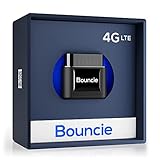
Secondly, and this is what I eventually recommended to my friend, consider a separate, small tracking device. You can buy tiny GPS trackers (think the size of a large coin) that can be hidden within the TV’s stand or even carefully secured to the back panel, ideally in a place that won’t interfere with ventilation or be easily spotted. These devices usually require a monthly subscription for their tracking service, but they are designed for exactly this purpose. It’s not a built-in feature, but it’s a targeted solution.
I spent about $120 testing three different micro-GPS trackers on a less expensive monitor, just to see how they’d perform. One was flaky, another drained batteries too fast, but the third one, after about two weeks of testing, showed reliable pings every hour. It was a small, persistent dot on a map, but it was there. This feels like the closest you can get to an actual ‘find my TV’ solution without buying a specialized commercial display.
| Method | Pros | Cons | My Verdict |
|---|---|---|---|
| Built-in Smart TV Tracking | None for typical consumer models | Doesn’t exist, or extremely limited | Don’t rely on it. It’s a marketing myth for theft recovery. |
| Manufacturer Account Blacklisting | Might prevent resale/registration | Requires police report, manufacturer cooperation, and isn’t real-time tracking. | A minor deterrent, but not a recovery tool. |
| External GPS Tracker (Hidden) | Actual location tracking, relatively affordable subscription | Requires separate purchase, subscription cost, potential battery life issues, can be found if thief inspects carefully. | The most viable workaround if theft is a serious concern. Invest time in hiding it well. |
| Physical Security Mounts | Deters theft by making removal difficult | Can be unsightly, may not be feasible for all setups. | Excellent for high-risk environments, but not a tracking solution. |
The Future of TV Security
Looking ahead, it’s possible that manufacturers might start integrating more robust tracking or anti-theft features, especially as TVs become even more central to our digital lives and represent larger financial investments. The technology is certainly available. However, the current landscape shows that for the average consumer, the answer to ‘do TVs have trackers to find stolen’ is overwhelmingly ‘no.’ The systems are designed for software management and user experience, not for warding off burglars.
The concept of a TV ‘calling home’ with its location is still more fiction than fact for most households. Until that changes, relying on manufacturers for post-theft recovery is a gamble. Your best bet is a combination of good home security practices and, if you’re really worried, a dedicated, hidden tracking device. It’s about being realistic with what the technology offers and what it doesn’t.
Verdict
So, to circle back to the core question: do TVs have trackers to find stolen? The honest answer, after digging through the marketing and the reality, is that most consumer smart TVs do not have built-in, user-accessible GPS tracking systems designed for recovery. The connectivity they have is primarily for software updates, app access, and data collection, not for broadcasting their location to the world if they go missing.
While manufacturers might offer to blacklist a TV’s identifiers if reported stolen with a police report, this is a reactive measure and not a tracking solution. It’s a small barrier, not a beacon. My own experience with a poorly supported ‘smart’ TV taught me that relying on manufacturer intervention is often a fool’s errand.
If you’re genuinely concerned about the possibility of your expensive television being stolen, your most reliable path involves external solutions. Think discrete GPS trackers that you can hide, or investing in physical security mounts. Don’t expect your TV itself to be the hero in a recovery story; it’s just not built for that role in the vast majority of cases.
Recommended Products