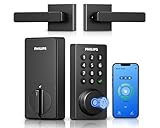
I remember the first time I shelled out a frankly ridiculous amount of cash for what was supposed to be the ‘smartest’ door lock on the market. It promised keyless entry, remote access, the works. What it delivered was a constant headache of dead batteries, confusing app interfaces, and a nagging fear that I’d lock myself out. That’s why when someone mentions a 151105 a door lock, I approach it with a healthy dose of skepticism, but also a sliver of hope. We’ve been through this before, haven’t we?
The promise of convenience is a powerful lure, especially for something as mundane as opening your own front door. But the reality of these devices often falls short of the glossy marketing. So, what’s the deal with this particular model? Let’s cut through the noise.
So, What the Heck is a 151105 a Door Lock?
Look, I’m not going to bore you with flowery marketing speak. A 151105 a door lock is, at its core, a device designed to secure your home while offering more flexibility than a traditional keyed deadbolt. Think keypads, fingerprint scanners, smartphone apps – ways to get yourself inside without fumbling for keys in the dark or when your hands are full of groceries.
I’ve personally installed and lived with half a dozen different models over the last decade, and the journey from clunky prototypes to the sleek units you see today has been… interesting, to say the least. Some have been absolute dogs, others have genuinely made my life easier.
The trick is figuring out which is which before you drop your hard-earned cash.
The ‘151105’ part? That’s likely a manufacturer’s internal model number or a specific SKU.
It doesn’t tell you much about the type of lock it is, but it’s the specific identifier you’d look for if you’re shopping around. Is it a full smart lock with Wi-Fi, or a simpler electronic keypad model? That’s the real question. My first ‘smart’ lock, a rather embarrassing affair involving a Bluetooth connection that only worked if I stood directly in front of the door with my phone held aloft like a torch, cost me around $200.
It was a lesson learned the hard way. The frustration of having to reboot the lock’s internal system (yes, it had one) every other week made me question why I bothered. I’ve seen prices for similar systems range from a surprisingly affordable $80 for basic keypad models to well over $300 for feature-packed smart locks with integrated cameras and voice control.
For a 151105 a door lock, you’re probably looking in that mid-range, between $150 and $250, depending on the brand and its specific capabilities.
The core technology often involves a motor that physically retracts or extends the deadbolt. This is controlled by microprocessors that interpret your input – be it a PIN code, a fingerprint, or a signal from your phone. Power is usually supplied by AA batteries, and this is where many of the older or cheaper models fall down. I can’t tell you how many times I’ve been greeted by a dead lock because the batteries gave out overnight. It’s infuriating. Some higher-end models have backup power options, like a 9V battery terminal or even a solar charging capability, which are worth considering if battery anxiety is a major concern for you.
When you’re looking at any lock, especially a 151105 a door lock, consider the basic security ratings. Most reputable manufacturers will provide information on ANSI/BHMA grades. Grade 1 is for heavy-duty commercial use, Grade 2 is for general residential, and Grade 3 is for light-duty residential. For your front door, you absolutely want a Grade 2 or higher. Don’t let fancy features distract you from the fundamental job: keeping your home secure. I once had a ‘smart’ lock that was so poorly constructed in its internal mechanics that you could actually jiggle the bolt loose with a firm push, even when locked. That’s not a security feature; that’s a gaping hole. (See Also: Are Sesame Seeds Kosher For Passoveris Pollock Kosher )
What to Actually Look for (besides the Model Number)
Forget the fancy apps for a second. The first thing you need to consider is the fundamental security and how you want to interact with your door. Do you really need to open your door from your vacation in Bora Bora? Or do you just want to get in without digging for keys after a long day at work?
My personal preference leans towards redundancy. I want a keypad, a physical key backup, and ideally, a way to grant temporary access to a trusted person without having to be there.
The ‘151105 a door lock’ might offer all of these, or just one or two. Don’t get blinded by the ‘smart’ aspect if it compromises the basic lock mechanism or the reliability of entry.
I’ve seen too many people get caught up in the hype. They buy a lock because it has a million features, and then they never use half of them.
Or worse, the features that are supposed to make life easier actually make it harder. For example, I had a lock that required a specific, rather slow, sequence of button presses followed by a specific timing for the fingerprint scanner. If you sneezed at the wrong moment, it would lock you out. That’s not convenience; that’s just… annoying.
The key is to think about your daily routine. How many people need access? Do you have frequent visitors like dog walkers or cleaners? Are you gifting a 151105 a door lock to an elderly relative who might struggle with complex technology?
These are the questions that matter.
When I was researching smart locks, I came across a lot of conflicting advice. Some people swore by Wi-Fi connectivity for maximum remote access. Others warned that Wi-Fi locks were more vulnerable to hacking. My experience is that most modern Wi-Fi locks from reputable brands are reasonably secure, but the biggest point of failure is often user error or weak Wi-Fi passwords on the home network.
Bluetooth locks are generally simpler and use less power, but their range is limited. This means you usually have to be relatively close to the door for them to work. For me, a physical keypad is a must, and a fingerprint scanner is a nice-to-have. I like the tactile feedback of punching in a code.
It feels secure. (See Also: Are Sliding Door Locks Common )
Here’s a quick rundown of what I prioritize:
| Feature | My Verdict | Why |
|---|---|---|
| Physical Keypad | Key | Reliable, works even if electronics fail or batteries die. Good for guests. |
| Fingerprint Scanner | Nice-to-have | Fast and convenient when it works flawlessly. Can be finicky with dirty or wet fingers. |
| Smartphone App Control | Useful, but not primary | Good for remote access, granting temporary access, and checking activity logs. Can be a point of failure. |
| Wi-Fi Connectivity | Depends | Offers true remote access. May consume more power. Make sure your home network is secure. |
| Bluetooth Connectivity | Good for simplicity | Lower power consumption, simpler setup. Limited range. |
| Battery Life | Important | Look for models that clearly state battery life and have low-battery warnings. Backup power options are a plus. |
| Physical Key Backup | A must | Always have a way to get in if the electronics fail. |
Common Mistakes People Make (and How to Avoid Them)
The biggest mistake I see people make is buying a lock based solely on its ‘smart’ capabilities without considering the underlying build quality and ease of use. I once bought a lock that had an app so glitchy, it would crash every time I tried to check the activity log. That’s not a ‘smart’ feature; that’s a liability. You end up with a high-tech paperweight that also happens to be a door lock. The common advice often pushes the latest tech, but sometimes, simpler is better. For instance, many people dive headfirst into voice control integration, only to find that it’s unreliable, or they’re constantly worried about accidentally opening their door with a stray comment.
Another huge blunder is not checking the door prep. Most modern locks require a standard bore hole size and a specific backset. If your door isn’t prepped correctly, you’ll need to do some carpentry work, and that adds cost and complexity. Measure twice, buy once, as they say. I learned this the hard way when I bought a lock that was slightly too wide for my existing door jamb, leading to a frustrating afternoon of filing and adjustment that ultimately compromised the aesthetic. Make sure the lock you’re eyeing fits your door’s existing dimensions, or be prepared for extra work.
Then there’s the battery issue. As I’ve mentioned, a dead battery is the ultimate irony for a door lock. People often overlook how frequently batteries need replacing and how good the warning system is. Some locks give you a week’s notice; others give you a gentle beep that you’ll probably ignore until it’s too late. I’ve seen people install locks and then forget about them until the dreaded ‘low battery’ warning flashes, only to realize they don’t have the right type of batteries on hand. Always check the battery type and availability, and set a reminder on your phone to check them periodically, regardless of the warnings.
Finally, people often underestimate the installation process. While many smart locks are designed for DIY installation, some can be fiddly. If you’re not comfortable with basic tools and following instructions, you might be better off paying for professional installation. A poorly installed lock, even a high-tech one, can be less secure and prone to malfunctions. I remember a friend who tried to install a high-end electronic lock himself. He ended up stripping the screws and misaligning the bolt mechanism, which caused the motor to strain and eventually fail. He ended up calling a locksmith anyway, costing him more in the long run.
Real-World Use: When a 151105 a Door Lock Actually Shines
Okay, let’s talk about when these things actually work as advertised. I’ve found that a 151105 a door lock, or any similar well-designed electronic lock, truly shines in scenarios where you need to grant temporary access. Think about letting a contractor in while you’re at work, or giving a spare code to a family member who’s visiting. Instead of having to hide a physical key under the doormat (a practice I strongly advise against – it’s about as secure as leaving your door wide open), you can generate a code that works only during specific hours or for a set duration. This is where the ‘smart’ aspect genuinely adds value and peace of mind.
I also appreciate the activity logs. It’s a small thing, but knowing who entered your home and when can be surprisingly useful. Did the kids get home from school on time? Did the dog walker show up? For families with multiple members or busy schedules, these logs provide a clear audit trail. This feature has saved me from minor domestic disputes more than once, by proving who actually left the door opened. It’s a level of insight you simply don’t get with a traditional deadbolt.
Another area where these locks excel is in reducing friction for everyday entry. After a long day, the last thing you want to do is dig for keys. If you’ve got your hands full of groceries or a wriggly toddler, being able to open the door with a quick tap on your phone or a swift fingerprint scan is genuinely convenient. I’ve used systems where the fingerprint scanner is so fast and accurate, it feels like magic. It’s those small moments of effortless entry that make you appreciate the technology, even if it’s not perfect all the time. The key is to find a model that prioritizes these smooth, everyday interactions over overly complex, rarely used features.
My contrarian opinion? Everyone talks about remote control, but for most people, the most valuable ‘smart’ feature is reliable, scheduled access for trusted individuals and the activity log. The ability to grant a temporary code to a pet sitter who’s only coming once a week is a far more practical application than opening your door from a different continent, which, let’s be honest, most of us rarely do. The reliability of the physical lock mechanism and the ease of battery replacement are ultimately more important than the bells and whistles. A 151105 a door lock should first and foremost be a secure and dependable lock.
Installation and Maintenance: The Nitty-Gritty
Alright, let’s get down to brass tacks on installation. If you’re reasonably handy, you can probably tackle this yourself. Most electronic locks are designed with DIYers in mind. You’ll typically need a screwdriver, maybe a drill if you need to enlarge a hole, and the instructions that came with your specific 151105 a door lock. The process usually involves removing your old deadbolt, installing the new exterior and interior components, connecting any necessary wires (for electronic locks), and then attaching the strike plate to the door frame. I’ve found that watching a few YouTube videos of similar lock installations before you start can be incredibly helpful. It gives you a visual guide and highlights potential tricky spots. (See Also: Are The Rams Locked Into The 6th Seed )
My first installation took me about an hour and a half, mostly because I was being overly cautious and second-guessing myself at every step. My last one? About 30 minutes, start to finish. The key is to read the instructions thoroughly before you begin and make sure you have all the necessary tools. Don’t try to force parts that don’t seem to fit; usually, there’s a reason, and forcing it will lead to damage or a poorly functioning lock. If you hit a snag, don’t be afraid to pause, re-read, or look for online tutorials specific to your model. Sometimes, a quick YouTube search for ‘[Your Lock Model] installation’ can save you a lot of grief.
Maintenance is surprisingly minimal, which is one of the perks. The most frequent task, as we’ve discussed, is battery replacement. Keep an eye on those low-battery indicators and have spare batteries on hand. I recommend using high-quality alkaline batteries; they tend to last longer and perform better in varying temperatures. Some people opt for rechargeable batteries, which can save money in the long run, but make sure they hold their charge well and have a consistent voltage. You’ll also want to occasionally wipe down the exterior keypad or fingerprint scanner with a soft, dry cloth to keep it clean and functioning optimally. Avoid harsh chemicals that could damage the finish or internal electronics.
For me, the most practical tip for maintenance is to perform a test cycle every few months. This involves locking and opening the door using all the different methods available (keypad, app, key, etc.) to make sure everything is still working smoothly. If you notice any sticking or unusual noises, it’s best to address it before it becomes a bigger problem. I learned this when a friend’s electronic lock started making a grinding noise. He ignored it, and a few weeks later, the motor burned out. A quick lubrication or adjustment could have saved him a costly repair or replacement. For a 151105 a door lock, a little regular attention goes a long way.
Frequently Asked Questions About a 151105 a Door Lock
Can a Smart Lock Be Hacked?
Yes, any electronic device connected to a network can potentially be hacked. However, reputable smart lock manufacturers invest heavily in security protocols like encryption to protect against unauthorized access. The biggest risks often come from weak home Wi-Fi passwords, phishing attempts targeting your account credentials, or physical tampering, rather than direct hacking of the lock itself. Always use strong, unique passwords for your Wi-Fi and your smart home accounts.
How Long Do Batteries Typically Last in an Electronic Door Lock?
Battery life varies significantly depending on the model, how often it’s used, and the type of batteries. A typical electronic lock using four AA batteries can last anywhere from six months to over a year. Locks with more features, like constant Wi-Fi connection or frequent app usage, will drain batteries faster. Always look for models that provide clear low-battery warnings and consider those with options for backup power.
What Happens If the Power Goes Out or the Batteries Die?
This is a important consideration. Most electronic door locks are designed with a mechanical key backup. If the power fails or the batteries are dead, you can usually use a traditional physical key to open the door. Some advanced models also have a terminal on the exterior for a 9V battery, allowing you to temporarily power the lock enough to enter your code if the main batteries are depleted.
Are Electronic Door Locks Difficult to Install?
For most people with basic DIY skills, installing an electronic door lock is quite manageable. They are generally designed to fit standard door preparations. You’ll typically need a screwdriver and possibly a drill. However, if you’re not comfortable with tools or following instructions, professional installation is readily available and recommended to make sure proper function and security.
Can I Grant Access Remotely to Guests?
Yes, many smart electronic door locks allow you to grant remote access to guests. This is often done by generating temporary PIN codes that can be scheduled for specific times or durations, or by using a smartphone app to temporarily open the door. This feature is incredibly convenient for letting in service providers, friends, or family when you’re not home.
Final Verdict
So, after all that, is a 151105 a door lock the key to a more convenient, secure life? For me, it’s a qualified yes. The convenience of keyless entry, especially when your hands are full, is undeniable. The ability to grant temporary access to trusted people without needing a physical key is a genuine upgrade. However, the pitfalls are real: battery life, potential glitches, and the need for careful consideration of your actual needs versus the marketing hype.
Don’t buy into the idea that you need every single bell and whistle. Focus on reliability, ease of use for everyday entry, and that all-important physical key backup. If the specific 151105 a door lock you’re looking at ticks these boxes and offers a few smart features you’ll actually use, it could be a solid purchase. But remember, even the smartest lock is only as good as its weakest link, which is often the user or the battery.
Before you click ‘buy,’ do your homework. Read reviews that focus on long-term reliability, not just initial setup. Think about who will be using the lock and their comfort level with technology. If it passes that sniff test, you might just find it’s a worthwhile upgrade over your old-school deadbolt.