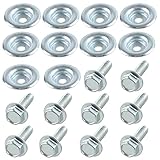
I remember the first time I tried to assemble a bed frame that didn’t come with those little plastic bags of hardware already sorted. It was a nightmare. Nuts and bolts everywhere, instructions that might as well have been written in ancient hieroglyphics. That’s when I really started paying attention to the small stuff, the connectors, the fasteners. Especially when it comes to something as fundamental as a bed frame, you don’t want those ‘a america inc bed bolts’ to be the weak link holding up your sleep.
I’ve seen cheap hardware crumble or strip out after just a few months, forcing me to go on a scavenger hunt for replacements. It’s frustrating, costly, and frankly, it ruins the experience of getting a new bed. So, let’s talk about what actually matters when you’re looking at these seemingly simple pieces of metal.
This isn’t about fancy marketing or telling you what you should want. This is about what works, what doesn’t, and what I’ve learned from wrestling with more bed frames than I care to admit.
Why Those Tiny ‘a America Inc Bed Bolts’ Matter More Than You Think
Look, nobody gets excited about bed bolts. They’re usually hidden, they’re not pretty, and they’re the last thing you think about when you’re eyeing that new bed frame. But here’s the brutal truth: if the hardware is junk, the whole damn bed is junk.
I learned this the hard way about five years ago. I bought what looked like a solid, heavy-duty platform bed online.
The pictures were great, the price was decent, and the description promised durability. When it arrived, it was a mess of particleboard and what felt like flimsy pot metal for the bolts. Within three months, one of the main connecting bolts had started to wobble.
Then another. I ended up having to go to the hardware store, find beefier replacements, and basically rebuild the structural integrity of the thing myself.
It cost me an extra fifty bucks and a solid afternoon of frustration I could have spent doing anything else. That experience hammered home that you cannot skimp on the fasteners.
When you’re dealing with something designed to hold up your entire body, night after night, for years, you need hardware that’s up to the task. We’re talking about stress, use, and gravity all working against you. The common advice is often to just make sure it fits, but that’s like saying a car is good if it has wheels. Sure, but what kind of wheels?
What are they made of? Are they properly attached? The same applies to bed bolts.
You need to consider the material, the threading, the head type, and how it’s meant to engage with the frame. A poorly designed or cheaply made bolt can lead to stripped threads, loose connections, and eventually, a wobbly, creaky, or even unsafe bed. It’s not just about preventing squeaks; it’s about structural integrity and peace of mind. You want to sleep soundly, not worry about your bed collapsing.
The sheer variety can be overwhelming. You’ve got carriage bolts, hex bolts, machine bolts, lag bolts – and then within those, different grades of steel, different coatings, and various thread pitches. For bed frames, you’re typically looking at machine bolts, which are designed to go through pre-drilled holes and thread into a nut or a threaded insert. The key is that they’re meant for a precise fit and a strong hold. If the threads are shallow, or the metal is soft, they’ll strip out under normal use. It’s like trying to build a house with toothpicks.
I’ve found that when a manufacturer provides good quality bolts, the entire assembly process is smoother. The bolts screw in easily, they tighten securely, and they stay that way. It’s a small detail that makes a massive difference. So, when you’re looking at a bed frame, don’t just glance at the hardware and assume it’s fine. If possible, check reviews specifically mentioning the quality of the hardware, or look for descriptions that tout stronger materials like hardened steel. It’s a sign that the company actually cares about the longevity of their product, not just how it looks in a catalog.
What to Look for: Beyond the Shiny Metal
Alright, so you’ve decided you don’t want to end up like me with a half-broken bed frame and a trip to the hardware store. What are you actually looking for when you pick up those nuts and bolts? First off, material. Most decent bed bolts are going to be steel. But not all steel is created equal. You’re ideally looking for something like alloy steel or even hardened steel. This means it’s stronger and less likely to bend or strip. You can usually tell by feel – a good bolt feels dense and solid. Cheap bolts often feel lighter, and sometimes have a duller finish that can indicate lower-grade material. (See Also: Are All Honda Atv Bolt Patterns The Same )
Next, the threading. This is HUGE.
The threads need to be clean, well-defined, and consistent. If you look at a bolt and the threads are uneven, or look like they were crudely cut, that’s a red flag. They’re more likely to cross-thread or strip out. For bed frames, you’re usually dealing with machine screw threads, meaning they’re designed to mate with a nut or a pre-threaded hole in the frame.
The pitch – the distance between the threads – also matters for a secure fit. A common pitch for furniture is 13 threads per inch (TPI) for larger bolts, but it can vary.
If the manufacturer provides a specification, great. If not, a visually clean and consistent thread is your best bet.
The head type is another thing. For bed frames, you’ll most commonly see hex heads (which require a wrench or socket) or sometimes carriage bolts with a rounded, smooth head (which require a slot on the bolt head side to prevent it from spinning). Hex heads are generally preferred for their ease of tightening and the amount of torque you can apply. Make sure the socket for your wrench or socket set is cleanly cut and not rough or too large. I once had a hex head that was so poorly formed, my socket kept slipping, and I ended up rounding it off with a wrench. Not fun.
And then there’s the finish. While not as important as material or threading, a good finish like zinc plating or a black oxide coating helps prevent rust and corrosion, especially if the bolts are exposed to any moisture or humidity. A cheap, flaky coating is a sign that corners were cut elsewhere, too.
Here’s a quick rundown of what I’ve learned to favor:
| Feature | What to Look For | Verdict |
|---|---|---|
| Material | Alloy Steel, Hardened Steel | Best – Strong, durable, resists stripping. |
| Threading | Clean, consistent, well-defined pitch | Key – Prevents stripping and makes sure secure fit. |
| Head Type | Hex head (tightens well), Smooth carriage bolt head | Good – Hex is easiest for secure tightening. |
| Finish | Zinc plating, Black oxide | Nice to have – Prevents rust, looks better. |
| Overall Feel | Dense, heavy, solid | Important – Cheap hardware feels light and flimsy. |
Don’t underestimate the ‘feel’ of a bolt. If it feels light, flimsy, or the threads are rough, move on. It’s not worth the headache later.
Common Mistakes: Why Your Bed Might Be a Wobble-Fest
You’d think assembling a bed frame would be straightforward, but there are a few pitfalls that can turn your DIY project into a disaster, primarily stemming from how people handle those vital connection points. One of the biggest mistakes I see, and honestly, one I’ve made myself when I was less experienced, is over-tightening. You get that bolt in, and you crank on it with all your might, thinking ‘tighter is better.’ Wrong.
For most machine bolts used in furniture, you want them snug and secure, but not so tight that you’re deforming the metal, stripping the threads, or even cracking the wood or metal it’s screwing into. I once stripped the thread on a frame’s insert by going way too hard with a wrench.
The bolt itself was fine, but the hole it went into was ruined. That’s a much harder fix than replacing a bolt.
Another common goof is not using the right tool. If you’re supposed to use a socket wrench and you’re using an adjustable wrench, you’re asking for trouble. The jaws on an adjustable wrench are more prone to slipping, rounding off the bolt head. And if you’re using a power drill for speed, remember that they have a tendency to over-torque. Use it on a low setting, or better yet, use it just to get the bolt started and then finish tightening by hand with a wrench. The sheer force of a power drill can easily strip threads or snap a bolt head off, especially with softer metals.
People also frequently mix up bolts or use the wrong size. Bed frames often come with different lengths and diameters of bolts for different connection points. They’re usually labeled, but if they’re not, or if you’ve lost them, it’s easy to grab the wrong one. Using a bolt that’s too long can mean it interferes with other parts, or it might not thread properly into its receiving nut or hole. Using one that’s too short means you won’t get enough thread engagement for a secure hold. It’s a recipe for a wobbly bed and a potential safety hazard. (See Also: Are Ak Bolts Interchangeable )
Finally, and this is a big one: not cleaning the threads or holes before assembly. Sometimes, especially with mass-produced items, there can be a bit of metal shaving, dust, or even old grease in the threaded inserts or on the bolts themselves. If you just screw them in as-is, you’re introducing friction and potentially damaging the threads from the get-go. A quick wipe with a clean cloth or a blast of compressed air can make a world of difference. It sounds like a minor detail, but it’s these small steps that contribute to a solid, long-lasting assembly. Don’t skip them.
Here’s a quick cheat sheet of what NOT to do:
- Over-tighten: Crank it down until you feel resistance, then maybe a quarter turn more. Don’t go all Hulk on it.
- Use the wrong tool: If it needs a socket, use a socket. If it needs a wrench, use a wrench. Avoid adjustable wrenches for important connections.
- Mix and match bolts: Use the bolts specified for each connection point. Length and diameter are important.
- Ignore thread cleanliness: Always check and clean threads and holes before assembly.
- Force it: If a bolt isn’t screwing in easily, stop. Check for cross-threading or debris.
These might seem obvious, but in the excitement of assembling a new bed, it’s easy to rush and make these mistakes. Slow down, check your work, and you’ll thank yourself later.
Real-World Use: My Experience with ‘a America Inc Bed Bolts’
I’ve assembled quite a few beds in my time. From basic metal frames to more elaborate wooden platform beds, the hardware has always been the make-or-break factor. My most recent encounter involved a pretty standard metal frame bed that came with what felt like decent, zinc-plated hex bolts. They were substantial, the threads were clean, and they screwed in smoothly. The instructions were clear about which bolts went where, and I used a standard socket set to tighten them. It took me about 45 minutes, and the result was a rock-solid frame. No squeaks, no wobbles, even when I intentionally tried to rock it. That’s what you want.
On the flip side, I had a notoriously difficult experience with a wooden bed frame from a company that shall remain nameless (but they’re huge online). The description made it sound like a premium product. When it arrived, the main structural bolts were thin, almost gray-looking, and the threads were rough. They provided a tiny Allen wrench that felt like it would snap if I put too much pressure on it.
Getting those bolts to thread properly was a wrestling match. I ended up stripping one of the inserts trying to get it snug.
I had to buy a replacement insert and a better-quality bolt from the local hardware store – which, by the way, don’t carry the exact thread pitch for that specific piece, so I had to improvise with a slightly larger one that required drilling out the hole a bit. It was a complete nightmare, and honestly, the bed frame itself wasn’t even that great once it was finally assembled. It was the hardware that let it down, plain and simple.
This is why I’ve become such a stickler for hardware quality. It’s not just about the aesthetics or the core material of the bed frame; it’s the integrity of the connections. If you’re buying a flat-pack bed, and the seller doesn’t specify the material or grade of the hardware, assume it’s mid-tier at best. If it’s a more expensive bed, you’d expect them to use better hardware. But even then, check the reviews. Sometimes, expensive brands cut corners on the hardware to save a buck, and customers call them out on it. I once saw a review for a very high-end bed where people were complaining about the bolts stripping after only six months. It’s wild.
For me, the ideal scenario is getting a bed frame that uses standard hardware sizes and good quality steel bolts. That way, if something does go wrong, or if I just want to upgrade, I can easily find replacements at any hardware store. But the initial quality should be good enough that you don’t have to do that. When I’m assembling a bed, I’m looking for that satisfying thunk as the bolt head seats firmly, and the resistance of the threads engaging cleanly without any grittiness. That’s the sound and feel of a job done right, and a bed that’s going to last.
Practical Tips for a Rock-Solid Bed Assembly
So, you’ve got your new bed frame, and you’re ready to put it together. Before you even rip open the main box, do this: unpack ALL the hardware. Lay it all out. Sort it by size and type. Many manufacturers will put them in labeled bags, which is a lifesaver. If they don’t, or if the labels are confusing, use little bowls or trays to group similar bolts, nuts, and washers. This simple act of organization can save you massive headaches later. I like to take pictures of the hardware laid out, just in case I accidentally mix something up or lose a piece. It’s a small preventative measure that has saved me from scrambling before.
Next, read the instructions – all the way through – before you start. Seriously. Don’t just skim. Understand the sequence of assembly. Where do the bolts go? Are there any steps where you need to leave things slightly loose until later? Understanding the overall structure will help you avoid putting a bolt in too early or too tight, which can then prevent other parts from fitting correctly. Sometimes, you need to leave a connection slightly loose to allow for adjustment before fully tightening everything down. This is especially true for frames where multiple pieces need to align perfectly.
When you’re tightening bolts, especially hex head bolts, use the right size socket or wrench. Make sure it fits snugly.
If the tool is loose, it’s going to slip and round off the bolt head. A good set of sockets is a worthwhile investment for anyone who assembles furniture. As I mentioned, use a ratchet or a standard wrench for final tightening. Avoid power tools unless you are very experienced and have them set to a very low torque setting. (See Also: Are All Bolt Patterns The Same )
It’s just not worth the risk of stripping threads. Aim for snug, not impossible-to-loosen-later tight.
If you’re using nuts, make sure they’re the right type. Sometimes a frame will use locking nuts (nylock nuts) which have a plastic insert to keep them from loosening. These are great and should be installed with the plastic end facing the bolt head.
Here’s a quick-reference checklist for assembly day:
- Organize Hardware: Sort everything before you begin.
- Read Instructions Fully: Understand the sequence and any specific tightening notes.
- Use Correct Tools: Snug-fitting sockets/wrenches are key.
- Tighten Properly: Snug is good, overtightened is bad.
- Check for Wobble: Once assembled, test for stability. If it wobbles, check all bolts.
- Keep Spares (if provided): Some kits include a few extra bolts. Don’t lose them!
Finally, after everything is assembled and tightened, give the bed a good test. Push on it, rock it gently. If you feel any looseness or hear any creaking, go back and check all the bolts. Sometimes, a bolt can feel tight but not be fully seated, or a connection might settle after initial assembly. A final check makes sure everything is as solid as it should be. Don’t be afraid to go back and tighten anything that feels loose. It’s much better to do it now than when you’re halfway through the night and the bed starts to groan.
Frequently Asked Questions About Bed Bolts
What Are the Most Common Types of Bed Bolts?
The most common types of bolts used in bed frames are machine bolts, specifically hex bolts and sometimes carriage bolts. Machine bolts are designed to thread into nuts or pre-tapped holes. Hex bolts have a hexagonal head that’s easy to grip with a wrench or socket, allowing for strong tightening. Carriage bolts have a rounded, smooth head and a square section underneath that bites into the material to prevent spinning, making them good for situations where you only need to tighten from one side.
How Do I Know If My Bed Bolts Are High Quality?
High-quality bed bolts will typically be made of a stronger steel alloy (like hardened or alloy steel) and will feel dense and heavy. The threads should be clean, well-defined, and consistent, with no rough edges or inconsistencies. They often have a good finish like zinc plating or black oxide to prevent rust. Cheap bolts will feel lighter, have rough or shallow threads, and may have a flaky or dull finish. If the provided tool (like an Allen wrench) feels flimsy or the socket for a hex head is poorly cut, it’s a bad sign.
Can I Replace Bed Bolts with Hardware Store Bolts?
Yes, you absolutely can replace bed bolts with hardware store bolts if the ones provided with your bed frame are of poor quality or if you lose them. The key is to match the diameter, thread pitch (threads per inch), and length as closely as possible. You’ll need to identify the thread pitch, which might require taking a sample bolt or measuring carefully. Look for bolts made of steel alloy for durability. This can be a great way to upgrade the stability of an older or cheaply made bed frame.
Is It Okay to Overtighten Bed Bolts?
No, it is generally not okay to overtighten bed bolts. While you want them to be snug and secure, overtightening can strip the threads in the bolt itself or in the receiving nut/insert. It can also deform the metal or wood of the bed frame, leading to structural weakness or cracks. Tighten until you feel firm resistance, and then perhaps a quarter turn more. If you’re using power tools, set them to a low torque setting to avoid damage.
The Authority on Fasteners
While there isn’t a single governing body solely for ‘a america inc bed bolts’ in the way there might be for, say, aerospace components, the principles of fastener quality and strength are well-documented. Organizations like the American Society of Mechanical Engineers (ASME) set standards for fastener design and materials. For instance, ASME B18.3 covers fasteners, including socket head cap screws and other types commonly found in furniture. These standards dictate material properties, dimensional tolerances, and testing methods, making sure that when you buy a bolt labeled with a certain grade, it meets specific performance criteria. While you’re unlikely to find a specific grade stamped on basic bed bolts, understanding that these standards exist highlights the engineering behind them and why using quality fasteners is important for safety and reliability.
Final Thoughts
So, there you have it. Those little ‘a america inc bed bolts’ are more than just pieces of metal; they’re the unsung heroes of your bedroom’s structural integrity. I’ve learned that skimping on them is a false economy. You end up spending more time and money fixing problems down the line, or worse, dealing with a wobbly, unreliable bed.
My advice? Pay attention to the hardware. If a bed frame seems too good to be true for the price, it’s often because the quality of the connections is compromised. Look for solid steel, clean threads, and a good feel. And when you’re assembling, take your time. Use the right tools, don’t force anything, and tighten them just right. It’s the difference between a bed that lasts for years and one that starts to fall apart before you’ve even finished paying it off.
Next time you’re buying furniture that requires assembly, remember this conversation. Your back, and your wallet, will thank you.