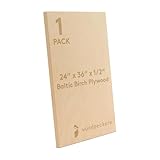
Alright, let’s talk about a b birch plywood. For years, I’d see it everywhere – recommended for everything from shop cabinets to fancy furniture – and I’d nod along, thinking, ‘Yeah, that’s the stuff.’ Then I bought some. And then I bought more. And then I realized most of the hype is just that: hype. It’s a decent material, sure, but it’s not some magical unicorn that solves all your woodworking problems. It’s just wood veneer glued together, and like anything, it has its quirks.
If you’re looking for a straightforward rundown on what this stuff is, what to watch out for, and whether you should actually spend your hard-earned cash on it, you’ve come to the right place. I’ve wrestled with plenty of sheets, made my share of mistakes, and learned what actually matters.
Why Birch Plywood Isn’t the Miracle Material Everyone Claims
Look, I’m not here to bash birch plywood. It’s a workhorse, and I’ve used it for countless projects. But let’s cut the corporate fluff. When people talk about a b birch plywood, they often paint a picture of a perfect, flaw-free panel that’s easy to work with and looks like solid hardwood.
That’s rarely the full story. I remember my first attempt at making a set of drawers for my workshop. I went for a ‘premium’ birch plywood, expecting it to cut cleanly and hold screws like a champ.
What I got was a panel with a few voids in the core, a veneer that chipped easily when I tried to trim an edge, and a total bill that made me wince. I ended up having to reinforce the corners and fill some gaps – extra work that ate into my time and sanity.
The core issue is that not all birch plywood is created equal. The ‘A’ grade veneer on the face means it’s supposed to be pretty, but the ‘B’ grade in the middle, and whatever’s underneath that, can be a crapshoot. You’re buying a layered product, and the quality of those inner layers dictates how well it performs. If the glue lines are messy, or there are big voids, you’re going to have problems down the line, especially with structural integrity or if you plan on doing any kind of detailed joinery.
People also rave about its stability. And yeah, it’s more stable than solid wood in terms of warping. But it’s not immune to moisture, and if you get it wet, it can delaminate. I’ve seen it happen. A leaky roof in my shed project meant a whole sheet of otherwise good-looking birch plywood started to bubble and separate. So, while it’s a decent choice for many applications, don’t treat it like it’s indestructible or a direct substitute for solid wood in every single scenario. Understand its limitations, and you’ll have a much better experience.
What to Actually Look for When Buying Birch Plywood
This is where the rubber meets the road. You can’t just grab any old sheet of a b birch plywood and expect perfection. You need to be a bit of a detective. First off, know your grades.
The A/B rating you see is a bit of a shorthand. For the face veneer (the ‘A’), you’re looking for a smooth, consistent grain, free of significant knots, patches, or discoloration.
It should be sanded well. The ‘B’ side, and the core layers, are where you might find imperfections. The ‘B’ usually means it’s still usable and sanded, but might have some small knots or repairs. (See Also: Can A 4x8 Plywood Fit In A Honda Pilot )
The real trick is to peek at the edges of the panel. Look for as few voids as possible in the core layers. Big, black empty spaces are bad news. They mean the panel is weaker and more prone to chipping or delamination.
Another thing to check is the glue. While you can’t always see the glue, a reputable manufacturer will use good quality, water-resistant adhesives, especially if the plywood is intended for anything beyond a dry interior. For most shop projects, standard interior glue is fine, but if it’s going anywhere that might see moisture, look for something rated for exterior use or at least water-resistance. Feel the surface too. A good quality birch plywood should feel smooth, not fuzzy or rough, indicating it’s been well-sanded.
Panel thickness is also key. Plywood comes in various thicknesses, usually measured in millimeters. Common sizes are 3mm, 6mm, 12mm, 18mm, and 25mm. For structural projects, like cabinet carcasses or shelving that needs to hold weight, you’ll want thicker panels, typically 18mm or 25mm. For drawer bottoms or smaller decorative pieces, thinner might suffice. Don’t just assume a standard thickness. Always verify. I once bought 12mm when I really needed 18mm, and the shelves sagged like a sad cartoon character. My own fault for not double-checking the spec sheet, but a good lesson learned.
Lastly, consider the source. Local lumberyards or dedicated woodworking suppliers are generally a better bet than big box hardware stores. The staff are usually more knowledgeable, and the inventory might be better hand-picked. Big box stores can be hit-or-miss; you might find a gem, or you might find warped, damaged sheets. My personal rule is to inspect every single sheet before I buy it, no exceptions.
Common Mistakes People Make with Birch Plywood
You’d think working with plywood would be straightforward, but people mess it up constantly. The biggest mistake I see, and one I’ve made myself, is not accounting for the core. You might have a beautiful A-grade face, but if the core has voids, your screws will pull out easily, or the edge might blow out when you try to rout it. This is especially true if you’re trying to join pieces using pocket holes or edge banding. Those voids just don’t offer much holding power. It’s like trying to screw into Swiss cheese.
Another common blunder is not using the right tools for cutting. Plywood, especially with a birch veneer, can chip and tear. Trying to cut it with a dull blade on a circular saw is a recipe for frustration and ugly edges. You need sharp blades designed for cutting plywood, and often, a scoring cut or a bit of masking tape along the cut line can help prevent tear-out. I remember trying to make precise cuts with an old, beat-up blade. The edges looked like they’d been chewed by a beaver. It took me an extra hour to sand and clean them up, and they still weren’t perfect. Investing in good blades is a must if you work with plywood regularly.
People also tend to underestimate the importance of sanding and finishing. Just because it’s plywood doesn’t mean it’s ready to go. The sanding required for a good finish on birch can be significant, especially if you’re going for a high-gloss look. Starting with 120-grit and working your way up to 220 or even 320-grit is usually necessary. And don’t forget edge treatment. Simply leaving the exposed core edges raw looks unfinished and can snag. Edge banding, a good primer, or even a carefully applied filler can make a huge difference. I’ve seen projects that were otherwise well-built look cheap because the edges were left untreated. It’s a small detail that has a massive impact on the final presentation.
Finally, there’s the issue of over-reliance. Birch plywood is great, but it’s not always the best material for every single part of a project. For instance, if you need something super strong and resistant to moisture, like a workbench top that’s going to get abused, solid butcher block or a properly sealed MDF might actually be a better choice. Using birch plywood everywhere without considering its specific strengths and weaknesses is a common oversight.
Real-World Use Cases and My Verdicts
So, where does a b birch plywood truly shine? For me, it’s shop furniture. Cabinets, tool chests, jigs, workbenches – these are areas where its stability and reasonable cost make it a fantastic choice. The surfaces might get scratched, but that’s part of a workshop’s charm, right? You don’t need a flawless, furniture-grade finish for your tool drawers. (See Also: Can Bondo Be Applied To Plywood )
It’s also a solid option for cabinet carcasses. The sides and backs of kitchen or garage cabinets made from 18mm birch plywood are sturdy and hold up well. I’ve built several sets of kitchen cabinets with it, and they’ve been holding up for years without any issues. For the doors, though, I usually opt for something a bit more refined, like solid wood or MDF painted to a high standard, depending on the client’s budget and desired look.
When it comes to furniture for living spaces, like bookshelves or entertainment units, it can work, but you need to be picky. You’ll want the best grade birch plywood you can find, and be prepared to put in extra work on the edges and finishing. I’ve used it for side tables and coffee tables, but always with a strong emphasis on the edge treatment and a durable clear coat. The face veneer can look quite nice, almost like solid birch, but you have to be mindful of its susceptibility to dents and scratches compared to solid wood.
Here’s a quick rundown of where I lean:
| Application | Verdict on Birch Plywood | Why |
|---|---|---|
| Shop Cabinets/Jigs | Excellent | Durable, stable, cost-effective. Doesn’t need a show-quality finish. |
| Cabinet Carcasses (Kitchen/Bath) | Very Good | Strong, stable, and easy to assemble. Handles hardware well. |
| Furniture (Living Room) | Good (with caveats) | Can look great, but requires careful selection of grade, good edge treatment, and solid finishing. |
| Drawer Boxes | Good | Sturdy and stable, but make sure you don’t over-tighten screws into the core. |
| Outdoor Projects | Avoid (unless specifically rated) | Standard birch plywood is not designed for moisture and will delaminate. |
| Fine Woodworking/Veneer Substrate | Fair to Good | Can work, but much better options exist for stability and flatness. |
My contrarian take? While many people champion birch plywood as a direct replacement for solid wood in almost all furniture applications, I disagree if you’re aiming for high-end, heirloom pieces. For that, solid wood offers a depth and character that plywood, no matter how good, can’t quite replicate. Plywood is engineered, and while it has its advantages, it’s not a magic bullet for every aesthetic or functional requirement.
Tips and Tricks for Working with Birch Plywood
Let’s talk practicalities. When you’re cutting birch plywood, especially thicker sheets, it’s always a good idea to support the offcut. If you’re using a circular saw or a table saw, let the blade exit the material smoothly. Some people like to score the cut line with a utility knife first, which helps a lot with preventing tear-out on the top surface. Another trick is to apply masking tape along the cut line. It’s a small step, but it makes a noticeable difference in the cleanliness of the edge.
For drilling, especially pilot holes for screws, go easy. Don’t crank down on your drill. If you’re using pocket hole joinery, make sure your jig is set correctly so you’re not drilling too deep into the core. If you’re screwing directly into an edge or face, pre-drilling is always a good idea. Use a countersink bit so your screw heads sit flush or slightly below the surface, which looks much cleaner and prevents snagging. I learned this the hard way with a bookshelf where the screws stuck out a millimeter too far – an absolute pain to fix later.
When it comes to finishing, think about sealing the edges first. A good quality wood filler or even a thinned-down wood glue can be used to fill any small voids on the edges. Then, a good primer is your friend. It helps create a uniform surface and prevents the face veneer from soaking up finish unevenly. After priming, sand lightly with a fine-grit sandpaper (220-grit or higher) before applying your topcoat. Multiple thin coats of finish are always better than one thick coat. Whether you’re using polyurethane, lacquer, or paint, patience and thin layers will give you the best results.
If you’re looking to edge-band plywood, use a good quality iron-on veneer edge banding. Cut it slightly long, iron it on firmly, and then trim the excess with a sharp chisel or a specialized edge banding trimmer. A flush-cut saw or a sharp block plane can also do the job. Take your time with this step; a poorly applied edge band can ruin the look of an otherwise decent project.
People Also Ask: Birch Plywood Faq
Is Birch Plywood Stronger Than Regular Plywood?
Generally, yes. Birch plywood is known for its higher density and strength due to the multiple plies of birch veneer and the consistent construction. This makes it more resistant to bending and breaking compared to standard pine or fir plywood, which often use less dense woods for their core layers. (See Also: Can Cat Plywood Be Used For Exterior Siding )
Can You Paint Birch Plywood?
Absolutely. Birch plywood takes paint very well, often better than many other types of plywood due to its smooth, consistent face veneer. For the best results, make sure the surface is clean, lightly sanded, and apply a good quality primer before painting.
Is Birch Plywood Good for Furniture?
Yes, birch plywood is a popular choice for furniture, especially for cabinet carcasses, drawer boxes, and even some visible furniture parts like tabletops or shelves. Its strength, stability, and attractive grain pattern make it a versatile material, but careful finishing is key for visible surfaces.
Does Birch Plywood Need Sealing?
While it’s more stable than solid wood, birch plywood does benefit from sealing, especially if it will be exposed to moisture or heavy use. A good finish protects the surface from stains, scratches, and moisture, preventing potential issues like delamination or water damage over time.
How Do You Join Birch Plywood?
Birch plywood can be joined using standard woodworking techniques. This includes screws, nails, wood glue, dowels, biscuits, and pocket holes. For best results, pre-drilling pilot holes is recommended, especially near edges, to prevent splitting. Using a good quality wood glue in conjunction with mechanical fasteners will make sure strong joints.
The Practicalities of Birch Plywood in the Workshop
Let’s get down to brass tacks for those of us who actually spend time in a workshop. When you’re building jigs, shop cabinets, or even a workbench, you want material that’s tough, relatively inexpensive, and easy to work with. Birch plywood fits that bill for many tasks. I’ve found that for jigs, the stability is most important. A jig needs to be flat and unchanging, and a good sheet of birch plywood, even an ‘A/B’ grade, usually provides that. The smooth face is also helpful for sliding jigs and workpieces.
For tool storage, think about the weight. A cabinet made from 18mm birch plywood will be substantial. This is good; it means it can handle the weight of tools without sagging. However, it also means you might need help mounting it on the wall. When I built my French cleat system and attached cabinets to it, I made sure the cabinets themselves were reinforced where the cleats attached. Overkill? Maybe. But I don’t want a cabinet full of wrenches suddenly deciding to make a bid for freedom.
One area where I’ve seen a lot of debate is using birch plywood for workbench tops. Some swear by it, especially laminated sheets for a super-thick, durable surface. My experience is mixed. While it’s certainly a viable option, especially if you’re on a budget, it’s not as forgiving as a solid wood top. Dents and scratches are more likely, and repairs can be trickier. If your workbench is going to be a pristine surface for detailed assembly, you might want to consider alternatives. If it’s going to be a workhorse for cutting, sanding, and general assembly, then a well-finished birch plywood top can serve you admirably. Just be prepared for it to show wear and tear.
The sheer availability of birch plywood, from thin 3mm sheets to thick 25mm panels, makes it incredibly versatile. Need a thin backer for a picture frame? Got it. Need a sturdy shelf that can span a few feet? Got that too. This range is its superpower. It means you can often find a single material that can serve multiple functions within a single project, simplifying your shopping list and your process. Just remember to always check the quality of the core, no matter the thickness. That’s the real determinant of how well it will perform under stress.
Verdict
So, there you have it. A b birch plywood is a solid, versatile material, but it’s not without its flaws. Don’t expect miracles, and always inspect before you buy. Understand its strengths for shop projects and cabinet carcasses, and its weaknesses when it comes to high-end furniture or moisture exposure.
If you’re building something for your workshop, or need a reliable material for cabinet interiors, it’s a fantastic choice that won’t break the bank. Just remember to use sharp tools, be mindful of those core voids, and a little extra effort in sanding and finishing goes a long way.
Next time you’re at the lumberyard, take a good look at those sheets. You’ll start seeing the subtle differences, and you’ll be able to pick out the good stuff from the mediocre. Happy building!