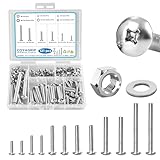
I remember staring at a pile of assorted nuts and bolts in a dusty auto parts store, feeling completely overwhelmed. I was trying to fix a sticky brake caliper on my old Honda Civic, and the mechanic on the phone just said, “You need a new caliper bolt.” Easy for him to say. For a DIYer like me, it felt like a riddle.
Turns out, that tiny piece of metal is more important than you might think. It’s not just any bolt; it’s a specialized fastener that keeps your entire braking system from falling apart. Seriously.
If you’ve ever wondered what makes your car stop reliably, or if you’re staring at your own toolbox full of mystery hardware, let’s break down what exactly a caliper bolt is, and why it’s worth knowing about.
The Humble Hero: What Exactly Is a Caliper Bolt?
Let’s get this straight from the jump: a caliper bolt isn’t some fancy, high-tech gizmo. It looks, for all intents and purposes, like a pretty standard bolt. But its job is anything but standard. Think of it as the unsung hero of your braking system.
Its primary function is to securely hold the brake caliper in place against the brake rotor. The brake caliper itself is the device that houses the brake pads, and when you hit the brakes, hydraulic fluid pushes pistons that force these pads to clamp down on the spinning rotor, slowing your vehicle to a halt.
That clamping action generates a massive amount of force, and the caliper bolt is the linchpin that keeps the whole operation stable and safe.
There are typically two main types you’ll encounter when dealing with brake calipers. The first are the slider pins, often called guide pins or guide bolts. These are usually found on floating caliper designs, which are the most common type. They are often threaded into the caliper bracket and allow the caliper itself to slide back and forth. This sliding action is important because as the brake pads wear down, the caliper needs to adjust its position to maintain even contact. These slider pins are often coated in a rubber boot to keep out dirt and moisture, and they’re typically lubricated with a special high-temperature grease. If these get gunked up or seize, your brakes can feel sticky or uneven.
The second type are the actual caliper mounting bolts, sometimes referred to as anchor bolts or bracket bolts. These are the beefier bolts that hold the entire caliper bracket (which the slider pins often attach to, or the caliper directly in fixed caliper designs) to the steering knuckle or suspension components. These are the ones that bear the brunt of the braking force.
They need to be incredibly strong and precisely manufactured to withstand the vibration, heat, and sheer force involved in stopping a car. They are often made from high-strength steel and are usually torqued to very specific values to prevent them from coming loose.
Stripping one of these, or using the wrong grade of bolt, is a recipe for disaster. I once had a friend try to use a Grade 5 bolt to replace a lost caliper bolt on his truck because it looked “about the same.” The braking performance was terrifyingly unpredictable, and it rattled loose after only a few miles. Never, ever skimp on these.
The key takeaway is that while they might look generic, caliper bolts are engineered for a specific, high-stress job. They’re not interchangeable with just any bolt from your junk drawer. The material, the threading, the strength rating – it all matters immensely for your safety.
What to Look for When Buying a Caliper Bolt
Alright, so you’ve determined you need a new caliper bolt, or maybe you’re just stocking up. What makes a good one? It’s not rocket science, but there are a few things to keep your eyes peeled for. First off, and I can’t stress this enough, know your vehicle. Make, model, year, and even the specific trim level can mean different caliper designs. What fits a 2015 Ford F-150 might be completely wrong for a 2018 Toyota Camry. Don’t guess. Use a reputable parts catalog – either online or at your local auto parts store – and enter your vehicle’s information precisely. This is your first line of defense against buying the wrong part.
Once you’ve identified the correct part number or description, look at the specifications. Most caliper bolts, especially the mounting bolts, will be made of high-strength steel. You might see terms like ‘Grade 8’ or ‘Class 10.9’ for mounting bolts. These are industry standards for strength. For slider pins, you’re often looking for specific coatings – like zinc plating – to resist corrosion, and you want to make sure they come with new rubber boots if the old ones are cracked or torn. The boots are key for keeping dirt and water out, which can lead to seized pins and uneven braking. (See Also: Can I Buy A Full Auto Bolt Carrier )
When you’re looking at aftermarket options, pay attention to the brand. While some generic brands are perfectly fine, sticking with well-known automotive parts manufacturers can give you peace of mind. I’ve had decent luck with brands like Dorman, Brembo (if you’re feeling fancy, though often overkill for just bolts), and even some of the store brands from major auto parts chains. However, I’ve also encountered cheap, no-name bolts that felt flimsy or had poorly cut threads. My personal rule of thumb is if it feels too light or the threads look rough, I pass. It’s not worth saving $5 to risk your brakes.
Consider buying them in pairs or as a kit. Caliper mounting bolts almost always come in pairs, and it’s generally recommended to replace them in pairs on the same axle. If one is worn or weakened, the other likely is too. Slider pins are often sold individually or in sets of two. If you’re doing a brake job, it’s often wise to replace the slider pins and their boots at the same time, as they are a common source of brake issues. Some kits will even include the necessary grease, which is a nice bonus, though I often prefer to use a specialized high-temperature silicone brake grease that I know is good.
Finally, don’t be afraid to ask questions at the counter if you’re buying in person. A good parts counter person can help you navigate the options and might even have insights into which brands tend to hold up best for your specific vehicle model. It’s better to ask than to end up with a part that’s “close enough” but not quite right.
Caliber Bolt Specifications: A Quick Glance
| Type | Typical Material | Key Feature | Common Strength Grade | My Verdict |
|---|---|---|---|---|
| Caliper Mounting Bolt | High-Strength Steel | Thread Strength, Durability | Grade 8 / Class 10.9 | Key. Don’t compromise. |
| Slider Pin / Guide Pin | Steel with Corrosion-Resistant Coating | Smooth Movement, Boot Integrity | N/A (Focus on coating & boot) | Replace if worn or boots are torn. |
| (Rare) Fixed Caliper Bolt | High-Strength Steel | Extreme Strength, Precision | Grade 8+ / Class 12.9+ | Only for specific performance applications. |
Common Mistakes When Dealing with Caliper Bolts
You’d think a bolt is a bolt, right? Wrong.
I’ve seen people mess this up in ways that range from mildly annoying to downright dangerous. The most common blunder I see is using the wrong grade of bolt or, worse, a standard hardware store bolt.
I touched on this earlier, but it bears repeating. Caliper bolts, especially the ones holding the caliper bracket, are subjected to incredible forces and vibrations.
A standard bolt might look similar, but it simply doesn’t have the tensile strength or fatigue resistance. It can stretch, shear, or simply vibrate loose, leading to brake failure. I’ve heard horror stories of wheels coming off because a mounting bolt failed.
Stick to bolts specifically designed for automotive brake applications, usually marked with high-strength ratings.
Another mistake is reusing old bolts. Caliper mounting bolts are often torque-to-yield, meaning they are designed to be tightened to a specific torque and angle, and they stretch slightly in the process. Reusing them can lead to inaccurate clamping force, and they might not hold their torque properly over time. It’s also common for them to develop microscopic cracks from repeated stress, which can lead to catastrophic failure. They’re relatively inexpensive compared to the cost of a brake job or, heaven forbid, an accident. Just buy new ones. It’s a small price to pay for safety.
For slider pins, the mistake is almost always neglecting the boots or the lubrication. These pins allow the caliper to float, and if they seize due to rust or lack of lubrication, the brake pad won’t retract properly. This can cause the brakes to drag, leading to premature wear, overheating, and a spongy brake pedal.
People often forget to clean off old, crusty grease and just slap a new boot on, or they don’t use the correct brake grease. Regular automotive grease will break down under the heat of the brakes.
You need a high-temperature silicone-based brake lubricant. I once saw a guy just spray WD-40 on his slider pins. That might work for about a week before it dries out and attracts all sorts of gunk. (See Also: Are Mercruiser 5 7 Engines Four Bolt Mains )
It’s like putting lipstick on a pig – looks good for a second, then fails spectacularly.
People also often overtighten or undertighten the bolts. Overtightening can strip the threads in the caliper bracket or the knuckle, leading to costly repairs. It can also pre-stress the bolt, making it more prone to failure. Undertightening is even worse, as the bolt can vibrate loose, leading to uneven braking, noise, and eventually, the bolt falling out entirely. Always use a torque wrench and follow the manufacturer’s specified torque values. This isn’t a ‘tighten until it feels right’ situation. Precision is key here. I’ve learned the hard way that ‘eyeballing’ torque on important components is a fool’s errand.
Lastly, there’s the issue of mixing parts. Using a bolt from one caliper on another, or using mismatched slider pins, can throw off the caliper’s alignment and its ability to function correctly. Every component in the braking system is designed to work together. Don’t treat the caliper bolt as an isolated part; it’s part of a carefully engineered system.
Real-World Use: When and Why You’ll Be Replacing Them
So, when does a caliper bolt actually need replacing? Most of the time, it’s not the bolt itself that fails, but rather the associated components that necessitate its removal and often, its replacement. The most common scenario is when you’re performing a brake job. Whether you’re replacing worn brake pads, rotors, or the entire caliper, you’ll inevitably have to unbolt the caliper. As I mentioned, it’s good practice to replace the caliper mounting bolts every time you remove them. They are often coated with a thread locker from the factory, and trying to reuse them can compromise their integrity. Plus, they’re relatively cheap insurance.
Another reason is seized or damaged slider pins. If you notice your car pulling to one side when you brake, or if you have a brake pad that’s wearing unevenly, or even if a wheel feels unusually hot after driving, seized slider pins could be the culprit. When you go to service these, you’ll often find the old pins are corroded, the boots are torn, or the threads are damaged. In these cases, you’ll need to replace both the slider pins and their boots.
Sometimes the caliper bracket itself can be damaged by a seized pin, requiring replacement of that component as well. I had a situation where a caliper slider pin was completely seized in the bracket. I ended up having to use a slide hammer and heat to get it out, and by the time I did, the threads were mangled. New pins and a new bracket were in order.
Corrosion is a big enemy of caliper bolts, especially in areas with harsh winters and road salt. Over time, rust can weaken the bolt, and it can also seize the slider pins within their bores. If you live in a rust-belt state, inspecting your caliper bolts and slider pins regularly is a smart move. A visual inspection can reveal surface rust, but it’s often the internal corrosion that causes problems. If you see significant rust or pitting, it’s a good idea to replace them preventatively.
Accidents, even minor fender benders, can also damage caliper bolts or the components they attach to. A hard impact can bend or break a mounting bolt, or damage the threads in the bracket or knuckle. If you’ve been in an accident, even if the damage seems minor, it’s wise to have a mechanic inspect the brake components for any signs of stress or damage.
Finally, there are performance upgrades. If you’re upgrading to larger rotors, different brake pads, or a more powerful caliper, you might need specialized caliper mounting hardware. This is less about replacement due to failure and more about making sure compatibility and optimal performance with the new components. These can be more expensive but are designed to handle the increased demands of a performance braking system.
Tips and Tricks for Caliper Bolt Maintenance
Let’s talk about keeping these little guys happy. First off, cleanliness is key. When you’re working on your brakes, take the time to thoroughly clean the caliper bracket and the bores where the slider pins sit. Use a wire brush to remove any rust or debris. A clean surface makes sure that the slider pins can move freely and that new bolts will thread in properly without cross-threading. I always keep a can of brake cleaner and a few rags handy. It makes a world of difference.
Speaking of slider pins, lubrication is a must. Use a high-temperature silicone-based brake lubricant. This stuff is specifically designed to withstand the heat generated by braking and won’t break down like regular grease. Apply a thin, even coat to the slider pins themselves, not the boots. You want them to glide smoothly, not be caked in grease that will attract dirt. And don’t forget to inspect the rubber boots for any cracks or tears. If they’re damaged, they need to be replaced to prevent contaminants from reaching the pins. A torn boot is an invitation for rust and seized pins.
When it comes to torque, invest in a good torque wrench. Seriously, this is one tool that’s worth every penny for anyone who does their own car maintenance. Caliper mounting bolts need to be torqued to the manufacturer’s specifications. Look up the torque values for your specific vehicle online or in a repair manual. Undertightening can lead to loosening, and overtightening can strip threads or damage the bolts. There’s a sweet spot, and a torque wrench helps you find it every time. (See Also: Can Am Merverick X3 Max Xrs Wheel Bolt Pattern )
Consider using a thread locker on caliper mounting bolts if the manufacturer specifies it or if you’re experiencing persistent loosening issues (though this usually indicates a bigger problem). Blue Loctite is a common choice for many automotive applications. It helps prevent vibration from loosening the bolt but still allows for reasonable disassembly with a wrench. Avoid red Loctite unless specifically instructed, as it’s very strong and can make future removal a nightmare.
If you live in a region with harsh weather and road salt, consider preventative replacement. If your car is getting older and you’re doing a brake job, it’s not a bad idea to replace the caliper mounting bolts and slider pins even if they don’t look terrible. The small cost upfront can save you from dealing with seized components or a loose bolt down the road. I tend to be more aggressive with replacement in my area because the salt really eats away at metal parts.
Finally, always buy quality replacement parts. I’ve learned the hard way that saving a few bucks on cheap bolts can cost you a lot more in the long run, whether it’s through premature wear, additional repairs, or safety risks. Stick to reputable brands that are designed for automotive use. Your brakes are too important to skimp on.
Frequently Asked Questions About Caliper Bolts
What Is the Difference Between a Caliper Bolt and a Lug Bolt?
A caliper bolt is a specialized fastener used to secure the brake caliper to the brake bracket or knuckle. It’s part of the braking system. A lug bolt, on the other hand, is used to attach the wheel to the hub. They serve entirely different purposes and have different designs and strength requirements.
Can I Reuse My Old Caliper Bolts?
Generally, no, it’s not recommended. Caliper mounting bolts are often designed to be torque-to-yield, meaning they stretch slightly when torqued to spec. Reusing them can lead to improper clamping force and a higher risk of them loosening over time. It’s best practice to replace them whenever they are removed, especially the main mounting bolts.
What Happens If a Caliper Bolt Comes Loose?
If a caliper bolt comes loose, it can lead to several dangerous issues. You might experience severe brake noise, uneven braking, a spongy brake pedal, or the caliper could detach completely from the bracket, resulting in a catastrophic loss of braking power on that wheel. This is a serious safety hazard.
Are Caliper Bolts Universal?
No, caliper bolts are not universal. They are specific to the make, model, year, and even the brake system design of your vehicle. The size, thread pitch, strength rating, and length will vary significantly between different vehicles and even between different axles or caliper types on the same vehicle. Always use the correct part number for your application.
How Often Should Caliper Bolts Be Replaced?
Caliper mounting bolts are typically replaced each time they are removed during a brake service. Slider pins and their boots should be inspected regularly (e.g., during every brake pad change) and replaced if they show signs of wear, corrosion, or damage to the boots. They don’t have a strict mileage-based replacement interval but are serviced based on condition.
Final Thoughts
So, there you have it. A caliper bolt might seem like a simple piece of hardware, but it’s a important component that keeps you safe on the road. Don’t just grab the cheapest thing you can find or assume any bolt will do. Your brakes are the most important safety feature on your car.
Next time you’re under there doing any brake work, or even just hear a strange noise, take a moment to inspect those bolts and pins. A little bit of attention now can prevent a whole lot of trouble – and potential danger – later on.
If you’re ever in doubt about the condition of your brake system, or if you’re not comfortable tackling the job yourself, take it to a trusted mechanic. Because when it comes to stopping power, there’s no room for error with a caliper bolt.