You’re standing in your basement, staring at that dark, damp corner. Maybe it smells a little musty. Or maybe you just had a tiny trickle of water after that last heavy rain, and it sent a cold dread down your spine. The question pops into your head: ‘Am I legally required to install a sump pump?’ Honestly, the legal stuff is complicated and depends on where you live, but let me tell you, sometimes the ‘requirement’ isn’t written in a law book. It’s written in the soggy drywall and the mold creeping up your foundation.
I’ve been there. Wasted money on fancy dehumidifiers that barely made a dent, and learned the hard way that a little bit of water is a whole lot of trouble down the line. So, let’s cut through the noise. You want to know if you NEED one, and if so, what kind, and what happens if you don’t have one.
When the Law Might Say ‘yes’ (and When It Doesn’t Care)
Look, the absolute, no-bones-about-it legal requirement for a sump pump is surprisingly rare. Most places aren’t going to send the police to your house if you don’t have one installed. Generally, if your house is built to code, it passed inspection without one, and there are no specific local ordinances dictating it, you’re not technically breaking a law by not having one. Think about it: millions of homes exist without them and have for decades. They’re not mandated for everyone like, say, having working smoke detectors.
However, this is where it gets murky. Building codes are designed to prevent structural damage and health hazards. If your municipality has specific rules about groundwater management or flood prevention that imply a need for a sump pump in certain situations – like if you’re building a new home in a known flood zone, or if you’re undertaking a major renovation that affects drainage – then it might become a requirement. This is less about a direct ‘you must have a sump pump’ and more about ‘your construction must meet these drainage standards,’ which often translates to a pump in a low-lying area.
The real ‘requirement’ often comes from your mortgage lender or your homeowner’s insurance company. If you’re in an area prone to flooding, or if your basement is finished and considered valuable living space, they might insist on a sump pump as a condition of your loan or policy. They’re not trying to be bullies; they’re trying to protect their investment. A flooded basement can lead to tens of thousands of dollars in damage, and insurance companies are very aware of that risk.
So, while the town hall might not be knocking, your bank or insurer might be. It’s worth checking with your local building department and your insurance agent just to be absolutely sure. Don’t just assume.
I’ve seen people get blindsided when they tried to refinance and the appraisal flagged the lack of a sump pump in a flood-prone area.
How the Heck Does a Sump Pump Even Work?
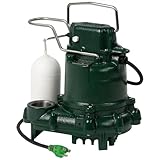
Alright, so you’ve decided you probably need one, or you’re just curious. Let’s break down how this magical box keeps your basement dry. At its core, a sump pump is a simple device. It’s a pump placed in a pit, called a sump pit, at the lowest point of your basement or crawl space. The sump pit is usually a hole dug in the floor, about 2 feet deep and 18-24 inches in diameter, often lined with gravel or perforated pipe to allow water to enter.
The magic starts with the groundwater. As rain falls or snow melts, water seeps into the ground. If your soil has poor drainage, or if the water table is high, that water can find its way into your basement through cracks in the foundation or floor. This is where the sump pit comes in. It’s designed to collect this encroaching water. The pit acts like a basin, gathering the groundwater that would otherwise flood your lowest level.
Now, the pump itself. Most residential sump pumps are submersible, meaning they sit down in the pit. They have a float switch – think of it like the float in your toilet tank. As the water level in the pit rises, the float rises with it. When the water reaches a certain level, the float triggers the pump to turn on. The pump then sucks the water out of the pit and discharges it through a pipe, called a discharge pipe, that runs away from your house, ideally to a storm drain or a safe distance downhill. Once the water level drops, the float goes down, and the pump turns off. Simple, right?
There are a few types. The most common is the submersible pump, which I just described.
They tend to be quieter and last longer because they’re cooled by the water. Then there are pedestal pumps, where the motor is mounted above the pit on a long shaft. These are often cheaper but can be noisier and the motor is more exposed. For really heavy-duty jobs or if you have a lot of sediment in your water, you might look at a sump pump with a trash pump impeller. (See Also: Are Pumpkin Seed Husks Edible )
But for most homes, a good submersible pump is the way to go. I learned this after my first pedestal pump died way too soon from gunk in the pit.
It was a $200 lesson.
What to Actually Look for (not Just the Shiny New Toy)
Okay, so you need a sump pump. Great. Now, which one? This is where most people get overwhelmed, or worse, buy the wrong thing. Forget the fancy colors and the Bluetooth connectivity – though that’s a thing now, believe it or not. Focus on the guts. The most important spec is horsepower (HP). For a typical home, a 1/3 HP pump is usually sufficient. If you have a lot of groundwater or a larger basement, you might need a 1/2 HP or even a 3/4 HP pump. More HP means it can move more water faster, but it also uses more electricity and can be overkill if you don’t need it.
Another big one is the GPH, or gallons per hour, rating. This tells you how much water the pump can move at a certain head height (how high it has to push the water). A good 1/3 HP pump might move 2,000-3,000 GPH at a 10-foot head. Again, match this to your needs. If you’re in a flood zone with major water intrusion, you need higher GPH. If it’s just occasional dampness, a lower rating is fine. Pay attention to the discharge pipe size too – usually 1.5 inches for residential pumps. Make sure your discharge line can handle it.
Material matters. Look for cast iron or thermoplastic housings. Cast iron is more durable but heavier and can rust over time if not coated properly. Thermoplastic is lighter, rust-proof, and often more affordable. The impeller – the part that actually moves the water – should be sturdy. Some higher-end pumps have cast iron impellers. Bronze is also a good choice.
What about the float switch? This is the part that turns the pump on and off. There are tethered floats, which are common and work well. Then there are vertical floats, which take up less space in the pit.
Some manufacturers offer electronic sensors, which are supposed to last longer as there are no moving parts to wear out. I’ve had mixed results with those; sometimes they get confused by sediment.
A reliable tethered float has always served me well. Don’t skimp on the check valve either. This is a one-way valve installed on the discharge pipe that prevents water from flowing back into the pit when the pump turns off.
Without it, your pump will cycle on and off constantly, wearing itself out prematurely. It’s a small part, but it’s vital.
Here’s a quick breakdown of what I look for:
| Feature | My Verdict | Why |
|---|---|---|
| Horsepower (HP) | 1/3 HP (standard) to 1/2 HP (heavy duty) | Adequate for most homes; more HP means more power but also more cost and electricity. |
| GPH Rating | 2,000-3,000 GPH (minimum) | Needs to move water efficiently; higher is better for heavy water intrusion. |
| Housing Material | Cast Iron or Heavy-Duty Thermoplastic | Durability and resistance to corrosion are key for longevity. |
| Float Switch Type | Tethered or Vertical | Reliability is most important. Avoid overly complex electronic sensors if you have a lot of debris. |
| Check Valve | Always Included/Required | Key to prevent backflow and premature pump wear. |
Common Mistakes People Make (and How to Avoid Them)
Oh boy, the mistakes. I’ve made a few, and I’ve seen others make them. The biggest one, hands down, is improper installation. People think, “It’s just a pump, I can hook it up.” WRONG. A poorly installed sump pump can be worse than no sump pump at all. Forgetting the check valve is a classic. I saw a guy install a pump, but he didn’t put in a check valve. His pump ran constantly because the water kept flowing back down the discharge pipe. He burned out two pumps in a month before realizing his mistake. That’s money down the drain, literally. (See Also: Are Pumpkin Seed Acid Or Alkaline )
Another common error is not having a dedicated circuit for the pump. Sump pumps can draw a lot of power, especially when they kick on. Plugging it into an overloaded circuit or sharing it with other appliances can trip breakers or, worse, cause electrical fires. Always have it on its own circuit, preferably with a battery backup system, especially if you live in an area with frequent power outages during storms – which are also usually the times you need the pump the most.
Improper discharge is another biggie. You can’t just pump water out onto your neighbor’s lawn or directly into your septic system (that’s a big no-no). The water needs to be directed far enough away from your foundation so it doesn’t just seep back into the ground and end up right back in your pit. Check local codes; some areas have specific rules about discharge locations. Ideally, it should go to a municipal storm drain or a dry well designed to handle the volume. Also, make sure the discharge pipe has a way to drain itself when the pump is off, usually through a small weep hole near the pump or the check valve, to prevent freezing in winter.
People also forget about maintenance. These aren’t ‘set it and forget it’ devices.
Debris can clog the pump or the pit. The float switch can get stuck. They need to be checked regularly.
I like to test mine by pouring a bucket of water into the pit every few months. Listen to it run, make sure it kicks off. Clean out any leaves, dirt, or other gunk that accumulates.
A little bit of preventative care can save you from a flooded basement and a much larger repair bill down the road. I once had a pump fail because a rogue plastic bag from a storm got sucked into the impeller. It was a mess, and entirely preventable with a quick pit check.
Real-World Use: My Sump Pump Saga
My first house had a basement that was, shall we say, enthusiastically damp. It wasn’t a torrent, but after any significant rain, I’d get puddles near the foundation walls. The previous owner had installed a basic sump pump, but it was old, noisy, and frankly, I didn’t trust it. One particularly brutal spring, we had days of non-stop rain. The water table rose, and my old pump just couldn’t keep up. I woke up one morning to find about an inch of water spread across about half my basement floor. The smell of mildew hit me like a ton of bricks.
That was it. I went straight to the hardware store, bought a beefier 1/2 HP submersible pump with a decent GPH rating, and a battery backup system. Installation wasn’t too bad, but I double-checked everything – the check valve, the discharge line, the dedicated breaker. It cost me about $400 all-in, including the backup. For the next five years, that pump was my silent guardian. During heavy storms, I’d sometimes hear it kick on, a reassuring sound that meant my belongings and my home’s structure were safe. The battery backup kicked in once during a widespread power outage, and it worked like a charm, keeping the water at bay until the power came back on.
The biggest surprise for me wasn’t that it worked, but how much peace of mind it provided. Before, I’d lie awake during storms, worrying about water. After, I slept soundly. It felt like a weight had been lifted. The cost of the pump and the backup was a fraction of what a major water damage cleanup would have cost, not to mention the hassle and the permanent musty smell that never truly goes away. It’s one of those things you hope you never need, but you’re incredibly grateful you have when the time comes. I will never own a house without one now, especially if it has a basement or crawl space.
A Few Practical Tips for a Dry Basement
Beyond the pump itself, there are a few other things you can do to keep your basement dry. First, and this is important, make sure your gutters and downspouts are in good shape and that your downspouts extend well away from your foundation. Clogged gutters are a prime culprit for sending too much water directly to your foundation. Aim for at least 5-10 feet away from the house for your downspout extensions. This simple step can dramatically reduce the amount of water your sump pump has to deal with.
Secondly, consider your landscaping. The ground around your house should slope away from the foundation. If you have low spots where water pools near the walls, it’s going to find its way in. You might need to add soil or regrade the area. This is especially important if you have a finished basement; you don’t want that precious finished space becoming a water trap. (See Also: Are Organic Pumpkin Seeds From China Bad )
Third, think about waterproofing your foundation. While a sump pump is your first line of defense against groundwater, addressing the source of the water intrusion is also important. This could involve sealing cracks in your foundation walls or floor, or even installing exterior waterproofing membranes if the problem is severe. A sump pump can handle a lot, but it’s not a magic bullet for a fundamentally flawed foundation. It’s a system, and all parts need to work together.
Finally, don’t forget about sump pump insurance or warranty. Many manufacturers offer warranties, and some home insurance policies offer riders for sump pump failure or power outages. It’s an extra layer of protection that can save you a lot of money and headaches if something goes wrong with your pump during a important time. I always opt for the extended warranty if it’s reasonably priced; it gives me that extra bit of confidence.
Frequently Asked Questions About Sump Pumps
Do I Need a Sump Pump If I Don’t Have a Basement?
If you have a crawl space, you absolutely should consider a sump pump. Crawl spaces are often just as susceptible to groundwater intrusion as basements, and moisture in a crawl space can lead to mold, rot, and structural issues. Even if it’s not legally required, it’s a wise investment for the health and integrity of your home.
Can I Just Use a Portable Sump Pump?
Portable sump pumps can be useful for temporary situations, like during a flood cleanup or for a small area. However, they are generally not a reliable long-term solution for regular groundwater management. They require constant monitoring, manual operation, and can be easily overwhelmed. A permanently installed sump pump with a reliable float switch and backup power is the proper way to manage persistent water issues.
How Often Should I Test My Sump Pump?
You should test your sump pump at least every 3-6 months. A simple test involves pouring a bucket or two of water into the sump pit to raise the water level and trigger the pump. Listen to it run, check that it discharges water, and make sure the float switch operates correctly. Also, visually inspect the pit for debris and make sure the discharge line is clear. This regular maintenance is key to preventing a failure when you need it most.
What Happens If My Sump Pump Fails?
If your sump pump fails, water will begin to accumulate in the sump pit. If the water level rises high enough and your pump isn’t working, it can overflow the pit and flood your basement or crawl space. This can lead to significant water damage, mold growth, and structural issues. This is why a battery backup system or a water-powered backup pump is highly recommended, especially in flood-prone areas or places with unreliable power grids.
How Much Does a Sump Pump Cost to Run?
The cost to run a sump pump varies depending on its horsepower, how often it runs, and your local electricity rates. A typical 1/3 HP pump running intermittently might cost anywhere from $5 to $15 per month on average. However, during prolonged wet periods or power outages (if relying on a backup generator), the cost could be higher. The investment in a pump is usually far less than the cost of repairing flood damage.
Conclusion
So, to circle back to that nagging question: am I legally required to install a sump pump? In most cases, the answer is likely no, not by a direct law. But the ‘requirement’ can absolutely come from your lender, insurer, or simply from the common sense understanding that a dry basement is a healthy basement. Ignoring potential water issues because there isn’t a specific law forcing your hand is a gamble I wouldn’t take.
My advice? Don’t wait for the water to show up. If you have a basement or crawl space, especially in an area with clay soil, high water tables, or even just a lot of rain, do yourself a favor and get a reliable sump pump system installed. Factor in a battery backup; it’s cheap insurance. The peace of mind alone is worth it, and the cost is pennies compared to fixing a flooded home.
Don’t get caught out. Assess your risk, talk to professionals if you’re unsure, and make the smart move to protect your property. You’ll thank yourself the next time the skies open up.