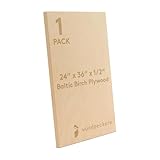
I remember the first time I saw a project built with what the maker proudly called ‘am plywood’. It looked… fine. Like any other decent piece of plywood, really. But the spiel around it was something else – revolutionary, eco-friendly, stronger than oak. I bought into it, of course. Who wouldn’t want a magic material that solves all your woodworking problems? Well, that’s where the disappointment started. This isn’t some miracle substance; it’s just plywood, and understanding what makes it different, if anything, is key to not wasting your hard-earned cash.
The marketing machine around am plywood can be deafening. It’s painted as the ultimate solution for everything from furniture making to structural framing. But after years of fiddling with wood, from cheap pine to exotic hardwoods, and yes, various types of specialized plywood, I’ve learned a thing or two. What you’re really getting is often just a familiar product with a fancy new label, and a hefty price tag to match.
The Truth About What ‘am Plywood’ Actually Is
Let’s cut through the noise. When people talk about ‘am plywood,’ they’re usually referring to plywood that has undergone some kind of enhanced manufacturing process or treatment. The ‘am’ part is often a proprietary designation from a specific manufacturer, or it could denote a particular quality standard or a blend of wood species. The core of it, however, is still plywood – thin layers of wood veneer, glued together with the grain of adjacent layers oriented at right angles. This cross-graining is what gives plywood its strength and stability compared to solid lumber.
What makes one ‘am plywood’ different from the next, or from your standard birch or pine ply, often comes down to a few key factors. First, the quality of the veneers used. Are they rotary-cut hardwood? Are they from a sustainably managed forest?
The marketing will tell you ‘yes’ to everything. Second, the type of adhesive.
Some higher-end plywoods use exterior-grade, formaldehyde-free adhesives, which is a big win for indoor projects and for the environment. This is where some of the ‘eco-friendly’ claims might hold water.
Third, the number of plies. More plies generally mean a stronger, more stable sheet, less prone to warping.
Finally, the finishing. Some ‘am plywood’ might come pre-sanded to a very fine grit or even have a protective coating already applied.
I once bought a sheet of what was advertised as ‘premium am plywood’ for a custom cabinet build. It cost me nearly double a standard piece of birch ply.
When I unrolled it, it looked identical. The edges were clean, yes, and the surface was smooth. But when I started cutting, it behaved exactly like any other good quality birch plywood I’d used before. There was no magical ease of cutting, no dust that was less irritating.
It was solid, it was stable, and it held screws well, just like my usual go-to ply. The ‘am’ factor, in that instance, seemed to be mostly marketing fluff designed to justify a higher price point. The real differentiator, I’ve found, is less about a fancy name and more about the underlying specifications: the wood species, the glue, and the construction of the sheet itself.
It’s also worth noting that the term ‘am plywood’ isn’t a universally recognized industry standard like BS 1088 for marine plywood. It’s more of a brand-specific or feature-specific term. This means you really need to dig into the product details to see what you’re actually getting. Don’t just trust the label. Look for information on the wood species used for the core and the face veneers, the type of glue (e.g., Urea Formaldehyde (UF), Phenol Formaldehyde (PF), or formaldehyde-free), and the panel grade. (See Also: Can A 4x8 Plywood Fit In A Honda Pilot )
What to Actually Look for (beyond the Fancy Name)
Forget the ‘am’ for a second and let’s talk about what makes plywood good. This is where the rubber meets the road, and where you can actually avoid getting ripped off. When I’m shopping for plywood, whether for a workbench, a shelf, or a piece of furniture, I’m looking at a few specific things that tell me more than any fancy marketing term ever could.
First up: the face veneer. This is the top layer you see. For furniture and visible projects, you want a smooth, consistent face. Birch, maple, and oak are common and look great. Fancy plywood might use exotic veneers, but often, a good grade of domestic hardwood veneer is just as effective and much cheaper. I’ve found that for projects where I’m going to paint or veneer over the surface, the grade of the face doesn’t matter as much, and I can save money by opting for a lower grade (like C or D). For exposed surfaces, I look for an A or B grade, meaning fewer knots and a smoother finish.
The core is just as important, if not more so. This is the stack of inner plies. You want to avoid cores with large voids or gaps. These weak spots can lead to blowouts when you screw into the material and reduce overall strength. Plywood is graded based on the quality of its veneers, and you’ll often see combinations like ‘AC’ or ‘BC’. The first letter is the face grade, the second is the back. A core grade (like 2 or 3) is also often specified, indicating the quality of the inner plies. For structural projects, you want a solid, void-free core. For decorative projects where stability is key, like cabinet doors, a multi-ply hardwood core is usually best.
The glue line is another big one. For anything that might be exposed to moisture, even indirectly, you need exterior-grade glue (typically Phenol Formaldehyde, or PF). Interior glue (Urea Formaldehyde, UF) will break down over time with humidity changes. Many ‘am plywood’ products will boast about formaldehyde-free adhesives, which is great for indoor air quality. This is a legitimate selling point if you’re sensitive to VOCs or building for a nursery. However, don’t confuse ‘formaldehyde-free’ with ‘exterior grade’ unless the manufacturer explicitly states it’s also waterproof.
Here’s a quick rundown of what I typically look for, depending on the job:
| Project Type | Face Grade | Back Grade | Core Quality | Glue Type | Verdict |
|---|---|---|---|---|---|
| Cabinet Carcasses (hidden) | C/D | C/D | Standard (may have minor voids) | Interior (UF) | Budget-friendly, functional. |
| Cabinet Doors/Furniture (Painted) | C/D | C/D | Solid Core (few voids) | Interior (UF) or Formaldehyde-Free | Good balance of cost and finishability. |
| Cabinet Doors/Furniture (Veneered/Clear Coat) | A/B | A/B | Hardwood Core (void-free) | Formaldehyde-Free or Exterior (PF) | Premium finish, best stability. |
| Outdoor Structures (Sheds, etc.) | C/D | C/D | Solid Core | Exterior (PF) | Durability is key. Don’t skimp here. |
| Marine Applications | B/BB | B/BB | Hardwood Core (void-free) | Exterior (PF) – BS 1088 Certified | Absolute must for water resistance and strength. |
When I first started out, I thought any plywood was good plywood. Then I built an outdoor bench with interior-grade ply. After one rainy season, it looked like a soggy, delaminated mess. Lesson learned. You’ve got to match the plywood to the application, and the ‘am’ label doesn’t automatically do that for you.
Common Mistakes When Buying Plywood
You’d think buying plywood would be straightforward, right? It’s just sheets of wood. But I’ve seen people – and been one of them – make some pretty dumb mistakes that cost them time, money, and a lot of frustration. The biggest one, by far, is letting the marketing hype around terms like ‘am plywood’ cloud your judgment. You see a fancy name, a higher price, and assume it’s automatically better without verifying what you’re actually getting.
Another common mistake is not considering the project’s requirements. I’ve seen folks use cheap, void-filled construction-grade plywood for fine furniture, and then wonder why their screws don’t hold, or the piece warps. Conversely, I’ve seen people spend a fortune on high-grade marine plywood for a simple workbench in their dry garage. It’s overkill and a waste of money. You need to ask yourself: Will this be seen? Will it get wet? Does it need to hold a lot of weight? The answers to those questions dictate the type of plywood you need, not the brand name.
Then there’s the issue of handling and storage. Plywood sheets are big and heavy. If you’re not careful, you can ding up the edges or even warp the sheets before you even start your project. I learned this the hard way when I tried to haul four 4×8 sheets of fancy cabinet-grade plywood in the back of my small pickup truck, unsecured. By the time I got them home, the edges were chipped, and the two middle sheets had a noticeable bow. Now, I always try to transport them flat, or at least supported properly, and store them flat on a level surface, ideally off the ground, to prevent moisture absorption and warping.
A mistake I’ve personally made more times than I care to admit is not inspecting the sheets before buying. Most lumber yards have a policy where you can inspect the sheets. I used to just grab the first few I saw. Big mistake. You can find sheets with significant delamination, deep gouges, or warped sections that might have been missed by the yard staff. It takes an extra five minutes, but inspecting the edges for glue squeeze-out or voids, and checking the faces for damage, can save you a lot of grief later. I’ve returned more than one sheet because of hidden defects only visible upon closer inspection.
Finally, people often underestimate the importance of the edge treatment. While you can’t do much about the internal plies, the edge of a plywood sheet is where you often join it to other pieces. If the edges are rough or have visible voids, it can be a pain to get a clean joint, especially if you plan to edge-band or stain. Some ‘am plywood’ might have nicer, more consistent edges, but this is something you can often fix with good sanding and filling techniques on standard plywood. (See Also: Can Bondo Be Applied To Plywood )
Putting ‘am Plywood’ to the Real-World Test
So, I’ve talked a big game about marketing and what to look for. But what about actually using this stuff? My experience with what’s marketed as ‘am plywood’ has been… mixed, to say the least. It’s like a lot of things in the DIY and maker world – the reality often falls short of the hype.
Take the claim of superior strength. While it’s true that plywood, by its nature, is stronger and more stable than solid wood of the same thickness, the ‘am’ designation doesn’t automatically make it stronger than another high-quality hardwood plywood.
I built a set of heavy-duty shelving units for my garage using some very specific Baltic birch plywood, which is known for its many plies and solid core. It was fantastic. Later, I experimented with a sheet of ‘premium industrial am plywood’ for a similar load-bearing application.
It performed… the same. The Baltic birch was more expensive than standard birch ply, but arguably more suited for heavy loads than some of the fancier, veneer-focused ‘am’ products that might prioritize appearance over core strength.
Another area where I’ve seen claims fall flat is on ease of use or workability. Some ‘am plywood’ is marketed as being easier to cut or sand. Frankly, unless there’s a significant difference in the wood species used or the glue composition, the cutting and sanding experience is largely dictated by your tools and technique. A sharp blade on a table saw will cut any decent plywood cleanly. A good orbital sander with the right grit will smooth any surface. If a piece of plywood is consistently difficult to work with, it’s usually a sign of low quality, not a lack of ‘am’ magic.
Where I have seen some value in specialized plywoods that might fall under an ‘am’ umbrella is in specific applications. For instance, if a product uses a truly formaldehyde-free adhesive and is specifically rated for indoor air quality, that’s a legitimate advantage for sensitive environments. Or, if a plywood is manufactured with a very consistent, void-free hardwood core and a beautiful, pre-finished face veneer, it might save you time on a high-end furniture project where appearance is most important. The challenge is that these specific benefits often come with a hefty price tag, and you have to weigh if that saved time or improved air quality is worth the extra cost compared to standard, but well-chosen, plywood.
I once tried a brand of ‘eco-friendly am plywood’ for a children’s toy box. The marketing was all about zero VOCs and sustainable sourcing. It was expensive, about $80 for a 4×8 sheet.
It sanded beautifully, and I felt good about using it for a child’s toy. However, when I went to attach the lid hinges, the wood split around the screw holes much more easily than I expected.
It wasn’t as dense or as stable as I’d hoped, despite the premium price. I ended up having to use larger washers and be extra careful. It worked out, but it was a stark reminder that the ‘am’ label doesn’t guarantee superior performance in all areas.
Sometimes, it just means a higher price for a standard product with a few added marketing points.
Faq: Your Burning Plywood Questions Answered
What Does ‘am’ Stand for in Plywood?
The ‘am’ in ‘am plywood’ is generally not a standardized industry term. It’s most often a proprietary designation used by a specific manufacturer to denote a particular product line, grade, or treatment. This could refer to enhanced durability, specific adhesive types (like formaldehyde-free), superior veneer quality, or a unique manufacturing process. You’ll need to check the manufacturer’s specifications to understand what ‘am’ signifies for that particular product. (See Also: Can Cat Plywood Be Used For Exterior Siding )
Is ‘am Plywood’ Stronger Than Regular Plywood?
Not necessarily. The strength of plywood depends on factors like the number of plies, the type of wood used for the core and face veneers, and the quality of the glue and construction. While some ‘am plywood’ products might use these factors to achieve superior strength, the ‘am’ label itself doesn’t automatically guarantee it. Many standard hardwood plywoods, like Baltic birch, are exceptionally strong due to their construction, often without a special ‘am’ designation.
Can I Use ‘am Plywood’ for Outdoor Projects?
It depends entirely on the specific product and its rating. If the ‘am plywood’ is manufactured with exterior-grade adhesives (typically Phenol Formaldehyde, PF) and is designed for outdoor use, then yes. However, many ‘am plywood’ products are marketed for interior applications, focusing on aesthetics or indoor air quality with formaldehyde-free glues, which may not be suitable for exposure to the elements. Always check the manufacturer’s specifications and intended use for any plywood before using it outdoors.
What Are the Advantages of ‘am Plywood’ for Furniture Making?
Advantages can include a smoother, more consistent face veneer for a better finish, void-free cores for improved stability and screw holding, and the use of formaldehyde-free adhesives for healthier indoor air quality. Some ‘am plywood’ might also have specialized edges or coatings that simplify finishing. However, these benefits often come at a premium price, and you should evaluate if standard high-quality plywood can achieve similar results for less cost.
A Few Practical Plywood Tips
Alright, enough about the hype. Let’s talk about practicalities. When you’re working with any kind of plywood, these are the things that have saved my bacon more times than I can count. First, always buy a decent saw blade. I’m talking about a fine-tooth blade, specifically designed for plywood or melamine. A cheap, worn-out blade will tear out the delicate veneer on the exit side, no matter how good the plywood is. I usually use a 60-tooth or 80-tooth blade for clean cuts on my table saw, and a good quality blade on my circular saw for breaking down larger sheets.
Second, when you’re screwing into plywood, pre-drilling is your friend. Especially if you’re close to an edge or using thicker screws. A slightly undersized pilot hole will prevent the wood from splitting and make sure the screw goes in straight. For cabinetry or furniture where you might be removing and re-tightening screws, consider using threaded inserts. They provide a much more durable connection than just screwing directly into the wood plies, which can strip over time. I picked up the habit of using inserts after a particularly frustrating experience where a shelf bracket screw kept loosening on a piece of cabinet-grade ply.
Third, and this is a big one: seal the edges. The edges of plywood are where moisture is most likely to get in and cause problems, leading to delamination or swelling. Even if the face and back are sealed, the exposed edges are a weak point. So, before you paint, stain, or finish your project, take the time to seal those edges. You can use wood filler, a good quality primer, or even specialized edge banding. For a smoother, more finished look, I often use a thin bead of wood glue on the edge and then apply a veneer tape that can be ironed on and sanded flush. It makes a world of difference in the final appearance and longevity.
Finally, don’t be afraid to test your cuts and joinery on scrap pieces. If you’ve just bought a new sheet of ‘am plywood’ or any plywood for that matter, and you’re unsure how it will take a finish, or how well your joinery method will hold, cut off a small piece and test it. Try drilling a screw, sanding it, and applying a bit of your chosen finish. It’s a small step that can prevent a costly mistake on your main project. I always keep a few offcuts from any project specifically for testing finishes or techniques.
Verdict
So, after all that, what’s the deal with ‘am plywood’? My honest take is that it’s often just a marketing term slapped onto a product that might have some genuinely good qualities, but rarely lives up to the revolutionary promises. You’re often paying a premium for what amounts to a well-made, standard plywood sheet. Instead of chasing the ‘am’ label, focus on understanding the specifications: the core quality, the veneer grade, and the adhesive type. Those are the real indicators of performance, regardless of what fancy name is on the sticker.
Don’t get me wrong, there are excellent plywood products out there that might fit the ‘am’ description, particularly those with advanced formaldehyde-free adhesives or exceptionally high-quality, void-free cores. But you can find those qualities in other, less hyped products too. Do your homework. Compare the specs. And always consider if the added cost of a branded ‘am plywood’ is truly justified for your specific project needs compared to a carefully selected standard plywood. My wallet, and my workshop, have thanked me for learning to look beyond the buzzwords.
Ultimately, the best plywood is the one that meets your project’s demands without breaking the bank. Take the time to understand what you’re buying, and you’ll be a lot happier with the results.