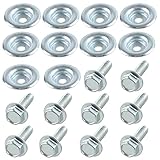
I remember staring at a snapped-off exhaust manifold stud, my knuckles bloody, sweat dripping into my eyes. That was years ago, before I’d learned the hard way about what’s worth the extra cash and what’s just snake oil. So, are advanced auto bolts good? Like most things in the garage, the answer isn’t a simple yes or no. It depends on what you’re doing, what you’re bolting together, and how much you value your time and sanity. This isn’t about glowing reviews for marketing fluff; it’s about what actually holds things together when it counts.
When Cheap Fasteners Cost More Than Money
Look, we’ve all been there. You’re doing a brake job, or maybe tackling that leaky valve cover gasket.
You need a few bolts, maybe a stud or two. The local auto parts store has a bin overflowing with shiny new fasteners. They’re cheap, right? A dime a dozen.
I’ve bought those bins full of assorted bolts, thinking I was being smart, stocking up for future repairs. Then comes the moment of truth: you’re torquing down a important component, and the bolt head rounds off like a cheap potato, or worse, it snaps clean under normal tension. Suddenly, that ‘economy’ fastener has cost you hours of drilling, extracting, and potentially replacing damaged threads. I once spent an entire Saturday wrestling with a snapped-off intake manifold bolt that refused to budge.
It was a basic steel bolt, probably from some generic bulk pack, and it decided to become one with the aluminum head. The cost of the replacement bolt was negligible, but the hours I spent hammering, soaking, and praying?
Priceless, in the worst possible way. This is where the conversation about advanced auto bolts really begins: when the standard stuff just isn’t cutting it, or when you want to build something that won’t let you down.
What Makes a Bolt ‘advanced’? It’s Not Just Fancy Metal
When people talk about ‘advanced’ auto bolts, they’re usually talking about materials, coatings, and design features that go beyond your standard Grade 5 or Grade 8 steel. Let’s break down what that really means. Firstly, material.
You’ll hear about things like stainless steel, alloys like chrome-moly, or even titanium. Stainless steel, for example, is corrosion-resistant, which is a massive win in areas prone to moisture or salt. No more rust-seized bolts on your suspension!
Chrome-moly (chromium-molybdenum) alloys offer increased strength and toughness, meaning they can handle higher stress and shock loads without deforming or breaking. Titanium is the holy grail for some – incredibly strong, lightweight, and also corrosion-resistant, but it comes with a price tag that’ll make your wallet weep. Then there are the coatings. (See Also: Are All Honda Atv Bolt Patterns The Same )
Things like black oxide, zinc plating, or specialized ceramic coatings aren’t just for looks. They add layers of protection against rust, improve lubricity (making them easier to torque correctly), and can even add a bit of surface hardness. Some advanced bolts also feature things like rolled threads instead of cut threads, which are generally stronger and smoother. Rolled threads actually displace the metal to form the thread, rather than cutting it away, leaving a stronger, more durable thread profile.
It’s these combined factors that differentiate a high-performance fastener from your average hardware store fare.
Are They Worth It for the Average Joe? The Real-World Verdict
Here’s the blunt truth: for 90% of your routine maintenance – oil changes, replacing brake pads, swapping out an air filter – the standard bolts you get from a reputable auto parts store are perfectly fine. If you’re just replacing a rusty factory bolt on your daily driver’s fender, spending $10 on a single titanium bolt is utter madness. However, the story changes dramatically when you start pushing your vehicle or dealing with known problem areas. Think about high-heat applications like exhaust systems, or areas that are constantly exposed to the elements and road salt, like suspension components or chassis fasteners.
In these situations, the corrosion resistance and increased tensile strength of premium fasteners can save you a world of headaches down the line. I’ve learned to be particularly wary of fasteners on components subject to vibration, like engine mounts or driveline parts.
A standard bolt might seem fine initially, but under constant vibration, it can fatigue and fail over time. This is where something like a high-grade alloy bolt, or even a specialized locking fastener, becomes a sensible investment.
It’s not about bragging rights; it’s about reliability and avoiding costly, time-consuming failures that could leave you stranded.
| Feature | What it Is | My Verdict |
|---|---|---|
| High-Strength Alloys (e.g., Chrome-Moly) | Stronger steel blends that resist deformation and fracture under load. | Gold Star. Great for engine, suspension, or any high-stress area. Worth the premium for peace of mind. |
| Stainless Steel | Resists rust and corrosion from moisture, salt, and chemicals. | Solid Choice. Excellent for exhaust, exterior body panels, and anywhere rust is a common enemy. |
| Titanium | Extremely light, very strong, and highly corrosion-resistant. | Wallet Buster. Amazing properties, but usually overkill and prohibitively expensive for most daily drivers. Best for race cars or weight-obsessed builds. |
| Rolled Threads | Threads formed by pressing metal, creating a stronger, smoother profile than cut threads. | Subtle but Strong. A sign of quality manufacturing, often found on premium bolts. Good to see, but not a primary selling point alone. |
| Specialized Coatings (Ceramic, Black Oxide) | Adds protection against corrosion, wear, and can improve torque performance. | Nice Bonus. Helps, especially in harsh environments, but the underlying material quality is more important. |
Common Mistakes When Buying and Using Fancy Bolts
The biggest mistake I see people make is going overboard. They’ll see a shiny set of anodized titanium bolts for their license plate frame and think they’re upgrading. It’s not an upgrade; it’s a waste of money.
You don’t need aerospace-grade fasteners to hold your hubcaps on. Another common error is not understanding the application. Just because a bolt is strong doesn’t mean it’s the right bolt. For instance, using a super-hard bolt in a softer material, like aluminum, without proper consideration can actually damage the threads in the softer component. (See Also: Are Ak Bolts Interchangeable )
The harder bolt will just rip through the aluminum. Conversely, using a weaker bolt where strength is most important is just asking for trouble. I also see people get hung up on aesthetics.
Sure, some fancy bolts look cool, but if they’re not the right grade or material for the job, they’re just pretty problems waiting to happen. Lastly, and this is a big one: don’t forget the torque specs. Even the most advanced bolt will fail if you overtighten it and strip the threads, or undertighten it and let it loosen up. Always follow the manufacturer’s torque specifications.
Over-torquing, especially with stronger fasteners, can actually stretch the bolt beyond its elastic limit, weakening it permanently even if it doesn’t break immediately. I learned this the hard way on a rear suspension link; I torqued it down a little too much with a beefier bolt, and it started to loosen up after a few hundred miles. Back it came, with a lesson learned.
When the Extra Bucks Are Justified: Practical Scenarios
So, when should you actually open your wallet for these ‘advanced’ auto bolts? I’ve got a few prime examples. Exhaust Systems: This is a no-brainer. Exhaust manifolds and pipes get incredibly hot, experience thermal cycling (heating up and cooling down), and are exposed to moisture and road grime.
Standard steel bolts will rust, seize, and break. Upgrading to stainless steel or high-temperature alloy bolts here can save you the absolute nightmare of drilling out broken studs from cylinder heads. I did this on a classic Mustang’s exhaust headers, and it was one of the best decisions I ever made for that car.
Engine Rebuilds/Performance Builds: When you’re taking an engine apart, especially for a performance build or a rebuild where you want maximum reliability, using high-quality fasteners is cheap insurance. Think connecting rod bolts, main bearing cap bolts, and head studs. These are under immense pressure. Using OEM or even better, aftermarket performance bolts from a reputable manufacturer, is a must for making sure the engine doesn’t self-destruct.
Brands like ARP are well-known for their quality in this arena. Restoration Projects: If you’re restoring a classic car, you want it to look and function as close to original, or even better. Using stainless steel fasteners on the body panels, around the trim, or in areas prone to rust can preserve the vehicle’s appearance and structural integrity for decades.
It means you’re not fighting rust holes or seized bolts twenty years down the line. Subframes and Suspension: These are important safety components that endure significant stress, vibration, and environmental exposure. Upgrading to stronger, corrosion-resistant bolts here is a smart move for longevity and safety. I’ve replaced old, rusted subframe bolts on older European cars with high-grade stainless or coated alloy ones, and the difference in feel and the peace of mind were immediate. (See Also: Are All Bolt Patterns The Same )
Frequently Asked Questions About Advanced Auto Bolts
Are Stainless Steel Bolts Strong Enough for Engines?
Generally, yes, for many non-important engine applications, especially if they are high-quality 300-series stainless steel. However, for high-stress internal engine components like connecting rods or main bearings, specialized high-strength alloy bolts designed for extreme temperatures and pressures are usually recommended over standard stainless steel. Always check the manufacturer’s specifications for the specific application.
Can I Just Use Any Grade 8 Bolt for Everything?
Grade 8 bolts are quite strong and suitable for many applications where high tensile strength is needed. However, they are still susceptible to rust and corrosion, and they might not offer the same heat resistance or toughness as specialized alloys used in performance applications. For important or high-heat/corrosive environments, a bolt designed for that specific purpose, even if it’s not labeled ‘Grade 8’, might be a better choice.
What’s the Difference Between Rolled and Cut Threads on Bolts?
Cut threads are made by removing material to form the thread shape, which can create microscopic stress risers. Rolled threads are formed by pressing the metal into the desired shape, which displaces the material and creates a stronger, more durable thread profile with better fatigue resistance. Rolled threads are a sign of higher quality manufacturing.
Is It Safe to Mix Different Types of Bolts on a Vehicle?
It’s generally best to use fasteners of the same grade and material specified by the manufacturer. Mixing bolts of different strengths or materials can lead to uneven stress distribution, premature failure, or corrosion issues (like galvanic corrosion between dissimilar metals). While sometimes unavoidable, it should be done with careful consideration for the potential risks.
Verdict
So, are advanced auto bolts good? My take is they’re good when they’re needed, and a waste when they’re not. Don’t fall for the shiny marketing; focus on the application. If you’re building a high-performance engine, restoring a classic, or tackling a component that’s constantly battling rust and heat, then investing in quality fasteners is a no-brainer. It’s about preventative maintenance that pays dividends in reliability and avoids costly headaches.
For everyday repairs on a budget, standard hardware store bolts will get the job done. But for those important areas, or when you just want the peace of mind knowing that a vital component isn’t going to vibrate loose or snap under load, the extra cost for advanced auto bolts is often money well spent. It’s about building it right, the first time, and knowing it’ll stay together.
The next time you’re at the parts store, look beyond the price tag and consider the forces and environment your fasteners will face. Your future self, wrenching in a less stressful situation, will thank you.