I remember the first time I cracked open a can of spray paint. The hiss, the cloud of color, the instant transformation of a boring metal chair into something I thought was pretty cool. That was years ago, and frankly, I didn’t give a lick about whether are aerosol spray paint toxic. I just wanted the job done. Fast forward a bit, and I’ve sprayed enough junk to fill a small landfill, learned a whole lot about what’s actually in those cans, and developed a healthy respect — and sometimes, outright suspicion — for them.
The convenience is undeniable. But that convenience comes with a package deal of chemicals, and ignoring them is a dumb move, plain and simple. Let’s cut through the marketing fluff and get down to brass tacks about what you’re breathing in.
The Chemical Cocktail: What’s Really in That Can?
Look, nobody buys spray paint because they love the smell of solvents. We buy it for the color, the coverage, the ease. But that ease is powered by a witches’ brew of chemicals designed to propel the paint, thin it down, make it dry fast, and stick to whatever you’re blasting.
The main culprits you’ll find are solvents, propellants, and binders. Solvents like xylene, toluene, and acetone are the workhorses that break down the paint resins and help them flow.
They’re also responsible for that signature, headache-inducing fume. Then you’ve got the propellants – historically, things like chlorofluorocarbons (CFCs) were used, which were terrible for the ozone layer. Nowadays, it’s more common to see hydrocarbons like propane and butane, which are flammable and contribute to volatile organic compounds (VOCs) in the air.
VOCs are a big part of why you’re even asking are aerosol spray paint toxic in the first place; they can mess with your respiratory system and contribute to smog. Binders, like acrylics or enamels, form the actual paint film once the solvents evaporate. Pigments give it color. Additives do all sorts of things, from improving flow to preventing rust.
I once tried to spray paint a bicycle frame in my garage with the door mostly closed, thinking ‘how bad can it be for a quick job?’ That was a mistake I won’t repeat. Within minutes, I had a pounding headache, felt lightheaded, and the smell lingered for days. It wasn’t just unpleasant; it felt genuinely unhealthy. The sheer concentration of these chemicals when you’re not in a wide-open space is no joke. You’re basically bathing your immediate surroundings in a fine mist of industrial solvents and particulate matter.
It’s easy to dismiss the warnings on the can as legal boilerplate, but they’re there for a reason. The Material Safety Data Sheet (MSDS) or Safety Data Sheet (SDS) for any spray paint will detail the hazards, and it’s usually a pretty eye-opening read. You’ll see warnings about flammability, skin irritation, eye damage, and, of course, respiratory issues. The fine mist can get deep into your lungs, and prolonged exposure to high concentrations is where the real risks lie. Think about it: you’re spraying tiny particles of pigment and resin suspended in evaporating solvents. Your lungs aren’t designed to filter that stuff out effectively without some serious ventilation.
When Does ‘a Little Exposure’ Become a Problem?
This is where things get murky for a lot of DIYers. Everyone’s tolerance is different, and occasional, brief exposure in a well-ventilated area is unlikely to cause lasting harm for most people. But what constitutes ‘brief’ and ‘well-ventilated’? That’s the million-dollar question, and the answer is: it depends. If you’re painting a single tiny object for 30 seconds outdoors on a breezy day, you’re probably fine. If you’re tackling a whole furniture set in a small, enclosed room for an hour, you’re not.
The key factors are concentration and duration. The higher the concentration of VOCs and other harmful chemicals in the air, and the longer you’re breathing them in, the greater the risk. Acute exposure – like getting a massive dose all at once – can lead to immediate symptoms: dizziness, nausea, coughing, shortness of breath, and severe headaches. I’ve felt that dizzying effect myself after just a few minutes in a poorly aired space. It’s your body screaming at you to get fresh air, and you should listen.
Chronic exposure, on the other hand, is more insidious. This is from repeated, lower-level exposure over months or years. This is where you start worrying about long-term respiratory problems, potential neurological effects, and even links to certain types of cancer, though the direct causal links for typical DIY use are often debated and hard to prove definitively in humans due to confounding factors. (See Also: Can Craft Foam Be Spray Painted )
Still, the science points to these chemicals as hazardous. For instance, toluene and xylene are known neurotoxins. While a single spray-painting session won’t fry your brain, consistently exposing yourself to these solvents over time without proper protection is playing a risky game.
It’s like smoking one cigarette a day versus a pack – both are bad, but the long-term impact is vastly different. The common advice to just ‘open a window’ is often wildly insufficient when you’re dealing with the sheer volume of aerosols being expelled.
My own experience with this was painting a set of old metal shelves in my basement workshop. I thought I’d cracked it by running a fan and opening the basement door a bit. Two hours later, I had a throbbing headache and felt like I’d inhaled pure solvent fumes. I had to bail and let the whole space air out for 24 hours. That was a wake-up call that ‘ventilation’ needs to be more than just a token effort when you’re asking are aerosol spray paint toxic and how to mitigate it.
Common Mistakes People Make (and Why They’re Dangerous)
The biggest mistake, hands down, is underestimating the danger. People treat spray paint like any other craft supply, not like the chemical concoction it is.
They’ll grab a can, maybe pull on a t-shirt, and go to town. That’s a recipe for trouble. The most common errors I see include: 1.
Inadequate Ventilation: As I’ve hammered home, this is number one. People think ‘open window’ is enough. It’s not.
You need airflow that actively removes the fumes from your breathing zone. Cross-ventilation is key.
2. No Respiratory Protection: This is HUGE. A simple dust mask does absolutely nothing for solvent fumes. You need a respirator specifically rated for organic vapors.
I’ve seen people use cheap paper masks, thinking they’re protected. That’s like using a colander to stop water.
3. Painting Indoors Without Proper Setup: Garages, basements, spare rooms – if they aren’t specifically set up as a spray booth with industrial-grade ventilation, they’re a bad idea. The paint particles and fumes will settle everywhere, and you’ll be breathing them in long after the painting is done. (See Also: Can Aluminum Be Spray Painted )
4. Ignoring the Can’s Warnings: Those little icons and warning paragraphs?
They’re not suggestions. They’re your first line of defense.
If it says ‘use in a well-ventilated area’ and ‘wear appropriate respiratory protection,’ it means it. 5. Spraying Too Close or Too Heavily: While this is more about paint finish, spraying too close can lead to heavier drips and runs, meaning more paint is used and potentially more solvent is released in a concentrated area. It’s a less direct health risk but contributes to the overall exposure.
I learned this the hard way trying to paint some outdoor furniture in my backyard on a still, humid day. I figured outside was safe. But the air was heavy and still, and the fumes just hung around me like a shroud. I ended up with a killer headache and that metallic taste in my mouth. I should have waited for a breezy day or set up a makeshift booth with tarps and fans to create actual airflow away from me. The temptation to just get it done quickly often overrides common sense. Remember, this isn’t just about getting a good finish; it’s about protecting your health when you ask are aerosol spray paint toxic.
| Mistake | Why it’s Bad | Real-World Consequence | My Verdict |
|---|---|---|---|
| Skipping Respirator | Paper masks and t-shirts don’t stop VOCs or fine particles. | Headaches, nausea, long-term lung issues. | Dumb. Get a proper respirator. |
| Poor Ventilation | Fumes accumulate, concentrating hazardous chemicals. | Dizziness, respiratory irritation, toxic build-up. | Waste of time and risky. |
| Painting in Garage/Basement | Confined space traps fumes and paint dust. | Lingering odor, potential for chronic exposure. | Only if you have a professional spray booth. |
| Ignoring Warnings | The warnings are legal requirements based on known hazards. | Health problems, potential legal issues if someone else is affected. | The can knows more than you do. |
Real-World Use: When Spray Paint Is Still a Go-to (with Caution)
Despite all the warnings, spray paint is still incredibly useful for a ton of projects. There are times when it’s genuinely the best, fastest, or most practical option. For small, intricate items where brushwork would be a nightmare, like models, small decorative pieces, or intricate metalwork, spray paint offers a smooth, even coat that’s hard to replicate.
It’s also fantastic for achieving finishes that are difficult with other methods, like metallic sheens, high-gloss lacquers, or textured effects. I’ve used it to refresh old lamp bases, paint garden gnomes that were looking sad, and even to give a quick facelift to a set of plastic outdoor chairs. The speed at which you can cover a surface is unmatched by most other application methods for DIYers.
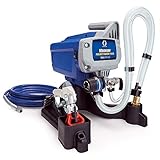
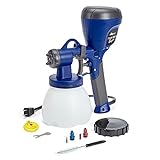
However, the decision to use spray paint should always be preceded by a serious consideration of the conditions. If you’re painting something large, like a car door or a whole piece of furniture, you’re looking at significant exposure time. In these cases, I’d strongly consider alternatives like a HVLP (High Volume Low Pressure) sprayer, which uses much less solvent and can be used with a wider range of paints, including water-based ones. But for smaller jobs, or when convenience is king, spray paint wins. The trick is to be smart about it.
My rule of thumb now is: if the item fits on a piece of newspaper spread out on the ground, and I can do it outdoors with a gentle breeze, I’ll probably reach for the spray can. If it’s something I have to bring inside, or it’s a large item that will take me more than 15-20 minutes of continuous spraying, I start looking for other options or planning a serious ventilation setup.
The question ‘are aerosol spray paint toxic’ needs to be followed by ‘and how do I use them safely?’ because there are ways to minimize risk.
It’s not about avoiding them entirely, but about respecting the chemicals involved and taking practical steps. I’ve seen people try to spray paint car parts in their living room – just a terrible, terrible idea. (See Also: Can Bug Spray Damage Car Paint )
The fumes will permeate everything, and the health risks are amplified dramatically.
Practical Tips for Safer Spray Painting
So, you’ve decided spray paint is the way to go for your project. Good. Now let’s talk about not poisoning yourself. Here’s what I actually do, based on years of making mistakes and learning the hard way.
- Location, Location, Location: Always, always, ALWAYS paint outdoors if at all possible. Find a spot with good airflow, away from open windows or doors to your house. A mild breeze is your best friend. If outdoors isn’t an option, you need a properly set-up spray booth or a garage with industrial-grade exhaust fans and intake vents. A single box fan blowing out a window is often NOT enough.
- Respiratory Protection is A must: This is the most important piece of gear. Don’t use a flimsy dust mask. Invest in a good quality respirator with organic vapor cartridges. You can find decent ones online or at hardware stores for around $30-$50. Make sure it fits snugly to your face. I tried a cheap one once, and it leaked. My lungs paid the price.
- Eye Protection: Chemical splash goggles are a must. Paint mist can irritate or damage your eyes.
- Gloves: Nitrile gloves are good for keeping paint off your hands and preventing skin absorption of solvents.
- Cover Up: Wear old clothes or coveralls. Paint gets everywhere, and you don’t want to be breathing in dried paint particles from your favorite hoodie later.
- Work in Bursts: Don’t stand there spraying for ten minutes straight. Work in short bursts, then step away to let the fumes dissipate slightly and to get some fresh air. This reduces your continuous exposure.
- Read the Can and the SDS: Seriously. Understand the specific hazards of the paint you’re using.
- Clean Up Properly: Dispose of empty cans and any used rags or materials responsibly.
I’ve seen people get lazy, thinking ‘oh, it’s just a quick touch-up.’ Then they end up with a cough that won’t quit or a headache that lasts for days. It’s not worth the risk. A proper setup, even for a small job, takes maybe an extra 10 minutes but can save you days of feeling awful. If you’re really concerned about the long-term health impacts of are aerosol spray paint toxic, consider water-based spray paints or alternative application methods. But if you must use aerosols, treat them with the respect they deserve.
Are Aerosol Spray Paints Dangerous to Inhale?
Yes, aerosol spray paints contain volatile organic compounds (VOCs) and other solvents that are dangerous to inhale. Inhaling these fumes can lead to immediate symptoms like headaches, dizziness, nausea, and respiratory irritation. Prolonged or repeated exposure can potentially cause more serious long-term health problems affecting the respiratory system and nervous system.
Can Spray Paint Cause Cancer?
Some of the chemicals found in spray paints, such as toluene and xylene, are classified as potential carcinogens. While direct causal links for typical DIY usage are hard to definitively prove in humans due to many confounding factors, consistent and prolonged exposure to high concentrations of these solvents without proper protection is considered a significant risk factor for certain types of cancer. It’s best to err on the side of caution and minimize exposure.
How Long Do Spray Paint Fumes Last?
The strong, solvent-based fumes from spray paint can linger in an area for hours, or even days, after application, especially in poorly ventilated spaces. Even after the initial smell dissipates, residual VOCs can remain. The time it takes for fumes to fully clear depends on factors like the type of paint, the amount used, and the level of ventilation. It’s why continuous ventilation is recommended even after the painting is finished.
What Happens If You Breathe in Spray Paint?
If you breathe in spray paint fumes, you might experience immediate symptoms such as headaches, dizziness, nausea, lightheadedness, coughing, and irritation of the eyes, nose, and throat. In severe cases, it can lead to loss of coordination or even unconsciousness. If you experience these symptoms, get to fresh air immediately and seek medical attention if they are severe or persistent.
Verdict
Look, I’m not going to tell you to ditch spray paint forever. It’s too useful for too many things. But I am going to tell you to stop being an idiot about it. The question of are aerosol spray paint toxic is a resounding yes, if you’re not careful. The convenience factor is a siren song, and ignoring the risks is a foolish gamble with your health.
My advice? If you can avoid it, do. Try water-based options, HVLP sprayers, or even a good old brush and roller for bigger jobs. But if you have to use aerosols, put on the proper respirator, get outside or into a seriously ventilated space, and treat that can like the chemical hazard it is. Your future self, breathing easy, will thank you.